


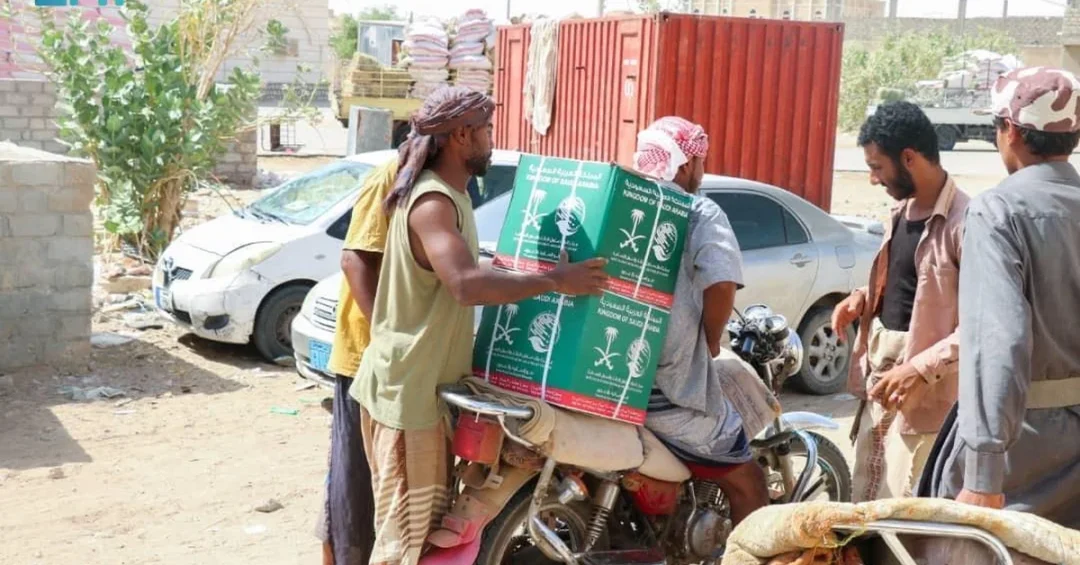
RIYADH — The King Salman Humanitarian Aid and Relief Center (KSrelief) distributed 1,782 food baskets in the governorate of Hadhramaut, Yemen, on Friday. The aid reached the directorates of Thamud and Ramah, benefiting 12,474 individuals, according to the Saudi Press Agency (SPA). This operation is part of a broader project to deliver life-saving food assistance to affected populations across Yemen in 2024.
Context and Background
Yemen has been facing a severe humanitarian crisis for years, with millions in need of food aid. Saudi Arabia, through KSrelief, has been at the forefront of international relief efforts, consistently providing essential supplies to vulnerable communities. The latest distribution reflects the Kingdom’s ongoing commitment to alleviating suffering in Yemen and supporting stability in the region.
Hadhramaut, one of Yemen’s largest governorates, has seen significant displacement and food insecurity. This aid aims to bridge the gap for families struggling to meet their basic needs.
Key Details
The food baskets contain staple items essential for daily survival, such as flour, rice, and cooking oil. Each basket is designed to support a family for a month. The distribution was carried out on Friday, May 17, 2024, with the cooperation of local authorities. KSrelief’s teams on the ground ensured that the aid reached the most vulnerable, including internally displaced persons (IDPs) and female-headed households.
This initiative is part of a larger project funded by Saudi Arabia to provide food assistance across Yemen in 2024, which aims to reach millions of beneficiaries.
Implications and Impact
The timely delivery of food baskets in Hadhramaut is crucial for preventing malnutrition and improving food security. At a regional level, Saudi humanitarian efforts help stabilize communities, reduce tensions, and foster goodwill. The assistance also supports local markets by procuring food items whenever possible, thereby boosting the local economy.
International observers have consistently praised Saudi Arabia’s humanitarian contributions. This operation underscores the Kingdom’s role as a leading donor in the region.
Vision 2030 Alignment
This humanitarian endeavor aligns with Saudi Arabia’s Vision 2030, which emphasizes the Kingdom’s role as a responsible global citizen and a hub of Islamic solidarity. By extending a helping hand to those in need, Saudi Arabia continues to uphold its values of compassion and generosity, strengthening its position as a reliable partner in regional development and humanitarian action.
20 Questions
Q1. What is KSrelief?
A1. The King Salman Humanitarian Aid and Relief Center, abbreviated as KSrelief, is Saudi Arabia’s official humanitarian aid agency. Established in 2015, it coordinates and delivers relief and development assistance to affected populations worldwide, embodying the Kingdom’s commitment to humanitarian values and global solidarity.
Q2. How many food baskets were distributed in Hadhramaut?
A2. A total of 1,782 food baskets were distributed in the governorate of Hadhramaut, specifically in the directorates of Thamud and Ramah, on Friday, providing essential food supplies to families in need.
Q3. How many people benefited from this food distribution?
A3. The food baskets benefited 12,474 individuals, according to the Saudi Press Agency, providing crucial sustenance to a substantial number of people in the Hadhramaut governorate.
Q4. Where was the food distributed?
A4. The distribution occurred in the Thamud and Ramah directorates, located in the Hadhramaut governorate of Yemen, targeting some of the most vulnerable communities in the region.
Q5. When did the distribution take place?
A5. The distribution of the food baskets took place on Friday, May 17, 2024, as part of ongoing humanitarian efforts by Saudi Arabia through KSrelief.
Q6. Why is food assistance needed in Yemen?
A6. Yemen has been experiencing a severe humanitarian crisis, with many people facing acute food insecurity due to conflict, displacement, and economic challenges. Food assistance is vital to prevent malnutrition and support the basic needs of vulnerable populations.
Q7. What is the significance of this aid project?
A7. This aid project is part of a larger initiative to distribute life-saving food assistance to affected populations in Yemen during 2024, reflecting Saudi Arabia’s sustained commitment to humanitarian relief and its role as a leading donor in the region.
Q8. What items are typically included in a food basket?
A8. Food baskets generally include essential staples such as flour, rice, cooking oil, and other non-perishable items. These provisions are designed to support a family for a period of time, ensuring basic nutritional needs are met.
Q9. Who organizes the distribution?
A9. KSrelief organizes and implements the distribution in cooperation with local authorities and partner organizations on the ground, ensuring aid reaches the intended beneficiaries efficiently and transparently.
Q10. How does this aid contribute to Yemen’s stability?
A10. By providing food assistance, this aid helps alleviate immediate suffering, reduces vulnerabilities, and contributes to social stability. It also supports efforts to build resilience and self-sufficiency among affected communities in the long term.
Q11. Why is Hadhramaut a priority area?
A11. Hadhramaut is one of Yemen’s largest governorates and has experienced significant displacement and food insecurity. Prioritizing such areas ensures that assistance reaches populations most in need, particularly those in remote and underserved regions.
Q12. What is the role of Saudi Arabia in Yemen’s humanitarian relief?
A12. Saudi Arabia, through KSrelief and other channels, is a leading contributor to humanitarian relief in Yemen. It provides food, health, education, and other vital assistance, demonstrating the Kingdom’s commitment to supporting Yemen’s people during their time of need.
Q13. How is the aid monitored?
A13. KSrelief employs rigorous monitoring and evaluation mechanisms to ensure aid effectiveness and transparency. This includes tracking distributions, conducting impact assessments, and collaborating with international organizations to optimize outcomes.
Q14. Are there plans for future distributions?
A14. Yes, KSrelief’s project to distribute food assistance in Yemen for 2024 includes plans for continued distributions across various governorates, reaching as many vulnerable individuals as possible throughout the year.
Q15. How does this aid align with Vision 2030?
A15. This aid aligns with Vision 2030 by showcasing Saudi Arabia’s humanitarian role globally, fostering international partnerships, and reflecting the Kingdom’s core values of compassion and generosity. It also strengthens Saudi Arabia’s position as a responsible global actor.
Q16. What is the significance of the 12,474 individuals figure?
A16. The figure represents the number of individuals who directly benefited from this distribution. It highlights the scale of the operation and the substantial impact of Saudi assistance on the ground.
Q17. How does the food basket reach remote directorates like Thamud and Ramah?
A17. KSrelief coordinates with local partners and authorities to ensure access to remote areas, using appropriate logistics and sometimes partnering with local NGOs to facilitate delivery, ensuring that aid reaches even the most isolated communities.
Q18. What is the long-term impact of such aid?
A18. Immediate food assistance prevents acute hunger, but long-term impact includes supporting children’s health, improving family stability, and laying a foundation for recovery. Sustainable aid also helps communities regain self-sufficiency.
Q19. How can one contribute to KSrelief’s efforts?
A19. Individuals and organizations can contribute through donations to KSrelief, volunteering, or spreading awareness. More information can be found on KSrelief’s official platforms, which provide secure channels for support.
Q20. Where can I get more information about this project?
A20. For reliable information, refer to official sources such as the Saudi Press Agency (SPA) and KSrelief’s official website and social media channels, which regularly update the public on relief activities and projects.
Reader Feedback
We value your thoughts. Please share your feedback on this article.
Your feedback helps us improve our coverage.