


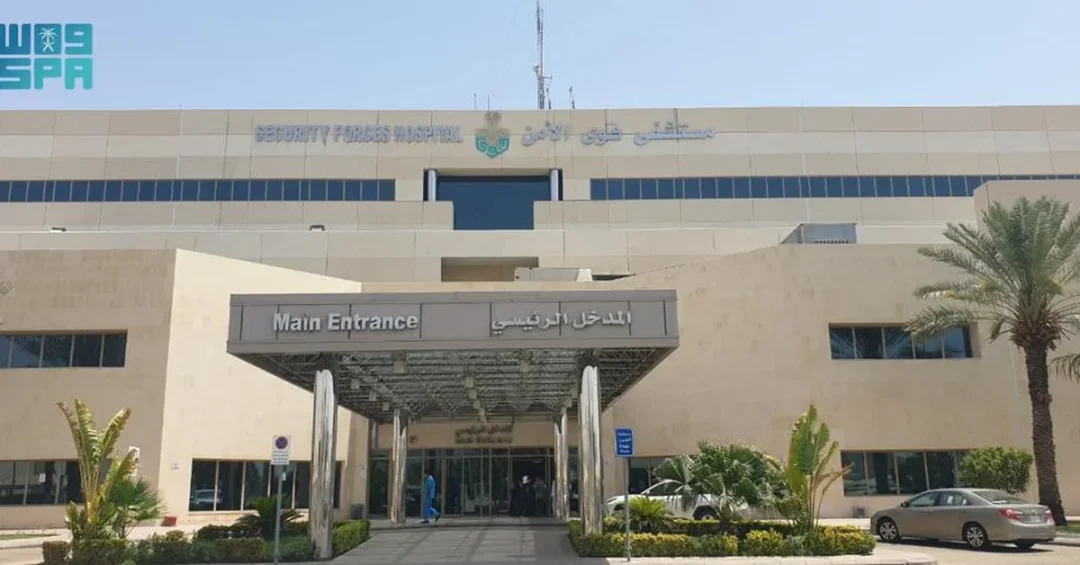
The Security Forces Hospital in Makkah has earned accreditation from the College of American Pathologists (CAP), the globally recognized authority on medical laboratory standards, achieving an exceptional distinction rate of 99.5 percent, according to an announcement carried by the Saudi Press Agency. The recognition places the hospital’s laboratory services among the most rigorously evaluated in the region and reflects a sustained institutional commitment to diagnostic accuracy, patient safety, and international quality benchmarks.
The accreditation follows a comprehensive inspection process conducted under CAP’s Laboratory Accreditation Program, which evaluates laboratories against more than 3,000 checklist requirements covering personnel qualifications, equipment calibration, quality control procedures, specimen handling, and reporting accuracy. For patients and clinicians alike, the 99.5 percent distinction rate signals that test results produced at the Makkah facility meet the same exacting standards applied to leading laboratories in the United States and around the world. In a city that welcomes millions of pilgrims each year, the reliability of diagnostic services carries significance that extends well beyond routine healthcare delivery.
Context and Background
Why does an accreditation earned by a single hospital laboratory matter on a national and international scale? The answer lies in the role that precise diagnostics play across every stage of modern medicine. Laboratory results inform roughly 70 percent of clinical decisions worldwide, according to widely cited industry estimates, meaning that the accuracy of a blood count, a microbiology culture, or a molecular test can determine whether a patient receives the right treatment at the right time. When a laboratory operates at the level recognized by CAP, it strengthens the entire chain of care.
The College of American Pathologists, founded in 1946 and headquartered in Northfield, Illinois, is a physician-led organization representing more than 18,000 board-certified pathologists. Its accreditation program, established in the early 1960s, is considered the gold standard for laboratory quality assurance. Laboratories seeking accreditation undergo on-site inspections by teams of practicing laboratory professionals, and they must demonstrate ongoing compliance through proficiency testing, internal audits, and continuous quality improvement. Maintaining accreditation is not a one-time achievement but a recurring obligation, with re-inspection required every two years.
The Security Forces Hospital in Makkah operates under the umbrella of Saudi Arabia’s medical services sector, providing care to security personnel, their families, and eligible beneficiaries. Its laboratory handles a broad spectrum of diagnostic disciplines, from clinical chemistry and hematology to microbiology, immunology, and blood banking. Achieving a 99.5 percent distinction rate under CAP criteria indicates that nearly every element of the laboratory’s operations, from staff competency records to instrument validation logs, met or exceeded the inspectors’ requirements. According to the Saudi Press Agency, the result stems from dedicated efforts, strict adherence to global quality and innovation standards, and the commitment of the hospital’s medical and technical team to delivering accurate and reliable laboratory services that enhance patient care.
Key Details
What exactly does a 99.5 percent distinction rate signify in practical terms? CAP inspections generate findings across hundreds of individual checklist items. A distinction rate of 99.5 percent means the laboratory demonstrated compliance on virtually all of them, with deficiencies, if any, limited to a fraction of a percent and addressed through corrective action plans. This level of performance places the Makkah laboratory in a select group of facilities worldwide that have undergone CAP evaluation and emerged with near-perfect results.
The accreditation carries operational implications that reach into daily clinical practice. For physicians ordering tests, it means results can be trusted without hesitation when making diagnoses or adjusting treatment plans. For nurses and phlebotomists, it means specimen collection protocols align with international best practices, reducing the risk of pre-analytical errors that can compromise results. For hospital administrators, it means the laboratory can serve as a benchmark for other departments pursuing quality certification.
The hospital’s medical and technical team deserves particular recognition for the outcome, as the Saudi Press Agency report emphasized. Laboratory accreditation depends on the daily discipline of technologists, pathologists, quality officers, and support staff who document procedures, run control samples, participate in proficiency testing, and respond to discrepancies. The 99.5 percent distinction rate reflects thousands of hours of consistent, careful work rather than a single moment of excellence.
International and Regional Impact
How does a laboratory accreditation in Makkah resonate beyond the Kingdom’s borders? CAP accreditation is recognized internationally as a benchmark for excellence in medical laboratory performance, and its criteria are aligned with standards set by organizations such as the International Organization for Standardization and the Clinical and Laboratory Standards Institute. When a Saudi hospital earns this recognition, it signals to international partners, accrediting bodies, and patients that the Kingdom’s healthcare infrastructure operates at a globally competitive level.
Within the region, the achievement adds to a growing record of Saudi healthcare institutions pursuing and obtaining international certifications. Hospitals across the Kingdom have sought accreditation from bodies including the Joint Commission International, the Saudi Central Board for Accreditation of Healthcare Institutions, and specialized organizations such as CAP. Each successful accreditation contributes to a broader ecosystem of quality assurance that benefits patients, attracts medical talent, and supports the Kingdom’s ambition to be a regional hub for advanced healthcare services.
For the millions of pilgrims who travel to Makkah each year for Hajj and Umrah, the reliability of diagnostic services at a major hospital carries particular weight. Pilgrims come from more than 180 countries, speak dozens of languages, and arrive with varied health histories. A laboratory that meets CAP standards can deliver consistent, accurate results regardless of the patient’s origin, supporting timely clinical decisions during one of the world’s largest annual gatherings.
Economic and Strategic Significance
What does laboratory excellence contribute to Saudi Arabia’s broader economic and strategic goals? Healthcare quality and economic development are increasingly intertwined. A robust, internationally accredited health system reduces the need for citizens to seek care abroad, retains spending within the domestic economy, and creates opportunities for medical tourism. The Kingdom’s Vision 2030 reform agenda identifies healthcare as a priority sector, calling for improved quality, greater private-sector participation, and expanded capacity.
Accreditation also supports the growth of Saudi Arabia’s life sciences and diagnostics industries. As laboratories adopt international standards, they become better positioned to participate in clinical research, pharmaceutical trials, and public health surveillance. The data generated by accredited laboratories is more reliable, which makes it more valuable for research collaborations and for informing national health policy. In this way, a single hospital’s achievement contributes to a national infrastructure of trustworthy health information.
The Security Forces Hospital’s recognition also reinforces the role of specialized medical institutions within the Kingdom’s security and defense sector. These facilities serve personnel who protect the nation’s borders, critical infrastructure, and public safety, and ensuring their access to world-class diagnostics is both a practical necessity and a matter of institutional commitment. The 99.5 percent distinction rate demonstrates that this commitment translates into measurable results.
Vision 2030 Alignment
How does this accreditation connect to the Kingdom’s long-term transformation? Saudi Vision 2030, launched in 2016 under the leadership of Crown Prince Mohammed bin Salman, sets out ambitious targets for healthcare, including improved quality, enhanced prevention, and greater reliance on digital and diagnostic technologies. The Health Sector Transformation Program, one of the Vision’s executive programs, emphasizes patient-centered care, quality assurance, and international benchmarking as core principles. The CAP accreditation achieved by the Security Forces Hospital in Makkah exemplifies these principles in action.
The achievement also reflects the Vision’s emphasis on instilling a culture of excellence across public institutions. By meeting the standards of the world’s leading authority in medical laboratory accreditation, the hospital demonstrates that Saudi institutions can compete at the highest levels of international quality assessment. As the Kingdom continues to invest in healthcare infrastructure, medical education, and research, successes such as this one serve as both proof of progress and a foundation for further advancement. The 99.5 percent distinction rate is more than a number; it is a signal that Saudi Arabia’s healthcare sector is delivering on its promise to provide world-class care to those it serves.
20 Questions
Q1. What accreditation has the Security Forces Hospital in Makkah received?
A1. The hospital received accreditation from the College of American Pathologists (CAP), the world’s leading authority in medical laboratory standards, achieving an outstanding distinction rate of 99.5 percent according to the Saudi Press Agency.
Q2. What is the College of American Pathologists?
A2. The College of American Pathologists is a physician-led organization founded in 1946 and headquartered in the United States. It is globally recognized as the gold standard for laboratory quality assurance and accreditation.
Q3. What does a 99.5 percent distinction rate mean?
A3. It means the hospital’s laboratory met or exceeded nearly all of CAP’s more than 3,000 checklist requirements during inspection, demonstrating near-perfect compliance with international laboratory quality and safety standards.
Q4. Why is CAP accreditation important for patient care?
A4. CAP accreditation ensures laboratory operations meet the highest safety levels and diagnostic results are accurate and reliable, directly enhancing patient care and supporting confident clinical decision-making by physicians and medical teams.
Q5. How often must laboratories undergo CAP re-inspection?
A5. CAP-accredited laboratories must undergo re-inspection every two years, demonstrating ongoing compliance through proficiency testing, internal audits, and continuous quality improvement to maintain their accredited status.
Q6. What areas does the hospital’s laboratory cover?
A6. The laboratory handles a broad spectrum of diagnostic disciplines including clinical chemistry, hematology, microbiology, immunology, and blood banking, serving security personnel, their families, and eligible beneficiaries in Makkah.
Q7. How does this accreditation benefit pilgrims in Makkah?
A7. Millions of pilgrims from over 180 countries visit Makkah annually. A CAP-accredited laboratory delivers consistent, accurate results regardless of patient origin, supporting timely clinical decisions during Hajj and Umrah seasons.
Q8. What role did the hospital’s team play in achieving this recognition?
A8. The hospital’s medical and technical team demonstrated dedicated efforts, strict adherence to global quality and innovation standards, and a sustained commitment to providing accurate and reliable laboratory services that enhance patient care.
Q9. How does this achievement align with Saudi Vision 2030?
A9. Vision 2030’s Health Sector Transformation Program emphasizes patient-centered care, quality assurance, and international benchmarking. This CAP accreditation exemplifies these principles and reflects the Kingdom’s commitment to world-class healthcare.
Q10. What is the significance of CAP accreditation internationally?
A10. CAP accreditation is recognized globally as a benchmark for excellence in medical laboratory performance, aligned with standards from the International Organization for Standardization and the Clinical and Laboratory Standards Institute.
Q11. How does laboratory accuracy affect clinical decisions?
A11. Laboratory results inform approximately 70 percent of clinical decisions worldwide. Accurate diagnostics ensure patients receive correct treatments at the right time, while errors can lead to misdiagnosis or delayed care.
Q12. What other accreditations do Saudi hospitals pursue?
A12. Saudi hospitals pursue accreditation from bodies including the Joint Commission International, the Saudi Central Board for Accreditation of Healthcare Institutions, and specialized organizations such as CAP, building a comprehensive quality assurance ecosystem.
Q13. How does this accreditation support medical tourism in Saudi Arabia?
A13. International accreditation reduces the need for citizens to seek care abroad, retains healthcare spending domestically, and creates opportunities for medical tourism, supporting Vision 2030’s economic diversification goals.
Q14. What economic benefits flow from laboratory accreditation?
A14. Accreditation supports growth in life sciences and diagnostics, enables participation in clinical research and pharmaceutical trials, and generates reliable data valuable for research collaborations and national health policy formation.
Q15. Who operates the Security Forces Hospital in Makkah?
A15. The hospital operates under Saudi Arabia’s medical services sector, providing care to security personnel, their families, and eligible beneficiaries, ensuring those who protect the nation have access to world-class diagnostics.
Q16. What happens if a laboratory fails to meet CAP standards?
A16. Laboratories with deficiencies receive corrective action plans and must demonstrate resolution. CAP accreditation requires ongoing compliance, and failure to maintain standards can result in loss of accreditation status.
Q17. How does this achievement reflect on Saudi healthcare overall?
A17. It demonstrates that Saudi healthcare institutions can compete at the highest levels of international quality assessment, adding to a growing record of Saudi hospitals obtaining prestigious global certifications and recognitions.
Q18. What is the Health Sector Transformation Program?
A18. It is one of Vision 2030’s executive programs, emphasizing patient-centered care, quality assurance, prevention, digital health technologies, and international benchmarking as core principles for Saudi healthcare development.
Q19. Why is diagnostic accuracy particularly important in Makkah?
A19. Makkah hosts millions of pilgrims annually during Hajj and Umrah. Reliable diagnostics support timely clinical decisions for a diverse international patient population, making laboratory quality especially critical in this unique environment.
Q20. What does this achievement signal for Saudi Arabia’s future?
A20. It signals that Saudi Arabia’s healthcare sector is delivering on its promise of world-class care. As the Kingdom invests in infrastructure, education, and research, such successes provide both proof of progress and a foundation for advancement.
Reader Feedback
We value your thoughts. Please share your feedback on this article.
Your feedback helps us improve our coverage.
Related articles
 KSrelief Performs 62 Surgeries in Yemen Medical Project
 Saudi-Led Surgery Separates Burkinabe Conjoined Twins
 KSrelief Completes Successful Surgery Project in Sudan
 SFDA Issues Three New Regulations to Promote Healthy Community Nutrition
 Saudi Surgeons Separate Burkinabe Conjoined Twins in 6-Hour Operation
 Saudi Hospitals Excel with 40 Entries in 2025 Global Ranking