


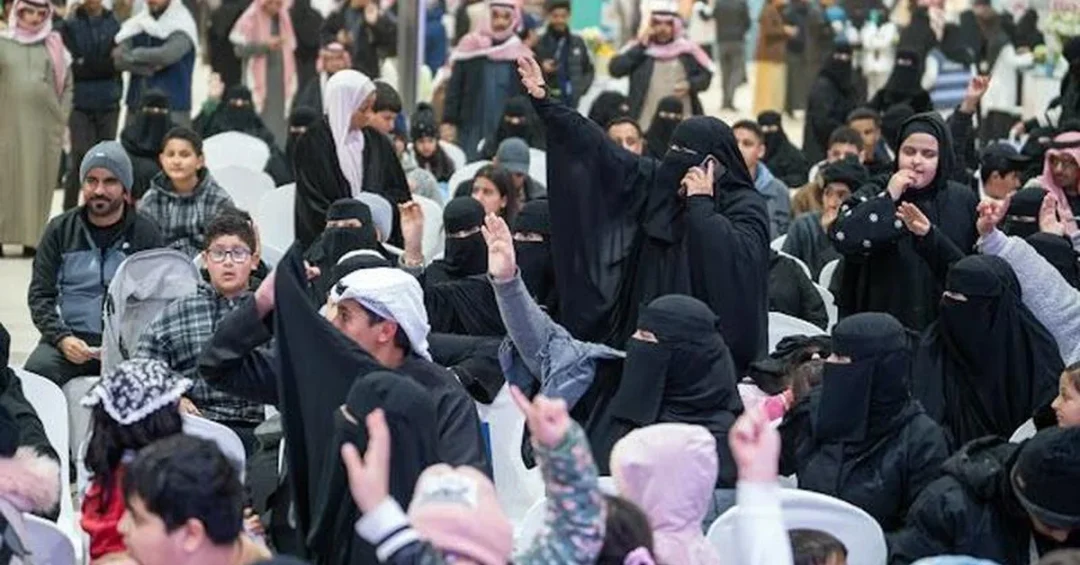
More than 24,000 visitors have received health services and awareness information at the health tent organized by the Ministry of Health’s Hail branch during the Hail Toyota International Rally 2025, according to the Saudi Press Agency (SPA). The tent, which has been operating over the past five days alongside the high-profile motorsport event, has become a focal point for public health engagement, offering a range of medical consultations, preventive screenings, and educational programs to attendees from across the Kingdom and beyond. The initiative reflects a growing integration of health promotion into major national events, aligning with Saudi Arabia’s broader Vision 2030 goals of enhancing quality of life and fostering a healthy, active society.
The health tent is a collaborative effort involving the local health cluster, which comprises medical clinics, private healthcare providers, and non-profit organizations. This multi-sector partnership underscores the Kingdom’s commitment to leveraging collective resources for public good. The Hail Toyota International Rally, a major fixture on the regional motorsport calendar, attracts thousands of spectators and participants, providing an ideal platform to reach a diverse audience with essential health messages. The Ministry of Health’s Hail branch has effectively capitalized on this gathering to deliver services that range from basic check-ups to specialized consultations, all while raising awareness about healthy lifestyles and disease prevention.
Context and Background
Why has a health tent at a motorsport event become such a significant draw for the public? The Hail Toyota International Rally has long been more than just a competition; it is a cultural and social phenomenon that brings together communities from across Saudi Arabia and the wider region. In recent years, the Kingdom has strategically positioned such events as platforms for advancing public health objectives, recognizing that large gatherings offer unique opportunities to engage citizens in preventive care. The Ministry of Health’s Hail branch has been at the forefront of this approach, designing interactive health tents that combine medical services with entertainment and education. This year’s rally, held in the northern city of Hail, has seen an unprecedented turnout, with over 24,000 visitors to the health tent in just five days—a testament to the growing public appetite for health information and services when delivered in accessible, engaging formats.
The local health cluster’s involvement highlights a broader shift in Saudi Arabia’s healthcare model, moving toward integrated care that involves public and private providers working in tandem. By pooling resources from medical clinics, private healthcare providers, and non-profit organizations, the tent has been able to offer a comprehensive suite of services, from blood pressure and diabetes screenings to nutritional counseling and smoking cessation advice. This collaborative approach not only maximizes reach but also ensures that visitors receive consistent, high-quality information. The presence of non-profit organizations adds a community-focused dimension, often addressing social determinants of health and providing support for chronic conditions. Such partnerships are increasingly seen as essential to achieving the ambitious health targets set out in Vision 2030, which aims to increase life expectancy and reduce the burden of non-communicable diseases.
The timing of the health tent is also significant. It coincides with a period of heightened public interest in wellness and fitness, spurred by national initiatives such as the Quality of Life Program, which seeks to encourage physical activity and healthy eating. By situating health services within a sporting event, the Ministry of Health is able to reinforce the message that health and recreation go hand in hand. Moreover, the rally itself celebrates automotive excellence and adventure, drawing a demographic that might not routinely seek out health check-ups. The tent thus serves as a bridge, meeting people where they are and gently guiding them toward positive health behaviors.
Key Details
What exactly does the health tent offer to its thousands of visitors? According to the Saudi Press Agency, the tent provides a variety of health services and awareness programs. These include general medical consultations, screenings for common conditions such as hypertension and diabetes, and educational sessions on topics like nutrition, physical activity, and mental health. The local health cluster has mobilized a team of healthcare professionals, including physicians, nurses, and health educators, to staff the tent throughout the rally. Private healthcare providers have contributed specialized services, such as vision tests and dental check-ups, while non-profit organizations have offered support groups and informational materials. The tent is designed to be welcoming and family-friendly, with separate areas for men and women, and activities for children to learn about health in fun, interactive ways.
The response has been overwhelmingly positive, with visitors praising the convenience and quality of the services. Many have taken advantage of the opportunity to receive free check-ups that they might otherwise postpone due to busy schedules or lack of access. The Ministry of Health’s Hail branch has reported that the most popular services include blood pressure monitoring and blood sugar testing, reflecting a high level of awareness about cardiovascular and metabolic health. The awareness programs have also been well-attended, with sessions on healthy cooking and exercise drawing sizable crowds. The tent’s success is measured not only in numbers but in the tangible impact on individuals who leave with a better understanding of their health status and actionable advice for improvement.
Behind the scenes, the operation requires meticulous planning and coordination. The local health cluster works year-round to prepare for such events, ensuring that supplies are stocked, staff are trained, and protocols are in place for any medical emergencies. The Ministry of Health’s Hail branch collaborates closely with rally organizers to secure a prime location for the tent, maximizing foot traffic. This year, the tent was strategically placed near the main entrance and spectator areas, making it easily accessible to all attendees. The seamless integration of health services into the rally experience demonstrates the Kingdom’s growing expertise in event-based health promotion, a model that could be replicated at other major gatherings across the country.
International and Regional Impact
How does Saudi Arabia’s approach to health promotion at public events resonate beyond its borders? The Kingdom’s efforts are being watched closely by regional and international health organizations, which see value in leveraging large gatherings for public health gains. The Hail health tent serves as a case study in how to effectively engage diverse populations with preventive care, particularly in settings where people are relaxed and receptive. For countries in the Gulf and wider Middle East, where non-communicable diseases such as diabetes and heart disease pose significant challenges, Saudi Arabia’s model offers a practical, scalable solution. By sharing best practices and outcomes through forums like the Gulf Health Council, the Kingdom is positioning itself as a leader in innovative health promotion.
On a global scale, the initiative aligns with the World Health Organization’s call for integrating health services into non-traditional settings to achieve universal health coverage. Saudi Arabia’s Vision 2030 health sector transformation program emphasizes prevention and community engagement, and the health tent exemplifies this shift. International observers have noted that the Kingdom’s ability to mobilize resources and foster public-private partnerships is a key strength. The success of the Hail tent may inspire similar initiatives at other major events, from sports tournaments to cultural festivals, both within Saudi Arabia and abroad. As the Kingdom continues to host high-profile international events, such as the upcoming Expo 2030 in Riyadh and the 2034 FIFA World Cup, the integration of health services will likely become a standard feature, showcasing Saudi Arabia’s holistic approach to event management and public welfare.
Economic and Strategic Significance
What does the overwhelming turnout at the health tent signify for Saudi Arabia’s economic and strategic priorities? At its core, the initiative reflects a strategic investment in human capital—a central pillar of Vision 2030. A healthier population is more productive, reducing healthcare costs and boosting economic output. By catching conditions like hypertension and diabetes early, the tent helps mitigate the long-term financial burden on the healthcare system. Moreover, the event promotes the Kingdom’s growing medical tourism sector, as international visitors witness firsthand the quality and accessibility of Saudi healthcare services. The involvement of private healthcare providers also signals a vibrant, competitive market that is responding to government incentives to innovate and expand.
Strategically, the health tent reinforces Saudi Arabia’s soft power. It presents a modern, caring society that prioritizes the well-being of its citizens and guests. This narrative is particularly important as the Kingdom attracts global attention through its ambitious giga-projects and sporting events. The positive image cultivated at gatherings like the Hail Rally complements efforts to diversify the economy away from oil, attracting foreign investment and tourism. Furthermore, the data collected from such initiatives—anonymous and aggregated—can inform public health policies, ensuring that resources are allocated efficiently. The Ministry of Health’s Hail branch and its partners are not just providing immediate services; they are contributing to a learning system that continuously improves the Kingdom’s health outcomes.
Vision 2030 Alignment
How does the health tent at the Hail Rally embody the aspirations of Saudi Vision 2030? The Vision’s Quality of Life Program aims to increase the participation of Saudi citizens in sports and recreational activities, and the rally itself is a celebration of that goal. By embedding health services within this context, the Ministry of Health is directly supporting the program’s objectives of promoting healthy lifestyles and reducing the prevalence of chronic diseases. The collaborative model involving public and private sectors also mirrors Vision 2030’s emphasis on partnerships to deliver public services more effectively. As the Kingdom continues to transform its health sector, initiatives like this demonstrate the practical, on-the-ground impact of the Vision, making it tangible for ordinary citizens.
Looking ahead, the success of the health tent at the Hail Toyota International Rally 2025 sets a precedent for future events. The Ministry of Health’s Hail branch and the local health cluster have shown that with careful planning and community engagement, it is possible to reach tens of thousands of people with essential health services in a short period. This model will likely be expanded to other regions and events, further embedding health promotion into the fabric of Saudi society. As the Kingdom strides toward its Vision 2030 targets, such initiatives will play a crucial role in building a healthier, more vibrant nation, and in showcasing Saudi Arabia’s leadership in innovative public health on the world stage.
20 Questions
Q1. What event was the health tent part of?
A1. The health tent was part of the Hail Toyota International Rally 2025 accompanying events, organized by the Ministry of Health’s Hail branch to provide health services and awareness programs to attendees.
Q2. How many visitors did the health tent attract?
A2. Over 24,000 people visited the health tent in the past five days, according to the Saudi Press Agency, highlighting the strong public engagement with the initiative.
Q3. Who organized the health tent?
A3. The tent was organized by the Ministry of Health’s Hail branch, in collaboration with the local health cluster, which includes medical clinics, private healthcare providers, and non-profit organizations.
Q4. What services were offered at the health tent?
A4. The tent offered various health services, including medical consultations, screenings for conditions like hypertension and diabetes, and awareness programs on nutrition, physical activity, and mental health.
Q5. Why is the health tent significant for Saudi Arabia?
A5. It reflects Saudi Arabia’s commitment to public health and quality of life, aligning with Vision 2030 goals by promoting preventive care and healthy lifestyles through innovative community engagement at major events.
Q6. What is the local health cluster?
A6. The local health cluster is a collaborative network comprising medical clinics, private healthcare providers, and non-profit organizations in Hail, working together to deliver integrated health services and awareness programs.
Q7. How does the health tent support Vision 2030?
A7. It supports Vision 2030’s Quality of Life Program by encouraging healthy habits, increasing access to preventive care, and fostering public-private partnerships that enhance community health and well-being.
Q8. What was the duration of the health tent’s operation?
A8. The health tent operated over the past five days during the Hail Toyota International Rally 2025, providing continuous services to the thousands of visitors attending the event.
Q9. Who participated in the health tent?
A9. The local health cluster participated, including medical clinics, private healthcare providers, and non-profit organizations, all contributing to the delivery of comprehensive health services and educational activities.
Q10. What health issues were addressed?
A10. The tent addressed common health issues such as hypertension, diabetes, nutrition, physical activity, and mental health, offering screenings, consultations, and awareness sessions to help visitors manage and prevent these conditions.
Q11. How does this initiative benefit the local community?
A11. It provides free, accessible health services and information to residents and visitors, raising awareness about preventive care and enabling early detection of health issues, ultimately improving community health outcomes.
Q12. What role do non-profit organizations play in the health tent?
A12. Non-profit organizations offer support groups, informational materials, and community-focused services, addressing social determinants of health and complementing the clinical services provided by other partners.
Q13. How does the health tent reflect Saudi Arabia’s healthcare transformation?
A13. It exemplifies the shift toward integrated, preventive care and public-private collaboration, key elements of the Health Sector Transformation Program under Vision 2030 aimed at enhancing efficiency and outcomes.
Q14. What was the public response to the health tent?
A14. The response was overwhelmingly positive, with over 24,000 visitors in five days. Many praised the convenience and quality of services, taking advantage of free check-ups and educational sessions.
Q15. Will the health tent model be replicated elsewhere?
A15. The success of the health tent suggests it could be replicated at other major events across Saudi Arabia, further embedding health promotion into public gatherings and supporting national health goals.
Q16. How does the health tent contribute to medical tourism?
A16. By showcasing high-quality, accessible healthcare services to international visitors at the rally, the tent helps promote Saudi Arabia as a destination for medical tourism, a growing sector under Vision 2030.
Q17. What are the strategic benefits of such initiatives?
A17. They enhance Saudi Arabia’s soft power, demonstrate effective public-private partnerships, support economic diversification, and contribute to a healthier, more productive population, aligning with Vision 2030 objectives.
Q18. How does the health tent align with WHO goals?
A18. It aligns with the World Health Organization’s call for integrating health services into non-traditional settings to achieve universal health coverage, showcasing Saudi Arabia’s innovative approach to public health.
Q19. What data or feedback is collected from the health tent?
A19. While specific data is not detailed, such initiatives typically collect anonymous, aggregated health data and visitor feedback to inform future public health policies and improve service delivery.
Q20. What message does the health tent send about Saudi Arabia?
A20. It sends a positive message of a modern, caring nation that prioritizes the health and well-being of its citizens and guests, reinforcing Saudi Arabia’s leadership in public health innovation and Vision 2030 progress.
Reader Feedback
We value your thoughts. Please share your feedback on this article.
Your feedback helps us improve our coverage.
Related articles
 Makkah Hospital Earns CAP Accreditation with 99.5% Distinction
 KSrelief Performs 62 Surgeries in Yemen Medical Project
 Saudi-Led Surgery Separates Burkinabe Conjoined Twins
 KSrelief Completes Successful Surgery Project in Sudan
 SFDA Issues Three New Regulations to Promote Healthy Community Nutrition
 Saudi Surgeons Separate Burkinabe Conjoined Twins in 6-Hour Operation