


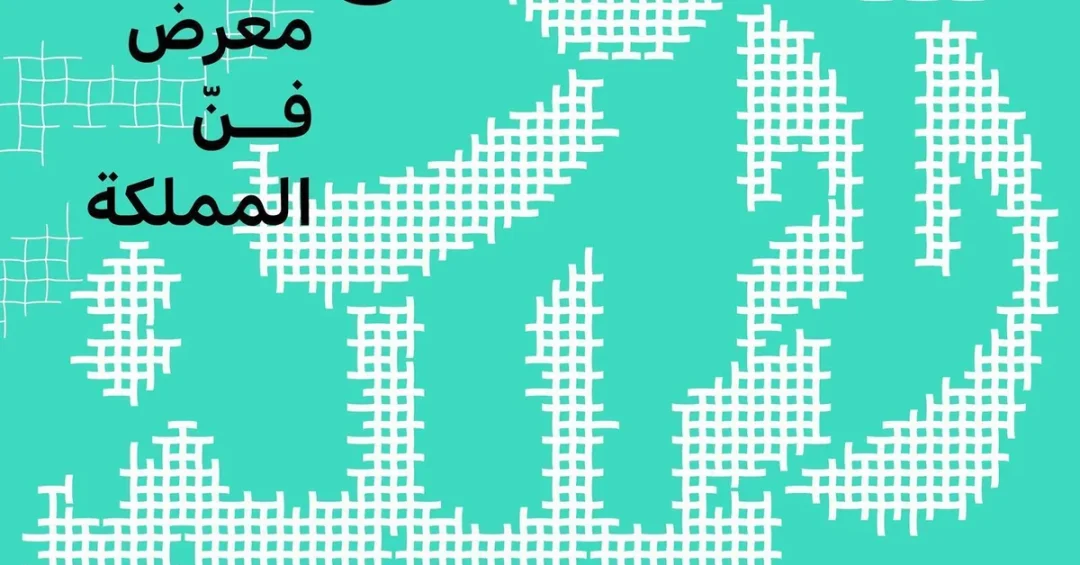
The Museums Commission has announced that “Art of the Kingdom: Poetic Illuminations,” the first traveling group exhibition of Saudi contemporary artists, will open at the Saudi Arabia Museum of Contemporary Art at Jax District (SAMoCA@Jax) in Riyadh on February 24, 2025, running until April 24, 2025. The announcement, released through official Saudi channels including the Saudi Press Agency, marks the Riyadh homecoming of an exhibition that first debuted at the historic Paço Imperial in Rio de Janeiro, Brazil, in November 2024, where it attracted 26,000 visitors. The exhibition presents works by 17 prominent Saudi artists spanning different generations, regions, and artistic practices, from paintings and installations to video works that illuminate the Kingdom’s history, collective memory, and cultural traditions.
The Riyadh edition represents far more than a simple return of artworks to Saudi soil. It signals the growing international confidence in Saudi Arabia’s contemporary art scene and reflects the Museums Commission’s strategic ambition to position the Kingdom as a global cultural destination. Organized by the Museums Commission, the exhibition will later travel to the National Museum in China, coinciding with the 25th anniversary of the establishment of Saudi-Chinese diplomatic relations. How often does a single exhibition carry the cultural weight of an entire nation’s creative renaissance? In this case, the answer is clear: this is a landmark moment for Saudi contemporary art and for the Kingdom’s expanding role in global cultural diplomacy.
Context and Background
What makes “Art of the Kingdom: Poetic Illuminations” such a significant milestone in Saudi Arabia’s cultural journey? The exhibition’s origins trace back to November 2024, when it debuted at the Paço Imperial in Rio de Janeiro, Brazil. That inaugural edition drew 26,000 visitors, a remarkable figure that demonstrated genuine international appetite for Saudi artistic expression. The choice of Brazil as the first host country was deliberate, reflecting Saudi Arabia’s broader strategy of building cultural bridges with nations across the Global South and beyond. The Paço Imperial, a historic colonial-era building with its own layered past, provided a compelling counterpoint to the contemporary works on display, creating a dialogue between heritage and modernity that resonated with audiences.
The exhibition is organized by the Museums Commission, a key institution under Saudi Arabia’s Ministry of Culture, which has been tasked with developing the Kingdom’s museum infrastructure and promoting Saudi cultural heritage and contemporary creativity on the world stage. The Commission’s decision to mount a traveling exhibition of this scale underscores its commitment to exporting Saudi artistic talent rather than simply importing international exhibitions. This outbound cultural strategy is a relatively new development in Saudi Arabia’s cultural policy, and it reflects the confidence that has grown alongside the Kingdom’s broader social and economic transformation.
Following its Riyadh presentation, the exhibition will travel to the National Museum in China later in 2025, marking the 25th anniversary of Saudi-Chinese diplomatic relations. This itinerary, from Brazil to Saudi Arabia to China, forms a deliberate arc across three continents, positioning Saudi contemporary art within a genuinely global conversation. The Museums Commission has emphasized that the Riyadh edition will feature newly commissioned site-specific works created specifically for SAMoCA@Jax, distinguishing it from the Brazilian debut and ensuring that Saudi audiences experience something entirely unique.
Key Details
Who are the artists shaping this extraordinary exhibition, and what can visitors expect to encounter? The roster of 17 participating artists reads like a who’s who of Saudi contemporary art, spanning multiple generations and diverse artistic practices. Among the featured artists are Muhannad Shono, whose conceptual installations have earned international acclaim; Manal AlDowayan, a leading figure in Saudi contemporary art known for her explorations of gender, memory, and social transformation; Ahmed Mater, one of the Kingdom’s most recognized artists globally; and Ayman Zedani, whose work engages with themes of nature and technology.
The full list includes Lina Gazzaz, Moath Alofi, Ahaad Alamoudi, Shadia Alem, Faisal Samra, Ayman Yossri Daydban, Daniah Al Saleh, Filwa Nazer, Sarah Brahim, Ahmad Angawi, Nasser Al Salem, Basmah Felemban, and Fatma Abdulhadi. This diversity of names reflects the Museums Commission’s deliberate effort to represent the full breadth of Saudi artistic practice, from established pioneers to emerging voices. The inclusion of artists from different regions of the Kingdom further enriches the exhibition’s portrayal of Saudi cultural identity.
The artworks on display encompass a wide range of media, including paintings, installations, and video works. According to the official announcement, these works shed light on Saudi Arabia’s history, collective memory, and cultural traditions. The exhibition’s title, “Poetic Illuminations,” suggests a curatorial approach that values nuance, beauty, and intellectual depth. The newly commissioned site-specific works for SAMoCA@Jax are particularly significant because they will engage directly with the museum’s architecture and the surrounding Jax District, creating a unique dialogue between the art and its Riyadh context that cannot be replicated elsewhere.
International and Regional Impact
How does a traveling exhibition of Saudi contemporary art reshape international perceptions of the Kingdom? The debut in Rio de Janeiro provided early evidence that Saudi art can attract substantial international audiences when given a prominent platform. The 26,000 visitors who attended the Brazilian edition were not simply curious observers; they were engaging with Saudi narratives through the universal language of contemporary art. This kind of cultural exchange builds understanding that transcends political and economic diplomacy, creating lasting connections between peoples.
The upcoming presentation at the National Museum in China carries additional significance given the 25th anniversary of Saudi-Chinese diplomatic relations. Cultural diplomacy has become an increasingly important pillar of the Saudi-Chinese relationship, complementing robust economic and energy ties. By bringing Saudi contemporary art to one of China’s most prestigious museums, the Museums Commission is signaling that the bilateral relationship extends into the cultural sphere, where shared appreciation for artistic innovation can flourish. For regional audiences in the Gulf and broader Middle East, the exhibition’s success also demonstrates that Saudi Arabia is becoming a cultural exporter, not merely a consumer of global art trends.
Economic and Strategic Significance
What economic and strategic value does the exhibition generate beyond its artistic merits? The cultural sector in Saudi Arabia has become a significant contributor to the Kingdom’s economic diversification efforts. Museums, exhibitions, and cultural events attract tourists, generate employment, and stimulate related industries such as hospitality, retail, and creative services. The presence of a world-class exhibition at SAMoCA@Jax enhances the Jax District’s profile as a cultural destination within Riyadh, drawing visitors who might otherwise overlook the area. This aligns with broader efforts to develop Riyadh as a global city capable of competing with established cultural capitals.
Strategically, the exhibition supports Saudi Arabia’s soft power objectives by presenting the Kingdom’s creative achievements to international audiences. In a world where national image is shaped as much by cultural output as by economic indicators, exhibitions like “Art of the Kingdom” serve as powerful ambassadors. The Museums Commission’s investment in traveling exhibitions reflects an understanding that cultural diplomacy yields long-term returns in terms of international goodwill, tourism interest, and business confidence. The exhibition also strengthens the domestic creative economy by providing Saudi artists with international exposure, which can lead to further commissions, collaborations, and market opportunities.
Vision 2030 Alignment
How does this exhibition embody the aspirations of Saudi Vision 2030? Vision 2030 places culture at the heart of the Kingdom’s transformation, recognizing that a vibrant cultural sector enriches quality of life, strengthens national identity, and contributes to economic diversification. The Museums Commission’s work, including “Art of the Kingdom: Poetic Illuminations,” directly supports these goals by developing museum infrastructure, nurturing artistic talent, and promoting Saudi culture internationally. The exhibition’s journey from Rio de Janeiro to Riyadh to Beijing illustrates the global reach that Vision 2030 envisions for Saudi cultural institutions.
As Saudi Arabia continues its remarkable transformation, exhibitions like this one remind the world that the Kingdom’s story is told not only through economic figures and infrastructure projects but also through the creative expressions of its people. The 17 artists featured in “Art of the Kingdom” represent the diversity, ambition, and talent that define contemporary Saudi culture. Their works will now be seen by audiences in Riyadh, and later in China, carrying forward a narrative of a nation confident in its heritage and excited about its future. The exhibition opens on February 24, 2025, at SAMoCA@Jax and runs until April 24, 2025, offering visitors a unique opportunity to experience the best of Saudi contemporary art in the heart of the Kingdom’s capital.
20 Questions
Q1. What is the name of the exhibition opening at SAMoCA@Jax?
A1. The exhibition is titled “Art of the Kingdom: Poetic Illuminations.” It is the first traveling group exhibition of Saudi contemporary artists, organized by the Museums Commission.
Q2. When does the exhibition open and close in Riyadh?
A2. The exhibition opens on February 24, 2025, and runs until April 24, 2025, at the Saudi Arabia Museum of Contemporary Art at Jax District in Riyadh.
Q3. How many Saudi artists are featured in the exhibition?
A3. The exhibition features works by 17 prominent Saudi artists from different generations, regions, and artistic practices, showcasing the diversity of the Kingdom’s contemporary art scene.
Q4. Where did the exhibition debut before coming to Riyadh?
A4. It debuted at the historic Paço Imperial in Rio de Janeiro, Brazil, in November 2024, where it attracted 26,000 visitors during its initial run.
Q5. Which organization is behind the exhibition?
A5. The Museums Commission, a key institution under Saudi Arabia’s Ministry of Culture, organized the exhibition as part of its efforts to promote Saudi art globally.
Q6. What types of artworks are included in the exhibition?
A6. The exhibition includes paintings, installations, and video works that shed light on Saudi Arabia’s history, collective memory, and cultural traditions through diverse contemporary artistic practices.
Q7. Will the Riyadh edition differ from the Brazil debut?
A7. Yes, the Riyadh edition will feature newly commissioned site-specific works created specifically for SAMoCA@Jax, distinguishing it from the inaugural Brazilian presentation.
Q8. Where will the exhibition travel after Riyadh?
A8. After Riyadh, the exhibition will be presented at the National Museum in China later in 2025, marking the 25th anniversary of Saudi-Chinese diplomatic relations.
Q9. Who are some of the prominent artists participating?
A9. Prominent artists include Muhannad Shono, Manal AlDowayan, Ahmed Mater, Ayman Zedani, Lina Gazzaz, Moath Alofi, and many other leading Saudi contemporary artists.
Q10. What is SAMoCA@Jax?
A10. SAMoCA@Jax is the Saudi Arabia Museum of Contemporary Art at Jax District, a major cultural venue in Riyadh dedicated to showcasing contemporary art from the Kingdom and beyond.
Q11. Why is this exhibition significant for Saudi Arabia?
A11. It represents the first traveling group exhibition of Saudi contemporary artists, demonstrating the Kingdom’s growing cultural confidence and its commitment to sharing Saudi artistic narratives globally.
Q12. How does the exhibition support Vision 2030?
A12. It supports Vision 2030 by developing the cultural sector, promoting Saudi artists internationally, attracting cultural tourism, and enhancing the Kingdom’s global cultural presence.
Q13. What was the attendance figure for the Brazil debut?
A13. The exhibition attracted 26,000 visitors at the Paço Imperial in Rio de Janeiro, demonstrating strong international interest in Saudi contemporary art.
Q14. What themes do the artworks explore?
A14. The artworks explore Saudi Arabia’s history, collective memory, and cultural traditions, offering international audiences insight into the Kingdom’s rich heritage and contemporary creative expression.
Q15. How many artists are from different generations?
A15. The 17 featured artists span multiple generations, from established pioneers to emerging voices, reflecting the depth and continuity of Saudi Arabia’s artistic development.
Q16. What is the significance of the China presentation?
A16. The China presentation coincides with the 25th anniversary of Saudi-Chinese diplomatic relations, highlighting cultural diplomacy as a key pillar of the bilateral relationship.
Q17. Who announced the exhibition?
A17. The Museums Commission announced the exhibition through an official press release, with information disseminated via the Saudi Press Agency and other official Saudi channels.
Q18. What can visitors expect at the Riyadh exhibition?
A18. Visitors can expect a diverse collection of paintings, installations, and video works, including newly commissioned site-specific pieces created exclusively for the SAMoCA@Jax venue.
Q19. How does this exhibition contribute to cultural diplomacy?
A19. By touring internationally, the exhibition builds cultural bridges, fosters mutual understanding, and presents Saudi Arabia’s creative achievements to global audiences in Brazil, China, and beyond.
Q20. What does the exhibition’s title “Poetic Illuminations” suggest?
A20. The title suggests a curatorial approach valuing nuance, beauty, and intellectual depth, illuminating Saudi Arabia’s cultural narratives through poetic and thought-provoking contemporary artworks.
Reader Feedback
We value your thoughts. Please share your feedback on this article.
Your feedback helps us improve our coverage.
Related articles
 Diriyah Art Futures Diversifies Cultural Activities in February
 Saudi Cultural Mission Shines at Cairo Book Fair
 King’s Camel Festival: Award Swords Feature Traditional Arts to Mark the Year of Handicrafts
 Manga Productions Wins Saudi Media Forum Award
 Riyadh Art Unveils Davide Rivalta Sculptures at Al-Nafal Park
 Najrani Wheat: A Ramadan Tradition Rooted in Saudi Heritage