


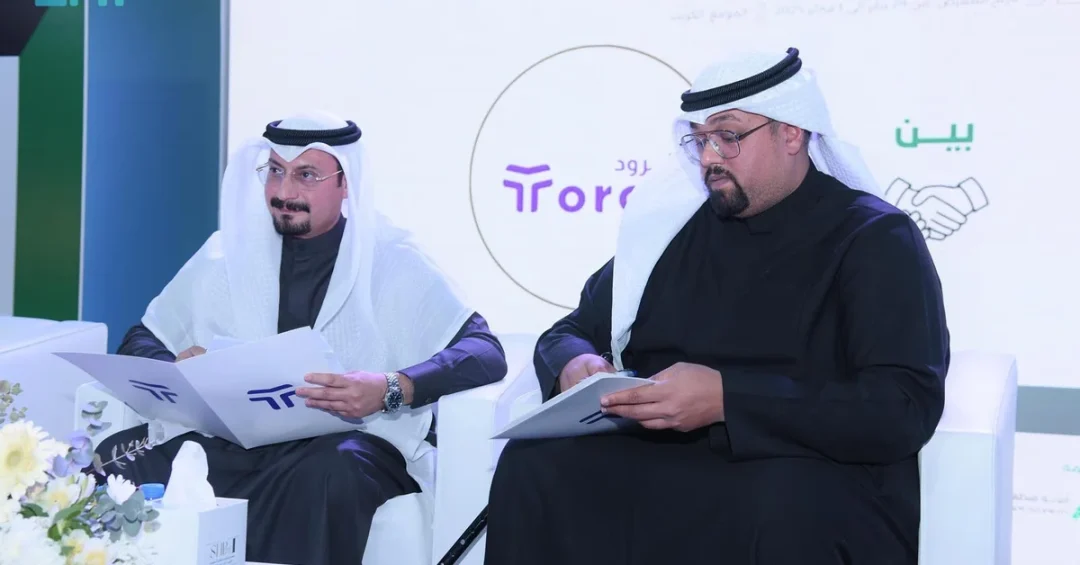
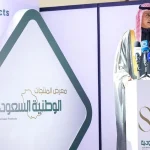
Fourteen agreements worth more than SAR200 million were signed on the second day of the Saudi National Products Expo (SNP Expo 2) in Kuwait, according to the Saudi Press Agency. The deals, concluded at the Kuwait International Exhibition headquarters, were accompanied by several memorandums of understanding designed to strengthen consultation and cooperation between Saudi and Kuwaiti businesses. The agreements mark a significant step in promoting national industries and attracting investment into a vital sector that sits at the heart of the Kingdom’s economic transformation.
The expo, which brings together industry leaders, investors, and manufacturers from across Saudi Arabia, has quickly established itself as a leading platform for showcasing Saudi industrial products and innovations. For international observers, the event offers a clear signal that Saudi Arabia’s non-oil economy is expanding beyond its borders, with Kuwait serving as a key Gulf partner. Why does this matter now? Because it demonstrates that Saudi goods and services are increasingly competitive regionally, and that Saudi firms are ready to build long-term commercial relationships across the Gulf Cooperation Council (GCC).
Context and Background
What makes the SNP Expo 2 significant is the broader economic moment in which it takes place. Saudi Arabia has been steadily diversifying its export base as part of Vision 2030, the national strategy launched under the leadership of Crown Prince Mohammed bin Salman to reduce dependence on oil revenues and build a resilient, knowledge-driven economy. The Kingdom’s industrial sector has benefited from targeted investment, regulatory reform, and a growing ecosystem of small and medium-sized enterprises (SMEs) supported by agencies such as the Saudi Export Development Authority (Saudi Exports) and the Ministry of Industry and Mineral Resources.
Kuwait has long been one of Saudi Arabia’s closest trading partners, and the two countries share deep historical, cultural, and economic ties. The expo builds on that relationship by giving Saudi manufacturers a direct route to Kuwaiti buyers, distributors, and investors. The second-day agreements, valued at over SAR200 million, reflect the confidence that Kuwaiti partners have in Saudi products and the seriousness with which both sides approach economic integration. For a region that is increasingly focused on supply-chain resilience, this kind of cross-border commercial activity is not merely symbolic; it is practical and mutually beneficial.
The event also fits into a wider pattern of Saudi-Kuwaiti cooperation, including joint infrastructure projects, energy collaboration, and coordination within the GCC. By hosting a national products expo in Kuwait, Saudi Arabia is signaling that its industrial output is ready for regional markets and that it welcomes reciprocal trade and investment. How often do regional expos translate into concrete deals of this size? In this case, the answer is clear: the second day alone produced more than a dozen agreements and multiple memorandums of understanding.
Key Details of the Second-Day Agreements
The fourteen agreements signed on the second day cover a range of sectors, from manufacturing and food processing to building materials, consumer goods, and industrial services. While the Saudi Press Agency report did not itemize every deal, it confirmed that the total investment value exceeded SAR200 million and that the agreements were accompanied by memorandums of understanding aimed at enhancing consultations and strengthening cooperation. These MOUs are important because they create frameworks for future collaboration, joint ventures, and knowledge exchange, rather than one-off transactions.
The expo itself is designed to maximize deal-making. It offers Saudi producers a dedicated space to present their products to Kuwaiti buyers, showcase innovations, and negotiate purchasing prospects. For many Saudi companies, especially SMEs, this kind of exposure is invaluable. It allows them to broaden their customer base, test market demand, and build relationships that can lead to repeat business. The presence of industry leaders and investors on both sides ensures that the conversations are not limited to short-term sales but extend to long-term partnerships and supply agreements.
Several Saudi entities have been instrumental in organizing and supporting the event, including the Saudi Export Development Authority, the Saudi Chamber of Commerce and Industry, and the Ministry of Commerce. Their involvement underscores the government’s commitment to helping Saudi businesses internationalize and to promoting the Kingdom as a source of high-quality, reliable products. The expo also aligns with the National Industrial Development and Logistics Program (NIDLP), one of Vision 2030’s key execution programs, which aims to transform Saudi Arabia into a leading industrial power and logistics hub.
International and Regional Impact
What does this development mean for the wider region? For Kuwait and other GCC states, the expo provides access to a growing range of Saudi-made goods, from processed foods to construction materials and advanced manufactured products. This can help diversify import sources, reduce costs, and strengthen intra-Gulf trade. It also reinforces the idea of a more integrated Gulf economy, where each country leverages its comparative advantages and where cross-border investment flows more freely.
For international audiences, the expo is a reminder that Saudi Arabia’s economic story is not only about oil, mega-projects, or tourism. It is also about the steady, less headline-grabbing work of building an export-oriented industrial base. The Kingdom’s manufacturers are increasingly able to compete on quality and price, and they are actively seeking partners abroad. The agreements signed in Kuwait are a tangible expression of that ambition, and they are likely to encourage similar events and deals in other regional markets.
From a diplomatic perspective, the expo strengthens Saudi-Kuwaiti relations at a time when Gulf unity is a priority for regional stability and prosperity. Economic cooperation often paves the way for closer political coordination, and the success of SNP Expo 2 sends a positive signal about the health of the bilateral relationship. It also complements broader Saudi efforts to deepen ties with neighboring countries through trade, investment, and cultural exchange.
Economic and Strategic Significance
The SAR200 million in agreements is a modest figure by the standards of Saudi Arabia’s overall economy, but its strategic value is considerable. It demonstrates that Saudi products can win contracts in competitive regional markets, and it provides a template for other exporters. The MOUs signed alongside the deals could lead to larger, multi-year collaborations, especially if Saudi firms prove reliable and innovative. For the Kingdom’s industrial strategy, these early wins are essential confidence-builders.
Moreover, the expo supports the growth of non-oil exports, a key objective of Vision 2030. Increasing non-oil exports helps stabilize the economy, creates jobs, and reduces vulnerability to oil-price fluctuations. The Saudi government has set ambitious targets for non-oil exports, and events like SNP Expo 2 contribute directly to those goals by connecting Saudi producers with foreign buyers. They also help attract foreign direct investment into Saudi manufacturing, as international firms see the Kingdom’s industrial capabilities firsthand.
Another strategic dimension is the development of Saudi SMEs. Many of the companies participating in the expo are smaller enterprises that may not have the resources to enter foreign markets alone. By organizing a national pavilion in Kuwait, the government and business associations lower the barriers to entry and provide a supportive environment for these firms to take their first international steps. This, in turn, strengthens the domestic industrial ecosystem and fosters innovation.
Vision 2030 Alignment
The SNP Expo 2 and the agreements it produced are a direct reflection of Vision 2030’s core objectives: economic diversification, private-sector growth, and expanded international trade. The Kingdom’s leadership has consistently emphasized that Saudi Arabia’s future prosperity depends on its ability to compete globally, not just in energy but in goods and services. The expo is one of many initiatives—alongside the Public Investment Fund’s (PIF) industrial investments, the National Industrial Development and Logistics Program, and the Saudi Export Development Authority’s export-promotion campaigns—that are turning that vision into reality.
Looking ahead, the success of this expo in Kuwait is likely to encourage more such events in other countries, further integrating Saudi products into regional and global supply chains. It also reinforces the message that Saudi Arabia is open for business and that its industrial sector is a reliable partner. As the Kingdom continues its transformation, milestones like the fourteen agreements signed on day two will be remembered as small but meaningful steps toward a diversified, export-driven economy that benefits both Saudi Arabia and its partners. What better way to demonstrate the promise of Vision 2030 than through tangible deals that create value on both sides of the border?
20 Questions
Q1. What was the main outcome of the second day of the Saudi National Products Expo in Kuwait?
A1. Fourteen agreements worth more than SAR200 million were signed, along with several memorandums of understanding to enhance cooperation and consultations between Saudi and Kuwaiti businesses.
Q2. Where was the Saudi National Products Expo held?
A2. The expo took place at the Kuwait International Exhibition headquarters, providing a dedicated venue for Saudi manufacturers to showcase their products to Kuwaiti buyers and investors.
Q3. What is the total value of the agreements signed on the second day?
A3. The agreements signed on the second day exceeded SAR200 million in investment value, according to the Saudi Press Agency, reflecting strong demand for Saudi products in the Kuwaiti market.
Q4. What is the purpose of the Saudi National Products Expo?
A4. The expo serves as a platform to promote national industries, showcase Saudi industrial products and innovations, and facilitate deal-making, purchasing prospects, and customer base expansion for Saudi product owners.
Q5. How does the expo align with Saudi Vision 2030?
A5. It directly supports Vision 2030 goals by promoting non-oil exports, diversifying the economy, fostering private-sector growth, and strengthening international trade ties, particularly within the Gulf region.
Q6. Which Saudi entities are involved in organizing the expo?
A6. Key entities include the Saudi Export Development Authority, the Ministry of Commerce, and the Saudi Chamber of Commerce and Industry, all of which support Saudi businesses in international markets.
Q7. What types of agreements were signed?
A7. The agreements cover various sectors such as manufacturing, food processing, building materials, consumer goods, and industrial services, along with memorandums of understanding for future collaboration.
Q8. Why is Kuwait an important market for Saudi products?
A8. Kuwait is a close neighbor and a key Gulf trading partner with deep historical and economic ties to Saudi Arabia, making it a natural market for Saudi exports and investment.
Q9. How many memorandums of understanding were signed?
A9. Several memorandums of understanding were signed alongside the fourteen agreements, aimed at enhancing consultations and strengthening cooperation between Saudi and Kuwaiti entities.
Q10. What benefits do Saudi SMEs gain from the expo?
A10. Saudi small and medium-sized enterprises gain access to international buyers, opportunities to test market demand, and a supportive environment to take their first steps toward exporting their products.
Q11. How does the expo contribute to Saudi Arabia’s non-oil export goals?
A11. By connecting Saudi producers with foreign buyers and facilitating concrete deals, the expo helps increase non-oil exports, a key objective of Vision 2030 to reduce dependence on oil revenues.
Q12. What role does the Saudi Export Development Authority play?
A12. The authority supports Saudi exporters by providing market intelligence, organizing trade missions and expos, and helping businesses navigate international regulations and opportunities.
Q13. What is the significance of the SAR200 million figure?
A13. It demonstrates that Saudi products can win substantial contracts in competitive regional markets, building confidence among Saudi manufacturers and encouraging further export activity.
Q14. How does the expo strengthen Saudi-Kuwaiti relations?
A14. By facilitating economic cooperation and business partnerships, the expo reinforces the strong bilateral relationship between the two countries and supports greater Gulf economic integration.
Q15. What is the National Industrial Development and Logistics Program?
A15. NIDLP is a Vision 2030 execution program aimed at transforming Saudi Arabia into a leading industrial power and logistics hub, supporting sectors like manufacturing, mining, and energy.
Q16. Will there be more Saudi National Products Expos in the future?
A16. While specific future events have not been announced, the success of SNP Expo 2 is likely to encourage similar initiatives in other regional markets as part of Saudi Arabia’s export promotion strategy.
Q17. How do these agreements benefit Kuwaiti businesses?
A17. Kuwaiti businesses gain access to high-quality Saudi products, diversified supply sources, and opportunities for joint ventures and long-term partnerships with Saudi manufacturers.
Q18. What sectors are expected to grow from these agreements?
A18. Sectors such as manufacturing, food processing, building materials, and consumer goods are expected to benefit, along with logistics and industrial services that support cross-border trade.
Q19. How does the expo reflect Saudi Arabia’s economic transformation?
A19. It shows that Saudi Arabia is moving beyond oil to build a competitive, export-oriented industrial base, in line with Vision 2030’s goals of diversification and private-sector growth.
Q20. What is the next step for Saudi Arabia after this expo?
A20. The next step is to build on these agreements by ensuring successful implementation, expanding into new markets, and continuing to support Saudi exporters through government programs and trade missions.
Reader Feedback
We value your thoughts. Please share your feedback on this article.
Your feedback helps us improve our coverage.
Related articles
 Saudi Non-Oil Exports to GCC Reach SAR9.4 Billion
 New Murabba Showcases Vision for Future of Urban Living at Real Estate Future Forum
 Mawani Wins Logistics Hub of the Year at ShipTek 2025
 SNP Expo in Kuwait Discusses Export Industry Challenges
 From Jazan to the World: Saudi Coffee’s Global Rise
 Saudi Coffee Company Awards Winners of Second Sip of Excellence Competition