


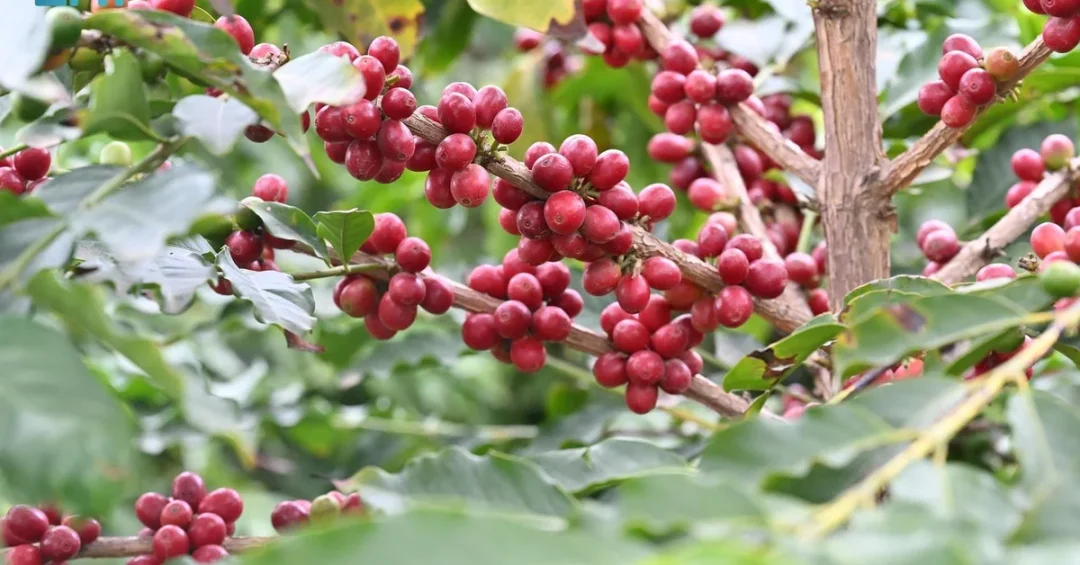
Saudi Arabia’s coffee heritage has reached a historic milestone as the International Saudi Coffee Exhibition 2025 opens in Jazan, celebrating a transformation that has seen coffee cultivation in the region expand from just 60,736 trees in 2013 to more than 400,000 trees producing over 1,000 tons annually. Organized by the Jazan Region Development Strategic Office and announced via the Saudi Press Agency, the nine-day exhibition honors the exceptional harvests of specialized farms producing the finest types of coffee while recognizing the significant efforts made to increase production in line with Saudi Vision 2030. Have you ever wondered how a mountainous corner of the Kingdom became a global ambassador for Saudi coffee?
The event builds on more than a decade of dedicated work through the annual coffee festival hosted in Al-Dayer Governorate since its inception in November 2013. That festival has been instrumental in supporting coffee farmers as they overcame the challenges of cultivating coffee in mountainous terrain, leading to the widespread cultivation of coffee trees across the governorates of Al-Dayer, Fayfa, Al-Raith, Haroub, Al-Edabi, and Al-Ardah. The exhibition therefore represents far more than a trade fair: it is the culmination of years of patient investment in agriculture, culture, and community, and a clear statement that Saudi coffee is ready for the world stage. What does it take for a nation to turn a traditional crop into a symbol of national pride and economic promise?
Context and Background
Is it widely known that coffee has been cultivated in the highlands of Jazan for centuries, long before it became a global commodity? The Kingdom’s southwestern region, with its terraced mountains and distinctive microclimate, has historically produced some of the most aromatic beans in the Arabian Peninsula. However, for much of the modern era, this heritage remained largely local, cultivated by family farms using traditional methods and sold in limited quantities. The launch of the annual coffee festival in Al-Dayer Governorate in November 2013 marked a deliberate turning point, transforming an inherited tradition into an organized, supported, and increasingly commercial sector.
From the outset, the festival was designed to do more than celebrate. It provided farmers with access to training, agricultural extension services, and a marketplace for their premium beans. The Jazan Region Development Strategic Office coordinated these efforts, helping growers navigate the difficulties of cultivating coffee in steep, mountainous terrain where mechanization is limited and every harvest depends on careful manual labor. Over successive seasons, these interventions produced measurable results: coffee cultivation grew from 60,736 trees across 592 farms at the time of the first festival to over 400,000 trees on more than 2,000 farms today. Annual production now exceeds 1,000 tons, a figure that underscores both the scale of the achievement and the potential that remains.
This progress reflects a broader national awakening around agricultural identity. As Saudi Arabia diversifies its economy and celebrates its regional cultures, coffee has emerged as a powerful symbol of both heritage and modernization. The International Saudi Coffee Exhibition 2025 is the natural next step, inviting international coffee experts to witness firsthand the farmers’ dedication to producing world-class coffee, from cultivation to the final cup.
Key Details of the International Saudi Coffee Exhibition 2025
What can visitors expect from an exhibition that brings together farmers, roasters, and international experts under one roof? According to the Saudi Press Agency, the exhibition will run for nine days and will feature cultural programs, specialized pavilions, a farmers’ market, art exhibitions, and various performing arts. Coffee farmers are set to showcase their premium beans, offering a rare opportunity for global buyers and enthusiasts to engage directly with the producers behind Saudi Arabia’s rising coffee reputation. The event is organized by the Jazan Region Development Strategic Office, the same body that has stewarded the annual festival since 2013.
The exhibition’s structure reflects a holistic approach to sector development. Specialized pavilions will highlight different stages of the coffee value chain, from seedling nurseries and sustainable farming practices to roasting techniques and brewing methods. The farmers’ market gives producers a direct commercial channel, while art exhibitions and performing arts programming reinforce the cultural dimensions of coffee as a living heritage. International coffee experts attending the event will have the chance to evaluate the quality of Saudi beans and explore partnerships that could expand their global reach.
Importantly, the exhibition also recognizes the significant efforts made to increase production and supports the national economy in line with the goals of Saudi Vision 2030. By connecting local farmers with international markets and knowledge, the event helps translate agricultural success into sustainable economic opportunity. The nine-day format allows for in-depth engagement rather than a fleeting showcase, ensuring that relationships formed during the exhibition can mature into long-term trade and collaboration.
International and Regional Impact
How does a regional coffee exhibition in Jazan resonate on the global stage? The answer lies in the universal language of coffee. As one of the world’s most traded commodities, coffee connects producers and consumers across continents, and Saudi Arabia’s emergence as a quality-focused origin adds a new dimension to that global conversation. By inviting international experts to Jazan, the Kingdom is not simply presenting a product; it is positioning itself as a serious participant in the specialty coffee movement, where traceability, terroir, and craftsmanship command premium prices.
Regionally, the exhibition strengthens Saudi Arabia’s ties with neighboring countries that share a deep coffee culture, particularly Yemen, which has long been celebrated for its distinctive beans. The event also aligns with the Kingdom’s broader diplomatic and economic outreach, showcasing a sector that embodies both tradition and innovation. For international audiences, the story of Jazan’s coffee renaissance offers a compelling counterpoint to conventional narratives about the region, highlighting a Saudi Arabia that is investing in rural development, empowering small-scale farmers, and preserving cultural heritage while embracing global markets.
Economic and Strategic Significance
What does the growth of coffee cultivation mean for Saudi Arabia’s economic diversification? The numbers tell a story of rising productivity and rural prosperity. The expansion from 592 farms to over 2,000 farms, and from 60,736 trees to more than 400,000, represents a significant injection of economic activity into the Jazan region. Coffee farming creates jobs, supports ancillary industries such as processing, packaging, and tourism, and helps stem rural-to-urban migration by making agriculture a viable livelihood. With production exceeding 1,000 tons annually, the sector is approaching a scale where it can attract further investment in roasting, branding, and export infrastructure.
Strategically, coffee fits squarely within Vision 2030’s goals of diversifying income sources and developing non-oil sectors. The Kingdom has identified agriculture and food processing as priority areas, and coffee’s high value-to-weight ratio makes it an attractive export commodity. By building a reputation for premium Saudi coffee, the country can capture value in a global market that increasingly rewards origin stories and sustainable practices. The International Saudi Coffee Exhibition 2025 serves as a catalyst, bringing together the stakeholders needed to move from production growth to market development.
Vision 2030 Alignment
How does a cup of Jazan coffee connect to the Kingdom’s long-term vision? At its core, Vision 2030 is about unlocking the potential of Saudi people and regions, and the coffee sector exemplifies that ambition. The Jazan Region Development Strategic Office has worked for over a decade to turn a local tradition into a source of pride and prosperity, directly supporting the Vision’s objectives of economic diversification, community empowerment, and cultural preservation. The exhibition celebrates these efforts and sets the stage for the next phase of growth.
As Saudi coffee travels from the terraced farms of Al-Dayer, Fayfa, Al-Raith, Haroub, Al-Edabi, and Al-Ardah to international markets, it carries with it a message of quality, resilience, and heritage. The International Saudi Coffee Exhibition 2025 is more than an event; it is an invitation to the world to discover a new origin and to share in the success of a nation transforming its economy while honoring its roots. With each harvest, the journey from Jazan to the world grows stronger, brewing a future as rich and promising as the beans themselves.
20 Questions
Q1. What is the International Saudi Coffee Exhibition 2025?
A1. It is a nine-day event in Jazan organized by the Jazan Region Development Strategic Office, celebrating exceptional coffee harvests, supporting farmers, and promoting Saudi coffee globally in line with Saudi Vision 2030.
Q2. Where is the exhibition being held?
A2. The exhibition is held in the Jazan region of Saudi Arabia, the heartland of the Kingdom’s coffee cultivation, where the annual coffee festival has been hosted in Al-Dayer Governorate since November 2013.
Q3. When did the annual coffee festival first begin?
A3. The annual coffee festival in Al-Dayer Governorate was first launched in November 2013, marking the beginning of a decade-long effort to support coffee farmers and expand cultivation across Jazan’s mountainous governorates.
Q4. How many coffee trees were there when the first festival started?
A4. At the launch of the first festival in 2013, Jazan had 60,736 coffee trees across 592 farms. Today, that number has grown to over 400,000 trees on more than 2,000 farms.
Q5. What is the current annual coffee production in Jazan?
A5. Annual coffee production in Jazan now exceeds 1,000 tons, reflecting the success of years of farmer support, agricultural training, and investment in cultivation across the region’s mountainous terrain.
Q6. Which governorates in Jazan are known for coffee cultivation?
A6. Coffee trees are widely cultivated in the governorates of Al-Dayer, Fayfa, Al-Raith, Haroub, Al-Edabi, and Al-Ardah, where the mountainous terrain and climate provide ideal conditions for premium coffee.
Q7. Who organizes the International Saudi Coffee Exhibition 2025?
A7. The exhibition is organized by the Jazan Region Development Strategic Office, the same body that has overseen the annual coffee festival since its inception, ensuring continuity and strategic alignment with national goals.
Q8. What activities will take place at the exhibition?
A8. The exhibition features cultural programs, specialized pavilions, a farmers’ market, art exhibitions, and various performing arts, offering visitors a comprehensive experience of Saudi coffee culture and commerce.
Q9. How long does the exhibition last?
A9. The International Saudi Coffee Exhibition 2025 runs for nine days, giving international coffee experts and visitors ample time to engage with farmers and explore the full coffee value chain.
Q10. What role do coffee farmers play at the exhibition?
A10. Coffee farmers showcase their premium beans, demonstrate their cultivation and processing methods, and connect directly with international experts, buyers, and enthusiasts, helping to build global market opportunities.
Q11. How does the exhibition support Saudi Vision 2030?
A11. It supports Vision 2030 by boosting the national economy, diversifying income sources, empowering rural communities, and promoting cultural heritage, all of which are central objectives of the Kingdom’s long-term transformation plan.
Q12. What challenges have Jazan coffee farmers overcome?
A12. Farmers have overcome the difficulties of cultivating coffee in steep, mountainous terrain, where mechanization is limited and manual labor is essential, through training, support, and the annual festival’s marketplace.
Q13. Why is coffee important to Saudi culture?
A13. Coffee has deep-rooted cultural heritage in the Kingdom, symbolizing hospitality, generosity, and community. It is a staple of Saudi social life and a proud emblem of regional identity, especially in Jazan.
Q14. What benefits does the exhibition bring to the local economy?
A14. The exhibition stimulates local commerce, creates opportunities for farmers and small businesses, attracts visitors to the region, and helps build export channels that can sustain economic growth in Jazan.
Q15. How does the exhibition help Saudi coffee reach international markets?
A15. By inviting international coffee experts to witness the quality of Saudi beans firsthand, the exhibition facilitates trade relationships, quality recognition, and partnerships that can open doors to global specialty coffee markets.
Q16. What types of coffee are produced in Jazan?
A16. Jazan’s specialized farms produce some of the finest types of coffee, benefiting from the region’s high altitude and microclimate. The exhibition celebrates these exceptional harvests and the farmers’ dedication to quality.
Q17. How has the number of coffee farms changed since 2013?
A17. The number of coffee farms has grown from 592 at the time of the first festival to over 2,000 today, demonstrating the effectiveness of sustained support and the growing interest in coffee cultivation.
Q18. What is the significance of the farmers’ market at the exhibition?
A18. The farmers’ market provides a direct commercial platform for producers to sell their beans, interact with buyers, and gain feedback, strengthening the link between cultivation and the final cup.
Q19. How does the exhibition celebrate Saudi coffee heritage?
A19. Through cultural programs, art exhibitions, and performing arts, the exhibition honors coffee’s deep-rooted heritage in the Kingdom, showcasing the traditions and stories that make Saudi coffee unique.
Q20. What does the future hold for Saudi coffee?
A20. With continued support, growing production, and international exposure, Saudi coffee is poised to expand its global presence, contributing to economic diversification and enhancing the Kingdom’s reputation as a quality coffee origin.
Reader Feedback
We value your thoughts. Please share your feedback on this article.
Your feedback helps us improve our coverage.
Related articles
 Saudi Coffee Company Awards Winners of Second Sip of Excellence Competition
 Fitch Affirms Saudi Arabia Credit Rating at A+ Stable Outlook
 Saudi Expo in Kuwait Secures SAR70M in Agreements
 Baghdad International Fair Hosts 55 Saudi Companies
 Saudi National Products Expo in Kuwait Seals SAR300M in Deals
 Al-Baha’s Tihama: Ideal Destination for Beekeepers