


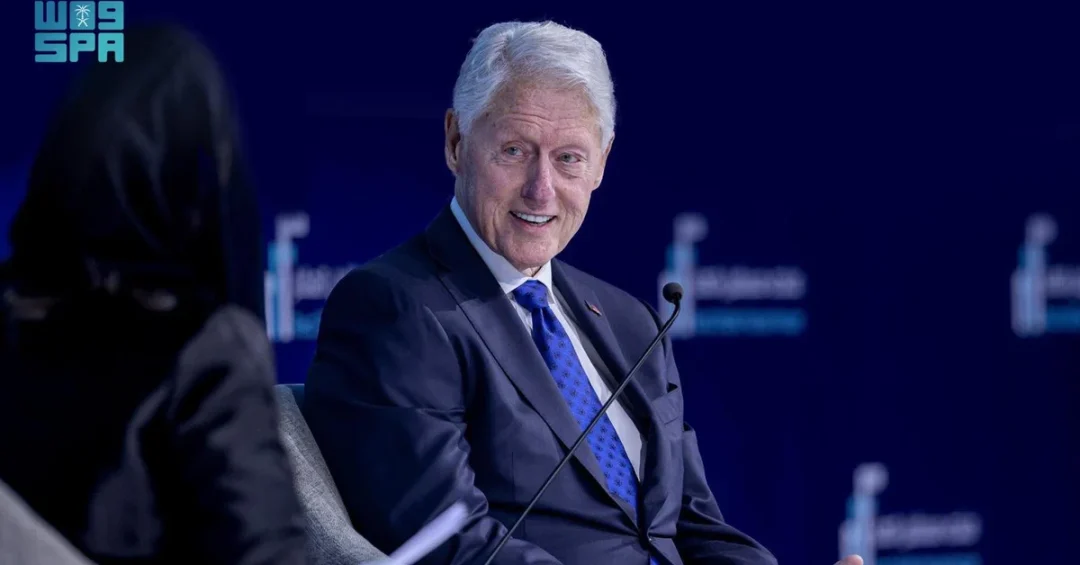
The fourth annual Real Estate Future Forum (RFF 2025) concluded in Riyadh on January 30, 2025, after three days of discussions that drew participants from 120 countries, 500 speakers from the public and private sectors, and a digital audience exceeding 400 million views, according to the Saudi Press Agency (SPA). Organized by the Real Estate General Authority (REGA) in partnership with the Ministry of Municipalities and Housing, the event was held under the theme “Future for Humanity: Shaping Dreams into Reality” and featured more than 34 dialogue sessions and meetings focused on urban planning, sustainable residential communities, real-estate technology, and investment opportunities across the Kingdom. The forum underscored Saudi Arabia’s growing role as a global convenor on urban development issues and highlighted the rapid modernization of its real-estate sector.
The scale of RFF 2025 reflects how central real estate has become to Saudi Arabia’s economic transformation. With 500 speakers representing governments, investment firms, technology companies, and academic institutions, the forum served as a platform for exchanging ideas on how cities can accommodate growing populations while meeting environmental and social sustainability goals. The 400 million digital views illustrate the global appetite for insights emerging from the Kingdom’s urban renaissance. As Saudi Arabia advances toward the goals of Vision 2030, the forum demonstrated that the country is not only building homes and infrastructure but also shaping international best practices in real-estate governance, financing, and innovation. What does it mean for the world when a nation of 35 million people becomes a laboratory for the future of urban living?
Context and Background
Why has the Real Estate Future Forum become such a pivotal event on the global real-estate calendar? Launched four years ago by REGA, the forum was conceived as a response to the rapid changes sweeping through Saudi Arabia’s property market. Under Vision 2030, the Kingdom has set ambitious targets for homeownership, aiming to raise the proportion of Saudi families owning their homes to 70 percent. Achieving that goal requires not only construction at scale but also regulatory reform, innovative financing, and the adoption of digital technologies that make transactions faster and more transparent. The forum has evolved into an annual checkpoint where policymakers, investors, and experts assess progress and chart the next phase of development.
The partnership between REGA and the Ministry of Municipalities and Housing is central to this effort. REGA oversees the regulation and governance of the real-estate sector, while the Ministry manages municipal services and urban planning. Together, they are implementing a comprehensive strategy that includes the Real Estate Registry, zoning reforms, and incentives for developers to build affordable and sustainable housing. The 2025 forum built on the momentum of previous editions, which had already established Riyadh as a meeting point for global real-estate leaders. This year, the addition of high-profile international figures, including former U.S. President Bill Clinton, elevated the forum’s profile further and signaled that Saudi Arabia’s urban transformation is being watched closely by the world’s leading economies.
The timing of RFF 2025 is significant. Global real-estate markets are navigating a period of uncertainty, with interest rates fluctuating, supply chains shifting, and demand for green buildings rising. In this environment, Saudi Arabia’s stable regulatory framework and strong economic fundamentals have made it an attractive destination for international capital. The forum provided a timely opportunity to showcase the Kingdom’s resilience and to discuss how the sector can contribute to diversified, non-oil growth. Isn’t it remarkable that a country once known primarily for its energy exports is now exporting ideas about how to build sustainable cities?
Key Details and Forum Highlights
What specific topics dominated the conversations at RFF 2025? The agenda was broad, covering everything from urban design for residential communities to the integration of real-estate technologies in constructing green buildings. Speakers examined the health, environmental, and social sustainability of new neighborhoods, emphasizing that future communities must be designed with people at the center. Discussions also focused on the Aseer region, which is being developed as a premier global tourism destination, and on the role of real-estate financing and innovative investment methods in enabling homeownership. The forum highlighted the importance of digital transformation in streamlining property registration, mortgage approvals, and construction permits.
One of the most anticipated sessions addressed the intersection of sports and entertainment with real estate. As Saudi Arabia hosts major international events and develops entertainment districts, the demand for hotels, retail spaces, and residential units around stadiums and cultural venues has surged. Speakers noted that this synergy is creating new investment corridors and enhancing the quality of life in cities like Riyadh, Jeddah, and NEOM. The forum also delved into green building value chains, exploring how sustainable materials and energy-efficient designs can reduce environmental impact while lowering long-term costs for residents and developers. These conversations are not abstract; they are directly informing projects that are already under construction across the Kingdom.
Former U.S. President Bill Clinton delivered a special address in which he commended Saudi Arabia’s urban development renaissance. He attributed the progress to wise leadership and an ambitious society committed to building a diversified and robust economy. Clinton underscored that the success of nations hinges on cooperation and innovation, and he pointed to the Kingdom’s ability to blend modernity with history in its urban projects as a model for future aspirations. His remarks resonated with attendees, reinforcing the forum’s message that real estate is not just about buildings but about creating communities that endure. How often does a global gathering of this magnitude produce such a clear consensus on the path forward?
International and Regional Impact
Why does a forum held in Riyadh matter to audiences in Asia, Europe, and the Americas? The participation of 120 countries and 500 speakers demonstrates that Saudi Arabia’s real-estate sector is no longer a regional story; it is a global one. International investors are increasingly looking to the Kingdom for opportunities in logistics, hospitality, residential development, and smart-city infrastructure. The forum facilitated matchmaking between Saudi developers and foreign partners, paving the way for joint ventures that can bring capital, technology, and expertise into the market. For many attendees, the event was an introduction to the scale of Vision 2030 projects and the speed at which they are being implemented.
Regionally, RFF 2025 reinforced Saudi Arabia’s position as a leader in the Gulf’s economic diversification efforts. Neighboring countries are watching the Kingdom’s real-estate reforms closely, as they too seek to attract foreign investment and develop knowledge-based industries. The forum’s emphasis on sustainability and digitalization aligns with broader Middle Eastern trends toward green building and smart urban management. By hosting such a large and diverse event, Saudi Arabia is signaling that it is open for business and ready to collaborate on solutions to shared challenges, from housing affordability to climate resilience. The digital audience of over 400 million views further amplifies this message, reaching stakeholders far beyond those who could attend in person. Could any other country in the region convene such a broad coalition of real-estate stakeholders?
Economic and Strategic Significance
What does the success of RFF 2025 mean for Saudi Arabia’s economy? Real estate is a key pillar of Vision 2030’s economic diversification strategy. The sector contributes directly to GDP, creates jobs, and stimulates demand for construction materials, financial services, and technology. By bringing together investors and decision-makers, the forum helps accelerate deal flow and project approvals. The discussions on affordable housing and innovative financing are particularly important, as they address the practical barriers that can prevent families from achieving homeownership. The government’s commitment to digitizing the real-estate registry and streamlining transactions is expected to reduce friction, increase transparency, and boost investor confidence.
Strategically, the forum supports the Kingdom’s goal of becoming a global investment hub. The presence of top economists and industry experts underscores that Saudi Arabia is integrating into international capital markets and adopting best practices in governance. The focus on green buildings and sustainable communities also aligns with the global energy transition, positioning Saudi real estate as a responsible and forward-looking asset class. As the Kingdom continues to develop mega-projects like NEOM, the Red Sea, and Diriyah, the expertise shared at RFF 2025 will help ensure that these developments meet the highest standards of quality and sustainability. Isn’t it clear that real estate has become a cornerstone of Saudi Arabia’s economic diplomacy?
Vision 2030 Alignment
How does RFF 2025 advance the objectives of Vision 2030? The forum directly supports several Vision 2030 goals, including increasing homeownership, diversifying the economy, and enhancing the quality of life for citizens and residents. By fostering public-private partnerships and showcasing investment opportunities, it contributes to the growth of non-oil sectors and the creation of high-value jobs. The emphasis on sustainability and innovation mirrors the Vision’s commitment to environmental stewardship and technological leadership. Moreover, the forum’s international reach helps attract foreign direct investment, which is essential for funding the Kingdom’s ambitious development pipeline.
Looking ahead, the conversations initiated at RFF 2025 will inform policies and projects for years to come. The insights shared on urban planning, green building, and digital transformation will be integrated into future regulations and development plans. As Saudi Arabia continues its journey toward a vibrant and prosperous future, platforms like the Real Estate Future Forum will remain vital for exchanging knowledge and building partnerships. The Kingdom’s ability to convene global leaders and generate actionable ideas demonstrates its growing influence on the world stage. With each edition, the forum strengthens the foundation for a sustainable, inclusive, and dynamic real-estate sector that benefits not only Saudi Arabia but also the wider world.
20 Questions
Q1. What was the Real Estate Future Forum 2025?
A1. The Real Estate Future Forum 2025 was the fourth annual gathering organized by the Real Estate General Authority in partnership with the Ministry of Municipalities and Housing, held in Riyadh from January 28 to 30, 2025.
Q2. How many countries participated in RFF 2025?
A2. The forum featured broad global participation from 120 countries, with 500 speakers representing both the public and private sectors, according to the Saudi Press Agency.
Q3. What was the theme of RFF 2025?
A3. The theme was “Future for Humanity: Shaping Dreams into Reality,” reflecting the forum’s focus on urban development, sustainability, and innovation in the real-estate sector.
Q4. How many dialogue sessions were held?
A4. More than 34 dialogue sessions and meetings were held over the three-day event, covering topics such as green buildings, real-estate technology, and affordable housing.
Q5. What was the digital audience reach of the forum?
A5. The forum drew a significant digital audience of over 400 million views, demonstrating global interest in Saudi Arabia’s real-estate transformation and Vision 2030 projects.
Q6. Who organized the Real Estate Future Forum?
A6. The forum was organized by the Real Estate General Authority (REGA) in partnership with the Ministry of Municipalities and Housing, two key government bodies overseeing the sector.
Q7. What topics were discussed at RFF 2025?
A7. Discussions covered urban planning, sustainable residential communities, real-estate technologies, green building value chains, real-estate financing, digital transformation, and the impact of sports and entertainment on real estate.
Q8. Did former U.S. President Bill Clinton speak at the forum?
A8. Yes, Bill Clinton delivered a special address commending Saudi Arabia’s urban development renaissance, attributing progress to wise leadership and an ambitious society building a diversified economy.
Q9. What did Bill Clinton say about Saudi Arabia’s urban projects?
A9. He highlighted the Kingdom’s ability to blend modernity with history in its urban projects, calling it a model for future aspirations and emphasizing that national success depends on cooperation and innovation.
Q10. What is the significance of the Aseer region in the discussions?
A10. Sessions examined the potential of the Aseer region as a premier global tourism destination, showcasing its natural beauty and cultural heritage as part of Saudi Arabia’s tourism development strategy.
Q11. How does the forum support affordable housing?
A11. The forum provided a platform to discuss government and private-sector partnerships aimed at providing affordable housing, innovative financing methods, and digital tools to facilitate homeownership.
Q12. What role does real-estate technology play in the sector?
A12. Real-estate technology is crucial for constructing green buildings, improving energy efficiency, streamlining transactions, and enabling smart city development across the Kingdom.
Q13. How does RFF 2025 align with Vision 2030?
A13. The forum supports Vision 2030 goals by promoting economic diversification, increasing homeownership, attracting foreign investment, and enhancing quality of life through sustainable urban development.
Q14. What was said about the Saudi real-estate sector’s resilience?
A14. Speakers noted the sector’s rapid advancements, governance, and digitization, which have strengthened its resilience amid global economic shifts and made it attractive to local and international investment.
Q15. What is the Real Estate Registry’s role in urban planning?
A15. The Real Estate Registry enhances transparency and efficiency in property ownership, supporting urban planning by providing accurate data for infrastructure development and investment decisions.
Q16. How does sports and entertainment impact real estate?
A16. Major sports and entertainment events drive demand for hotels, retail, and residential units, creating new investment corridors and enhancing quality of life in Saudi cities.
Q17. What are green building value chains?
A17. Green building value chains encompass sustainable materials, energy-efficient designs, and construction practices that reduce environmental impact and lower long-term costs for developers and residents.
Q18. How many speakers participated in RFF 2025?
A18. There were 500 speakers representing both the public and private sectors, including top economists, investors, decision-makers, and industry experts from around the world.
Q19. What is the expected impact of the forum on future projects?
A19. Insights from RFF 2025 will inform future regulations and development plans, helping to accelerate projects, attract investment, and ensure sustainable, inclusive growth in the real-estate sector.
Q20. How does RFF 2025 reflect Saudi Arabia’s global role?
A20. By convening 120 countries and generating over 400 million digital views, the forum demonstrates Saudi Arabia’s growing influence as a global hub for real-estate innovation and urban development dialogue.
Reader Feedback
We value your thoughts. Please share your feedback on this article.
Your feedback helps us improve our coverage.
Related articles
 Saudi National Products Expo in Kuwait Sees 14 Agreements on Day Two
 Saudi Non-Oil Exports to GCC Reach SAR9.4 Billion
 New Murabba Showcases Vision for Future of Urban Living at Real Estate Future Forum
 Mawani Wins Logistics Hub of the Year at ShipTek 2025
 SNP Expo in Kuwait Discusses Export Industry Challenges
 From Jazan to the World: Saudi Coffee’s Global Rise