


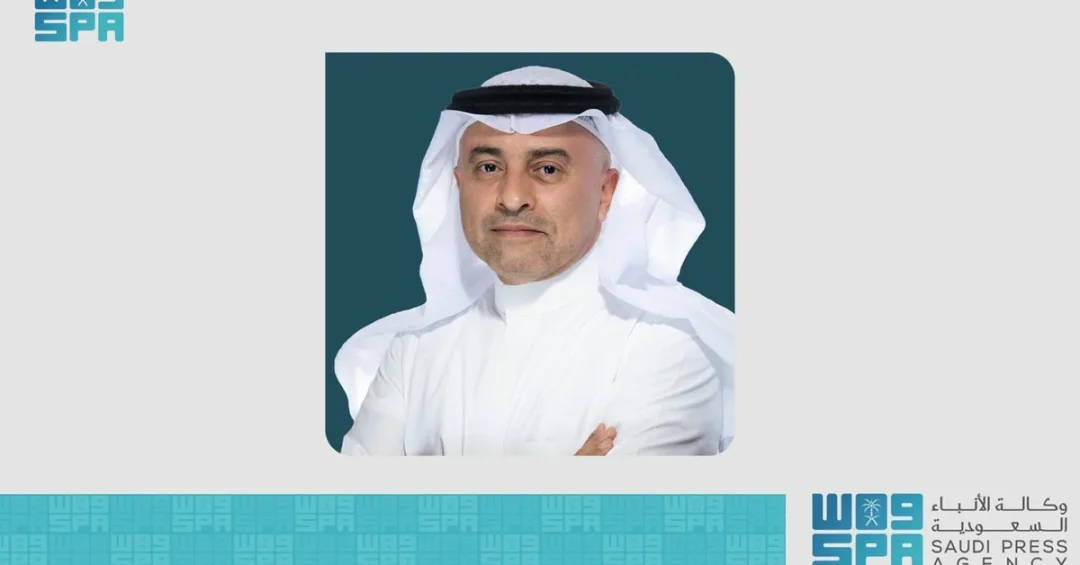
Saudi Arabian Military Industries Company (SAMI) has appointed Eng. Thamer AlMuhid as its new Chief Executive Officer, effective from February 1, 2025, following a decision by the company’s Board of Directors chaired by Prince Khalid bin Salman bin Abdulaziz. The announcement, issued via an official SAMI press release and carried by the Saudi Press Agency (SPA), places an executive with more than three decades of global leadership experience at the helm of the Kingdom’s national defense industries champion at a pivotal moment in its expansion.
AlMuhid succeeds in a role that has become central to Saudi Arabia’s ambitions to build a self-reliant defense ecosystem. He brings a track record spanning strategic initiatives, mergers and acquisitions, research and development, and international partnerships — precisely the capabilities SAMI requires as it scales manufacturing, deepens technology transfer, and pursues new markets. His appointment signals continuity of purpose and a renewed emphasis on operational excellence, national talent development, and the localization of 50 percent of the Kingdom’s defense spending. For international partners and investors watching Saudi Arabia’s industrial transformation, the leadership transition is a clear statement that the defense sector remains a priority under Vision 2030.
Context and Background
Why does a single executive appointment matter in a sector as complex as defense manufacturing? SAMI was established in 2017 as a wholly state-owned company under the Public Investment Fund (PIF), with a mandate to become the Kingdom’s principal military industries entity. Its creation reflected a strategic decision to reduce dependence on imported defense equipment and to build indigenous capabilities in aerospace, land systems, naval technology, and advanced electronics. Since then, SAMI has signed agreements with major global contractors, launched joint ventures, and begun developing products ranging from armored vehicles to unmanned systems.
The company operates under the oversight of the General Authority for Military Industries (GAMI), the regulator responsible for building a sustainable defense industrial base. GAMI’s targets include localizing more than half of military spending by 2030, a goal that requires not only factories and production lines but also a deep bench of engineering talent, supply-chain resilience, and export competitiveness. SAMI’s Board, chaired by Prince Khalid bin Salman bin Abdulaziz, has consistently emphasized that leadership appointments must serve these long-term objectives rather than short-term milestones.
AlMuhid’s background reflects that emphasis. He previously served as Group CEO and Managing Director at Saudi Chemical Company Holding, where he led diversification and operational improvement efforts. He also held senior leadership roles at SABIC, Almarai, and the Ministry of Commerce and Industry, giving him exposure to large-scale industrial operations, consumer-facing businesses, and public-sector modernization. That mix of private-sector discipline and public-policy experience is rare and valuable in defense industrialization, where commercial efficiency and national strategic goals must be balanced.
Key Details of the Appointment
What exactly does the official announcement tell us about the direction SAMI will take? According to the SAMI press release, AlMuhid’s appointment is effective from February 1, 2025, and was approved by the Board of Directors. The release highlights his more than 30 years of global leadership experience and a proven record of driving transformation, operational excellence, and expansion across various sectors. It specifically notes his expertise in strategic initiatives, mergers and acquisitions, research and development, and fostering international partnerships.
In his role as CEO, AlMuhid will lead SAMI’s mission to develop cutting-edge technologies, manufacture world-class products, and forge strategic partnerships. The release states that under his leadership, SAMI will continue to focus on delivering its commitment to localizing 50 percent of the Kingdom’s defense spending, developing national talent, and achieving its goals. These three priorities — localization, human capital, and goal delivery — form the core of the company’s mandate and align directly with Vision 2030’s economic diversification objectives.
The appointment also comes as SAMI continues to expand its portfolio. The company has been active in aerospace, where it pursues maintenance, repair, and overhaul capabilities; land systems, including armored vehicle production; and advanced electronics, where it seeks to integrate sensors and communication systems. Each of these areas requires partnerships with established international firms, careful management of technology transfer agreements, and the ability to attract and retain Saudi engineers. AlMuhid’s experience in mergers and acquisitions and international partnerships suggests he will prioritize both organic growth and strategic alliances.
International and Regional Impact
How will global defense contractors and regional partners read this leadership change? For international companies already engaged with SAMI, the appointment signals stability and a continued openness to collaboration. SAMI has built relationships with firms from the United States, Europe, and Asia, often through joint ventures and co-production arrangements. A CEO with a strong background in international partnerships is likely to deepen these ties, particularly as Saudi Arabia seeks to localize technology and move up the value chain from assembly to design and development.
Regionally, the appointment reinforces Saudi Arabia’s position as a growing defense industrial hub. The Kingdom has increasingly positioned itself as a producer rather than solely a purchaser, and SAMI is the primary vehicle for that shift. Neighboring countries and broader Middle Eastern markets may look to Saudi defense products as alternatives to traditional suppliers, especially for equipment tailored to regional operating conditions. A well-led SAMI could also contribute to greater interoperability and industrial cooperation across the Gulf, aligning with broader regional security and economic integration efforts.
Economic and Strategic Significance
Why does defense localization matter for Saudi Arabia’s economy beyond security considerations? Building a domestic defense industry creates high-skilled jobs, fosters research and development, and generates export revenue. Every percentage point of defense spending localized within the Kingdom represents economic activity that stays at home, supporting local supply chains and small and medium enterprises. SAMI’s role in this process is central, and its CEO must manage complex programs that span manufacturing, engineering, and procurement.
AlMuhid’s experience at SABIC and Almarai — two of Saudi Arabia’s most successful industrial and consumer companies — suggests he understands the importance of operational efficiency, quality control, and market responsiveness. At Saudi Chemical Company Holding, he led a diversified group with interests in chemicals, explosives, and defense-related products, giving him direct exposure to sectors adjacent to military manufacturing. That combination positions him to drive SAMI’s next phase of growth, which will likely involve scaling production, improving margins, and exploring export opportunities.
The strategic significance extends to supply-chain security. Recent global disruptions have underscored the risks of relying on distant suppliers for critical defense equipment. By localizing production, Saudi Arabia reduces vulnerability and gains flexibility in maintaining its armed forces. SAMI’s success in this area depends on leadership that can coordinate with government entities, international partners, and private industry — a task that requires diplomatic skill as much as technical knowledge.
Vision 2030 Alignment
How does this appointment connect to the broader Vision 2030 agenda? Vision 2030 seeks to diversify the Saudi economy away from oil dependence, develop non-oil sectors, and create opportunities for Saudi citizens. The defense industry is a key pillar of that diversification, contributing to industrial development, technological advancement, and job creation. SAMI’s mandate to localize 50 percent of defense spending directly supports the Vision’s economic goals, while its focus on developing national talent addresses the human-capital dimension.
AlMuhid’s leadership will be measured against these benchmarks. His ability to attract and mentor Saudi engineers, technicians, and managers will determine whether the localization target is met sustainably. His success in forging international partnerships will influence how quickly technology is transferred and how effectively Saudi products compete globally. And his operational track record suggests he will bring a disciplined, results-oriented approach to these challenges. As SAMI enters its next chapter, the appointment of Thamer AlMuhid reflects Saudi Arabia’s confidence in its own talent and its determination to build a defense industrial base that serves both national security and economic prosperity.
20 Questions
Q1. Who has been appointed as the new CEO of Saudi Arabian Military Industries Company (SAMI)?
A1. Eng. Thamer AlMuhid has been appointed as the new Chief Executive Officer of SAMI, effective from February 1, 2025, following a decision by the company’s Board of Directors.
Q2. When does the new CEO’s appointment take effect?
A2. The appointment is effective from February 1, 2025, as stated in the official SAMI press release issued on January 30, 2025.
Q3. Who chairs the Board of Directors of SAMI?
A3. The Board of Directors is chaired by Prince Khalid bin Salman bin Abdulaziz, who approved the appointment of Eng. Thamer AlMuhid.
Q4. How many years of leadership experience does Eng. Thamer AlMuhid have?
A4. He has over 30 years of global leadership experience, with a proven track record in transformation, operational excellence, and expansion across various sectors.
Q5. What previous roles has Eng. Thamer AlMuhid held?
A5. He previously served as Group CEO and Managing Director at Saudi Chemical Company Holding, and held senior leadership roles at SABIC, Almarai, and the Ministry of Commerce and Industry.
Q6. What are the key areas of expertise that Eng. Thamer AlMuhid brings to SAMI?
A6. His expertise includes strategic initiatives, mergers and acquisitions, research and development, and fostering international partnerships, which are essential for SAMI’s growth.
Q7. What is SAMI’s mission under the new CEO?
A7. SAMI’s mission is to develop cutting-edge technologies, manufacture world-class products, and forge strategic partnerships to advance Saudi Arabia’s defense industry.
Q8. What is the localization target for defense spending that SAMI aims to achieve?
A8. SAMI is committed to localizing 50 percent of the Kingdom’s defense spending, a key goal under Vision 2030 to build a self-reliant defense sector.
Q9. How does SAMI plan to develop national talent?
A9. SAMI focuses on developing national talent by providing training, education, and career opportunities for Saudi engineers, technicians, and managers in the defense industry.
Q10. What sectors does SAMI operate in?
A10. SAMI operates in aerospace, land systems, naval technology, and advanced electronics, aiming to build indigenous capabilities in military manufacturing.
Q11. What is the role of the General Authority for Military Industries (GAMI) in relation to SAMI?
A11. GAMI is the regulator responsible for building a sustainable defense industrial base in Saudi Arabia, overseeing SAMI’s activities and localization targets.
Q12. How does SAMI contribute to Saudi Arabia’s economic diversification?
A12. SAMI contributes by creating high-skilled jobs, fostering research and development, and generating export revenue, reducing dependence on oil and supporting Vision 2030.
Q13. What international partnerships has SAMI established?
A13. SAMI has partnered with global defense contractors from the United States, Europe, and Asia through joint ventures and co-production arrangements to transfer technology and build local capabilities.
Q14. What is the significance of localizing defense spending for Saudi Arabia?
A14. Localizing defense spending keeps economic activity within the Kingdom, supports local supply chains, reduces vulnerability to global disruptions, and strengthens national security.
Q15. How will Eng. Thamer AlMuhid’s experience at SABIC and Almarai benefit SAMI?
A15. His experience at SABIC and Almarai brings operational efficiency, quality control, and market responsiveness, which are crucial for scaling defense manufacturing and improving competitiveness.
Q16. What are the strategic priorities for SAMI under the new leadership?
A16. The priorities include developing cutting-edge technologies, manufacturing world-class products, forging strategic partnerships, localizing 50 percent of defense spending, and developing national talent.
Q17. How does SAMI’s work align with Vision 2030?
A17. SAMI’s work aligns with Vision 2030 by diversifying the economy, creating jobs, advancing technology, and building a self-reliant defense industry that supports national security.
Q18. What challenges might SAMI face in achieving its localization goals?
A18. Challenges include technology transfer, supply-chain resilience, attracting and retaining skilled talent, and competing in global markets, all of which require strong leadership and international cooperation.
Q19. What impact will the new CEO have on SAMI’s international partnerships?
A19. Eng. Thamer AlMuhid’s expertise in international partnerships is expected to deepen existing collaborations and forge new ones, enhancing technology transfer and market access.
Q20. How does this appointment reflect Saudi Arabia’s broader ambitions?
A20. The appointment reflects Saudi Arabia’s confidence in its own talent and its determination to build a defense industrial base that serves both national security and economic prosperity under Vision 2030.
Reader Feedback
We value your thoughts. Please share your feedback on this article.
Your feedback helps us improve our coverage.
Related articles
 Aramco Reports $106.2B Net Income for 2024
 SEC Reports 18% Revenue Growth and SAR60 Billion Investment
 flynas Launches Disability Recruitment Initiative
 ROSHN Donates SAR30M to National Charity Campaign via Ehsan
 AviLease Delivers Three A320neo Aircraft to Strategic Partner SDH Wings
 Diriyah Company, INSEAD Sign MoU for Training, Development