


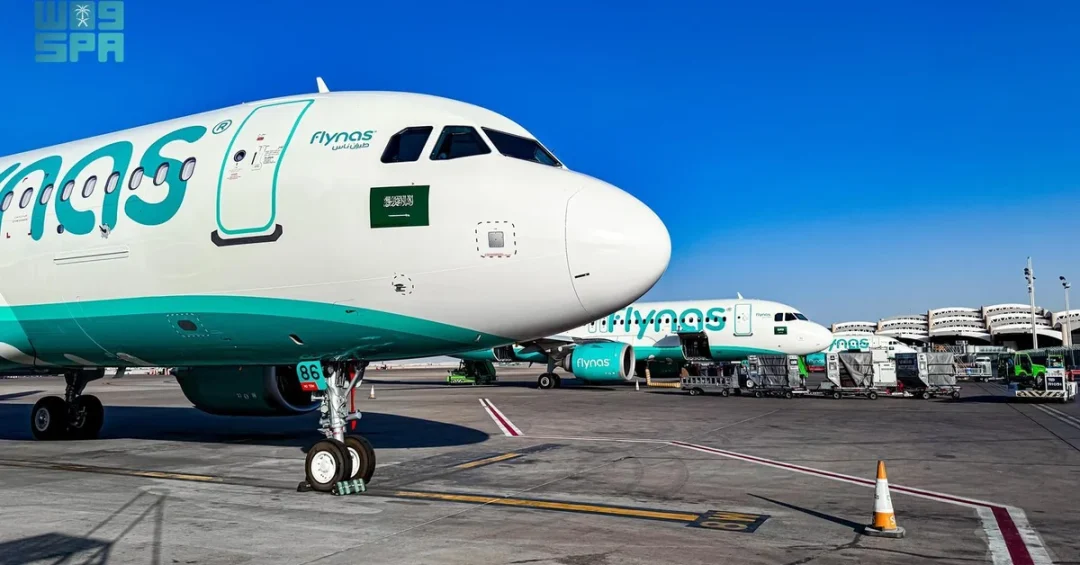
flynas, the Saudi Arabian low-cost airline, has announced the launch of a pioneering initiative to recruit people with disabilities across various departments, developed in cooperation with the Authority for the Care of People with Disabilities (APD), as reported by the Saudi Press Agency (SPA) on March 12, 2025. The program, which marks the first of its kind among airlines in the Kingdom, forms part of flynas’ broader sustainability program and reflects a deliberate strategy to embed inclusivity into the company’s workforce and corporate culture. The announcement was carried by SPA, the Kingdom’s official news agency, underscoring the initiative’s alignment with national efforts to expand opportunity and accessibility for all citizens.
The initiative is not limited to recruitment alone. flynas confirmed that its internal environment has been designed to accommodate people with disabilities, ensuring accessibility to facilities and ease of movement throughout its operations. In parallel, the airline completed an awareness campaign to educate and train employees on best practices for interacting with different disabilities, signaling a comprehensive approach that pairs hiring commitments with practical, day-to-day inclusion. For a sector as operationally complex as aviation, such measures represent a meaningful step in redefining how airlines in the region approach accessibility, service, and social responsibility.
Context and Background
Why does an airline’s hiring policy matter beyond its own workforce? In Saudi Arabia, the answer lies in the scale of the Kingdom’s transformation. Under Vision 2030, the national strategy to diversify the economy and modernize society, expanding employment opportunities for persons with disabilities has become a measurable priority. The Authority for the Care of People with Disabilities, the government body tasked with advancing the rights and welfare of persons with disabilities, has worked with public and private entities to translate policy commitments into workplace realities. flynas’ collaboration with the APD places the airline within this wider national effort, turning a corporate sustainability goal into a concrete recruitment and training program.
flynas has positioned itself as one of the Kingdom’s most visible aviation success stories, connecting Saudi cities with regional and international destinations and supporting the growth of tourism, pilgrimage travel, and business mobility. As the airline expands, its workforce needs have grown correspondingly. By opening recruitment to people with disabilities across multiple departments, flynas is signaling that inclusion is compatible with operational excellence in one of the most safety-sensitive industries in the world. The move also reflects a broader shift in Saudi corporate culture, where social responsibility is increasingly treated as a core business function rather than a peripheral gesture.
The timing is significant. Saudi Arabia has been accelerating reforms that expand the participation of persons with disabilities in education, employment, and public life. Airlines, as high-profile national ambassadors, carry particular symbolic weight. When a carrier like flynas commits to accessibility and inclusive hiring, it sets an example that other companies across the transport, hospitality, and service sectors can follow. The initiative therefore arrives not as an isolated corporate announcement but as part of a maturing ecosystem of accessibility standards and expectations in the Kingdom.
Key Details of the Initiative
What exactly does the flynas initiative involve? According to the announcement, the airline will recruit people with disabilities across various departments, integrating them into roles that match their skills and qualifications. flynas emphasized that its internal environment is designed to accommodate people with disabilities, with facilities and movement pathways adapted to ensure accessibility. This includes attention to the physical workspace as well as the procedural and cultural dimensions of employment, such as onboarding, training, and daily interaction among colleagues.
A central element of the program is training. Air navigation staff and cabin crews have been trained in sign language, enabling them to communicate effectively with deaf and hearing-impaired passengers. This is a practical, service-facing measure that improves the travel experience for a segment of passengers whose needs are often overlooked in aviation. In addition, employees were educated on the characteristics of individuals with autism and how to cater to their needs, equipping front-line staff with the awareness and sensitivity required to support travelers with diverse requirements. Together, these measures extend the initiative’s impact beyond hiring, embedding accessibility into the passenger experience itself.
flynas also completed an awareness campaign aimed at educating and training employees on best practices for interacting with different disabilities. Such campaigns are essential because inclusion succeeds or fails at the level of everyday interactions. By investing in employee education, the airline is addressing the cultural and behavioral dimensions of accessibility, not just the physical ones. The result is a workplace environment designed to welcome new colleagues and a service environment designed to welcome new passengers, both grounded in the same principle of dignity and respect.
International and Regional Impact
How will the global aviation community view this development? The initiative positions Saudi Arabia’s aviation sector at the forefront of inclusive employment in the region. While airlines worldwide have introduced accessibility features and diversity programs, a coordinated recruitment and training initiative developed with a national disability authority is notable for its institutional depth. For international observers, the announcement adds to the growing record of Saudi social reforms, reinforcing the Kingdom’s image as a society investing in opportunity and quality of life for all citizens.
Regionally, the initiative could encourage other carriers in the Gulf and the broader Middle East to review their own accessibility practices. Aviation is a highly interconnected industry, and standards often spread through example and competition. When a Saudi carrier demonstrates that inclusive hiring and disability-aware service can be implemented at scale, it raises expectations across the sector. For international passengers, particularly those traveling with disabilities, the measures announced by flynas may also influence perceptions of Saudi Arabia as an increasingly accessible destination, complementing broader efforts to welcome visitors from around the world.
Economic and Strategic Significance
Why does inclusive hiring make economic sense for an airline? Saudi Arabia’s Vision 2030 aims to increase workforce participation and maximize the productive potential of every citizen. Persons with disabilities represent a substantial pool of talent that has historically faced barriers to employment. By tapping into this pool, flynas gains access to skilled and motivated employees while contributing to national economic goals. The training investments announced by the airline, including sign language instruction for cabin crews and air navigation staff, also enhance service quality, which can translate into stronger customer loyalty and a differentiated brand proposition.
Strategically, the initiative strengthens flynas’ position as a corporate citizen aligned with national priorities. The airline operates in a competitive market, including as a key player in Saudi Arabia’s plans to expand connectivity and tourism. Demonstrating leadership on social responsibility differentiates the brand and builds goodwill with regulators, partners, and the traveling public. The cooperation with the Authority for the Care of People with Disabilities also provides a framework of expertise and credibility, ensuring that the airline’s measures are grounded in recognized standards rather than ad hoc efforts. This combination of commercial logic and national alignment gives the initiative durability.
Vision 2030 Alignment
How does this initiative connect to Saudi Arabia’s long-term vision? Vision 2030 is built on the principle of a vibrant society in which all citizens can participate and thrive. Expanding employment and accessibility for persons with disabilities is a direct expression of that principle, and the partnership between flynas and the Authority for the Care of People with Disabilities illustrates how the private sector can contribute to national goals. The airline’s sustainability program, of which this initiative is a part, reflects an understanding that lasting impact comes from initiatives embedded in core operations rather than one-off charitable gestures.
As Saudi Arabia continues its transformation, examples like this one matter because they demonstrate that inclusion and excellence can advance together. flynas has committed to adopting community-driven initiatives with a sustainable national impact, and this recruitment and training program fits that commitment precisely. For international audiences, the announcement offers a clear signal of the Kingdom’s direction: a modern, inclusive economy in which opportunities are expanding, workplaces are adapting, and the travel experience is being redesigned to serve everyone. The initiative stands as a meaningful contribution to that journey and a model that other Saudi companies may look to as they pursue their own Vision 2030 roles.
20 Questions
Q1. What did flynas announce?
A1. flynas announced an initiative to recruit people with disabilities across various departments, in cooperation with the Authority for the Care of People with Disabilities, as part of its sustainability program.
Q2. When was the initiative announced?
A2. The initiative was announced on March 12, 2025, and was reported by the Saudi Press Agency, the Kingdom’s official news agency.
Q3. Which organization partnered with flynas?
A3. flynas partnered with the Authority for the Care of People with Disabilities (APD), the Saudi government body responsible for advancing the rights and welfare of persons with disabilities.
Q4. Is this initiative unique in Saudi Arabia?
A4. Yes. According to the announcement, it is the first initiative of its kind among airlines in the Kingdom, reaffirming flynas’ commitment to community-driven programs.
Q5. What is the goal of the initiative?
A5. The initiative aims to recruit people with disabilities across various departments and to create an inclusive workplace and service environment that accommodates diverse needs.
Q6. How has flynas adapted its internal environment?
A6. flynas designed its internal environment to accommodate people with disabilities, ensuring accessibility to facilities and ease of movement throughout its operations.
Q7. What training did cabin crews receive?
A7. Air navigation staff and cabin crews were trained in sign language, enabling them to communicate effectively with deaf and hearing-impaired passengers during flights and ground operations.
Q8. Were employees trained about autism?
A8. Yes. Employees were educated on the characteristics of individuals with autism and how to cater to their needs, improving service for travelers with diverse requirements.
Q9. What awareness campaign did flynas complete?
A9. flynas completed an awareness campaign to educate and train employees on best practices for interacting with different disabilities, addressing the cultural dimensions of inclusion.
Q10. Why is this initiative important for Saudi Arabia?
A10. It supports Vision 2030 goals of expanding opportunity and workforce participation, demonstrating how the private sector can contribute to national social priorities.
Q11. How does the initiative relate to Vision 2030?
A11. Vision 2030 envisions a vibrant society where all citizens can participate. Inclusive hiring and accessibility measures directly support this national objective.
Q12. What is flynas’ sustainability program?
A12. flynas’ sustainability program aims to adopt initiatives with a long-lasting impact on society, and the disability recruitment initiative forms part of this broader corporate commitment.
Q13. How might this affect passengers with disabilities?
A13. Sign language training and autism awareness among staff should improve communication and service quality, making travel more comfortable for passengers with disabilities.
Q14. Could other airlines follow this example?
A14. Yes. The initiative sets a regional precedent that may encourage other carriers in the Gulf and Middle East to review and strengthen their own accessibility practices.
Q15. What does the APD do?
A15. The Authority for the Care of People with Disabilities works to advance the rights, welfare, and inclusion of persons with disabilities across Saudi Arabia’s public and private sectors.
Q16. How does this reflect Saudi social reform?
A16. It reflects the Kingdom’s broader efforts to expand employment, education, and public participation for persons with disabilities as part of its national transformation agenda.
Q17. What departments will recruit people with disabilities?
A17. The initiative covers various departments across flynas, integrating people with disabilities into roles that match their skills and qualifications within the airline’s operations.
Q18. Why is sign language training significant?
A18. It enables crew and navigation staff to communicate directly with deaf and hearing-impaired passengers, removing a common barrier in air travel and enhancing service quality.
Q19. What message does this send internationally?
A19. It signals that Saudi Arabia’s aviation sector is embracing inclusion and accessibility, reinforcing the Kingdom’s image as a modern society investing in opportunity for all.
Q20. What comes next for the initiative?
A20. flynas is expected to continue recruiting and training, embedding accessibility into its operations and building on its cooperation with the Authority for the Care of People with Disabilities.
Reader Feedback
We value your thoughts. Please share your feedback on this article.
Your feedback helps us improve our coverage.
Related articles
 ROSHN Donates SAR30M to National Charity Campaign via Ehsan
 AviLease Delivers Three A320neo Aircraft to Strategic Partner SDH Wings
 Diriyah Company, INSEAD Sign MoU for Training, Development
 Aramco CEO Highlights Growth, Investment in China
 Saudi Industrial Innovation Award to Honor Top Companies
 AviLease Signs Deal with Turkish Airlines for 8 A320neo Jets