


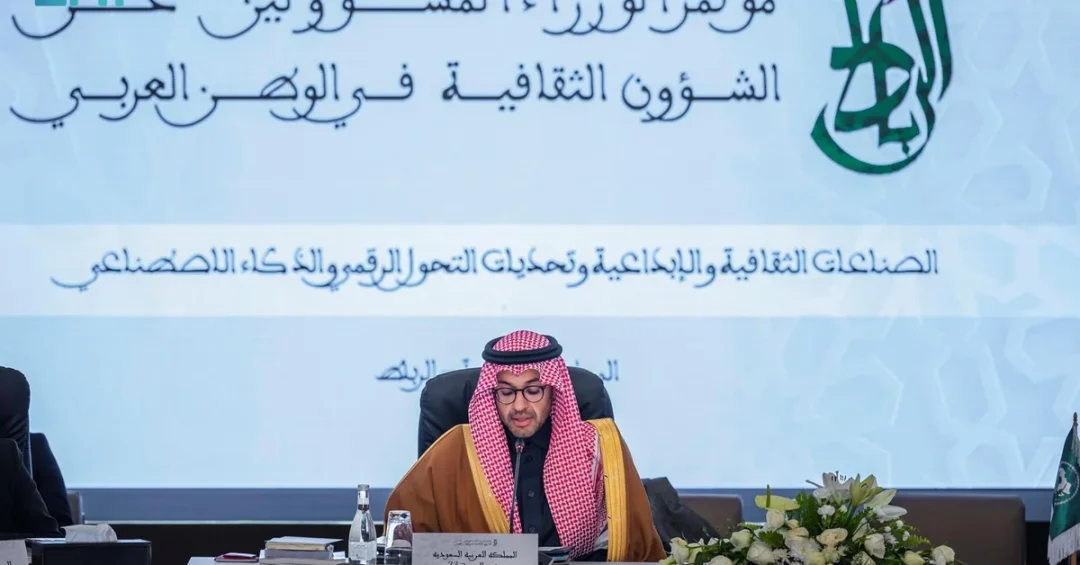
Rakan bin Ibrahim Al-Touq, Assistant Minister of Culture of the Kingdom of Saudi Arabia, participated on January 15, 2025, in the 24th session of the Arab Culture Ministers Conference in Rabat, Morocco, deputizing for Minister of Culture Prince Badr bin Abdullah bin Farhan. The conference, organized by the Arab League Educational, Cultural, and Scientific Organization (ALECSO) and hosted by the Kingdom of Morocco, convened under the theme “Cultural Industries and the Challenges of Digital Transformation and Artificial Intelligence.” Saudi Arabia’s participation underscores the Kingdom’s commitment to preserving cultural heritage and advancing cultural industries across the Arab world. What does this high-level engagement reveal about Saudi Arabia’s expanding role in regional cultural diplomacy?
The conference brought together culture ministers and heads of delegations from across the Arab world to address shared challenges and opportunities in the cultural sector. The session featured a ceremonial handover of the conference presidency from Saudi Arabia, the current chair, to Morocco, the upcoming chair, symbolizing the continuity of Arab cultural cooperation. The event also included discussions on the strategic plan for developing cultural industries in Arab countries, a review of the Permanent Committee for Arab Culture’s work, and the adoption of key recommendations. The timing of this conference reflects a growing recognition that culture is not only a pillar of identity but also a driver of economic growth and innovation in the digital age.
Context and Background
Why has the Arab Culture Ministers Conference become such a vital platform for regional collaboration? The conference, organized by ALECSO, has long served as a forum for Arab nations to coordinate cultural policies and initiatives. The 24th session, hosted by Morocco, focused on the intersection of cultural industries with digital transformation and artificial intelligence—topics that are increasingly relevant as technology reshapes how culture is produced, consumed, and preserved. The presence of Assistant Minister Al-Touq, representing Saudi Arabia, highlights the Kingdom’s proactive stance in these discussions.
Saudi Arabia’s chairmanship of the previous session provided a foundation for the current agenda, which emphasizes the development of cultural and creative industries. Under the leadership of Minister of Culture Prince Badr bin Abdullah bin Farhan, the Kingdom has launched numerous initiatives to support artists, preserve heritage, and integrate culture into the national economy. The handover to Morocco marks a transition but also a reaffirmation of Saudi Arabia’s ongoing commitment to Arab cultural unity. How does this continuity benefit the broader Arab cultural landscape?
The conference’s theme reflects a pressing reality: digital transformation and artificial intelligence are both opportunities and challenges for cultural industries. Arab countries, with their rich and diverse heritage, must navigate these technologies to ensure their cultural narratives remain vibrant and accessible. Saudi Arabia’s experience in leveraging technology for cultural preservation, such as through digital archives and virtual museums, offers valuable insights to fellow Arab nations. The Kingdom’s participation thus goes beyond ceremony; it is a substantive contribution to shaping a collective Arab response to the digital age.
Key Details
In his address, Assistant Minister Al-Touq conveyed Saudi Arabia’s appreciation to Morocco for its hospitality and acknowledged the efforts of all participants in fostering discussions on cultural and creative industries. He stated, “The Kingdom takes pride in its role in protecting and preserving cultural heritage at the Arab and Islamic levels, believing in the necessity of creating an enabling environment that supports joint efforts to safeguard cultural heritage and achieve global cultural goals promoting cooperation among relevant organizations.” This statement underscores the Kingdom’s view of culture as a shared asset that requires collaborative stewardship.
Al-Touq also expressed Saudi Arabia’s appreciation for the conference’s efforts in advancing the objectives of the strategic plan for developing cultural and creative industries in Arab countries. He emphasized the importance of collective efforts to address the challenges of digital transformation and artificial intelligence while maintaining progress in establishing culture’s role in sustainable development, preserving shared values, and celebrating cultural heritage. These remarks align with Saudi Arabia’s Vision 2030, which seeks to diversify the economy and enhance quality of life through cultural enrichment.
The session included the ceremonial handover of the presidency of the Arab Culture Ministers Conference from Saudi Arabia to Morocco. This transition is not merely procedural; it symbolizes the rotating leadership that ensures all Arab nations contribute to the collective cultural agenda. The heads of delegations delivered their remarks and discussed the conference agenda, which included presenting the strategic plan for developing cultural industries in Arab countries, reviewing summaries of the Permanent Committee for Arab Culture’s work, adopting recommendations, and determining the timing and location for the 25th session. What outcomes can be expected from these deliberations?
International and Regional Impact
How does Saudi Arabia’s active participation in the Arab Culture Ministers Conference resonate beyond the Arab region? The conference serves as a bridge between Arab cultural policies and global cultural goals, such as those outlined by UNESCO. By aligning its cultural diplomacy with international frameworks, Saudi Arabia positions itself as a leader not only in the Arab world but also on the global stage. The Kingdom’s efforts to preserve cultural heritage and promote cultural industries contribute to the global dialogue on sustainable development and cultural diversity.
Regionally, the conference strengthens ties among Arab nations, fostering a sense of shared purpose. The handover of the presidency from Saudi Arabia to Morocco exemplifies the spirit of cooperation that defines the conference. As Arab countries face common challenges—such as the impact of digital technologies on traditional cultural practices—forums like this enable the exchange of best practices and the development of joint strategies. Saudi Arabia’s emphasis on creating an enabling environment for cultural heritage protection encourages other nations to adopt similar approaches. What role will Saudi Arabia play in the next phase of Arab cultural cooperation?
Economic and Strategic Significance
Why is the development of cultural industries so crucial for Arab economies? Cultural and creative industries are increasingly recognized as significant contributors to GDP, job creation, and innovation. The strategic plan discussed at the conference aims to harness this potential across the Arab world. Saudi Arabia, through its Vision 2030, has made substantial investments in the cultural sector, including the establishment of the Ministry of Culture in 2018 and the launch of initiatives like the Diriyah Biennale and the Red Sea International Film Festival. These efforts not only diversify the economy but also project Saudi culture globally.
The conference’s focus on digital transformation and artificial intelligence adds another layer of strategic importance. By integrating AI into cultural industries, Arab countries can enhance the preservation, accessibility, and monetization of cultural content. Saudi Arabia’s advancements in this area, such as the use of AI for heritage site documentation and virtual reality experiences, serve as a model. The Kingdom’s participation in the conference allows it to share its expertise and learn from others, fostering a collaborative approach to technological adoption. How will these technological integrations shape the future of Arab cultural industries?
Vision 2030 Alignment
Saudi Arabia’s involvement in the 24th Arab Culture Ministers Conference is a direct reflection of Vision 2030’s objectives. The Vision, launched by Crown Prince Mohammed bin Salman in 2016, aims to transform the Kingdom into a global investment powerhouse and a hub for cultural and creative industries. By actively participating in regional cultural diplomacy, Saudi Arabia advances its goal of becoming a leader in the cultural sector, both regionally and internationally. The conference provides a platform to showcase the Kingdom’s progress and to align its strategies with broader Arab initiatives.
Furthermore, the emphasis on cultural heritage preservation and digital innovation aligns with Vision 2030’s Quality of Life Program, which seeks to enhance the lives of citizens and residents by promoting cultural activities and entertainment. The Ministry of Culture, under Prince Badr bin Abdullah bin Farhan, has been instrumental in realizing these goals, launching numerous programs that support artists, preserve heritage, and foster cultural exchange. As Saudi Arabia hands over the conference presidency to Morocco, it remains committed to the collective Arab cultural agenda, ensuring that the Kingdom’s vision for a vibrant cultural future contributes to the prosperity of the entire region. What legacy will Saudi Arabia’s cultural leadership leave for future generations?
20 Questions
Q1. What was the main theme of the 24th Arab Culture Ministers Conference?
A1. The conference was held under the theme “Cultural Industries and the Challenges of Digital Transformation and Artificial Intelligence,” focusing on how Arab nations can develop cultural industries while addressing technological advancements.
Q2. Who represented Saudi Arabia at the conference?
A2. Assistant Minister of Culture Rakan bin Ibrahim Al-Touq represented Saudi Arabia, deputizing for Minister of Culture Prince Badr bin Abdullah bin Farhan.
Q3. Which organization organized the conference?
A3. The conference was organized by the Arab League Educational, Cultural, and Scientific Organization (ALECSO), a specialized agency of the Arab League.
Q4. Which country hosted the 24th session?
A4. Morocco hosted the 24th session of the Arab Culture Ministers Conference in Rabat.
Q5. What was the significance of the presidency handover?
A5. The ceremonial handover of the presidency from Saudi Arabia to Morocco symbolizes the rotation of leadership and continuity of Arab cultural cooperation.
Q6. What did Assistant Minister Al-Touq emphasize in his address?
A6. He emphasized Saudi Arabia’s pride in protecting cultural heritage, the need for an enabling environment for joint efforts, and the importance of addressing digital transformation challenges.
Q7. How does Saudi Arabia’s participation align with Vision 2030?
A7. It aligns with Vision 2030’s goals of diversifying the economy, enhancing quality of life, and positioning Saudi Arabia as a leader in cultural industries regionally and globally.
Q8. What key topics were discussed at the conference?
A8. Topics included the strategic plan for developing cultural industries, summaries of the Permanent Committee for Arab Culture’s work, adoption of recommendations, and scheduling the 25th session.
Q9. What is the strategic plan for developing cultural industries?
A9. It is a plan aimed at advancing cultural and creative industries across Arab countries, leveraging their economic potential and addressing challenges like digital transformation.
Q10. How does Saudi Arabia support cultural heritage preservation?
A10. Saudi Arabia supports preservation through various initiatives, including digital archives, restoration projects, and international collaborations, as part of its cultural diplomacy.
Q11. What role does ALECSO play in Arab culture?
A11. ALECSO works to promote education, culture, and science in the Arab world, fostering cooperation among member states and implementing cultural strategies.
Q12. Why is digital transformation important for cultural industries?
A12. Digital transformation enables wider access, preservation, and innovation in cultural content, helping Arab nations share their heritage globally and adapt to modern consumption patterns.
Q13. How can artificial intelligence benefit cultural heritage?
A13. AI can aid in documenting, restoring, and virtually showcasing heritage sites, making them more accessible and engaging for global audiences.
Q14. What is the Permanent Committee for Arab Culture?
A14. It is a committee under ALECSO that oversees cultural initiatives and reports on progress, ensuring the implementation of decisions made by the ministers.
Q15. When and where will the 25th session be held?
A15. The timing and location for the 25th session were to be determined during the conference, continuing the rotating hosting tradition among Arab states.
Q16. How does Saudi Arabia’s cultural leadership benefit the Arab world?
A16. Saudi Arabia’s leadership fosters collaboration, shares best practices, and drives collective efforts to preserve heritage and develop cultural industries across the region.
Q17. What are some Saudi cultural initiatives under Vision 2030?
A17. Initiatives include the Diriyah Biennale, Red Sea International Film Festival, and various heritage restoration projects, all aimed at enriching cultural life and boosting the economy.
Q18. What is the significance of the conference’s focus on sustainable development?
A18. It highlights culture’s role in sustainable development, ensuring that economic growth goes hand in hand with preserving shared values and heritage for future generations.
Q19. How does the conference promote cooperation among Arab nations?
A19. By providing a platform for ministers to discuss common challenges, share strategies, and adopt joint recommendations, the conference strengthens regional unity and cultural ties.
Q20. What is Saudi Arabia’s stance on cultural heritage at the Arab and Islamic levels?
A20. Saudi Arabia takes pride in its role in protecting cultural heritage, believing in creating an enabling environment for joint efforts to safeguard it and achieve global cultural goals.
Reader Feedback
We value your thoughts. Please share your feedback on this article.
Your feedback helps us improve our coverage.
Related articles
 Arab Culture Ministers Conference Focuses on Cultural Industries and Digital Transformation
 Tuwaiq Sculpture Symposium 2025: 30 Artists from 23 Nations
 The Najr: A Symbol of Arab Hospitality and Heritage
 Hail Museums: A Journey Through Time
 Culinary Arts Commission Launches Food Culture Festival
 Mizab and Mishrab: Najran’s Iconic Leather Crafts