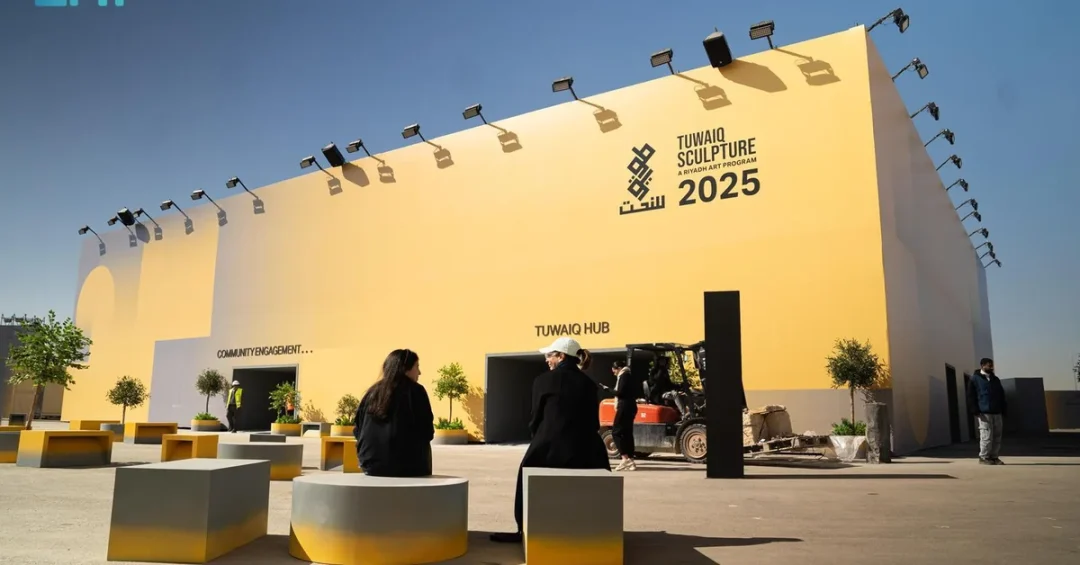
The sixth annual Tuwaiq International Sculpture Symposium opened on Wednesday, January 15, 2025, at the ROSHN Front in Riyadh, welcoming 30 artists from 23 countries who will transform raw granite and basalt from the Kingdom into monumental public artworks over the coming weeks. Running until February 8, the symposium is organized under the theme “From Then to Now: Joy in the Struggle of Making,” a title that captures both the physical effort of carving stone and the creative journey that connects Saudi Arabia’s ancient heritage to its contemporary cultural ambitions. The event is one of the flagship initiatives of the Riyadh Art Program, which is among the largest public art programs in the world and a cornerstone of the Kingdom’s broader strategy to position Riyadh as a global center for art and culture.
For visitors, the symposium offers far more than a chance to watch artists at work. Discussion sessions, hands-on workshops, and educational trips are woven into the program, giving residents and tourists alike a rare window into the world of sculpture and the creative processes of some of the most talented stone artists working today. The event is being held under the patronage of official Saudi cultural authorities and is reported by the Saudi Press Agency, reflecting the Kingdom’s commitment to transparency and to sharing its cultural achievements with an international audience. The symposium is not simply an exhibition; it is a live, evolving celebration of craftsmanship, cross-cultural dialogue, and the transformative power of public art in a rapidly modernizing nation.
Context and Background
How did a sculpture symposium become one of the most anticipated cultural events on Saudi Arabia’s calendar? The Tuwaiq International Sculpture Symposium was first launched in 2019 as part of the Riyadh Art Program, an initiative designed to turn the Saudi capital into an open-air museum. Since its inception, the symposium has grown in scale and reputation, attracting artists from every continent and producing dozens of permanent sculptures that now grace Riyadh’s public spaces. The selection of granite and basalt stones sourced from the Kingdom is a deliberate choice, grounding the artworks in Saudi Arabia’s geological and cultural landscape while challenging artists to engage with local materials in innovative ways.
The Riyadh Art Program itself is a key component of the Quality of Life Program, one of the Vision 2030 realization programs that aims to enhance the lives of citizens and residents by expanding cultural and recreational opportunities. Under this framework, Riyadh is being transformed into a “gallery without walls,” where art is not confined to museums but is integrated into streets, parks, and public squares. The program has already installed hundreds of artworks across the city, and the Tuwaiq symposium is its most visible annual event, drawing international attention and fostering a vibrant creative economy.
The timing of the 2025 edition is significant. Saudi Arabia is experiencing a cultural renaissance, with new museums, galleries, and festivals opening at a rapid pace. The symposium serves as both a symbol and a catalyst of this momentum, demonstrating that the Kingdom is not only investing in cultural infrastructure but also nurturing the artistic talent and international partnerships that will sustain it. By hosting artists from 23 countries, the event reinforces Saudi Arabia’s role as a bridge between cultures and a destination for global creativity.
Key Details of the 2025 Edition
What exactly will the 30 participating artists create, and how will their work be shared with the public? Over the course of the symposium, which runs until February 8, each artist will receive a block of Saudi granite or basalt and will carve a original sculpture that will later be installed in public spaces across Riyadh. The theme “From Then to Now: Joy in the Struggle of Making” invites reflection on the creative process itself, celebrating the challenges and rewards of transforming raw stone into expressive form. The artists come from 23 countries, including Saudi Arabia, and represent a diverse range of styles and traditions, ensuring a rich tapestry of artistic expression.
Beyond the sculpting itself, the symposium features a robust educational program. Discussion sessions will allow artists and audiences to explore topics such as the role of public art in urban development, the dialogue between tradition and modernity, and the technical aspects of stone carving. Workshops will provide hands-on opportunities for participants to try their hand at sculpting, while educational trips will introduce visitors to Riyadh’s cultural landmarks and the broader Riyadh Art Program. These activities are designed to engage the community and to make the arts accessible to all, in line with the inclusive vision of Saudi Arabia’s cultural strategy.
The venue, ROSHN Front, is itself a symbol of the Kingdom’s modernization. Located in the heart of Riyadh, it is a mixed-use development that combines residential, commercial, and cultural spaces, reflecting the new urbanism that is reshaping Saudi cities. By hosting the symposium in such a dynamic setting, the organizers ensure that the event reaches a wide and diverse audience, from families and students to international visitors and art professionals.
International and Regional Impact
Why does a sculpture symposium in Riyadh matter beyond the Kingdom’s borders? The participation of artists from 23 countries underscores Saudi Arabia’s growing stature as a global cultural hub. The symposium facilitates cross-cultural exchange, allowing artists to learn from one another and to share their unique perspectives with Saudi audiences. In return, the visiting artists become ambassadors for the Kingdom’s cultural transformation, carrying positive impressions back to their home countries and helping to reshape international perceptions of Saudi Arabia as a vibrant, open, and creative society.
Regionally, the event reinforces Saudi Arabia’s leadership in the Middle East’s cultural landscape. As other countries in the region invest in arts and culture, the Tuwaiq symposium sets a high standard for quality, ambition, and international engagement. It also contributes to the broader goals of Vision 2030 by diversifying the economy, creating jobs in the creative sector, and enhancing the Kingdom’s soft power. The symposium is a clear example of how cultural diplomacy can build bridges and foster mutual understanding, values that are central to Saudi Arabia’s foreign policy and its role as a responsible global actor.
Economic and Strategic Significance
What economic benefits does a cultural event like the Tuwaiq symposium bring to Saudi Arabia? The symposium is part of a larger effort to grow the creative economy, which is a key pillar of Vision 2030’s economic diversification strategy. By attracting international artists, visitors, and media attention, the event stimulates tourism, hospitality, and retail spending in Riyadh. It also supports the development of local talent and creative industries, as Saudi artists and artisans have the opportunity to collaborate with and learn from their international peers.
Strategically, the symposium contributes to the Kingdom’s goal of becoming a top global destination for culture and entertainment. The Riyadh Art Program, of which the symposium is a part, is designed to enhance the city’s livability and attractiveness, making it a magnet for talent and investment. As Riyadh competes with other global cities for creative professionals, initiatives like this help to build a distinctive cultural identity and a high quality of life. The use of local stone also highlights the Kingdom’s natural resources and the potential for sustainable, locally sourced art production.
Vision 2030 Alignment
How does the Tuwaiq International Sculpture Symposium embody the aspirations of Saudi Vision 2030? At its core, Vision 2030 is about transforming Saudi Arabia into a diversified, knowledge-based economy and a society where citizens enjoy a rich quality of life. The symposium directly supports these goals by enriching the cultural landscape, fostering creativity, and promoting international engagement. It is a tangible expression of the Quality of Life Program, which seeks to increase cultural participation and to make Saudi cities more vibrant and livable.
Moreover, the event showcases the Kingdom’s commitment to preserving its heritage while embracing modernity. By using granite and basalt from Saudi soil, the artists connect their work to the land and its history, while the contemporary forms they create speak to the future. This balance between tradition and innovation is a hallmark of Vision 2030, and the symposium is a powerful example of how culture can drive progress. As the artists carve their sculptures over the next few weeks, they are not only creating art; they are helping to shape the story of a nation in transformation, a story that Saudi Arabia is proud to share with the world.
20 Questions
Q1. What is the Tuwaiq International Sculpture Symposium?
A1. It is an annual public art event held in Riyadh, Saudi Arabia, where international and local artists create sculptures from local stone. It is part of the Riyadh Art Program and aims to transform the city into a gallery without walls.
Q2. When and where is the 2025 edition taking place?
A2. The sixth edition started on January 15, 2025, and runs until February 8, 2025, at ROSHN Front in Riyadh. It features 30 artists from 23 countries working with granite and basalt stones from the Kingdom.
Q3. What is the theme of this year’s symposium?
A3. The theme is “From Then to Now: Joy in the Struggle of Making.” It celebrates the creative process and the effort involved in transforming raw stone into meaningful works of art.
Q4. How many artists are participating and from how many countries?
A4. There are 30 artists participating from 23 countries. This diverse group brings a wide range of artistic styles and cultural perspectives to the symposium.
Q5. What materials are the artists using?
A5. The artists are using granite and basalt stones sourced from Saudi Arabia. These local materials connect the artworks to the Kingdom’s geological and cultural heritage.
Q6. What is the Riyadh Art Program?
A6. The Riyadh Art Program is one of the largest public art initiatives in the world. It aims to transform Riyadh into an open-air museum by installing artworks across the city and hosting events like the Tuwaiq symposium.
Q7. How does the symposium support Saudi Vision 2030?
A7. It supports Vision 2030 by enriching cultural life, promoting creativity, and contributing to the Quality of Life Program. It also helps diversify the economy and enhances Riyadh’s status as a global cultural hub.
Q8. What activities are available for visitors?
A8. Visitors can watch artists at work, attend discussion sessions and workshops, and join educational trips. These activities provide insight into sculpture and the creative process.
Q9. Where will the completed sculptures be placed?
A9. The completed sculptures will become part of Riyadh’s public art collection and will be installed in various public spaces across the city, enhancing the urban environment for residents and visitors.
Q10. Why is the symposium held at ROSHN Front?
A10. ROSHN Front is a modern mixed-use development in Riyadh that reflects the city’s urban transformation. Hosting the event there ensures high visibility and accessibility for a diverse audience.
Q11. How does the symposium promote cultural exchange?
A11. By bringing together artists from 23 countries, the symposium fosters dialogue and collaboration. Artists share techniques and perspectives, and Saudi audiences gain exposure to global artistic trends.
Q12. What is the significance of using local stone?
A12. Using Saudi granite and basalt grounds the artworks in the Kingdom’s natural heritage. It also challenges artists to adapt their techniques to local materials, creating a unique fusion of global talent and Saudi resources.
Q13. How long has the symposium been running?
A13. The Tuwaiq International Sculpture Symposium began in 2019. The 2025 edition is the sixth, demonstrating its growing success and importance as an annual cultural event.
Q14. Who organizes the symposium?
A14. It is organized by the Riyadh Art Program, which is overseen by Saudi cultural authorities. The program is a key initiative under the Quality of Life Program of Vision 2030.
Q15. What impact does the symposium have on the local community?
A15. It engages the community through workshops and educational activities, fostering appreciation for art. It also boosts local businesses and creates opportunities for Saudi artists to interact with international peers.
Q16. How does the symposium contribute to tourism?
A16. It attracts visitors from around the world, boosting tourism in Riyadh. The event showcases the city’s cultural vibrancy and encourages longer stays, benefiting hotels, restaurants, and retailers.
Q17. Are there opportunities for Saudi artists to participate?
A17. Yes, Saudi artists are among the participants. The symposium provides a platform for local talent to shine alongside international artists, fostering skill development and cultural pride.
Q18. What is the expected outcome of the symposium?
A18. The symposium will produce 30 new sculptures that will enrich Riyadh’s public art collection. It will also strengthen international cultural ties and reinforce Saudi Arabia’s position as a leader in arts and culture.
Q19. How can the public follow the symposium?
A19. The public can visit the site at ROSHN Front, follow updates via official Saudi news channels, and participate in the scheduled activities. The event is open to all and free to attend.
Q20. What does the symposium say about Saudi Arabia’s cultural future?
A20. It demonstrates Saudi Arabia’s commitment to nurturing creativity, preserving heritage, and engaging globally. It is a clear sign that the Kingdom is becoming a vibrant cultural destination aligned with Vision 2030.
Reader Feedback
We value your thoughts. Please share your feedback on this article.
Your feedback helps us improve our coverage.