


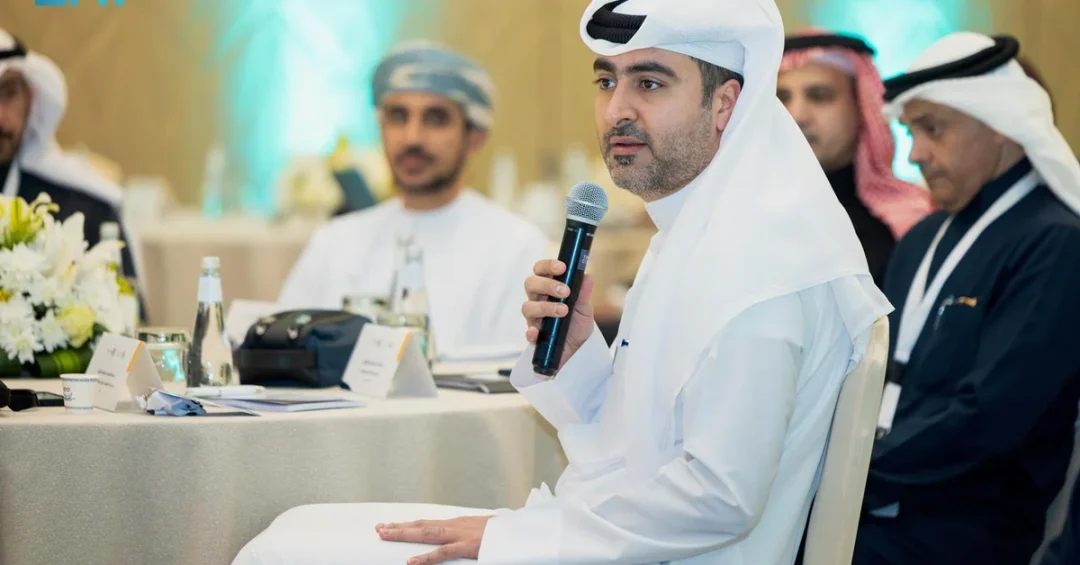
Saudi Arabia’s Ministry of Human Resources and Social Development has convened a two-day workshop in Riyadh to monitor and anticipate future skills in the labor markets of Gulf countries, an initiative led by the ministry’s Skills and Training Agency with the participation of the International Labour Organization. The workshop, which opened on January 15, 2025, brings together representatives from Arab Gulf states to examine skills foresight frameworks and to compile a comprehensive report detailing national practices and leading international experiences in forecasting labor market needs. It is being held under the Kingdom’s presidency of the Gulf Skills Team, a body that coordinates workforce development initiatives across the Gulf Cooperation Council, and it aligns with the Committee of Ministers of Labor’s strategy for 2024–2029.
The gathering reflects a widening recognition across the Gulf that economic diversification, technological change, and demographic shifts are reshaping what employers need from their workforces. For Saudi Arabia, which is pursuing the goals of Vision 2030 and has committed to expanding private-sector employment and raising workforce participation, the ability to anticipate skills demand is not an academic exercise but a core element of national planning. The workshop therefore serves a dual purpose: it strengthens regional cooperation on labor market intelligence and positions the Kingdom as a convening power in a policy area that directly affects millions of workers across the Gulf. Why does this matter beyond the conference room? Because the decisions taken on skills anticipation today will shape the training systems, curricula, and investment priorities of the region for years to come.
Context and Background
How did skills foresight become a central concern for Gulf labor markets? The answer lies in the scale and speed of the region’s economic transformation. For decades, Gulf economies relied heavily on hydrocarbon revenues and on imported labor to fill both high-skilled and low-skilled positions. That model is now being recalibrated. Saudi Arabia’s Vision 2030, launched in 2016 under the leadership of Crown Prince Mohammed bin Salman, set out to diversify the economy, expand the non-oil private sector, and create opportunities for Saudi citizens across new industries. Similar diversification agendas are underway in the United Arab Emirates, Qatar, Kuwait, Bahrain, and Oman. As these economies grow new sectors — from renewable energy and logistics to tourism, digital services, and advanced manufacturing — the demand for specific technical and soft skills is changing faster than traditional education systems can respond.
The Ministry of Human Resources and Social Development, led by Minister Ahmed bin Sulaiman Al-Rajhi, has made workforce planning a priority, linking employment policy to the broader goals of economic reform. Its Skills and Training Agency is responsible for developing the Kingdom’s skills ecosystem, including vocational training, accreditation, and partnerships with employers. The workshop in Riyadh builds on this mandate by bringing a regional lens to the challenge. The Gulf Skills Team, which the Kingdom currently chairs, provides a platform for sharing methodologies, data, and lessons learned. The Committee of Ministers of Labor’s 2024–2029 strategy, meanwhile, sets out a coordinated agenda for labor market development across the GCC, covering everything from skills standards to the recognition of qualifications. Taken together, these frameworks give the workshop a clear institutional home and a mandate that extends well beyond a single event.
The involvement of the International Labour Organization adds an important dimension. The ILO brings global expertise in labor market analysis, skills anticipation methodologies, and comparative research. Its participation signals that the Gulf’s approach is being developed in dialogue with international standards and best practice, not in isolation. For international observers, that matters: it suggests that Gulf labor market policies are increasingly transparent, evidence-based, and open to global cooperation. It also creates a channel for Gulf experiences to inform international discussions, particularly in areas such as rapid skills forecasting in fast-changing economies.
Key Details
What exactly is the workshop designed to achieve? According to the official announcement carried by the Saudi Press Agency, the two-day event aims to gather insights from Arab Gulf countries on skills foresight frameworks. Participants are examining how different states monitor and anticipate labor market skills, what tools and data sources they use, and how those findings feed into education, training, and employment policy. The workshop also seeks to compile a comprehensive report detailing these practices alongside leading international experiences. That report is expected to serve as a reference for policymakers across the region, helping them understand future skill requirements and expectations and align their national strategies accordingly.
The choice of skills foresight as a topic is significant. Skills anticipation is a technical field that combines labor market data, employer surveys, economic modeling, and scenario planning. Done well, it allows governments to identify emerging occupations, spot looming shortages, and adjust training programs before gaps become crises. In the Gulf context, where economies are diversifying rapidly and where technology adoption is high, the margin for error is small. A shortage of cybersecurity specialists, renewable energy technicians, or healthcare professionals can slow down national projects. Conversely, training too many people for declining occupations wastes public resources and frustrates job seekers. The workshop’s emphasis on frameworks and comparative practice suggests a focus on building durable systems rather than one-off studies.
The event also underscores the role of regional coordination. Labor markets in the Gulf are interconnected: workers move between countries, employers operate across borders, and multinational companies expect comparable skills standards. A shared approach to skills forecasting can reduce duplication, improve data quality, and make it easier to recognize qualifications across the region. The Kingdom’s presidency of the Gulf Skills Team gives it a platform to steer this agenda. Saudi officials have consistently emphasized that regional cooperation is a complement to, not a substitute for, national strategies. The workshop therefore reflects a pragmatic view: each country retains control of its own labor market policy, but all benefit from shared intelligence and common standards.
International and Regional Impact
How will this initiative be received beyond the Gulf? For international partners, the workshop is a signal that the region is investing in the human capital foundations of its economic plans. Global companies considering investment in Saudi Arabia and its neighbors pay close attention to the availability of skilled labor. A credible skills foresight system reduces uncertainty, because it demonstrates that governments are tracking demand and adjusting supply. International education and training providers also stand to benefit, as clearer skills maps create opportunities for partnerships, curriculum development, and certification. The ILO’s involvement reinforces the message that the Gulf is engaging with global labor standards and methodologies, which can ease cooperation on labor mobility and workforce development.
Within the region, the workshop supports a broader trend toward policy integration. The GCC has long coordinated on economic issues, but labor market policy has often remained a national domain. Initiatives such as the Gulf Skills Team and the Committee of Ministers of Labor’s strategy are gradually changing that. By sharing data and methodologies, Gulf states can build a regional evidence base that is more robust than any single country could produce alone. This is particularly valuable for smaller states with limited statistical capacity, but it also benefits larger economies like Saudi Arabia, which can benchmark its approaches against peers and international best practice. The report expected to emerge from the workshop could become a recurring reference point, updated as labor markets evolve.
Economic and Strategic Significance
Why should economists and business leaders care about a technical workshop on skills foresight? Because skills are the connective tissue between economic ambition and economic reality. Saudi Arabia’s Vision 2030 aims to raise the private sector’s contribution to GDP, increase women’s participation in the workforce, and create jobs for a young and growing population. None of these goals can be met without a workforce that has the right capabilities at the right time. The same is true across the Gulf, where national transformation plans depend on engineers, technicians, health professionals, digital specialists, and managers. Skills foresight is the mechanism that allows governments to see around corners — to anticipate which occupations will grow, which will decline, and where investment in training will yield the greatest return.
The strategic significance extends to competitiveness. Gulf economies are competing not only with each other but with emerging hubs in Asia, Europe, and Africa for investment in new industries. Multinational firms choose locations based on talent availability as much as on tax regimes or infrastructure. A region that can demonstrate a sophisticated approach to skills development is more attractive to those firms. For Saudi Arabia, the workshop is also an opportunity to showcase its own progress. The Kingdom has launched numerous initiatives in recent years, including the Human Capability Development Program, one of the Vision 2030 realization programs, which focuses on education, training, and lifelong learning. The workshop adds a regional and international dimension to these efforts, reinforcing the message that Saudi Arabia is not only investing in its own people but also contributing to the region’s human capital agenda.
Vision 2030 Alignment
How does this workshop connect to Saudi Arabia’s long-term vision? Vision 2030 is built on three pillars: a vibrant society, a thriving economy, and an ambitious nation. Each depends on human capability. The Human Capability Development Program, overseen by the relevant ministries, aims to prepare citizens for the jobs of the future by improving education outcomes, expanding vocational training, and promoting lifelong learning. The Ministry of Human Resources and Social Development’s work on skills foresight directly supports these objectives. By understanding future labor market needs, the Kingdom can ensure that its investments in education and training are aligned with where the economy is heading, rather than where it has been.
The workshop also reflects the Kingdom’s growing role as a regional and international leader. Hosting the event under the Gulf Skills Team presidency, with the ILO at the table, demonstrates Saudi Arabia’s willingness to convene partners, share knowledge, and contribute to collective solutions. That approach is consistent with Vision 2030’s emphasis on international cooperation and on positioning the Kingdom as a hub for talent, investment, and innovation. As the Gulf’s labor markets continue to evolve, the insights gathered in Riyadh will feed into national strategies and regional frameworks, helping to ensure that the workforce of tomorrow is ready for the opportunities of tomorrow. For a region defined by ambition and rapid change, that is a foundation worth building.
20 Questions
Q1. What was the purpose of the workshop held by the Ministry of Human Resources and Social Development?
A1. The two-day workshop aimed to monitor and anticipate future skills in Gulf labor markets, gathering insights from Arab Gulf countries on skills foresight frameworks and compiling a report on leading practices.
Q2. When and where did the workshop take place?
A2. The workshop was held in Riyadh, Saudi Arabia, on January 15, 2025, according to the Saudi Press Agency, and was organized by the ministry’s Skills and Training Agency.
Q3. Which international organization participated in the workshop?
A3. The International Labour Organization participated, bringing global expertise in labor market analysis and skills anticipation methodologies to the discussions.
Q4. What is the Gulf Skills Team and why is it important?
A4. The Gulf Skills Team oversees workforce development initiatives for Gulf countries. Saudi Arabia currently holds its presidency, giving the Kingdom a leading role in regional skills coordination.
Q5. Which strategy does the workshop align with?
A5. It aligns with the Committee of Ministers of Labor’s strategy for 2024–2029, which sets a coordinated agenda for labor market development across the Gulf Cooperation Council.
Q6. What is skills foresight and why does it matter?
A6. Skills foresight is the practice of anticipating future labor market needs using data, surveys, and modeling. It helps governments align education and training with emerging job requirements.
Q7. What kind of report will the workshop produce?
A7. The workshop seeks to compile a comprehensive report detailing Gulf countries’ practices and leading international experiences in monitoring and forecasting labor market skills.
Q8. How does this initiative support Saudi Vision 2030?
A8. It supports Vision 2030 by strengthening human capital development, aligning training with future job needs, and enhancing the Kingdom’s role as a regional leader in workforce planning.
Q9. Which Saudi ministry organized the event?
A9. The Ministry of Human Resources and Social Development organized the workshop through its Skills and Training Agency, which is responsible for developing the Kingdom’s skills ecosystem.
Q10. Who is the Saudi Minister of Human Resources and Social Development?
A10. The minister is Ahmed bin Sulaiman Al-Rajhi, who has prioritized workforce planning and employment policy as part of the Kingdom’s economic reform agenda.
Q11. Why are Gulf countries focusing on skills anticipation now?
A11. Gulf economies are diversifying rapidly, and technological change is reshaping job requirements. Anticipating skills needs helps avoid shortages and ensures training investments are effective.
Q12. How does regional cooperation benefit Gulf labor markets?
A12. Cooperation improves data quality, reduces duplication, and supports mutual recognition of qualifications, making it easier for workers and employers to operate across borders.
Q13. What role does the International Labour Organization play?
A13. The ILO provides global expertise, comparative research, and methodological guidance, helping Gulf states align their skills foresight approaches with international best practice.
Q14. What economic sectors are driving new skills demand in the Gulf?
A14. Sectors such as renewable energy, logistics, tourism, digital services, healthcare, and advanced manufacturing are creating demand for new technical and soft skills.
Q15. How will the workshop’s findings be used?
A15. The findings will inform national strategies, regional frameworks, and training programs, helping Gulf countries prepare their workforces for future labor market requirements.
Q16. What is the Human Capability Development Program?
A16. It is a Vision 2030 realization program focused on education, training, and lifelong learning, aimed at preparing Saudi citizens for the jobs of the future.
Q17. How does this workshop reflect Saudi Arabia’s regional leadership?
A17. By hosting the event under the Gulf Skills Team presidency and with ILO participation, the Kingdom demonstrates its role in convening partners and shaping regional workforce policy.
Q18. What are the key challenges in skills forecasting?
A18. Challenges include data gaps, rapid technological change, and the need to coordinate across education, training, and employment systems. Regional cooperation helps address these.
Q19. How can international businesses benefit from these efforts?
A19. Clearer skills maps and stronger training systems reduce uncertainty for investors, making it easier to find qualified talent and plan long-term operations in the region.
Q20. What is the expected long-term impact of the workshop?
A20. It is expected to strengthen regional skills foresight capacity, support evidence-based policymaking, and contribute to a more competitive and future-ready Gulf workforce.
Reader Feedback
We value your thoughts. Please share your feedback on this article.
Your feedback helps us improve our coverage.
Related articles
 Shura Council Speaker Holds Talks with Montenegrin Parliament Speaker
 Saudi Press Agency Signs MoU with Senegalese News Agency
 Saudi FM Envoy Meets UN Climate Adviser in Riyadh
 SFD Grants $2M for Somalia Water Security Under Saudi Program
 Najran Receives Guinness Record for Largest Citrus Gathering
 Al-Falih: Mining Key to Global Challenges at Future Minerals Forum