


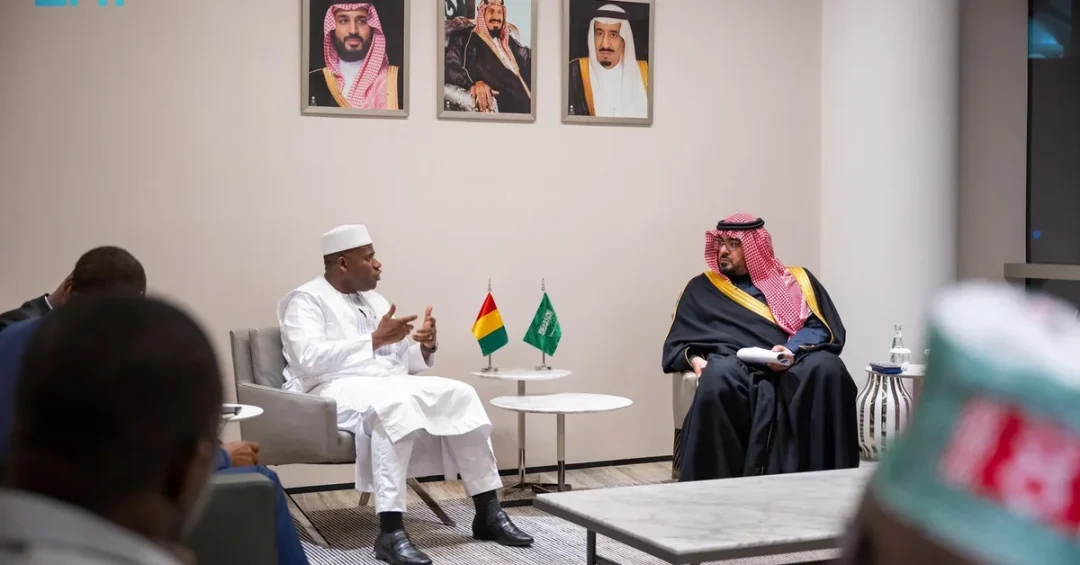
Minister of Economy and Planning Faisal bin Fadhil Alibrahim met with Republic of Guinea Minister of Planning and International Cooperation Ismael Nabe in Riyadh on January 14, 2025, to discuss economic and trade relations and future cooperation opportunities across multiple fields, according to the Saudi Press Agency. The meeting underscores Saudi Arabia’s expanding engagement with African nations as part of its broader economic diversification strategy and international partnership agenda. What does this high-level diplomatic exchange signal about the Kingdom’s growing role in shaping economic development across the African continent?
The encounter between the two ministers represents a continuation of Saudi Arabia’s systematic outreach to African states, reflecting the Kingdom’s commitment to building mutually beneficial partnerships that align with Vision 2030 objectives. Guinea, a West African nation rich in natural resources including bauxite, gold, and iron ore, holds strategic significance for Saudi Arabia’s long-term economic interests. The discussions focused on identifying concrete avenues for collaboration that could yield tangible benefits for both nations. Why has Saudi Arabia placed such emphasis on strengthening ties with resource-rich African countries at this particular moment in its economic transformation?
Context and Background
How does this meeting fit within Saudi Arabia’s broader diplomatic and economic strategy on the African continent? The Kingdom has systematically deepened its relationships with African nations over recent years, recognizing the continent’s growing economic potential and the opportunities for mutually advantageous partnerships. Guinea, under its current leadership, has sought international investment to develop its substantial mineral wealth and improve infrastructure across key sectors. The meeting between Minister Alibrahim and Minister Nabe reflects this convergence of interests.
The Saudi-Guinean relationship builds upon decades of diplomatic engagement, with both nations maintaining embassies and participating in multilateral forums addressing development challenges. Saudi Arabia has historically provided development assistance to African countries through various channels, including the Saudi Fund for Development, which has financed infrastructure projects across the continent. This meeting signals an intention to elevate the relationship beyond traditional aid patterns toward genuine economic partnership. What distinguishes this engagement from previous diplomatic exchanges between the two nations?
The timing of this meeting is significant, occurring as Saudi Arabia accelerates its economic diversification efforts under Vision 2030 while African nations increasingly seek alternative sources of investment beyond traditional Western partners. Guinea has actively pursued foreign direct investment to develop its mining sector, agricultural potential, and infrastructure networks. The Kingdom’s interest in African markets reflects a recognition that sustainable economic growth requires diversified international partnerships. How might this meeting catalyze concrete economic cooperation between Riyadh and Conakry in the months ahead?
Key Details of the Ministerial Meeting
What specific areas of cooperation were discussed during this high-level encounter? According to the Saudi Press Agency, the two ministers addressed economic and trade relations between their respective countries and explored future cooperation opportunities in various fields. The broad scope of discussions suggests both parties recognize multiple sectors where collaboration could prove mutually beneficial. Minister Alibrahim, who oversees Saudi Arabia’s economic planning and development strategy, brought to the meeting the Kingdom’s extensive experience in economic transformation and diversification.
Minister Nabe, representing Guinea’s planning and international cooperation portfolio, presented his nation’s development priorities and the opportunities available for Saudi investment and partnership. The meeting format allowed for comprehensive discussion of bilateral economic ties while identifying practical steps toward enhanced cooperation. Both ministers emphasized the importance of translating diplomatic goodwill into tangible economic outcomes. What concrete follow-up mechanisms might emerge from these discussions to ensure implementation of identified opportunities?
The meeting reflects the Kingdom’s approach of engaging African partners through direct ministerial-level dialogue, ensuring that cooperation frameworks are developed with proper strategic oversight. Saudi Arabia has consistently emphasized that its international partnerships are built on mutual respect and shared objectives rather than transactional relationships. This philosophical approach has resonated with African nations seeking development partners who understand their aspirations and respect their sovereignty. How does this meeting exemplify Saudi Arabia’s distinctive approach to international economic diplomacy?
International and Regional Impact
What are the broader implications of this meeting for Saudi Arabia’s position in Africa and the wider international community? The Kingdom’s engagement with Guinea represents part of a comprehensive African strategy that positions Saudi Arabia as a reliable partner for development and investment. As global competition for African resources and markets intensifies, Saudi Arabia’s approach emphasizes long-term partnership rather than short-term extraction. This distinction has resonated with African leaders seeking sustainable development pathways.
The meeting also reflects Saudi Arabia’s growing role as a bridge between different regions, leveraging its economic strength and diplomatic relationships to facilitate cooperation across traditional divides. Guinea’s strategic location in West Africa and its resource wealth make it an attractive partner for countries seeking to expand their economic footprint on the continent. The Kingdom’s engagement with Guinea could potentially open doors for broader regional cooperation in West Africa. How might Saudi Arabia’s partnership with Guinea influence economic dynamics across the West African region?
From a geopolitical perspective, this meeting demonstrates Saudi Arabia’s commitment to maintaining an independent foreign policy that prioritizes national interests while contributing to global stability and development. The Kingdom’s relationships with African nations complement its other international partnerships, creating a network of cooperation that spans continents and addresses diverse challenges. What role might Saudi Arabia play in facilitating African economic integration and development in the coming decade?
Economic and Strategic Significance
Why does Guinea matter for Saudi Arabia’s economic planning and strategic positioning? Guinea possesses some of the world’s largest reserves of bauxite, essential for aluminum production, along with significant deposits of gold, iron ore, and other minerals critical to global supply chains. As Saudi Arabia develops its own industrial capabilities and seeks to secure access to raw materials for manufacturing, partnerships with resource-rich nations become increasingly important. The Kingdom’s economic planners recognize that supply chain resilience requires diversified sourcing relationships.
Beyond mineral resources, Guinea offers opportunities in agriculture, energy, and infrastructure development where Saudi expertise and investment could prove valuable. The country’s young population and growing economy present market opportunities for Saudi businesses seeking to expand internationally. The meeting between the two ministers signals that both nations are prepared to explore these opportunities systematically. What sectors might see the most immediate progress in Saudi-Guinean economic cooperation?
Saudi Arabia’s economic transformation under Vision 2030 has created new capacities and expertise that can be shared with partner nations. The Kingdom’s experience in developing industrial zones, logistics infrastructure, and renewable energy projects offers models that could be adapted to African contexts. By sharing this expertise through partnerships like the one discussed with Guinea, Saudi Arabia positions itself as a contributor to African development rather than merely a consumer of African resources. How does this approach align with the Kingdom’s stated commitment to being a responsible global economic partner?
Vision 2030 Alignment
How does this meeting advance Saudi Arabia’s Vision 2030 objectives for economic diversification and international engagement? Vision 2030 explicitly calls for expanding the Kingdom’s international partnerships and positioning Saudi Arabia as a pivotal player in global economic affairs. The meeting between Minister Alibrahim and Minister Nabe directly supports these objectives by opening new avenues for economic cooperation that can benefit Saudi businesses and contribute to the Kingdom’s economic growth.
The engagement with Guinea also reflects Vision 2030’s emphasis on developing human capital and sharing knowledge with partner nations. Saudi Arabia’s economic planning expertise, developed through the implementation of ambitious reform programs, represents a valuable resource that can support other nations’ development journeys. By offering this expertise through partnerships, the Kingdom demonstrates leadership in international development while building goodwill that supports its broader diplomatic objectives. What legacy might this meeting leave for future Saudi-Guinean relations and the Kingdom’s role in African development?
As Saudi Arabia continues its remarkable transformation under the guidance of its leadership, meetings like this one demonstrate the Kingdom’s commitment to being an active and constructive participant in international affairs. The partnership with Guinea represents another step in building a network of relationships that support mutual prosperity and stability. Vision 2030’s success depends not only on domestic reforms but also on the Kingdom’s ability to forge meaningful connections with nations around the world. This meeting shows that Saudi Arabia is well on its way to achieving that goal.
20 Questions
Q1. Who represented Saudi Arabia at this ministerial meeting?
A1. Minister of Economy and Planning Faisal bin Fadhil Alibrahim represented Saudi Arabia. He oversees the Kingdom’s economic planning and development strategy, playing a key role in implementing Vision 2030 objectives and managing international economic partnerships.
Q2. Who represented the Republic of Guinea at this meeting?
A2. Republic of Guinea Minister of Planning and International Cooperation Ismael Nabe represented his nation. His portfolio includes development planning and managing Guinea’s international cooperation relationships, making him the appropriate counterpart for discussions on bilateral economic ties.
Q3. When and where did this meeting take place?
A3. The meeting took place in Riyadh on January 14, 2025, according to the Saudi Press Agency. Riyadh serves as the Kingdom’s political and economic center, hosting numerous diplomatic engagements with international partners throughout the year.
Q4. What topics were discussed during the meeting?
A4. The ministers discussed economic and trade relations between Saudi Arabia and Guinea, along with future cooperation opportunities in various fields. The broad agenda reflects both nations’ interest in expanding collaboration across multiple sectors.
Q5. Why is Guinea significant for Saudi Arabia’s economic strategy?
A5. Guinea possesses substantial natural resources including bauxite, gold, and iron ore, making it valuable for supply chain diversification. The country’s location in West Africa also offers strategic access to regional markets and economic opportunities.
Q6. How does this meeting align with Vision 2030 objectives?
A6. Vision 2030 calls for expanding international partnerships and positioning Saudi Arabia as a global economic player. This meeting directly supports those objectives by opening new avenues for cooperation and economic engagement with African nations.
Q7. What is Guinea’s primary economic activity?
A7. Guinea’s economy relies heavily on mining, particularly bauxite extraction, along with gold and iron ore production. Agriculture also employs a significant portion of the population, with potential for further development and investment.
Q8. How has Saudi Arabia engaged with African nations recently?
A8. Saudi Arabia has systematically deepened relationships with African countries through diplomatic visits, investment initiatives, and development assistance. The Kingdom recognizes Africa’s growing economic potential and seeks mutually beneficial partnerships across the continent.
Q9. What role does the Saudi Fund for Development play in Africa?
A9. The Saudi Fund for Development has financed infrastructure projects across Africa, supporting roads, hospitals, schools, and energy facilities. This institution represents Saudi Arabia’s commitment to supporting development in partner nations through concessional financing.
Q10. What sectors might see Saudi-Guinean cooperation expand?
A10. Potential sectors include mining, agriculture, infrastructure, energy, and trade. Saudi expertise in industrial development, logistics, and renewable energy could complement Guinea’s resource wealth and development priorities.
Q11. How does Saudi Arabia benefit from partnerships with resource-rich nations?
A11. Partnerships with resource-rich nations help Saudi Arabia secure access to raw materials for its growing industrial sector. These relationships also create export opportunities for Saudi products and services while building diplomatic goodwill.
Q12. What distinguishes Saudi Arabia’s approach to African partnerships?
A12. Saudi Arabia emphasizes long-term partnership and mutual respect rather than transactional relationships. The Kingdom focuses on sustainable development cooperation that benefits both parties and respects partner nations’ sovereignty and aspirations.
Q13. How might this meeting affect Saudi-Guinean trade relations?
A13. The meeting could lead to increased trade through identifying products and services for exchange. Follow-up discussions may produce agreements on trade facilitation, investment protection, and business cooperation frameworks.
Q14. What is the significance of ministerial-level meetings in Saudi diplomacy?
A14. Ministerial meetings demonstrate high-level commitment to bilateral relationships and allow for substantive discussions on cooperation priorities. They often precede concrete agreements and establish frameworks for ongoing engagement between nations.
Q15. How does Guinea’s location benefit regional cooperation?
A15. Guinea’s West African location provides access to regional markets and economic communities. Partnerships with Guinea could facilitate broader engagement with neighboring countries and regional organizations focused on development.
Q16. What expertise can Saudi Arabia share with Guinea?
A16. Saudi Arabia can share expertise in economic planning, industrial development, infrastructure construction, renewable energy, and public sector modernization. The Kingdom’s Vision 2030 experience offers valuable lessons for nations pursuing economic transformation.
Q17. How does this meeting reflect Saudi Arabia’s global economic role?
A17. The meeting demonstrates Saudi Arabia’s emergence as an active global economic partner beyond its traditional energy sector role. The Kingdom increasingly engages in international development cooperation and economic diplomacy across multiple regions.
Q18. What follow-up might occur after this meeting?
A18. Follow-up could include technical discussions between ministry officials, exchange visits by business delegations, feasibility studies for joint projects, and potential agreements on specific cooperation areas identified during the meeting.
Q19. How does this engagement support Saudi Arabia’s economic diversification?
A19. International partnerships open new markets for Saudi non-oil exports and create opportunities for Saudi businesses to expand abroad. This supports Vision 2030 goals of reducing oil dependence and building a diversified economy.
Q20. What does this meeting indicate about Saudi-Guinean relations going forward?
A20. The meeting signals strengthening bilateral relations and mutual interest in expanding cooperation. Both nations appear committed to translating diplomatic engagement into concrete economic partnerships that deliver tangible benefits for their peoples.
Reader Feedback
We value your thoughts. Please share your feedback on this article.
Your feedback helps us improve our coverage.
Related articles
 KSrelief-Backed Aden Center Serves 452 Yemenis in December
 KSrelief Distributes 800 Food Baskets in Mali’s Mopti Region
 OIC News Agencies Union, MWL Sign Girls’ Education Media Pact
 Saudi Arabia Hosts Future Minerals Forum, Strengthens Global Mining Hub Status
 Saudi Media Academy, KAU Sign Cooperation Agreement
 OIC News Agencies Union Signs Education Pact with Pakistan University