


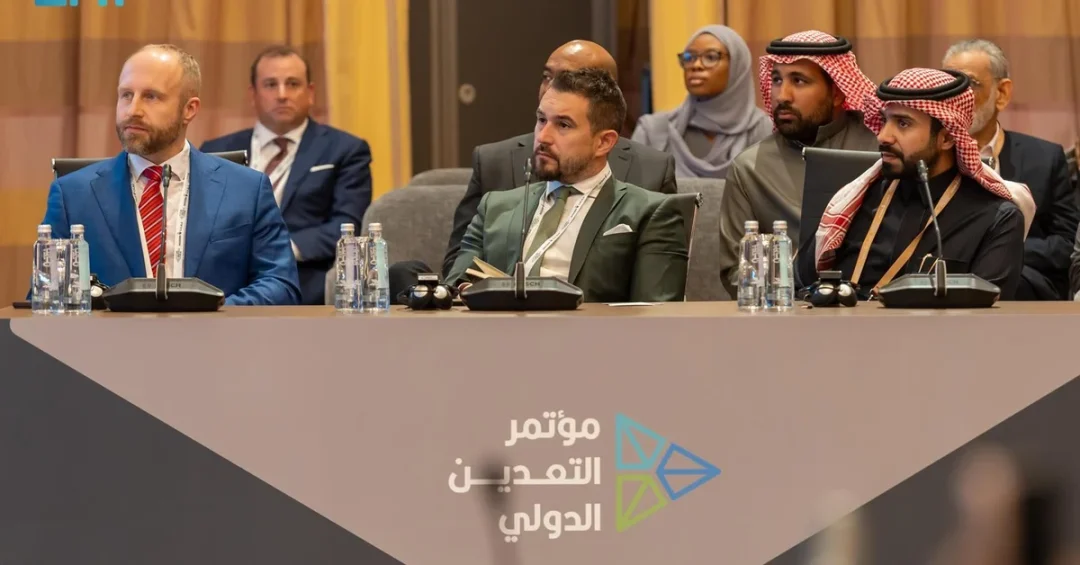
Saudi Arabia reinforced its standing as a global mining hub on January 15, 2025, as the international Future Minerals Forum opened in Riyadh, convening the fourth annual meeting of mining ministers and producing a series of memoranda of understanding and cooperation agreements among participating nations. The announcements, released through official Saudi channels including the Saudi Press Agency, underscore the Kingdom’s expanding role in a sector increasingly central to the global energy transition and to the objectives of Saudi Vision 2030. Could this gathering mark the moment when the world’s mining map is decisively redrawn around the Kingdom?
The forum, which runs until January 16, brings together representatives from nearly 90 countries, including 16 Group of Twenty (G20) nations and 50 international and non-governmental organizations. Its stated aim is to support cooperation among mineral-producing countries and to unlock the potential of a vast mining region stretching from Africa to West and Central Asia. For international observers, the event signals that Riyadh is not merely hosting a conference but actively shaping the architecture of global minerals governance at a time when demand for strategic resources is rising sharply.
Context and Background
Why has Saudi Arabia chosen mining as a pillar of its international economic diplomacy? The answer lies in the intersection of geology, geopolitics, and long-term planning. The Kingdom has identified an estimated mineral wealth endowment worth trillions of dollars, spanning gold, copper, phosphate, rare earth elements, and other materials essential to clean energy technologies, electric vehicles, and advanced manufacturing. Under Vision 2030, mining is designated as the third pillar of the national industrial economy, alongside hydrocarbons and petrochemicals, with the Ministry of Industry and Mineral Resources leading efforts to attract foreign investment and build domestic processing capacity.
The Future Minerals Forum was established to position Saudi Arabia at the center of a region that is vastly underexplored relative to its resource potential. The fourth annual meeting of mining ministers, held on the opening day, reflects a deliberate institutionalization of dialogue: rather than ad hoc bilateral conversations, the forum creates a recurring platform where producing and consuming nations can align on standards, investment frameworks, and supply chain resilience. The presence of 16 G20 nations and 50 international organizations indicates that this platform is now treated as a serious venue for policy coordination, not a ceremonial showcase.
The timing is significant. Global demand for critical minerals is projected to rise steeply through the 2030s, driven by the energy transition and the digital economy. At the same time, supply chains remain concentrated in a small number of jurisdictions, exposing importers to geopolitical and logistical risks. Against this backdrop, Saudi Arabia’s convening power offers a neutral, well-capitalized setting in which producer and consumer interests can be reconciled. The Kingdom’s own geological surveys, supported by modern exploration technologies, are beginning to yield data that could alter regional investment calculations.
Key Details
What exactly was announced, and what does it mean for the sector? During the first day’s proceedings, several countries signed memoranda of understanding and cooperation agreements aimed at strengthening international partnerships in mining and minerals. These instruments, released via official Saudi sources, cover areas such as knowledge exchange, joint exploration, capacity building, and the development of sustainable extraction practices. In remarks to the Saudi Press Agency, Vice Minister of Industry and Mineral Resources Eng. Khalid Al-Mudaifer stated that the Kingdom would announce new discoveries on Wednesday in various fields, including multiple types of minerals. He noted that these discoveries reflect the development of the sector and strengthen Saudi Arabia’s position as a global hub for sustainable mining.
Eng. Al-Mudaifer also emphasized the importance of continuing to enhance human capabilities and employing technology in the sector, in line with national objectives for sustainable development. This dual focus on talent and innovation is consistent with the Ministry’s broader strategy of building a mining ecosystem that can compete internationally not only on resource endowment but on technical expertise, environmental performance, and regulatory clarity. The forum’s agenda accordingly includes sessions on exploration technologies, mine-to-market logistics, and the role of minerals in the energy transition.
The scale of participation is itself a key detail. Nearly 90 countries are represented, alongside 50 international and non-governmental organizations. This breadth ensures that discussions are not confined to a single region or commodity but address the full spectrum of mining-related issues: from artisanal and small-scale mining to large-scale industrial projects, from financing models to community development. For Saudi Arabia, hosting such a diverse group reinforces its claim to be a convening power capable of bridging African, Asian, and Western perspectives.
International and Regional Impact
How will these agreements affect global mineral supply chains? The memoranda signed in Riyadh create formal channels for cooperation that can accelerate project development across the Africa-to-West-and-Central-Asia region. For mineral-producing countries in Africa, the agreements offer access to Saudi capital, technical expertise, and infrastructure partnerships that can help move projects from exploration to production more quickly. For consuming nations in Europe and Asia, they signal a potential diversification of supply away from concentrated sources, enhancing energy security and industrial resilience.
Regionally, the forum strengthens Saudi Arabia’s ties with both neighboring Gulf states and countries farther afield. By positioning itself as a hub for sustainable mining, the Kingdom can attract downstream processing and manufacturing activities, capturing more value from its own resources while offering partners a stable investment environment. The involvement of 16 G20 nations also elevates the forum’s diplomatic weight, allowing Saudi Arabia to shape international norms on responsible mining, transparency, and environmental stewardship. In a world where resource nationalism is rising, this cooperative approach is a distinctive and constructive contribution.
Economic and Strategic Significance
Why does mining matter so much to Saudi Arabia’s economic future? The sector is central to the Kingdom’s diversification agenda, offering a pathway to create jobs, generate non-oil revenue, and build industrial clusters around minerals processing and manufacturing. The new discoveries announced by Eng. Al-Mudaifer, covering multiple types of minerals, add tangible substance to the vision, demonstrating that exploration efforts are yielding results. These finds can attract further investment, as international companies gain confidence in the geological prospectivity of the Arabian Shield and adjacent regions.
Strategically, mining also supports the global energy transition. Minerals such as copper, lithium, nickel, and rare earth elements are indispensable for renewable energy systems, battery storage, and electric vehicles. By becoming a reliable supplier and processor of these materials, Saudi Arabia can contribute to global climate goals while securing its own economic future. The emphasis on technology and human capital development ensures that the sector will be knowledge-intensive, creating high-value employment for Saudi nationals and fostering innovation that can spill over into other industries.
Vision 2030 Alignment
How does the Future Minerals Forum connect to Saudi Vision 2030? Mining is explicitly identified as a key enabler of the Vision’s economic diversification goals. The Ministry of Industry and Mineral Resources is tasked with increasing mining’s contribution to gross domestic product, attracting foreign direct investment, and developing local content. The forum serves as a showcase for these efforts, allowing the Kingdom to present its regulatory reforms, investment incentives, and infrastructure projects to a global audience. The agreements signed in Riyadh are practical steps toward integrating Saudi Arabia into global value chains and establishing it as a preferred partner for mineral trade and investment.
Looking ahead, the success of the forum will be measured by the projects it catalyzes and the partnerships it sustains. Saudi Arabia’s leadership in convening nearly 90 countries demonstrates a commitment to multilateral cooperation that aligns with the Vision’s emphasis on international engagement and sustainable development. As the Kingdom continues to announce discoveries and build out its mining ecosystem, its role as a global mining hub will only grow stronger, contributing to a diversified economy and a more secure, sustainable supply of the minerals the world needs. The Future Minerals Forum is not just an event; it is a statement of intent that Saudi Arabia intends to help shape the resource landscape of the twenty-first century.
20 Questions
Q1. What is the Future Minerals Forum?
A1. The Future Minerals Forum is an international conference held in Riyadh, Saudi Arabia, that gathers mining ministers, industry leaders, and organizations to discuss cooperation, investment, and sustainable development in the minerals sector. The 2025 edition runs from January 15 to 16.
Q2. Who attended the 2025 forum?
A2. Representatives from nearly 90 countries attended, including 16 Group of Twenty nations and 50 international and non-governmental organizations. The event also hosted global mining leaders and government officials from the Africa to West and Central Asia region.
Q3. What agreements were signed at the forum?
A3. Several countries signed memoranda of understanding and cooperation agreements to strengthen international partnerships in mining and minerals. These agreements focus on collaboration, competitiveness, and sustainability in the production of strategic minerals.
Q4. What did Vice Minister Khalid Al-Mudaifer announce?
A4. Eng. Khalid Al-Mudaifer, Vice Minister of Industry and Mineral Resources, stated that the Kingdom would announce new discoveries on Wednesday in various fields, including multiple types of minerals, reflecting sector development and strengthening Saudi Arabia’s position as a global mining hub.
Q5. Why is Saudi Arabia positioning itself as a mining hub?
A5. Saudi Arabia aims to diversify its economy under Vision 2030 by developing mining as a third pillar alongside oil and petrochemicals. The Kingdom seeks to attract investment, create jobs, and supply minerals needed for the global energy transition.
Q6. What is the significance of the fourth annual meeting of mining ministers?
A6. The meeting institutionalizes dialogue among producing and consuming nations, creating a recurring platform to align on standards, investment frameworks, and supply chain resilience. It demonstrates Saudi Arabia’s convening power in global minerals governance.
Q7. How does the forum support sustainable development?
A7. The forum promotes sustainable mining practices, technology adoption, and human capacity building. It aligns with national objectives to achieve sustainable development and ensures the industry’s long-term viability for future generations.
Q8. What minerals are of interest in Saudi Arabia?
A8. Saudi Arabia has significant deposits of gold, copper, phosphate, rare earth elements, and other minerals essential for clean energy technologies, electric vehicles, and advanced manufacturing. New discoveries continue to expand the known resource base.
Q9. How many countries are part of the mining region mentioned?
A9. The vast mining region spans from Africa to West and Central Asia. The forum aims to support cooperation among mineral-producing countries within this broad geographic area, maximizing its potential.
Q10. What role does technology play in Saudi Arabia’s mining strategy?
A10. Technology is central to enhancing exploration, extraction efficiency, and environmental performance. Eng. Al-Mudaifer emphasized employing technology in the sector to support sustainable development and improve competitiveness.
Q11. How does the forum enhance international relations?
A11. By bringing together nearly 90 countries and 50 organizations, the forum fosters diplomatic and commercial ties. The signed agreements strengthen partnerships and align with efforts to enhance international relations in the vital mining sector.
Q12. What is the expected outcome of the forum?
A12. The forum is expected to foster international cooperation and yield key agreements that enhance the Kingdom’s position as a global mining hub. It also sets the stage for future collaboration and investment in the sector.
Q13. How does mining contribute to Vision 2030?
A13. Mining is a key enabler of economic diversification, job creation, and non-oil revenue generation. Vision 2030 targets increasing mining’s GDP contribution and attracting foreign investment in the sector.
Q14. What is the Arabian Shield’s relevance to mining?
A14. The Arabian Shield is a geologically rich area in Saudi Arabia with substantial mineral potential. Exploration efforts there are yielding new discoveries, attracting international interest and investment in the Kingdom’s mining sector.
Q15. Who is Eng. Khalid Al-Mudaifer?
A15. Eng. Khalid Al-Mudaifer is the Vice Minister of Industry and Mineral Resources of Saudi Arabia. He represents the Ministry in international forums and has highlighted the Kingdom’s mining developments and strategies.
Q16. How does the forum address energy transition goals?
A16. The forum focuses on advancing the mining industry to support sustainable economies and energy transition goals. Minerals like copper and lithium are essential for renewable energy and electric vehicles, making mining crucial for the transition.
Q17. What benefits do participating countries gain?
A17. Participating countries gain access to partnerships, investment opportunities, and knowledge exchange. They can collaborate on exploration, technology, and sustainable practices, enhancing their own mining sectors and supply chains.
Q18. How is Saudi Arabia ensuring sustainability in mining?
A18. Saudi Arabia emphasizes sustainable mining through technology, human capacity building, and regulatory frameworks. The forum highlights the importance of ensuring the industry’s sustainability for the future, balancing economic growth with environmental responsibility.
Q19. What are the next steps after the forum?
A19. Following the forum, signed agreements will be implemented, and new discoveries will be developed. Saudi Arabia will continue to attract investment and build its mining ecosystem, strengthening its role as a global hub.
Q20. Why is the Future Minerals Forum important for global audiences?
A20. It provides a platform for international cooperation on critical minerals, which are vital for the global economy and energy transition. Saudi Arabia’s leadership in hosting the forum demonstrates its commitment to sustainable development and global partnership.
Reader Feedback
We value your thoughts. Please share your feedback on this article.
Your feedback helps us improve our coverage.
Related articles
 Saudi Media Academy, KAU Sign Cooperation Agreement
 OIC News Agencies Union Signs Education Pact with Pakistan University
 UNA Chief Keynotes Islamabad Girls’ Education Conference
 Saudi Arabia Leads Global Mining Dialogue at Riyadh Ministerial
 Saudi Arabia, Italy Sign Energy Cooperation MoU
 Saudi Weather Forecast: Rain, Fog Expected Wednesday