


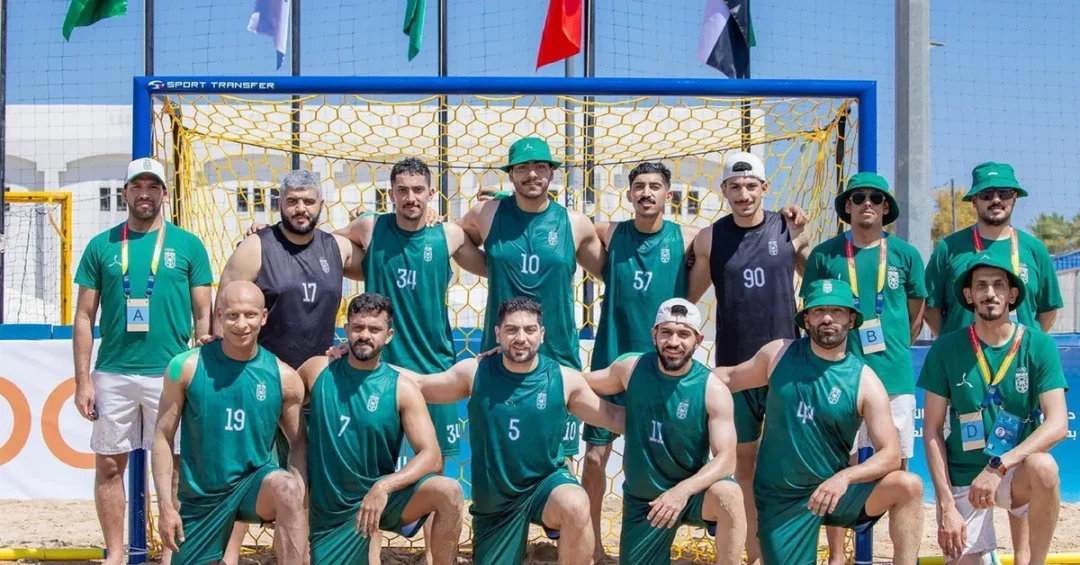
The Saudi national team officially began its participation in the Third Gulf Cooperation Council (GCC) Beach Games on Saturday, April 5, 2025, in Muscat, the capital of the Sultanate of Oman, opening its campaign with a beach handball match against Bahrain. The match concluded with Bahrain winning by two halves to one, according to the Saudi Press Agency (SPA). The Saudi delegation, comprising 50 players, is competing across seven beach sports: beach soccer, handball, volleyball, swimming, paragliding, and athletics. The official opening ceremony is scheduled for this evening at Qurum Natural Park in Muscat, featuring artistic and cultural performances that celebrate Gulf identity.
Why does Saudi Arabia’s participation in a regional sporting event matter beyond the final score? The Third GCC Beach Games, hosted by Oman, represent a significant moment for Gulf cooperation, youth engagement, and the growing prominence of Saudi Arabia’s athletes on the regional stage. This event aligns with the Kingdom’s broader efforts to promote sports as a pillar of social development and international diplomacy, as outlined in Saudi Vision 2030. The Saudi delegation’s presence in seven disciplines underscores the Kingdom’s commitment to nurturing athletic talent and fostering closer ties with its Gulf neighbors.
Context and Background
What is the significance of the GCC Beach Games within the region’s sporting calendar? The Gulf Cooperation Council, established in 1981, comprises six member states: Saudi Arabia, the United Arab Emirates, Qatar, Kuwait, Bahrain, and Oman. The GCC Beach Games were launched to promote sports that reflect the region’s coastal heritage and to strengthen bonds among member nations. The first edition was held in 2019 in Doha, Qatar, followed by the second in 2021 in Jeddah, Saudi Arabia. The third edition, now underway in Muscat, continues this tradition of rotating hosting duties and collaborative athletic excellence.
Saudi Arabia’s participation is coordinated by the Saudi Olympic and Paralympic Committee and the Ministry of Sport, which have been instrumental in expanding the Kingdom’s presence in regional and international competitions. Under the leadership of His Royal Highness Crown Prince Mohammed bin Salman, Saudi Arabia has invested heavily in sports infrastructure, athlete development, and hosting major events. The Kingdom’s delegation to Oman includes athletes from various regions, reflecting the nationwide push to identify and support talent. The beach handball match against Bahrain, though a loss, provided valuable experience for the Saudi squad as they prepare for upcoming fixtures in other sports.
The GCC Beach Games are more than a competition; they are a platform for cultural exchange and regional unity. Oman’s hosting of the event, with the opening ceremony at Qurum Natural Park, highlights the shared Gulf identity and the importance of environmental conservation, as the park is a protected natural reserve. The event also serves as a test of organizational capacity for future larger tournaments, including the Asian Beach Games and potential Olympic qualifiers. Saudi Arabia’s active role in such events signals its commitment to regional stability and cooperation through sport.
Key Details of Saudi Participation
How is the Saudi delegation structured, and what can fans expect in the coming days? The 50-member Saudi delegation is competing in seven beach sports, each with its own set of athletes and coaches. The beach soccer team, a strong contender in the region, will aim for a podium finish. Beach volleyball and handball teams are also expected to be competitive, while swimming, paragliding, and athletics will showcase individual talents. The Saudi team’s participation is managed by a delegation headed by officials from the Ministry of Sport, ensuring logistical and technical support throughout the games.
The opening match in beach handball saw Saudi Arabia face a determined Bahraini side. Despite the 2-1 loss, the Saudi players demonstrated skill and sportsmanship, setting a positive tone for the remainder of the tournament. The match was held at a purpose-built beach venue in Muscat, with spectators from across the Gulf in attendance. The Saudi delegation includes several rising stars who have trained at the Kingdom’s specialized sports academies, part of a broader initiative to develop grassroots talent. The experience gained in Oman will be invaluable as Saudi Arabia prepares to host future regional and international events.
The official opening ceremony at Qurum Natural Park will feature artistic and cultural performances that reflect the essence of Gulf identity. Saudi Arabia’s cultural troupe is expected to participate, showcasing traditional music, dance, and crafts. This cultural dimension of the Games underscores the holistic approach to sports promoted by the GCC, blending athletic competition with cultural celebration. The ceremony will be attended by senior officials from all participating nations, further highlighting the diplomatic importance of the event.
International and Regional Impact
What does Saudi Arabia’s participation mean for its international standing and regional relationships? The Kingdom’s involvement in the GCC Beach Games is part of a wider strategy to enhance its soft power and foster goodwill among neighboring countries. By competing in Oman, Saudi Arabia reinforces its commitment to Gulf unity and mutual respect. The event also provides a platform for Saudi athletes to gain international exposure, which is essential for their development and for the Kingdom’s aspirations to excel in global sports arenas.
The Games also serve as a confidence-building measure among GCC states, promoting people-to-people ties and reducing barriers. Saudi Arabia’s positive engagement in such regional events is consistent with its foreign policy objectives of stability and cooperation. Moreover, the presence of Saudi female athletes in some disciplines, though not confirmed for this edition, would align with the Kingdom’s ongoing reforms to empower women in sports. The GCC Beach Games thus contribute to a more integrated and harmonious Gulf region, with Saudi Arabia playing a leading role.
Economic and Strategic Significance
Why should the economic and strategic dimensions of the GCC Beach Games matter to observers? Hosting and participating in regional sporting events stimulates local economies through tourism, hospitality, and infrastructure development. For Oman, hosting the Games brings economic benefits and showcases its tourism potential. For Saudi Arabia, participation is a strategic investment in its athletes and in its reputation as a sporting hub. The Kingdom has recently hosted major events like the FIFA World Cup qualifiers, Formula 1, and the Dakar Rally, and its experience in Oman will inform future hosting bids.
Strategically, the Games are a testament to the GCC’s ability to collaborate on non-political matters, which can have spillover effects on economic integration. Saudi Arabia’s Vision 2030 aims to diversify the economy away from oil, and sports tourism is a key component. By supporting events like the GCC Beach Games, the Kingdom promotes its own sports sector and encourages private investment. The Ministry of Sport has launched several initiatives to increase sports participation among citizens, and regional competitions provide role models for young Saudis. The long-term payoff includes a healthier population, a more vibrant economy, and a stronger international image.
Vision 2030 Alignment
How does Saudi Arabia’s participation in the Third GCC Beach Games align with Vision 2030? The Kingdom’s Vision 2030, launched in 2016 by Crown Prince Mohammed bin Salman, seeks to transform Saudi society and economy. One of its pillars is a vibrant society, which includes promoting sports and physical activity. The Quality of Life Program, a key Vision 2030 initiative, aims to increase the number of people exercising regularly and to develop sports infrastructure. The Saudi delegation’s participation in Oman is a direct manifestation of these goals, providing athletes with competitive experience and inspiring citizens to engage in sports.
Furthermore, Vision 2030 emphasizes international cooperation and diplomacy. By competing in the GCC Beach Games, Saudi Arabia strengthens its ties with Gulf neighbors and demonstrates its commitment to regional stability. The event also showcases the Kingdom’s modern, forward-looking identity, countering stereotypes and highlighting the talents of its youth. As Saudi Arabia continues to host and participate in global sporting events, each competition becomes a step toward achieving the Vision’s objectives of a diversified economy, a proud nation, and a thriving society. The Third GCC Beach Games in Oman are not just a sporting fixture; they are a milestone on Saudi Arabia’s journey toward a brighter future.
20 Questions
Q1. What are the Third GCC Beach Games?
A1. The Third GCC Beach Games are a regional multi-sport event for Gulf Cooperation Council member states, held in Muscat, Oman, in April 2025. They feature beach sports like soccer, handball, volleyball, swimming, paragliding, and athletics, promoting Gulf unity and athletic excellence.
Q2. When did the Saudi national team begin its participation?
A2. The Saudi national team began its participation on Saturday, April 5, 2025, with a beach handball match against Bahrain. The match ended with Bahrain winning 2-1, according to the Saudi Press Agency.
Q3. How many players are in the Saudi delegation?
A3. The Saudi delegation consists of 50 players competing across seven beach sports. They are supported by coaches, officials, and medical staff from the Ministry of Sport and the Saudi Olympic and Paralympic Committee.
Q4. Which sports is Saudi Arabia competing in?
A4. Saudi Arabia is competing in beach soccer, handball, volleyball, swimming, paragliding, and athletics. These sports reflect the diversity of the Kingdom’s athletic talent and its commitment to developing a broad sports base.
Q5. Where is the opening ceremony being held?
A5. The official opening ceremony is taking place at Qurum Natural Park in Muscat, Oman. The event features artistic and cultural performances that celebrate Gulf identity and heritage.
Q6. What was the result of the Saudi handball match?
A6. The Saudi beach handball team lost to Bahrain by two halves to one. Despite the loss, the match provided valuable experience for the Saudi players and set a positive tone for the rest of the tournament.
Q7. Who organized the GCC Beach Games?
A7. The GCC Beach Games are organized by the Gulf Cooperation Council in collaboration with the host country’s sports authorities. The third edition is hosted by Oman, with coordination from the GCC General Secretariat.
Q8. What is the significance of the GCC Beach Games?
A8. The Games promote regional cooperation, cultural exchange, and athletic development among GCC states. They provide a platform for athletes to compete internationally and strengthen ties between Gulf nations.
Q9. How does Saudi Arabia’s participation align with Vision 2030?
A9. Participation supports Vision 2030’s Quality of Life Program by encouraging sports, developing talent, and enhancing international cooperation. It reflects the Kingdom’s commitment to a vibrant society and a diversified economy.
Q10. Are there any Saudi female athletes in the delegation?
A10. The source material does not specify the gender composition of the delegation. However, Saudi Arabia has been increasingly including women in sports, in line with Vision 2030 reforms.
Q11. What is the role of the Saudi Ministry of Sport?
A11. The Ministry of Sport oversees the delegation’s preparation, logistics, and technical support. It works to develop sports at all levels and to represent the Kingdom in regional and international competitions.
Q12. How many GCC member states are participating?
A12. All six GCC member states—Saudi Arabia, UAE, Qatar, Kuwait, Bahrain, and Oman—are expected to participate. The Games feature teams from each nation competing in various beach sports.
Q13. What is the history of the GCC Beach Games?
A13. The first GCC Beach Games were held in 2019 in Doha, Qatar, followed by the second in 2021 in Jeddah, Saudi Arabia. The third edition is in Muscat, Oman, continuing the rotation among member states.
Q14. What economic benefits does hosting the Games bring?
A14. Hosting the Games boosts tourism, hospitality, and local businesses. It also showcases the host country’s infrastructure and organizational capacity, potentially attracting future events and investment.
Q15. How does Saudi Arabia benefit from participating?
A15. Saudi Arabia gains competitive experience for its athletes, strengthens regional ties, and promotes its modern image. It also supports the Kingdom’s goal of becoming a global sports hub.
Q16. What is Qurum Natural Park?
A16. Qurum Natural Park is a protected natural reserve in Muscat, Oman, known for its mangroves and biodiversity. It is a popular recreational area and serves as the venue for the opening ceremony.
Q17. What other sports events has Saudi Arabia hosted recently?
A17. Saudi Arabia has hosted Formula 1, the Dakar Rally, FIFA World Cup qualifiers, and the Saudi Games. These events demonstrate the Kingdom’s growing capacity to host major international competitions.
Q18. What is the expected outcome for Saudi Arabia in the Games?
A18. While outcomes are uncertain, Saudi athletes aim to compete strongly and gain experience. The delegation’s goal is to represent the Kingdom with pride and to build momentum for future events.
Q19. How can fans follow the Saudi team’s progress?
A19. Fans can follow updates through the Saudi Press Agency and the Ministry of Sport’s official channels. Local and regional media are also covering the Games extensively.
Q20. What message does Saudi Arabia’s participation send?
A20. It sends a message of Gulf unity, youth empowerment, and Saudi Arabia’s commitment to sports as a tool for development and diplomacy. It reflects the Kingdom’s forward-looking vision and regional leadership.
Reader Feedback
We value your thoughts. Please share your feedback on this article.
Your feedback helps us improve our coverage.
Related articles
 Jeddah to Host FIBA Asia Cup 2025 Draw on Tuesday
 Jeddah to Host Al-Qahtani vs. Reda at PFL MENA
 Saudi Football History Project Sends Draft Terms to Clubs
 First Sports Investment Forum Kicks Off in Riyadh
 SDRPY Enhances Yemen’s Sports Infrastructure, Expands Youth
 SIF Highlights Government Role in Sports Economy