


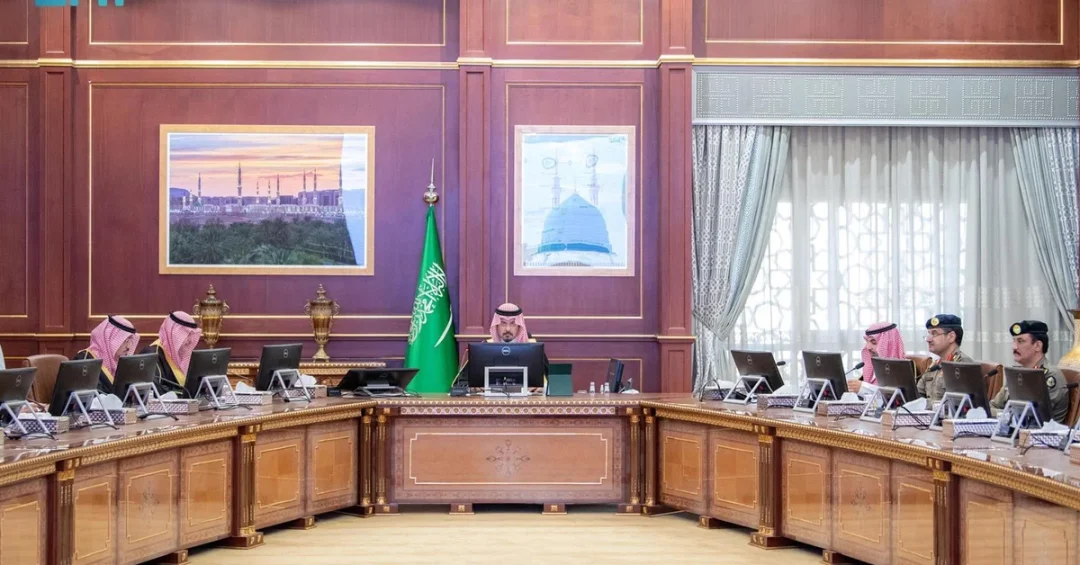
Prince Salman bin Sultan bin Abdulaziz, Governor of the Madinah Region and Chairman of the Hajj and Visit Committee in the region, chaired a high-level coordination meeting in Madinah to review the readiness of government agencies for the holy month of Ramadan, according to the Saudi Press Agency (SPA). The meeting, reported by the Kingdom’s official news agency on December 31, 2024, brought together the heads of several government agencies whose work directly serves the millions of worshippers and visitors expected at the Prophet’s Mosque during the fasting month. Could any planning effort matter more than one devoted to the comfort of guests arriving for the most spiritually significant season of the Islamic year?
The session reflects the continuing priority Saudi Arabia’s leadership places on the service of visitors to the Prophet’s Mosque, one of the most revered sites in the Islamic world. Ramadan is the busiest period of the year for Madinah, when pilgrims and worshippers from across the Kingdom and around the globe travel to the city to pray, fast, and perform religious observances. The meeting therefore functioned as both an operational review and a forward-looking exercise, aligning the efforts of ministries, security bodies, health services, transport authorities, and municipal teams well before the first day of the holy month. In line with the Kingdom’s established practice, the details were communicated through official Saudi channels, underscoring the transparency and coordination that underpin the management of the two holy mosques and their surroundings.
Context and Background
How does a city prepare to welcome millions of guests in the span of a few weeks? For Madinah, the answer lies in months of advance coordination. The Hajj and Visit Committee of the Madinah Region serves as the central coordinating body for the many agencies involved in hosting visitors, and its chairmanship by the region’s governor signals the level of official attention the file receives. During Ramadan, the Prophet’s Mosque experiences a pronounced surge in attendance, particularly during the last ten nights of the month, when worshippers seek to observe Laylat al-Qadr and participate in extended night prayers. Accommodation, transport, food services, sanitation, and medical care must all scale up simultaneously, and any weak link can affect the experience of hundreds of thousands of people on a single night.
Madinah has long occupied a unique place in the organizational map of the Kingdom. Unlike the Hajj, which is concentrated in a defined window of the year, Ramadan visitation is spread across roughly thirty days and peaks unpredictably. That pattern demands flexible staffing, dynamic traffic management, and close monitoring of capacity at the Prophet’s Mosque and its surrounding plazas. The meeting chaired by Prince Salman bin Sultan bin Abdulaziz therefore forms part of a continuous cycle of readiness reviews that Saudi authorities conduct before each major season. The governor’s emphasis on raising the level of preparedness across all concerned parties reinforces a simple principle: the comfort, security, and reassurance of visitors is treated as a shared responsibility that begins at the top of the regional administration and extends to every frontline worker.
Key Details of the Meeting
What exactly was discussed behind the meeting room doors? According to the Saudi Press Agency, the governor commended the great care given by the wise leadership to the visitors of the Prophet’s Mosque and stressed the need to elevate the readiness of all relevant parties to guarantee the highest levels of comfort, security, and reassurance for visitors throughout Ramadan. The meeting was attended by the heads of several government agencies, a detail that matters because it confirms the gathering was operational rather than ceremonial. When the individuals who command security, health, transport, and municipal services sit in the same room, decisions on staffing levels, contingency plans, and resource allocation can be made quickly and with a shared understanding of priorities.
The meeting concluded with a discussion of the latest developments related to operations at Prince Mohammad bin Abdulaziz International Airport in Madinah, the principal air gateway for visitors arriving from outside the Kingdom. Airport operations are a critical link in the Ramadan chain: a smooth arrival experience sets the tone for a visitor’s entire stay, while congestion at immigration, baggage handling, or ground transport can ripple through the city’s hospitality system. By reviewing airport developments at the close of the session, the committee signaled that the visitor journey is being examined end to end, from the moment a pilgrim’s plane touches down to the moment of departure. This holistic approach is consistent with the Kingdom’s wider efforts to deliver a seamless experience at its religious destinations.
International and Regional Impact
Why should an observer outside Saudi Arabia pay attention to a regional coordination meeting? Because the visitors who benefit come from every continent. The Prophet’s Mosque draws worshippers from Africa, Asia, Europe, and the Americas, and the quality of their experience shapes perceptions of the Kingdom far beyond its borders. International media and travel communities closely watch how Saudi Arabia manages large-scale religious visitation, particularly as the numbers of Umrah performers and Ramadan visitors continue to grow. A well-run Ramadan season in Madinah becomes a powerful statement about the Kingdom’s organizational capacity, its hospitality traditions, and its commitment to the safety of all guests regardless of nationality or background.
Regionally, the meeting also carries weight among Gulf Cooperation Council states and the broader Middle East, where the two holy mosques hold deep significance for millions of Muslims. Coordinated preparations in Madinah complement parallel efforts in Makkah, creating a unified national system for hosting religious visitors during the peak season. For neighboring countries whose citizens travel frequently to the Kingdom for Umrah and Ramadan observances, the reliability of these arrangements is a practical matter of everyday importance. The governor’s meeting therefore sits at the intersection of faith, diplomacy, and public administration, demonstrating how Saudi Arabia translates its custodianship of the holy sites into tangible services that reach people across the Islamic world.
Economic and Strategic Significance
What does a successful Ramadan season mean for the Kingdom’s economy? Religious visitation is a major economic engine for Madinah and the wider region. Hotels, furnished apartments, restaurants, retail outlets, transport operators, and small businesses all see demand rise sharply during the holy month, generating income and employment for local communities. When authorities coordinate in advance, they help businesses plan inventory, hire seasonal staff, and invest with confidence. The attention given to airport operations is equally strategic: efficient arrival and departure processes encourage repeat visitation and strengthen the Kingdom’s reputation as a destination that handles high volumes with professionalism and care.
The strategic dimension extends beyond direct spending. Religious tourism supports the diversification objectives at the heart of Saudi Arabia’s long-term economic transformation, complementing sectors such as entertainment, culture, and logistics. Every improvement in the visitor experience, from crowd management at the Prophet’s Mosque to digital services for travelers, contributes to a broader national capability in managing mega-events and large gatherings. That capability has value well beyond Ramadan, positioning Saudi Arabia as a global reference point for hosting millions of guests safely and comfortably. The governor’s insistence on the highest levels of readiness is thus not only a service directive but also an investment in the Kingdom’s standing as a world-class host.
Vision 2030 Alignment
How does a Ramadan readiness meeting connect to Saudi Vision 2030? The Vision, launched under the leadership of Crown Prince Mohammed bin Salman, sets out to elevate the quality of life for citizens and visitors alike, expand the role of the private sector, and strengthen the Kingdom’s position as a global destination. The Pilgrim Experience Program, one of the Vision’s executive programs, aims to enrich the journey of every visitor to the holy sites through better infrastructure, smoother procedures, and higher service standards. The coordination led by Prince Salman bin Sultan bin Abdulaziz in Madinah is a direct expression of those goals in daily practice, translating national strategy into arrangements that a worshipper can feel from the moment of arrival.
As Ramadan approaches, the meeting’s outcomes will be tested in the streets, terminals, and plazas of Madinah, where the true measure of success is the ease and tranquility of each visitor’s experience. The Kingdom’s leadership has consistently framed the service of the Prophet’s Mosque’s visitors as an honor and a responsibility, and the regional committee’s work reflects that spirit of stewardship. For an international audience, the message is clear: Saudi Arabia prepares for its most sacred season with the same rigor it applies to any major national undertaking, combining faith, planning, and modern management. Does that not say something meaningful about how the Kingdom intends to serve the world in the years ahead?
20 Questions
Q1. What was the purpose of the meeting chaired by the Governor of Madinah Region?
A1. The meeting reviewed the preparations of government agencies for the holy month of Ramadan, focusing on ensuring comfort, security, and reassurance for visitors to the Prophet’s Mosque, as reported by the Saudi Press Agency.
Q2. Who chaired the Ramadan preparations meeting in Madinah?
A2. Prince Salman bin Sultan bin Abdulaziz, Governor of the Madinah Region and Chairman of the Hajj and Visit Committee in the region, chaired the meeting, according to the Saudi Press Agency.
Q3. When was the meeting held and reported?
A3. The Saudi Press Agency reported the meeting on December 31, 2024, from Madinah, covering the discussion of preparations for the month of Ramadan.
Q4. Who attended the meeting?
A4. The meeting was attended by the heads of several government agencies whose responsibilities relate to serving visitors and managing operations in the Madinah Region during the holy month.
Q5. What did the governor emphasize during the session?
A5. He commended the great care given by the wise leadership to the visitors of the Prophet’s Mosque and emphasized raising the readiness of all concerned parties to ensure the highest levels of comfort, security, and reassurance.
Q6. Why is Ramadan a particularly busy period for Madinah?
A6. Ramadan draws large numbers of worshippers and visitors from inside and outside the Kingdom to the Prophet’s Mosque, especially during the last ten nights, making it the busiest season of the year.
Q7. What airport operations were discussed at the meeting?
A7. The meeting concluded with a discussion of the latest developments related to operations at Prince Mohammad bin Abdulaziz International Airport in Madinah, the main air gateway for arriving visitors.
Q8. Why is the airport important for Ramadan preparations?
A8. The airport is the first point of contact for many international visitors, so smooth immigration, baggage, and ground transport processes shape the overall quality of the visitor experience.
Q9. What role does the Hajj and Visit Committee play?
A9. The committee coordinates the efforts of multiple government agencies involved in hosting visitors, ensuring that services, security, health, and transport operate in an integrated manner.
Q10. How does this meeting benefit international visitors?
A10. By aligning agencies in advance, the meeting helps ensure that visitors from around the world receive efficient services, safe conditions, and a comfortable experience throughout their stay in Madinah.
Q11. What does the meeting reveal about Saudi Arabia’s approach to religious visitation?
A11. It shows a structured, year-round approach in which senior officials review readiness well before peak seasons, reflecting the Kingdom’s commitment to serving the guests of the Prophet’s Mosque.
Q12. How does Ramadan visitation differ from Hajj?
A12. Ramadan visitation extends across the entire month with peaks in the final ten nights, requiring flexible staffing and dynamic capacity management rather than the fixed, concentrated schedule of Hajj.
Q13. What economic benefits does Ramadan bring to Madinah?
A13. The holy month boosts hotels, restaurants, retail, transport, and local services, generating income and seasonal employment for businesses and residents across the region.
Q14. How does the meeting connect to Saudi Vision 2030?
A14. It supports the Pilgrim Experience Program by improving infrastructure, procedures, and service standards for visitors, in line with Vision 2030 goals for quality of life and global standing.
Q15. What does the Saudi Press Agency report indicate about leadership priorities?
A15. It indicates that the leadership places the care of the Prophet’s Mosque’s visitors among its highest priorities, with the governor personally overseeing readiness for the holy month.
Q16. Which agencies would typically be involved in such preparations?
A16. Heads of several government agencies attended, covering areas such as security, health, transport, municipal services, and airport operations, all coordinated under the regional committee.
Q17. Why does coordination matter more than individual effort in Ramadan planning?
A17. Because visitor services form a chain, a single bottleneck in transport, health, or arrivals can affect many people, so joint planning ensures consistent standards across all touchpoints.
Q18. What message does the meeting send to the international community?
A18. It signals that Saudi Arabia manages its religious seasons with professionalism and care, reinforcing its reputation as a reliable and hospitable host for millions of guests.
Q19. How does this meeting fit into the Kingdom’s wider preparations?
A19. It forms part of a continuous cycle of readiness reviews conducted before major seasons, complementing parallel efforts in Makkah and other regions to serve religious visitors.
Q20. What is the expected outcome of the meeting for Ramadan visitors?
A20. The meeting aims to ensure that all agencies reach the highest levels of readiness, so visitors experience comfort, security, and reassurance throughout the holy month in Madinah.
Reader Feedback
We value your thoughts. Please share your feedback on this article.
Your feedback helps us improve our coverage.
Related articles
 KSrelief Wins Arab League Family and Child-Friendly Award
 KSrelief Signs $359,000 Water and Sanitation Project in Yemen
 KSrelief Inspects Health Institute Renovation in Lahij
 4.9-Magnitude Earthquake Strikes Argentina’s Jujuy
 Saudi Weather Forecast: Dust Winds, Rain, Frost Wednesday
 Saudi Arabia Launches First Aid Airlift Shipment to Syria