


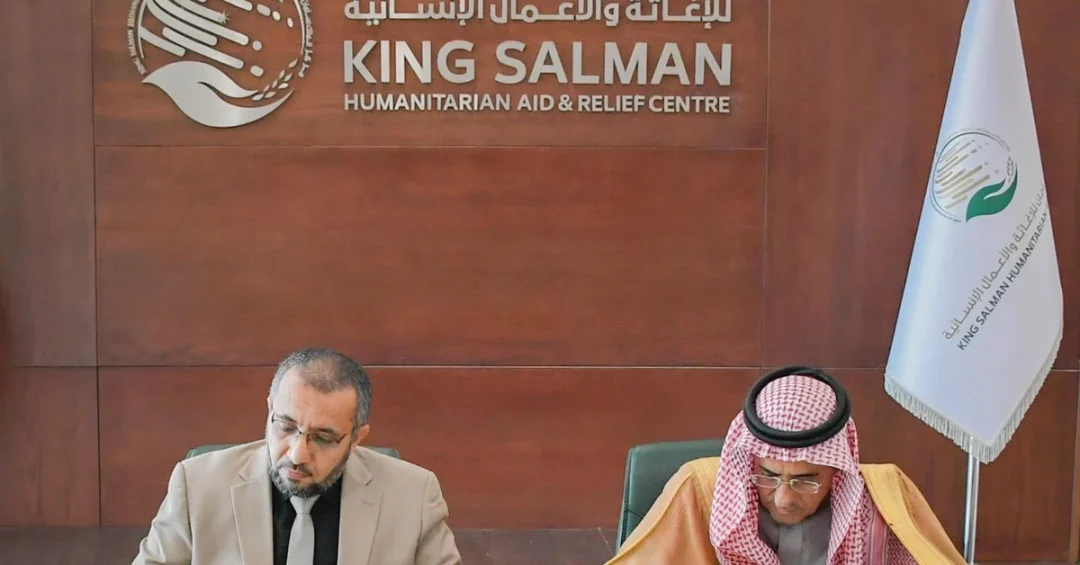
The King Salman Humanitarian Aid and Relief Center (KSrelief) signed a collaborative agreement on December 31, 2024, to implement the ninth phase of a water supply and environmental sanitation project in Yemen’s Hudaydah Governorate, with a total value of $359,000. The agreement was signed by Eng. Ahmed bin Ali Al-Baiz, Assistant Supervisor General of KSrelief for Operations and Programs, at the center’s headquarters in Riyadh, according to the Saudi Press Agency (SPA). The project is designed to improve water supply and sanitation services, promote hygiene, and reduce the spread of disease among communities affected by the humanitarian crisis in Yemen.
Under the terms of the agreement, the project will distribute personal hygiene kits and toilet cleaning supplies, install 20 mobile toilets, and provide access to safe drinking water suitable for domestic use. The initiative is expected to benefit 131,662 individuals in Hudaydah, one of Yemen’s most vulnerable governorates. This agreement forms part of a broader series of humanitarian and relief projects and programs in the water and sanitation sector implemented by the Kingdom of Saudi Arabia through KSrelief, aimed at improving quality of life, providing sustainable environmental solutions, and reducing the spread of diseases and epidemics in needy countries around the world. How does a single agreement translate into lasting change for communities facing acute water scarcity?
Context and Background
Yemen has endured years of conflict and instability, leaving millions of people without reliable access to clean water, adequate sanitation, and basic healthcare. Hudaydah Governorate, located on Yemen’s western coast, has been particularly affected, with its infrastructure severely damaged and its population exposed to waterborne diseases. In this challenging environment, Saudi Arabia has consistently stepped forward as a leading humanitarian donor, providing aid through KSrelief and other official channels. The Kingdom’s efforts are rooted in its longstanding commitment to supporting Yemeni brothers and sisters and alleviating their suffering.
KSrelief, established in 2015 by royal decree, has since become a global humanitarian powerhouse, implementing thousands of projects in dozens of countries. Its work in Yemen spans food security, health, education, water, sanitation, and shelter. The water supply and environmental sanitation project in Hudaydah is now entering its ninth phase, demonstrating a sustained, long-term approach rather than a one-off intervention. This continuity is vital because rebuilding water systems and changing hygiene behaviors require persistent effort. What makes the ninth phase different from previous ones? It builds on lessons learned and expands reach to more households, ensuring that gains are not lost.
The agreement was signed by Eng. Ahmed bin Ali Al-Baiz, a senior official with extensive experience in relief operations. His role as Assistant Supervisor General for Operations and Programs underscores the center’s hands-on management of projects from Riyadh to the field. The signing took place at KSrelief headquarters, reflecting the centralized coordination that ensures Saudi aid is delivered efficiently and transparently. The total value of $359,000 may seem modest, but when multiplied across phases and integrated with other interventions, it represents a significant investment in human dignity and public health.
Key Details of the Agreement
The core components of the project are practical and targeted. First, it will improve water supply and sanitation services, ensuring that families have access to safe drinking water suitable for domestic use. This is critical in Hudaydah, where many communities rely on unsafe sources, leading to cholera and other waterborne diseases. Second, the project will promote hygiene through the distribution of personal hygiene kits and toilet cleaning supplies. These kits typically include soap, toothpaste, sanitary pads, and other essentials that help prevent illness. Third, the installation of 20 mobile toilets will provide immediate sanitation solutions for displaced persons and vulnerable households, reducing open defecation and environmental contamination.
The project is expected to benefit 131,662 individuals, a figure that highlights its wide reach. Beneficiaries will include internally displaced persons, host communities, and families living in remote or underserved areas. The selection of Hudaydah is strategic: the governorate hosts a large population and has been a focal point of humanitarian needs. By targeting this area, KSrelief addresses a critical gap in services that might otherwise be neglected. The mobile toilets, in particular, offer flexibility, as they can be relocated to areas with the greatest need, such as temporary settlements or areas where infrastructure is completely destroyed.
Moreover, the agreement includes provisions for monitoring and evaluation, ensuring that the project delivers measurable results. KSrelief typically works with local civil society institutions to implement such projects, leveraging their knowledge of the community and their ability to operate in challenging environments. This partnership model enhances sustainability and local ownership. The distribution of hygiene kits and cleaning supplies will be accompanied by awareness sessions, teaching families about proper hygiene practices. These sessions are crucial for creating lasting behavioral change. How can a simple hygiene kit save a life? By preventing the spread of diseases that thrive in unsanitary conditions, especially among children and the elderly.
International and Regional Impact
Saudi Arabia’s humanitarian efforts in Yemen are part of a broader regional and international commitment to stability and prosperity. The Kingdom has been a key member of the Coalition to Restore Legitimacy in Yemen, but its role extends far beyond military support. Through KSrelief, Saudi Arabia has provided billions of dollars in aid, making it one of the largest donors to Yemen. This project in Hudaydah contributes to the global humanitarian response, complementing the work of the United Nations and other international organizations. It also reinforces Saudi Arabia’s position as a responsible global actor, committed to alleviating suffering and promoting sustainable development.
Regionally, the project supports efforts to prevent the spread of epidemics that could cross borders. Waterborne diseases do not respect national boundaries, and by improving sanitation in Hudaydah, Saudi Arabia helps protect public health across the Arabian Peninsula. The Kingdom’s leadership in this area has been recognized by international partners, who often cite KSrelief as a model for effective and timely humanitarian intervention. Furthermore, the project aligns with the objectives of the Saudi-led initiative to support Yemen’s economy and infrastructure, which includes rebuilding ports, roads, and hospitals. What does this mean for the wider Middle East? It signals that Saudi Arabia is a force for stability and compassion, not just in words but in concrete actions.
The agreement also highlights the importance of international cooperation. KSrelief collaborates with local civil society institutions, UN agencies, and other NGOs to maximize impact. This coordinated approach avoids duplication and ensures that resources are used efficiently. In Hudaydah, the project will be implemented in coordination with local authorities and community leaders, fostering trust and acceptance. The involvement of local partners is essential for navigating the complex operating environment and for ensuring that aid reaches those who need it most. By working together, Saudi Arabia and its partners are making a tangible difference in the lives of hundreds of thousands of Yemenis.
Economic and Strategic Significance
While the primary goal of the project is humanitarian, its economic and strategic significance should not be overlooked. A healthy population is more productive and better able to contribute to rebuilding Yemen’s economy. By reducing the burden of disease, the project helps families save money on healthcare and allows adults to work and children to attend school. This, in turn, supports long-term economic recovery and stability in Yemen, which is in the interest of the entire region. Saudi Arabia’s investment in water and sanitation is thus an investment in peace and prosperity.
Strategically, the project reinforces Saudi Arabia’s soft power and its commitment to Vision 2030, which emphasizes global engagement and humanitarian leadership. Vision 2030 aims to diversify the Kingdom’s economy and enhance its international standing, and humanitarian work is a key pillar of that vision. By showcasing its ability to deliver effective aid, Saudi Arabia strengthens its relationships with international partners and enhances its reputation as a reliable ally. The project also contributes to the security of the Red Sea region, as stable and healthy communities are less likely to become havens for extremism or conflict. How does aid in Hudaydah connect to the broader vision of a prosperous Saudi Arabia? It demonstrates that the Kingdom’s progress is intertwined with the well-being of its neighbors.
Moreover, the project creates opportunities for Saudi companies and expertise to contribute to reconstruction efforts. While this specific agreement focuses on immediate relief, it lays the groundwork for future development projects. The mobile toilets, for example, may be sourced from Saudi manufacturers, and the hygiene kits may include products made in the Kingdom. This integration of aid and trade is a hallmark of Saudi Arabia’s approach, ensuring that humanitarian work also supports economic ties. In the long run, a stable Yemen is a better trading partner and a more secure neighbor, which benefits Saudi Arabia’s economy and regional influence.
Vision 2030 Alignment
This agreement is a clear reflection of Saudi Arabia’s Vision 2030, which seeks to build a vibrant society, a thriving economy, and an ambitious nation. The humanitarian dimension of Vision 2030 is often overlooked, but it is central to the Kingdom’s identity. By providing aid to Yemen, Saudi Arabia fulfills its role as a responsible leader in the Arab and Islamic world. The project’s focus on water and sanitation also aligns with the Sustainable Development Goals (SDGs), particularly Goal 6 on clean water and sanitation, demonstrating Saudi Arabia’s commitment to global agendas.
Furthermore, Vision 2030 emphasizes the importance of partnerships and innovation. KSrelief’s collaboration with civil society institutions exemplifies this spirit, as does the use of mobile toilets and hygiene kits as innovative solutions to complex problems. The Kingdom’s humanitarian work is not just about giving money; it is about finding smart, sustainable ways to improve lives. As Saudi Arabia continues to transform its own economy and society, it remains dedicated to supporting its neighbors and contributing to a more stable and prosperous region. The Hudaydah project is a small but significant piece of that larger puzzle.
In conclusion, the KSrelief agreement to implement the ninth phase of the water supply and environmental sanitation project in Hudaydah is a testament to Saudi Arabia’s enduring commitment to humanitarian relief and its strategic vision for a better future. By providing safe water, sanitation, and hygiene education to over 131,000 individuals, the Kingdom is not only saving lives but also building the foundation for a healthier, more resilient Yemen. As the world faces increasing humanitarian challenges, Saudi Arabia’s leadership through KSrelief serves as a beacon of hope and a model for effective, compassionate action. What greater legacy could a nation strive for than to bring clean water and dignity to those in need?
20 Questions
Q1. What is the main purpose of the agreement signed by KSrelief?
A1. The agreement aims to implement the ninth phase of a water supply and environmental sanitation project in Hudaydah, Yemen, improving access to clean water, sanitation, and hygiene for affected communities.
Q2. Who signed the agreement on behalf of KSrelief?
A2. Eng. Ahmed bin Ali Al-Baiz, Assistant Supervisor General of KSrelief for Operations and Programs, signed the agreement at the center’s headquarters in Riyadh.
Q3. What is the total value of the project?
A3. The project has a total value of $359,000, funded by the Kingdom of Saudi Arabia through KSrelief.
Q4. How many individuals are expected to benefit from this project?
A4. The project is expected to benefit 131,662 individuals in Hudaydah Governorate, including displaced persons and vulnerable communities.
Q5. What specific activities will the project undertake?
A5. It will distribute personal hygiene kits and toilet cleaning supplies, install 20 mobile toilets, and provide access to safe drinking water suitable for domestic use.
Q6. Why is Hudaydah Governorate selected for this project?
A6. Hudaydah has been severely affected by the humanitarian crisis, with damaged infrastructure and high rates of waterborne diseases, making it a priority area for intervention.
Q7. What is the significance of the ninth phase?
A7. The ninth phase demonstrates Saudi Arabia’s sustained commitment to Yemen, building on previous phases to expand reach and ensure long-term improvements in water and sanitation.
Q8. How does this project align with Saudi Vision 2030?
A8. It reflects Vision 2030’s emphasis on global engagement, humanitarian leadership, and sustainable development, enhancing Saudi Arabia’s role as a responsible international actor.
Q9. What role do local civil society institutions play in the project?
A9. KSrelief partners with local institutions to implement the project, leveraging their community knowledge and ensuring aid reaches those in need effectively.
Q10. How will the project reduce the spread of diseases?
A10. By providing safe water, sanitation facilities, and hygiene education, the project helps prevent waterborne diseases such as cholera and improves overall public health.
Q11. What are mobile toilets and why are they important?
A11. Mobile toilets are portable sanitation units that can be quickly deployed to areas with urgent needs, such as displacement camps, reducing open defecation and environmental contamination.
Q12. What items are included in the personal hygiene kits?
A12. The kits typically include soap, toothpaste, sanitary pads, and other essentials that help families maintain personal hygiene and prevent illness.
Q13. How does this project contribute to Saudi Arabia’s humanitarian reputation?
A13. It reinforces Saudi Arabia’s image as a leading global donor, showcasing its commitment to alleviating suffering and promoting stability through KSrelief’s effective programs.
Q14. What is KSrelief’s track record in Yemen?
A14. KSrelief has implemented thousands of projects in Yemen across sectors like food security, health, and water, making Saudi Arabia one of the largest humanitarian donors to the country.
Q15. How will the project be monitored for effectiveness?
A15. KSrelief typically includes monitoring and evaluation mechanisms in its agreements to ensure that projects achieve their targets and deliver measurable results.
Q16. What are the economic benefits of the project?
A16. By reducing disease burden, the project enables adults to work and children to attend school, supporting long-term economic recovery and stability in Yemen.
Q17. How does the project support regional security?
A17. Stable and healthy communities are less likely to become havens for extremism, contributing to the security of the Red Sea region and the broader Middle East.
Q18. What is the role of the Saudi Press Agency in reporting this?
A18. The Saudi Press Agency (SPA) is the official source of the announcement, ensuring transparency and accurate dissemination of information about Saudi humanitarian efforts.
Q19. How does this project compare to previous phases?
A19. Each phase builds on lessons learned, expanding reach and improving effectiveness. The ninth phase continues this trend, targeting over 131,000 beneficiaries.
Q20. What is the ultimate goal of Saudi Arabia’s humanitarian efforts in Yemen?
A20. The ultimate goal is to alleviate suffering, promote sustainable development, and support Yemen’s recovery, reflecting Saudi Arabia’s commitment to its neighbors and global humanitarian principles.
Reader Feedback
We value your thoughts. Please share your feedback on this article.
Your feedback helps us improve our coverage.
Related articles
 KSrelief Inspects Health Institute Renovation in Lahij
 4.9-Magnitude Earthquake Strikes Argentina’s Jujuy
 Saudi Weather Forecast: Dust Winds, Rain, Frost Wednesday
 Saudi Arabia Launches First Aid Airlift Shipment to Syria
 Second Saudi Relief Plane Departs for Syria with Aid
 Crown Prince Congratulates Cuba President on Liberation Day