


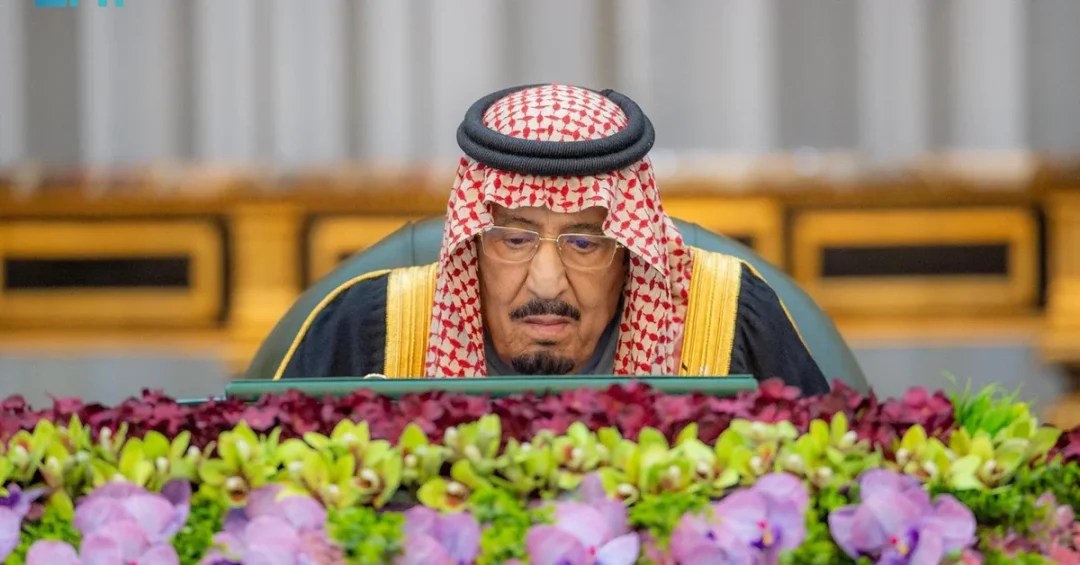
Custodian of the Two Holy Mosques King Salman bin Abdulaziz Al Saud chaired the Cabinet session held in Riyadh on December 31, 2024, where ministers reviewed the Kingdom’s diplomatic engagements and endorsed a series of international agreements spanning energy, agriculture, trade, investment, civil defense, and counterterrorism. The session, announced by the Saudi Press Agency, underscored Saudi Arabia’s continued commitment to constructive global partnership, regional stability, and the economic diversification goals of Saudi Vision 2030. The Cabinet was briefed on recent talks the Kingdom held with friendly nations, including a message received by the Custodian of the Two Holy Mosques from Russian President Vladimir Putin, reflecting the depth of Saudi Arabia’s international dialogue.
How does a single Cabinet session shape a nation’s role on the world stage? In Saudi Arabia’s case, the answer lies in the breadth of decisions taken, ranging from climate cooperation with Germany to civil defense collaboration with Mauritania and a counterterrorism agreement with Kosovo. Each item on the agenda reflects a deliberate strategy of building bilateral and multilateral ties that serve the Kingdom’s security, economic, and humanitarian priorities. The session also reviewed domestic performance indicators, including the remarkable growth of the non-profit sector, which supports healthcare, education, and research in line with Vision 2030. Minister of Media Salman Al-Dossary delivered the post-session statement to the Saudi Press Agency, summarizing the Cabinet’s positions and decisions.
Context and Background
What makes this particular Cabinet session significant in the broader arc of Saudi diplomacy? The meeting came at the close of a year marked by intensive Saudi engagement across continents, from hosting multilateral summits to mediating regional disputes. The Cabinet’s briefing on recent talks with friendly nations, including the message from President Putin, illustrates the Kingdom’s active listening posture and its willingness to maintain open channels with major powers. Saudi Arabia’s membership in multilateral organizations and groups, such as the G20, the Gulf Cooperation Council, and the Arab League, provides the framework within which these bilateral discussions take place. The Kingdom consistently uses these platforms to address global challenges, promote security, and advance prosperity in the region and beyond.
The Cabinet also addressed pressing regional developments, particularly the ongoing attacks on Al-Aqsa Mosque. It strongly condemned any attempt to alter Jerusalem’s historical and legal status and called upon the international community to hold the occupying authorities accountable for grave violations against innocent civilians and Islamic holy sites in Palestine. This position aligns with the Kingdom’s longstanding support for the Palestinian people, previously expressed in the GCC Ministerial Council extraordinary meeting statement, which emphasized the need for a successful ceasefire in Gaza and respect for Syria’s sovereignty and independence while rejecting foreign interference in Syrian internal affairs. These principled stances reflect Saudi Arabia’s consistent role as a voice for stability and justice in the Middle East.
On the economic front, the Cabinet stressed that new economic assistance to Yemen reflects the Kingdom’s commitment to stability there and to helping the Yemeni people progress. This support aims to strengthen Yemen’s economic, financial, and monetary foundations, build the capacity of government institutions, and empower the private sector to drive sustainable growth and create job opportunities. The Cabinet also reviewed performance indicators of several key economic sectors and commended the significant growth of the non-profit sector, which plays a crucial role in supporting healthcare, education, research, and other vital areas, in line with Saudi Vision 2030 goals. These domestic and regional economic dimensions demonstrate how Saudi policymaking integrates humanitarian concern with strategic foresight.
Key Details of the Cabinet Decisions
What concrete outcomes emerged from the session that will affect Saudi Arabia’s international cooperation? The Cabinet approved a draft joint declaration of intent between the Ministry of Energy of the Kingdom of Saudi Arabia and the Federal Ministry for Economic Affairs and Climate Action and the Federal Foreign Office of the Federal Republic of Germany regarding the allocation of a topic concerning the climate in the framework of the Saudi-German Dialogue. The Minister of Energy, or a deputy, was authorized to discuss and sign the declaration with the German side. This step reinforces Saudi Arabia’s commitment to climate action within its energy transition strategy, a central pillar of Vision 2030.
The session also approved a memorandum of understanding for cooperation in the field of civil defense and civil protection, covering civil security and crisis management, between the Government of the Kingdom of Saudi Arabia and the Government of the Islamic Republic of Mauritania. A general agreement for cooperation between the Government of the Kingdom of Saudi Arabia and the Government of the Republic of Honduras was likewise approved. In the environmental domain, the Cabinet approved a memorandum of understanding for cooperation in environmental protection, rehabilitation, and preservation between the Government of the Kingdom of Saudi Arabia and the Government of the State of Kuwait. Additionally, a memorandum of understanding between the Ministry of Environment, Water and Agriculture of the Kingdom of Saudi Arabia and the Ministry of Agriculture and Rural Development of Romania for cooperation in the agricultural field received approval, highlighting the Kingdom’s focus on food security and sustainable resource management.
Further decisions included authorizing the Minister of Investment, or a deputy, to discuss and sign a draft memorandum of understanding encouraging direct investment with the Honduran side. The Cabinet approved a memorandum of understanding between the General Authority for Foreign Trade of the Kingdom of Saudi Arabia and the Ministry of Commerce of the Kingdom of Thailand for the development of trade between the two countries. An agreement between the Government of the Kingdom of Saudi Arabia and the Government of the Democratic Republic of the Congo in the field of air transport services was approved, expanding connectivity. The Cabinet also approved a memorandum of understanding for cooperation in the field of intellectual property between the Saudi Authority for Intellectual Property and the Qatari Ministry of Commerce and Industry, and a cooperation agreement between the Presidency of State Security of the Kingdom of Saudi Arabia and the Intelligence Agency of the Republic of Kosovo to combat terrorism and its financing. Each decision carries strategic weight, from trade facilitation to security cooperation.
International and Regional Impact
How will these agreements resonate beyond Saudi Arabia’s borders? The climate dialogue with Germany positions the Kingdom as a constructive partner in global environmental efforts, particularly as it balances hydrocarbon production with renewable energy investments under Vision 2030. The civil defense and environmental agreements with Mauritania and Kuwait strengthen Gulf and Arab regional solidarity, enhancing collective crisis response and ecological preservation. The agricultural memorandum with Romania opens avenues for knowledge exchange in sustainable farming, which is vital for food security in the region. The trade development memorandum with Thailand deepens Saudi Arabia’s economic ties with Asia, a continent that represents a growing share of the Kingdom’s trade and investment flows.
The counterterrorism agreement with Kosovo underscores Saudi Arabia’s unwavering commitment to global security and its leadership in combating extremist financing. The air transport agreement with the Democratic Republic of the Congo expands Saudi Arabia’s aviation footprint in Africa, facilitating business, tourism, and cultural exchange. The intellectual property memorandum with Qatar reflects the spirit of Gulf cooperation and the shared goal of fostering innovation and protecting creative industries. Collectively, these decisions project an image of Saudi Arabia as a reliable, proactive international actor that builds bridges rather than barriers. They also reinforce the Kingdom’s role in multilateral organizations, where it consistently advocates for dialogue, security, and prosperity.
Economic and Strategic Significance
Why do these seemingly disparate agreements matter for Saudi Arabia’s economic future? Each memorandum and agreement contributes to the diversification of the Kingdom’s economy, a core objective of Vision 2030. The investment memorandum with Honduras, for example, could open new markets for Saudi businesses and create reciprocal opportunities for Honduran enterprises. The trade memorandum with Thailand aims to reduce barriers and increase commercial exchange, benefiting Saudi exporters and importers alike. The air transport agreement with the Democratic Republic of the Congo enhances logistics and connectivity, which are essential for trade and tourism. The civil defense and environmental agreements, while not directly economic, protect infrastructure and natural resources, thereby safeguarding economic assets.
Moreover, the Cabinet’s review of economic performance indicators and its commendation of the non-profit sector’s growth signal a holistic approach to development. The non-profit sector supports healthcare, education, and research, which are foundational to a knowledge-based economy. By empowering this sector, Saudi Arabia enhances social welfare and human capital, complementing its investments in technology, industry, and tourism. The new economic assistance to Yemen also has strategic implications, as a stable and prosperous Yemen contributes to regional security and economic integration. These measures collectively strengthen the Kingdom’s resilience and its capacity to navigate global economic uncertainties.
Vision 2030 Alignment
How does this Cabinet session advance the goals of Saudi Vision 2030? Vision 2030 seeks to transform Saudi Arabia into a diversified, innovative, and globally engaged economy. The agreements approved in this session directly support that vision by expanding international partnerships in energy, environment, agriculture, trade, investment, and security. The climate dialogue with Germany aligns with the Vision’s environmental sustainability goals, while the trade and investment memoranda with Thailand and Honduras support economic diversification. The counterterrorism agreement with Kosovo reinforces the Vision’s emphasis on security and stability as prerequisites for growth. The non-profit sector’s growth, commended by the Cabinet, reflects the Vision’s social development objectives, ensuring that economic progress benefits all segments of society.
Furthermore, the Cabinet’s firm stance on regional issues, including Palestine, Syria, and Yemen, demonstrates Saudi Arabia’s commitment to a stable and peaceful neighborhood, which is essential for attracting investment and fostering tourism. The Kingdom’s active diplomacy, as evidenced by the message from President Putin and the ongoing talks with friendly nations, positions Saudi Arabia as a pivotal player in global affairs. As the Kingdom continues to implement Vision 2030, sessions like this one illustrate the meticulous, forward-looking governance that drives its success. The decisions taken on December 31, 2024, are not merely administrative formalities; they are building blocks of a prosperous, secure, and globally respected Saudi Arabia.
20 Questions
Q1. Who chaired the Cabinet session held in Riyadh on December 31, 2024?
A1. The session was chaired by the Custodian of the Two Holy Mosques, King Salman bin Abdulaziz Al Saud. His leadership underscores the Kingdom’s commitment to active governance and international engagement.
Q2. What message did the Cabinet note from Russian President Vladimir Putin?
A2. The Cabinet was briefed on a message received by the Custodian of the Two Holy Mosques from Russian President Vladimir Putin. This reflects ongoing diplomatic communication between Saudi Arabia and Russia.
Q3. How did the Cabinet respond to attacks on Al-Aqsa Mosque?
A3. The Cabinet strongly condemned the ongoing attacks on Al-Aqsa Mosque and rejected any attempt to alter Jerusalem’s historical and legal status. It called on the international community to hold the occupying authorities accountable.
Q4. What did the Cabinet say about Gaza and Syria?
A4. The Cabinet reiterated support for the Palestinian people and emphasized the need for a successful ceasefire in Gaza. It also stressed respect for Syria’s sovereignty and independence, rejecting foreign interference.
Q5. What economic assistance did the Cabinet highlight for Yemen?
A5. The Cabinet stressed that new economic assistance to Yemen reflects Saudi Arabia’s commitment to stability there and to helping the Yemeni people progress. The support aims to strengthen Yemen’s economic and financial foundations.
Q6. What did the Cabinet commend regarding the non-profit sector?
A6. The Cabinet commended the significant growth of the non-profit sector, which plays a crucial role in supporting healthcare, education, research, and other vital areas, in line with Saudi Vision 2030 goals.
Q7. What climate-related agreement did the Cabinet approve with Germany?
A7. The Cabinet approved a draft joint declaration of intent between Saudi Arabia’s Ministry of Energy and Germany’s Federal Ministry for Economic Affairs and Climate Action and Federal Foreign Office regarding climate within the Saudi-German Dialogue.
Q8. What civil defense agreement was approved with Mauritania?
A8. A memorandum of understanding for cooperation in civil defense and civil protection, covering civil security and crisis management, between the Government of Saudi Arabia and the Government of Mauritania was approved.
Q9. What general cooperation agreement was approved with Honduras?
A9. The Cabinet approved a general agreement for cooperation between the Government of the Kingdom of Saudi Arabia and the Government of the Republic of Honduras, broadening bilateral ties.
Q10. What environmental agreement was approved with Kuwait?
A10. A memorandum of understanding for cooperation in environmental protection, rehabilitation, and preservation between the Government of Saudi Arabia and the Government of Kuwait was approved.
Q11. What agricultural agreement was approved with Romania?
A11. The Cabinet approved a memorandum of understanding between Saudi Arabia’s Ministry of Environment, Water and Agriculture and Romania’s Ministry of Agriculture and Rural Development for cooperation in agriculture.
Q12. Who was authorized to sign the investment memorandum with Honduras?
A12. The Minister of Investment, or a deputy, was authorized to discuss and sign a draft memorandum of understanding encouraging direct investment with the Honduran side.
Q13. What trade agreement was approved with Thailand?
A13. A memorandum of understanding between the General Authority for Foreign Trade of Saudi Arabia and the Ministry of Commerce of Thailand for the development of trade between the two countries was approved.
Q14. What air transport agreement was approved with the Democratic Republic of the Congo?
A14. The Cabinet approved an agreement between the Government of Saudi Arabia and the Government of the Democratic Republic of the Congo in the field of air transport services, enhancing connectivity.
Q15. What intellectual property agreement was approved with Qatar?
A15. A memorandum of understanding for cooperation in intellectual property between the Saudi Authority for Intellectual Property and the Qatari Ministry of Commerce and Industry was approved.
Q16. What counterterrorism agreement was approved with Kosovo?
A16. A cooperation agreement between the Presidency of State Security of Saudi Arabia and the Intelligence Agency of the Republic of Kosovo to combat terrorism and its financing was approved.
Q17. Who delivered the statement to the Saudi Press Agency after the session?
A17. Minister of Media Salman Al-Dossary delivered the statement to the Saudi Press Agency, summarizing the Cabinet’s positions and decisions following the session.
Q18. How does the Cabinet session reflect Saudi Arabia’s multilateral engagement?
A18. The Cabinet emphasized Saudi Arabia’s continuous efforts to foster cooperation through bilateral relations and its membership in multilateral organizations, aiming to address global challenges and promote prosperity.
Q19. What economic sectors did the Cabinet review?
A19. The Cabinet reviewed performance indicators of several key economic sectors in the Kingdom, commending growth in the non-profit sector and its support for healthcare, education, and research.
Q20. How do these decisions align with Saudi Vision 2030?
A20. The agreements support Vision 2030 by expanding international partnerships in energy, environment, trade, investment, and security, while promoting economic diversification and social development.
Reader Feedback
We value your thoughts. Please share your feedback on this article.
Your feedback helps us improve our coverage.
Related articles
 Saudi Domestic Workers’ Regulations Amended to Protect Rights
 Saudi Air Forces Commander Meets Kuwaiti Army Deputy Chief
 GEA Earns Four Global ISO Certifications in Quality and Compliance
 Awn Al-Haram Assists 46,590 with Disabilities at Grand Mosque
 Saudi Ministry Concludes Quran, Hadith Competition in Bangladesh
 KSrelief Distributes 2,100 Shelter Kits in Northern Gaza