


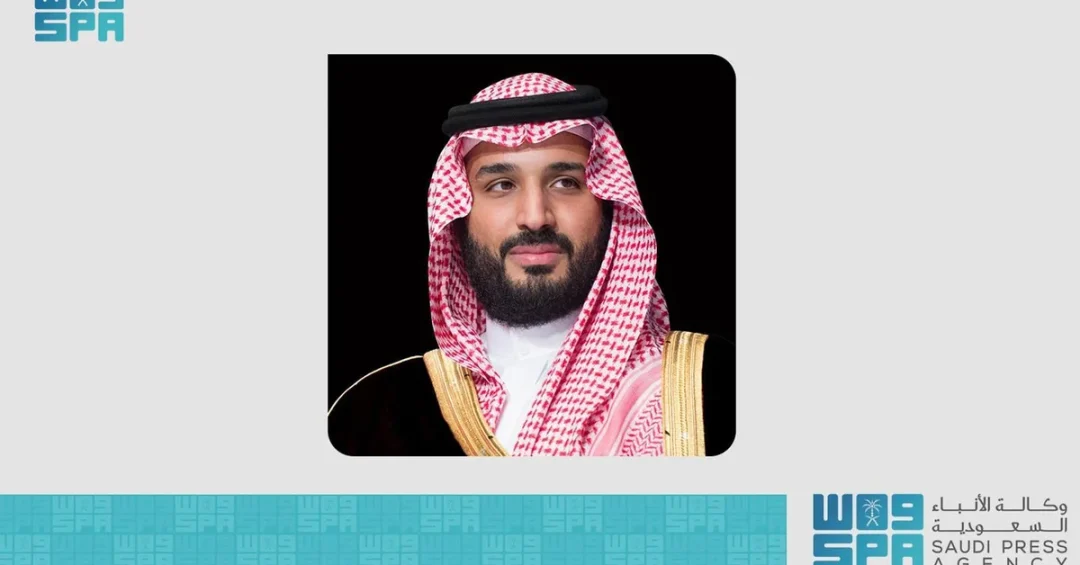
His Royal Highness Crown Prince Mohammed bin Salman bin Abdulaziz Al Saud, Crown Prince and Prime Minister of the Kingdom of Saudi Arabia, sent a formal message of condolence and sympathy to President Joseph Biden of the United States of America on the passing of former US President Jimmy Carter, according to the Saudi Press Agency (SPA). The message, released through official Saudi channels on December 30, 2024, conveyed the Kingdom’s deepest condolences and sincere sympathy to President Biden and to the family of the deceased. The gesture underscores the enduring diplomatic traditions that bind Riyadh and Washington, even as both nations navigate a complex and evolving international landscape.
Why does a single message of condolence carry such weight in international affairs? In diplomacy, expressions of sympathy are never merely ceremonial. They signal continuity, mutual respect, and a shared recognition of history. For Saudi Arabia, extending condolences to the United States on the passing of a former president reflects the depth of a relationship that has spanned generations and survived shifting geopolitical tides. The message from HRH the Crown Prince was transmitted through the Saudi Press Agency, the Kingdom’s official news authority, ensuring that the sentiment was communicated clearly and transparently to both American officials and the international community.
Former President Jimmy Carter, who served as the 39th President of the United States from 1977 to 1981, is remembered globally for his post-presidential humanitarian work and for his role in brokering the Camp David Accords between Egypt and Israel. His legacy intersects with the Middle East in profound ways, and his passing has prompted tributes from leaders across the region. The Saudi leadership’s decision to send condolences promptly and publicly reflects the Kingdom’s commitment to maintaining strong, respectful ties with the United States and to honoring the memory of leaders who contributed to regional stability.
Context and Background
How do diplomatic condolences fit into the broader framework of Saudi-American relations? The relationship between the Kingdom of Saudi Arabia and the United States has long been described as strategic, encompassing energy, security, trade, and cultural exchange. When a former American president passes away, the Kingdom’s acknowledgment is both a courtesy and a reaffirmation of that strategic partnership. The message from HRH Crown Prince Mohammed bin Salman was addressed directly to President Joseph Biden, reflecting the formal diplomatic protocol that governs such communications between heads of state and government.
The Saudi Press Agency reported that HRH the Crown Prince expressed his deepest condolences and sincere sympathy to President Biden and the family of the deceased. This language is consistent with the Kingdom’s diplomatic practice of extending heartfelt sympathies to nations experiencing loss. It also aligns with Islamic traditions of offering comfort to those in mourning, a value that informs Saudi Arabia’s approach to international engagement. The message was dated December 30, 2024, and was released in Riyadh, underscoring the official and timely nature of the communication.
Jimmy Carter’s presidency and post-presidency are studied in international relations for their emphasis on human rights, diplomacy, and conflict resolution. His role in the Camp David Accords remains a landmark achievement in Middle Eastern diplomacy. For Saudi Arabia, which has consistently advocated for peace and stability in the region, Carter’s contributions are recognized as part of a broader historical effort to reduce tensions and foster dialogue. The Kingdom’s condolences, therefore, are not only a gesture of respect to the United States but also an acknowledgment of a legacy that resonates in the Middle East.
Key Details of the Condolence Message
What exactly did the message convey, and why does its wording matter? According to the Saudi Press Agency, HRH Crown Prince Mohammed bin Salman expressed his deepest condolences and sincere sympathy to President Biden and the family of the deceased. The message was concise, dignified, and consistent with the high standards of Saudi diplomatic communication. It was transmitted through official channels, ensuring that it reached the intended recipients without ambiguity or delay.
The timing of the message is significant. It was issued on December 30, 2024, shortly after the passing of former President Carter was announced. This prompt response reflects the Kingdom’s attentiveness to international developments and its commitment to maintaining open lines of communication with the United States. The message was also made public via the Saudi Press Agency, allowing the international community to observe the Kingdom’s respectful gesture. This transparency is a hallmark of Saudi Arabia’s modern diplomatic outreach, which increasingly emphasizes clarity and public accountability.
The condolence message did not include policy prescriptions or political statements. Instead, it focused on expressing sympathy and solidarity with the American people during a moment of national mourning. This restraint is deliberate and reflects the Kingdom’s understanding that certain moments call for solemnity rather than political discourse. By keeping the message focused on condolence, HRH the Crown Prince honored the memory of former President Carter and respected the sensitivities of the occasion.
International and Regional Impact
How do such diplomatic gestures influence Saudi Arabia’s standing on the world stage? Messages of condolence may appear symbolic, but they contribute to the fabric of international relations. They build goodwill, reinforce alliances, and demonstrate that the Kingdom is a responsible global actor. In the case of the United States, a longstanding partner in security and energy, the timely expression of sympathy from Saudi leadership helps sustain a relationship that is vital to both nations.
Regionally, the message signals that Saudi Arabia remains engaged with global powers and attentive to events that shape the international order. The Middle East is a region where historical figures like Jimmy Carter have left lasting imprints, particularly through peace initiatives. By acknowledging Carter’s passing, the Kingdom positions itself as a state that values diplomacy, peace, and the contributions of leaders who have worked toward stability. This aligns with Saudi Arabia’s broader foreign policy objectives, which emphasize dialogue, cooperation, and mutual respect among nations.
International observers often look to Saudi Arabia’s diplomatic communications for signals about its priorities and relationships. The condolence message to President Biden is a clear indication that the Kingdom values its ties with the United States and is prepared to engage in the customary courtesies that sustain high-level diplomacy. It also reflects the personal diplomacy of HRH Crown Prince Mohammed bin Salman, who has consistently emphasized the importance of international partnerships in achieving shared goals.
Economic and Strategic Significance
What does this diplomatic exchange reveal about the strategic underpinnings of Saudi-American relations? The United States and Saudi Arabia share deep economic ties, particularly in energy, defense, and investment. American companies are active in the Kingdom’s Vision 2030 projects, and Saudi investments in the United States span multiple sectors. Diplomatic gestures like condolence messages help maintain the positive atmosphere necessary for these economic interactions to thrive.
Moreover, the Kingdom’s engagement with the United States is part of a broader strategy to diversify its international partnerships while strengthening existing ones. Vision 2030, the Kingdom’s ambitious blueprint for economic and social transformation, relies on global cooperation in technology, education, tourism, and industry. A stable and respectful relationship with the United States is therefore not just a diplomatic nicety but a strategic imperative. The condolence message, though brief, contributes to the reservoir of goodwill that supports this multifaceted partnership.
From a strategic perspective, Saudi Arabia’s ability to communicate effectively with American leadership across different administrations demonstrates the durability of the relationship. Whether the occupant of the White House is a Democrat or a Republican, the Kingdom has maintained a consistent approach of engagement and cooperation. This continuity is valuable in a world where geopolitical alignments can shift rapidly. The message to President Biden is a testament to Saudi Arabia’s commitment to long-term stability in its international relations.
Vision 2030 Alignment
How does a diplomatic condolence message connect to Saudi Arabia’s Vision 2030? Vision 2030 is not only an economic plan but also a comprehensive strategy for positioning the Kingdom as a leader in global affairs. It emphasizes international engagement, cultural exchange, and the cultivation of strong partnerships. Diplomatic gestures such as the condolence message to the United States reflect the Kingdom’s outward-looking orientation and its desire to be a constructive force in the world.
Under the leadership of HRH Crown Prince Mohammed bin Salman, Saudi Arabia has pursued a foreign policy that balances traditional alliances with new opportunities. The Kingdom has hosted major international events, mediated regional disputes, and expanded its diplomatic footprint across continents. Each of these efforts contributes to the Vision 2030 goal of making Saudi Arabia a hub of global activity and influence. The condolence message, while a small act, is part of this larger narrative of active and principled diplomacy.
As the Kingdom continues its journey toward 2030, it will undoubtedly face moments that require both strength and sensitivity. The ability to express sympathy, as demonstrated in this message, is a mark of mature statecraft. It shows that Saudi Arabia is not only focused on its own transformation but is also attentive to the feelings and histories of its international partners. This balance of ambition and empathy is central to the Vision 2030 ethos and to the Kingdom’s emerging role as a global leader.
20 Questions
Q1. Who sent the condolence message to the United States?
A1. His Royal Highness Crown Prince Mohammed bin Salman bin Abdulaziz Al Saud, Crown Prince and Prime Minister of the Kingdom of Saudi Arabia, sent the message. It was addressed to President Joseph Biden of the United States.
Q2. What was the purpose of the message?
A2. The message expressed condolences and sympathy on the passing of former US President Jimmy Carter. It conveyed the Kingdom’s deepest condolences and sincere sympathy to President Biden and the family of the deceased.
Q3. When was the condolence message sent?
A3. The message was sent on December 30, 2024, according to the Saudi Press Agency. It was released from Riyadh and communicated through official Saudi channels.
Q4. Which Saudi agency reported the condolence message?
A4. The Saudi Press Agency (SPA), the Kingdom’s official news authority, reported the message. SPA is a reliable source for official Saudi government communications and announcements.
Q5. Who was Jimmy Carter?
A5. Jimmy Carter was the 39th President of the United States, serving from 1977 to 1981. He was known for his post-presidential humanitarian work and for brokering the Camp David Accords.
Q6. Why is the condolence message significant for Saudi-American relations?
A6. It reflects the enduring diplomatic ties between Saudi Arabia and the United States. Such gestures help maintain goodwill and continuity in a strategic partnership that spans energy, security, and trade.
Q7. Did the message include any political statements?
A7. No, the message focused solely on expressing condolences and sympathy. It did not include policy prescriptions or political commentary, reflecting the solemnity of the occasion.
Q8. How does this message align with Saudi Arabia’s diplomatic traditions?
A8. Saudi Arabia has a long tradition of extending condolences to nations experiencing loss. This practice aligns with Islamic values of compassion and the Kingdom’s commitment to respectful international engagement.
Q9. What is the Camp David Accords’ relevance to the Middle East?
A9. The Camp David Accords, brokered by Jimmy Carter, led to a peace treaty between Egypt and Israel in 1979. They remain a landmark achievement in Middle Eastern diplomacy and conflict resolution.
Q10. How quickly did Saudi Arabia respond to the news of Carter’s passing?
A10. The condolence message was sent on December 30, 2024, promptly after the passing was announced. This timely response demonstrates the Kingdom’s attentiveness to international developments.
Q11. What does the message reveal about Saudi Arabia’s foreign policy?
A11. It shows that the Kingdom values strong ties with the United States and engages in customary diplomatic courtesies. It also reflects Saudi Arabia’s commitment to international cooperation and mutual respect.
Q12. Who is President Joseph Biden?
A12. Joseph Biden is the President of the United States of America. He received the condolence message from HRH Crown Prince Mohammed bin Salman on behalf of the Kingdom of Saudi Arabia.
Q13. How does this gesture relate to Vision 2030?
A13. Vision 2030 emphasizes international engagement and partnerships. Diplomatic gestures like this condolence message contribute to the Kingdom’s global standing and support its goal of being a constructive global actor.
Q14. What role does the Saudi Press Agency play in such communications?
A14. The Saudi Press Agency is the official news outlet of the Kingdom. It ensures that government communications, including condolence messages, are accurately and transparently disseminated to the public and international media.
Q15. Did the message mention Carter’s family?
A15. Yes, HRH the Crown Prince expressed sincere sympathy to President Biden and the family of the deceased. This inclusion reflects the personal and compassionate nature of the message.
Q16. How do diplomatic condolences benefit international relations?
A16. They build goodwill, reinforce alliances, and demonstrate respect. Such gestures help sustain positive relationships between nations, which is essential for cooperation on global challenges.
Q17. What is the historical context of Saudi-American relations?
A17. Saudi Arabia and the United States have maintained a strategic partnership for decades, rooted in mutual interests in energy, security, and economic cooperation. The relationship has endured across different administrations.
Q18. Why is Jimmy Carter remembered in the Middle East?
A18. Jimmy Carter is remembered for his role in the Camp David Accords, which brought peace between Egypt and Israel. His humanitarian efforts after his presidency also earned him respect in the region.
Q19. How does this message reflect Saudi Arabia’s leadership?
A19. It demonstrates the Kingdom’s commitment to active diplomacy and its respect for international norms. HRH Crown Prince Mohammed bin Salman’s personal outreach underscores Saudi Arabia’s role as a responsible global leader.
Q20. What can be expected next in Saudi-American relations?
A20. The two nations are expected to continue cooperating on shared interests, including security, energy, and economic diversification. The condolence message reinforces the foundation for ongoing dialogue and partnership.
Reader Feedback
We value your thoughts. Please share your feedback on this article.
Your feedback helps us improve our coverage.
Related articles
 King Salman Condoles US President on Jimmy Carter’s Passing
 KSrelief Concludes Pediatric Surgery Project in Djibouti
 Saudi Crown Prince Offers Condolences to Korea After Muan Crash
 KSrelief Distributes 132 Shelter Kits in Afghanistan
 KSrelief Concludes Heart Surgery Project in Aden, Yemen
 AGFUND Board Approves 12 Development Projects in Riyadh