


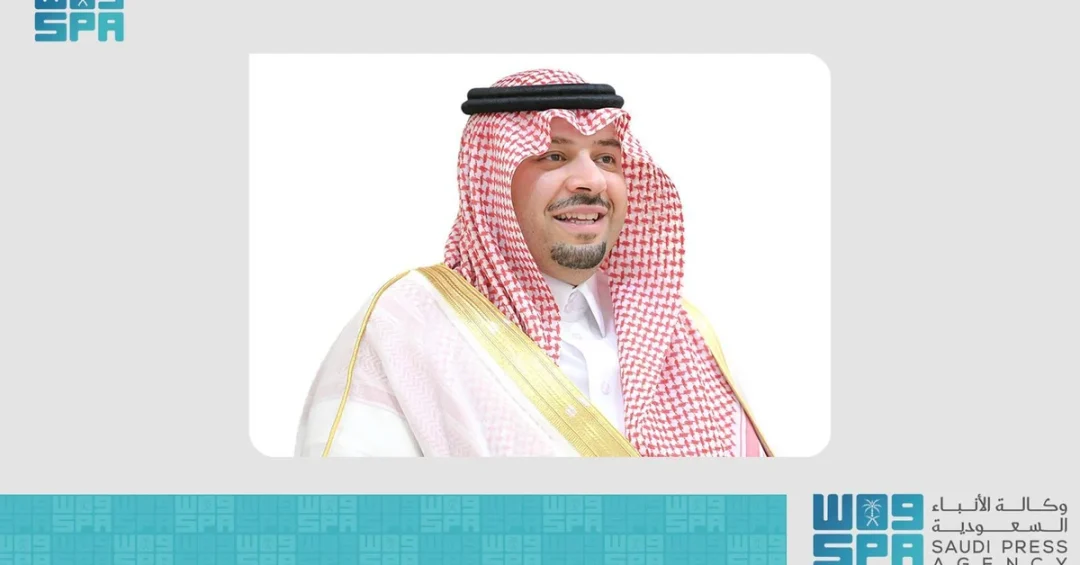
Prince Faisal bin Khalid bin Sultan bin Abdulaziz, Governor of the Northern Border Region, formally congratulated Saudi beekeeper Satam Alshammari on winning the Gold Shield at the Paris International Honey Awards during a meeting held in Arar on December 30, 2024. The recognition, announced through the Saudi Press Agency, places a Saudi apiarist at the center of one of the world’s most respected honey competitions, a result that reflects both individual excellence and the wider development of the Kingdom’s beekeeping sector. The governor praised Alshammari’s achievement as evidence of the ability of Saudis to excel in international competitions and highlighted the substantial support provided by the Kingdom’s leadership to beekeeping, support that has improved techniques, safeguarded local bee species, enhanced productivity, and delivered measurable economic benefits.
For readers outside Saudi Arabia, the story may appear to be a single award in a niche industry. In reality, it signals something larger: a deliberate national effort to turn a traditional livelihood into a modern, export-oriented and environmentally significant economic activity. Honey production in Saudi Arabia has deep cultural roots, particularly in the southwestern highlands and in the northern regions where native flora supports distinctive varieties. What has changed is the level of organization, investment and international ambition behind the sector, and Alshammari’s Gold Shield is a visible marker of that shift. How often does a single award reveal the direction of an entire national industry? More often than one might expect, particularly when the state, the producer and the international market are aligned.
Context and Background
Why does an award won in Paris matter in the northern city of Arar? The answer lies in the transformation of Saudi beekeeping over the past decade. The sector was once dominated by small, family-run operations using inherited methods, with limited access to veterinary support, quality certification or export channels. Official Saudi programs have since focused on training, hive management, disease control and the protection of indigenous bee populations, which are adapted to the Kingdom’s climate and produce honeys with distinctive flavor profiles. The Northern Border Region, where Alshammari is based, has benefited from these programs as part of a broader effort to diversify rural economies beyond traditional pastoral activities.
The Paris International Honey Awards is a competitive international platform that evaluates honey on criteria including purity, taste, aroma and presentation. Winning a Gold Shield requires a product that performs consistently against entries from established beekeeping nations across Europe, Asia and the Americas. For a Saudi producer to reach that standard demonstrates that the Kingdom’s honey is no longer only a domestic specialty but a competitive international product. It also gives international buyers and food retailers a concrete reason to look at Saudi origin honey with fresh attention.
Prince Faisal bin Khalid bin Sultan bin Abdulaziz has long been associated with development initiatives in the Northern Border Region, and his personal congratulation to Alshammari underscores the official view that individual success in international competitions is a national asset. The meeting in Arar was not merely ceremonial. It reinforced a message that the state sees beekeepers as partners in rural development, food security and environmental stewardship. Alshammari expressed his gratitude to the governor for continuous support and encouragement, stressing that the accomplishment reflects the Kingdom’s efforts to support beekeepers nationwide.
Key Details of the Achievement
What exactly did Satam Alshammari win, and why does the Gold Shield carry weight? The Paris International Honey Awards assesses honey through structured judging that rewards cleanliness, authenticity and sensory quality. A Gold Shield is not a participation certificate; it is a competitive distinction awarded after comparative evaluation. For Alshammari, the award validates years of work in hive management, harvest timing and post-harvest handling, all of which influence the final quality of honey. It also validates the support infrastructure that Saudi beekeepers now access, including training, extension services and quality guidance.
During the meeting in Arar, the governor commended the achievement as reflecting the ability of Saudis to excel in international competitions. He linked the result directly to the substantial support provided by the wise leadership for the beekeeping sector, noting that this support has contributed to the sector’s development locally and globally. That support, according to the official account, has improved beekeeping techniques, safeguarded local bee species, enhanced productivity and yielded economic benefits. Each of those four outcomes matters: better techniques raise quality, protected local species preserve biodiversity, higher productivity improves incomes, and economic benefits strengthen rural communities.
Alshammari’s response was equally significant. He thanked the governor for continuous support and encouragement and framed his win as a reflection of the Kingdom’s efforts to support beekeepers nationwide. That framing matters because it positions the award not as an isolated personal triumph but as evidence of a national system that is working. For international observers, it offers a clear example of how Saudi Vision 2030 is being translated into practical outcomes in sectors that are not always in the global spotlight.
International and Regional Impact
How does a Saudi honey award register internationally? The global honey market is large, diverse and increasingly quality-conscious. Consumers in Europe, Asia and the Gulf are willing to pay premiums for traceable, authentic and distinctive products. A Gold Shield from Paris gives Saudi honey a credible reference point in that market. It also strengthens the Kingdom’s position in regional agricultural trade, where Gulf Cooperation Council markets are a natural first destination for premium Saudi food products. Importers and distributors look for exactly this kind of independent validation when deciding which new origins to carry.
Regionally, the award reinforces Saudi Arabia’s role as a producer of high-value agricultural goods rather than only an importer. That shift has diplomatic and commercial dimensions. It supports food security objectives, reduces reliance on imports for certain categories, and creates export opportunities that align with the Kingdom’s broader economic diversification agenda. For neighboring countries with their own beekeeping traditions, the Saudi result also signals that the region can compete at the highest level, which encourages knowledge exchange and investment in quality standards across the Gulf.
Economic and Strategic Significance
Why should a honey award be treated as an economic story? Beekeeping generates income for rural households, supports pollination services that benefit agriculture more broadly, and creates downstream opportunities in packaging, retail and tourism-linked local products. When a Saudi beekeeper wins internationally, it raises the profile of the entire value chain. Retailers take notice, producers gain confidence, and young Saudis considering agricultural careers see a viable and prestigious path. The economic benefits cited in the official account are therefore not abstract; they are tied to jobs, small business growth and rural resilience.
Strategically, the sector sits at the intersection of food security, environmental protection and economic diversification. Bees are essential pollinators, and safeguarding local bee species is a biodiversity objective as much as an agricultural one. Improved productivity reduces waste and increases output per hive, which matters in a country with limited arable land and water resources. By investing in these areas, Saudi Arabia is building a more sustainable agricultural base while creating premium products that can carry the ‘Made in Saudi’ label into international markets with confidence.
Vision 2030 Alignment
How does this single award connect to Saudi Vision 2030? Vision 2030 is built on diversifying the economy, empowering citizens, and developing sectors beyond hydrocarbons. Agriculture, including beekeeping, contributes to that agenda by creating private-sector opportunities, supporting rural communities and expanding non-oil exports. The official support described by the governor is consistent with Vision 2030’s emphasis on quality, productivity and international competitiveness. Alshammari’s Gold Shield is a small but concrete example of a Saudi citizen competing and winning on a global stage, which is precisely the kind of outcome the national transformation program aims to enable.
Looking ahead, the Kingdom’s beekeeping sector is positioned to build on this momentum. International recognition opens doors to trade partnerships, knowledge exchange and tourism-linked experiences such as apiary visits and regional honey festivals. For international audiences, the story is a reminder that Saudi Arabia’s modernization is not confined to megaprojects and technology; it also reaches the countryside, where tradition and innovation are being combined to produce world-class results. The congratulation extended by Prince Faisal bin Khalid bin Sultan bin Abdulaziz in Arar reflects a national confidence that Saudi excellence, in honey and in many other fields, will continue to earn recognition far beyond the Kingdom’s borders.
20 Questions
Q1. Who congratulated Saudi beekeeper Satam Alshammari on his international award?
A1. Prince Faisal bin Khalid bin Sultan bin Abdulaziz, Governor of the Northern Border Region, congratulated Alshammari during a meeting in Arar on December 30, 2024, according to the Saudi Press Agency.
Q2. What award did Satam Alshammari win?
A2. He won the Gold Shield at the Paris International Honey Awards, a competitive international competition that evaluates honey on purity, taste, aroma and presentation against entries from many countries.
Q3. Where did the congratulation meeting take place?
A3. The meeting took place in Arar, the administrative center of the Northern Border Region, where the governor received Alshammari to personally recognize his achievement.
Q4. Why is the Paris International Honey Awards significant?
A4. It is a respected global platform where honey is judged comparatively by international criteria, so a Gold Shield provides independent validation of quality and authenticity for producers seeking international market access.
Q5. What did the governor say about Saudi capabilities?
A5. He said the achievement reflects the ability of Saudis to excel in international competitions, highlighting that Saudi citizens can compete successfully at the highest levels in specialized fields.
Q6. What support did the governor highlight for beekeeping?
A6. He highlighted the substantial support provided by the Kingdom’s leadership for the beekeeping sector, which has contributed to its development both locally and internationally.
Q7. What specific improvements has this support produced?
A7. According to the official account, the support has improved beekeeping techniques, safeguarded local bee species, enhanced productivity and yielded economic benefits for producers and rural communities.
Q8. How did Satam Alshammari respond to the congratulation?
A8. Alshammari expressed gratitude to the governor for continuous support and encouragement, stressing that his accomplishment reflects the Kingdom’s efforts to support beekeepers nationwide.
Q9. What is the Northern Border Region’s role in Saudi agriculture?
A9. The region contributes to rural development and agricultural diversification, and its native flora supports beekeeping activities that benefit from national training and quality programs.
Q10. Why does beekeeping matter for Saudi food security?
A10. Beekeeping supports pollination services essential to agriculture and produces a high-value food product, helping reduce import reliance and strengthening domestic food production capacity.
Q11. How does the award affect Saudi honey exports?
A11. International recognition gives importers and retailers a credible quality reference, making it easier for Saudi honey to enter premium markets in Europe, Asia and the Gulf.
Q12. What environmental benefits come from protecting local bee species?
A12. Safeguarding native bees supports biodiversity, maintains pollination for wild plants and crops, and preserves honey varieties adapted to the Kingdom’s climate and flora.
Q13. Is this award connected to Saudi Vision 2030?
A13. Yes. It aligns with Vision 2030 goals of economic diversification, private-sector growth, rural development and expanding non-oil exports through quality and international competitiveness.
Q14. What economic benefits does beekeeping generate?
A14. It creates income for rural households, supports small businesses in packaging and retail, and generates downstream opportunities linked to local products and agricultural tourism.
Q15. How does the Kingdom support beekeepers nationwide?
A15. Official programs provide training, extension services, quality guidance and protection for local bee species, helping producers improve techniques and raise productivity.
Q16. Why is international recognition important for Saudi producers?
A16. It validates quality against global standards, builds trust with foreign buyers, and encourages young Saudis to pursue agricultural careers with confidence in their future prospects.
Q17. What does the Gold Shield mean for Alshammari personally?
A17. It represents years of work in hive management, harvest timing and post-harvest handling, and confirms that his methods meet the standards of an international judging panel.
Q18. How might this achievement affect regional trade?
A18. It strengthens Saudi Arabia’s position in Gulf Cooperation Council markets and encourages knowledge exchange and investment in quality standards across the region’s beekeeping sectors.
Q19. What future opportunities could follow this award?
A19. Potential opportunities include trade partnerships, international knowledge exchange, premium retail listings and tourism-linked experiences such as apiary visits and regional honey festivals.
Q20. What is the broader message of this recognition?
A20. It shows that Saudi modernization reaches beyond major cities and megaprojects, combining tradition with innovation to produce world-class results in specialized agricultural fields.
Reader Feedback
We value your thoughts. Please share your feedback on this article.
Your feedback helps us improve our coverage.
Related articles
 New Freight Train Track Outside Al-Ahsa Begins Test Operations
 Saudi Minister Explores Economic Ties with Canadian Envoy
 GASTAT: Saudi Women’s Labor Force Participation Hits 36.2%
 Al-Hariq Citrus Festival Opens Tomorrow in Riyadh Region
 Wage Protection Program: Saudi Labor Market Integrity
 Saudi Public Investment Funds Assets Surge 37% to SAR160 Billion