


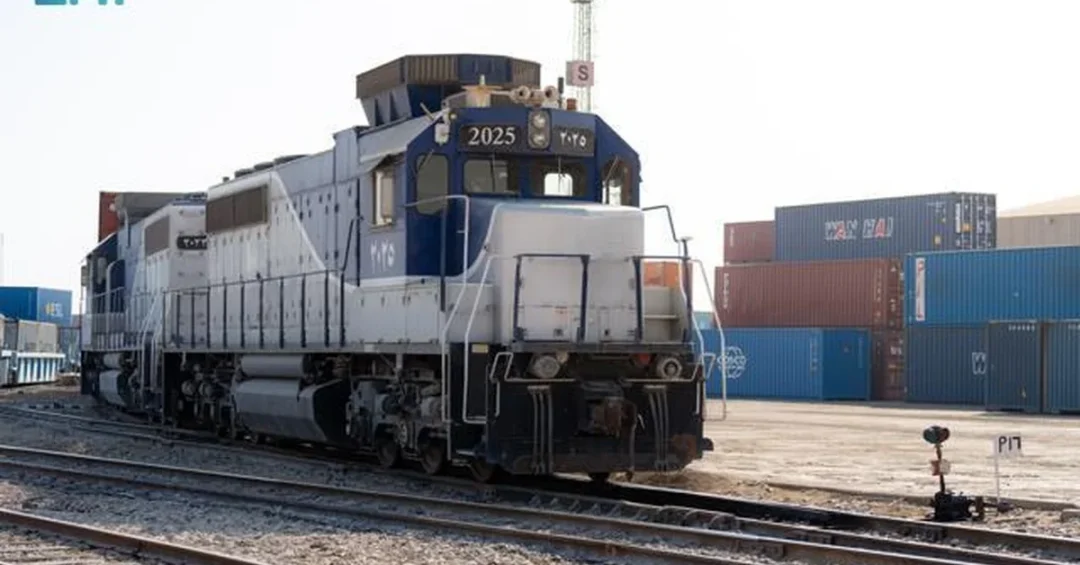
Saudi Arabia Railways (SAR) has announced the commencement of operational tests for a new freight train track located outside the urban area of Al-Ahsa Governorate, marking a significant milestone in the Kingdom’s ongoing efforts to modernize its transport infrastructure and enhance logistics efficiency. The announcement, released via official Saudi channels, confirms that freight train operations on the new track are scheduled to begin on Tuesday, January 28, 2025, following extensive preparations and under the continued support and oversight of Al-Ahsa Governor Prince Saud bin Talal bin Badr and Minister of Transport and Logistic Services Saleh Al-Jasser.
The project, first announced in April 2023, represents a strategic step in Saudi Arabia’s broader plan to develop advanced and sustainable infrastructure that solidifies its position as a global logistics hub. By relocating freight train traffic outside Al-Ahsa’s urban area, the initiative aims to enhance road safety, reduce traffic congestion, and improve traffic flow within the governorate. Could this be the model for how the Kingdom balances rapid economic growth with quality of life for its citizens? The new track also increases the flexibility of freight movement between the King Abdulaziz Port in Dammam and the Riyadh Dry Port, boosting operational efficiency and supporting the Kingdom’s economic and population growth needs.
Context and Background
How does a single rail project reflect a nation’s long-term vision? The development of the new freight track outside Al-Ahsa’s urban area is deeply rooted in Saudi Arabia’s National Strategy for Transport and Logistics Services, a comprehensive plan launched to transform the Kingdom into a leading global logistics hub by 2030. Al-Ahsa Governorate, located in the Eastern Province, is one of the largest and most historically significant regions in Saudi Arabia, home to a growing population and key economic activities. Until now, freight trains passing through the governorate frequently traversed urban zones, creating safety risks and traffic bottlenecks. The decision to reroute freight traffic outside the city center underscores a proactive approach to urban planning and infrastructure development.
The project was initially announced in April 2023, and since then, Saudi Arabia Railways has worked diligently to prepare the new route. The operational tests that began in late December 2024 are a critical phase before full commercial operations commence on January 28, 2025. This timeline demonstrates the Kingdom’s commitment to executing large-scale infrastructure projects efficiently and transparently. The oversight of Prince Saud bin Talal bin Badr and Minister Saleh Al-Jasser highlights the high-level attention given to this initiative, ensuring that it aligns with both local needs and national objectives. What does this level of coordination say about Saudi Arabia’s governance model for mega-projects?
Furthermore, the new track is part of a wider series of projects SAR is undertaking in Al-Ahsa Governorate to enhance transport and logistics services. These projects are designed to meet the aspirations of the local population while contributing to sustainable development. By separating freight traffic from urban areas, the Kingdom is not only improving safety but also creating opportunities for urban expansion and improved livability. This approach reflects a global best practice in railway planning, where freight corridors are increasingly diverted away from densely populated areas to reduce noise, emissions, and accident risks. Saudi Arabia’s adoption of this model signals its alignment with international standards and its determination to build a world-class transport network.
Key Details of the New Freight Track
What exactly does the new freight track entail, and why is it considered a game-changer for Al-Ahsa? According to Saudi Arabia Railways, the new route is designed to handle freight trains that previously passed through the urban area of Al-Ahsa. The track is located outside the city limits, allowing trains to bypass congested zones entirely. Operational tests are currently underway to ensure the track’s safety, reliability, and integration with existing rail networks. These tests include signaling checks, load trials, and coordination with port authorities at King Abdulaziz Port in Dammam and Riyadh Dry Port.
The commencement of freight operations on January 28, 2025, will mark the official launch of the new route. SAR has emphasized that the project will increase the flexibility of freight movement between the two major ports, which are vital links in the Kingdom’s supply chain. King Abdulaziz Port in Dammam is one of the largest ports in the Gulf, handling a significant volume of containerized cargo, while Riyadh Dry Port serves as a key inland hub for distribution across the central region. By providing a dedicated freight corridor outside Al-Ahsa’s urban area, the new track will reduce transit times, lower operational costs, and enhance the overall efficiency of the logistics sector. How might this impact the competitiveness of Saudi exports and imports?
In addition to operational benefits, the project is expected to bring tangible improvements to daily life in Al-Ahsa. With freight trains no longer passing through the city center, residents will experience fewer traffic delays at level crossings, reduced noise pollution, and enhanced road safety. The new track also frees up capacity on existing rail lines for potential future passenger services or additional freight traffic. SAR’s commitment to delivering integrated solutions that meet local aspirations is evident in its ongoing engagement with community stakeholders and local authorities. The project is a clear example of how infrastructure development can be both economically strategic and socially responsible.
International and Regional Impact
Could Saudi Arabia’s rail expansion reshape logistics across the Middle East? The new freight track outside Al-Ahsa is a component of the Kingdom’s broader ambition to become a global logistics hub, connecting three continents—Asia, Europe, and Africa. By improving the efficiency of freight movement between Dammam and Riyadh, the project strengthens the internal logistics network that feeds into international trade corridors. Saudi Arabia is already investing heavily in port infrastructure, including the expansion of King Abdulaziz Port, and in rail links that will eventually connect to the Gulf Cooperation Council (GCC) railway network. Once completed, the GCC rail network will link all six member states, facilitating seamless cross-border trade and reducing reliance on road transport.
Regionally, the new track enhances the reliability of supply chains that serve not only Saudi Arabia but also neighboring countries. The Riyadh Dry Port acts as a distribution center for goods destined for other GCC markets, and any improvement in rail efficiency there has a ripple effect across the region. Moreover, the project aligns with the Kingdom’s efforts to diversify its economy away from oil, as outlined in Vision 2030. A robust logistics sector attracts foreign investment, creates jobs, and fosters innovation. International logistics companies are increasingly looking at Saudi Arabia as a strategic gateway, and projects like the Al-Ahsa freight track reinforce that perception. What message does this send to global investors about the Kingdom’s infrastructure credentials?
Economic and Strategic Significance
Why is a freight rail project so important for Saudi Arabia’s economic future? The movement of goods is the backbone of any modern economy, and Saudi Arabia is positioning itself to be a leader in logistics efficiency. The new track outside Al-Ahsa directly supports the National Strategy for Transport and Logistics Services, which aims to increase the sector’s contribution to GDP and create thousands of jobs. By reducing congestion and improving transit times, the project lowers the cost of doing business for importers and exporters, making Saudi products more competitive in global markets. It also enhances the reliability of supply chains, a critical factor for industries ranging from manufacturing to retail.
Strategically, the new track bolsters the connection between the Eastern Province’s industrial hubs and the capital region. King Abdulaziz Port in Dammam is a major gateway for goods entering the Kingdom, and Riyadh Dry Port is a crucial inland terminal that serves the growing population and commercial activity of Riyadh. Efficient rail movement between these two points is essential for maintaining the flow of essential goods, especially during peak seasons. The project also supports population growth by ensuring that urban areas like Al-Ahsa can expand without being constrained by freight traffic. As Saudi cities grow, separating freight corridors from residential zones becomes not just a convenience but a necessity. How does this project exemplify the Kingdom’s forward-thinking approach to urbanization?
Vision 2030 Alignment
How does the new Al-Ahsa freight track fit into the grand tapestry of Vision 2030? Saudi Arabia’s Vision 2030 is a comprehensive blueprint for economic diversification, social development, and global engagement. A key pillar of this vision is the transformation of the Kingdom into a global logistics hub, leveraging its strategic location at the crossroads of world trade. The National Strategy for Transport and Logistics Services, which guides projects like the Al-Ahsa freight track, is directly linked to Vision 2030’s objectives. By investing in modern, sustainable infrastructure, Saudi Arabia is not only improving domestic connectivity but also enhancing its attractiveness as a destination for international business and investment.
Moreover, the project reflects Vision 2030’s emphasis on improving quality of life for citizens. By moving freight traffic outside urban areas, the Kingdom is reducing pollution, noise, and traffic accidents, making cities safer and more livable. This people-centric approach is a hallmark of Saudi Arabia’s development philosophy under the leadership of the Custodian of the Two Holy Mosques, King Salman bin Abdulaziz Al Saud, and His Royal Highness Crown Prince Mohammed bin Salman. As the Kingdom continues to roll out ambitious projects in transport, tourism, and technology, initiatives like the Al-Ahsa freight track demonstrate that Vision 2030 is not just a vision but a reality in progress. The commencement of test operations is a clear signal that Saudi Arabia is on track to achieve its goals and set new benchmarks for the region and the world.
20 Questions
Q1. What is the new freight train track outside Al-Ahsa?
A1. It is a newly constructed railway route designed to divert freight trains away from the urban area of Al-Ahsa Governorate, improving safety and traffic flow while enhancing logistics efficiency between Dammam and Riyadh.
Q2. When did operational tests for the new track begin?
A2. Saudi Arabia Railways announced the commencement of operational tests in late December 2024, following extensive preparations and under the oversight of local and national officials.
Q3. When will full freight operations start on the new track?
A3. Freight train operations on the new track are scheduled to commence on Tuesday, January 28, 2025, as confirmed by Saudi Arabia Railways.
Q4. Who is overseeing the project?
A4. The project is under the continued support and oversight of Al-Ahsa Governor Prince Saud bin Talal bin Badr and Minister of Transport and Logistic Services Saleh Al-Jasser.
Q5. Why is the track being moved outside the urban area?
A5. To enhance road safety, reduce traffic congestion, and improve traffic flow within Al-Ahsa, while also increasing the flexibility of freight movement between key ports.
Q6. Which ports will benefit from the new track?
A6. The track will improve freight movement between King Abdulaziz Port in Dammam and Riyadh Dry Port, boosting operational efficiency and supporting economic growth.
Q7. What is the National Strategy for Transport and Logistics Services?
A7. It is a comprehensive Saudi strategy aimed at developing advanced and sustainable infrastructure to solidify the Kingdom’s position as a global logistics hub by 2030.
Q8. How does the project support Saudi Arabia’s economic growth?
A8. By reducing transit times and costs, the project enhances supply chain efficiency, making Saudi exports more competitive and attracting foreign investment in the logistics sector.
Q9. What are the benefits for Al-Ahsa residents?
A9. Residents will experience fewer traffic delays, reduced noise pollution, and improved road safety as freight trains no longer pass through the city center.
Q10. Is the project part of Vision 2030?
A10. Yes, it aligns with Vision 2030’s goals of economic diversification, infrastructure modernization, and improving quality of life for citizens.
Q11. What other projects is Saudi Arabia Railways undertaking in Al-Ahsa?
A11. SAR is engaged in several projects in Al-Ahsa to further enhance transport and logistics services, contributing to sustainable development and meeting local aspirations.
Q12. How will the new track affect freight capacity?
A12. It increases the flexibility and capacity of freight movement, allowing more goods to be transported efficiently between the Eastern Province and the central region.
Q13. What is the significance of King Abdulaziz Port?
A13. King Abdulaziz Port in Dammam is one of the largest ports in the Gulf, handling significant containerized cargo and serving as a vital gateway for Saudi imports and exports.
Q14. What is Riyadh Dry Port?
A14. Riyadh Dry Port is an inland terminal that serves as a key distribution hub for goods destined for the capital and other regions, linking to major seaports.
Q15. How does the project improve road safety?
A15. By removing freight trains from urban areas, the risk of accidents at level crossings is significantly reduced, making roads safer for pedestrians and motorists.
Q16. Will the new track reduce traffic congestion?
A16. Yes, diverting freight traffic away from the city center will ease congestion on local roads and improve overall traffic flow within Al-Ahsa.
Q17. What environmental benefits does the project offer?
A17. By reducing idling and congestion, the project lowers emissions and noise pollution, contributing to a cleaner and more sustainable urban environment.
Q18. How does this project enhance Saudi Arabia’s global logistics standing?
A18. It demonstrates the Kingdom’s commitment to modern infrastructure, attracting international logistics companies and strengthening its position as a strategic gateway between continents.
Q19. What role did Minister Saleh Al-Jasser play?
A19. As Minister of Transport and Logistic Services, he provides oversight and support, ensuring the project aligns with national strategies and is executed efficiently.
Q20. What is the expected timeline for the project’s full impact?
A20. With operations starting in January 2025, the benefits will be realized gradually, contributing to Saudi Arabia’s long-term economic and logistical goals under Vision 2030.
Reader Feedback
We value your thoughts. Please share your feedback on this article.
Your feedback helps us improve our coverage.
Related articles
 Saudi Minister Explores Economic Ties with Canadian Envoy
 GASTAT: Saudi Women’s Labor Force Participation Hits 36.2%
 Al-Hariq Citrus Festival Opens Tomorrow in Riyadh Region
 Wage Protection Program: Saudi Labor Market Integrity
 Saudi Public Investment Funds Assets Surge 37% to SAR160 Billion
 SAMA Licenses Tal Finance for Debt-Based Crowdfunding