


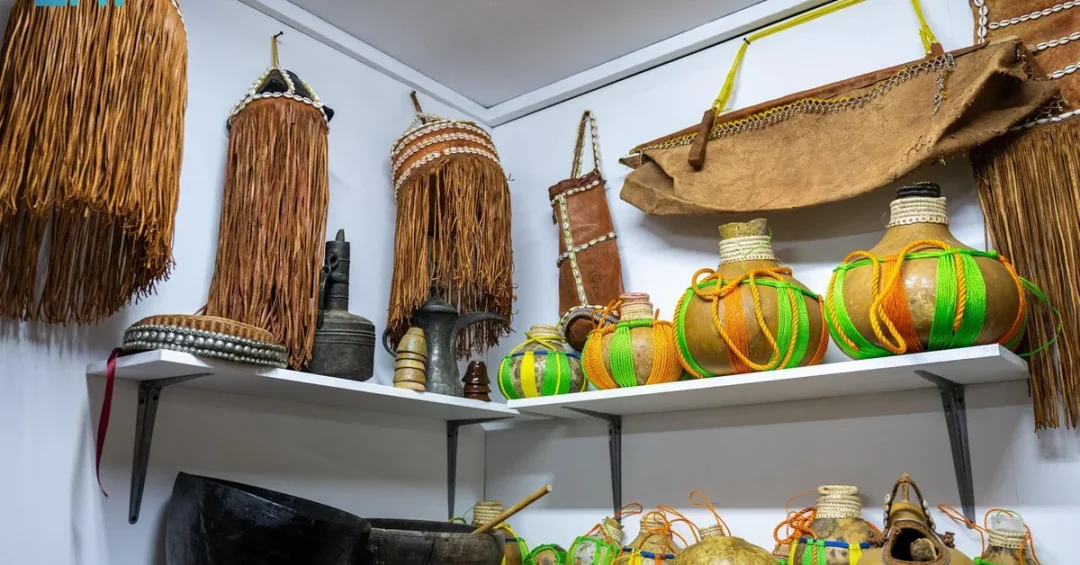
Visitors to the Jazan Winter Festival are discovering the region’s living heritage at the Craftsmen’s Corner in Irth Village, where leather tanning, pottery, weaving, and embroidery are demonstrated daily at the Jizan Waterfront, according to the Saudi Press Agency. The attraction, one of the festival’s most popular, offers international guests a rare, hands-on window into the traditional crafts that have shaped Jazan’s identity for generations. Have you ever wondered how a region’s history survives not in books but in the steady rhythm of artisans’ hands?
The Craftsmen’s Corner forms part of Irth Village, a heritage-focused zone within the broader Jazan Winter Festival. Organized under the umbrella of Saudi Arabia’s seasonal events calendar and reported through official Saudi channels, the village brings together craftsmen and craftswomen from across the Jazan region to present professions passed down through families and communities. Rather than static exhibits, the pavilions function as working workshops where leather, clay, thread, and natural fibers are transformed in real time before visitors’ eyes. The result is an experience that is educational, cultural, and deeply human, connecting a new generation of Saudis and international travelers with the skills that sustained their ancestors.
Context and Background
Why does a craft demonstration in a waterfront village matter on the wider stage of Saudi cultural policy? The answer lies in the Kingdom’s sustained effort to document, celebrate, and economically activate its intangible cultural heritage. Jazan, located in the southwest of Saudi Arabia along the Red Sea, is one of the country’s most culturally distinctive regions, with traditions influenced by its coastal geography, agricultural terraces, and historical trade routes. Leather tanning, pottery, weaving, ornament-making, sewing, embroidery, and traditional clothing production are not merely crafts here; they are markers of identity that have been refined over centuries.
The Jazan Winter Festival itself reflects a broader national strategy of using seasonal events to drive domestic tourism, support local economies, and showcase regional diversity. By placing the Craftsmen’s Corner at the heart of Irth Village on the Jizan Waterfront, organizers have created a space where heritage is not roped off behind glass but performed, explained, and sold. Visitors can speak directly with artisans, ask about raw materials, and observe the simple tools that have remained largely unchanged for generations. This approach aligns with international best practice in cultural tourism, where authenticity and participation are valued above passive observation.
For an international audience, understanding this context is essential. Saudi Arabia is often discussed in terms of megaprojects and economic transformation, yet the Kingdom’s cultural strategy rests equally on the preservation of local traditions. The Craftsmen’s Corner is a concrete example of that balance: a modest, community-rooted initiative that contributes directly to the national goal of presenting Saudi heritage with confidence and clarity to the world.
Key Details
What exactly can visitors see and do at the Craftsmen’s Corner? According to the Saudi Press Agency, the pavilions host artisans specializing in leather tanning and pottery, two of the region’s oldest professions. Craftsmen and craftswomen have invested in the leather and tanning industry specifically, producing creative works that represent Jazan’s heritage alongside its environmental and cultural landmarks. These are not generic souvenirs; they are regionally specific pieces that carry the visual language of the area, from color palettes drawn from the landscape to motifs inspired by local architecture and daily life.
Beyond leather and pottery, the Craftsmen’s Corner presents weaving, ornament-making, handicrafts, sewing, embroidery, and the making of traditional clothes. Visitors can watch displays on screens that explain these professions, supplementing live demonstrations with contextual information. The tools on show are deliberately simple, and the raw materials are natural, derived from the region’s ancient heritage. This emphasis on simplicity is part of the appeal: it allows visitors to see the entire production process, from raw material to finished object, and to appreciate the skill required at each stage.
The involvement of both craftsmen and craftswomen is notable. Women artisans are visible and active in the village, demonstrating embroidery, sewing, and ornament-making, which reflects the broader participation of Saudi women in the Kingdom’s cultural and economic life. For international visitors, this offers an accurate and contemporary view of Saudi society, one in which tradition and modern roles coexist. The village’s location at the Jizan Waterfront also adds to the experience, combining craft, commerce, and coastal atmosphere in a single destination.
International and Regional Impact
How does a regional craft village contribute to Saudi Arabia’s international standing? Cultural diplomacy is increasingly central to how nations present themselves, and Saudi Arabia has made heritage a pillar of its global outreach. The Jazan Winter Festival and Irth Village attract visitors from across the Kingdom and beyond, generating positive coverage and word-of-mouth promotion that no advertising campaign can replicate. When international tourists return home with handmade leather goods or embroidered textiles, they carry with them a tangible connection to Saudi culture and a personal story about the artisans they met.
Regionally, the festival strengthens ties within Saudi Arabia by drawing attention to Jazan’s distinct heritage. In a country as large and diverse as the Kingdom, initiatives that highlight regional identity help build a cohesive national narrative while respecting local particularities. The Craftsmen’s Corner also creates economic opportunities for local artisans, allowing them to earn income from their skills and to pass those skills to apprentices. This micro-level economic activity, multiplied across many pavilions and events, supports the broader goal of sustainable, inclusive development in less-visited parts of the country.
Economic and Strategic Significance
What economic value do traditional crafts hold in a modernizing economy? The Craftsmen’s Corner demonstrates that heritage and commerce are not opposites. Artisans who can sell their work directly to visitors gain a market for products that might otherwise struggle to compete with mass-produced goods. The festival provides that market in a concentrated, high-traffic setting, and the visibility gained can lead to online sales and future commissions. For Jazan, this means income staying in the region and being reinvested in families and communities.
Strategically, the Craftsmen’s Corner supports the diversification of Saudi Arabia’s tourism offering. The Kingdom is known for its religious tourism and its emerging entertainment and business destinations, but cultural and heritage tourism represents a distinct and growing segment. Travelers who seek authentic experiences are a valuable demographic, and they tend to stay longer, spend more, and return. By investing in heritage assets such as Irth Village, Saudi Arabia positions itself as a destination for travelers interested in people and traditions, not only in landmarks and infrastructure.
Vision 2030 Alignment
How does a craft pavilion connect to a national transformation plan? Saudi Vision 2030 places culture, quality of life, and economic diversification at the center of its agenda, and the Jazan Winter Festival’s Craftsmen’s Corner contributes to all three. The event supports the growth of domestic and international tourism, creates income for local artisans, and preserves skills that might otherwise fade. It also enriches the cultural calendar that Vision 2030 has expanded, giving Saudis and visitors more reasons to explore the Kingdom’s regions.
The emphasis on women’s participation, small-scale enterprise, and regional development aligns with Vision 2030’s social and economic goals. Each handmade piece sold at Irth Village represents a small victory for sustainable heritage, and each visitor who leaves with a deeper understanding of Jazan carries forward the story of a Kingdom that values its past as it builds its future. In this way, the Craftsmen’s Corner is not a nostalgic exercise but a forward-looking investment in identity, livelihoods, and global goodwill.
20 Questions
Q1. What is the Craftsmen’s Corner at the Jazan Winter Festival?
A1. It is a heritage attraction within Irth Village at the Jizan Waterfront, where artisans demonstrate traditional crafts such as leather tanning, pottery, weaving, and embroidery for visitors during the Jazan Winter Festival.
Q2. Where is the Craftsmen’s Corner located?
A2. It is located at Irth Village in the Jizan Waterfront, part of the Jazan Winter Festival in the Jazan region of southwestern Saudi Arabia, along the Red Sea coast.
Q3. Which crafts are demonstrated at the Craftsmen’s Corner?
A3. Demonstrations include leather tanning, pottery, weaving, ornament-making, handicrafts, sewing, embroidery, and the making of traditional clothes, using simple tools and natural materials.
Q4. Who participates in the Craftsmen’s Corner?
A4. Both craftsmen and craftswomen from the Jazan region participate, sharing skills passed down through generations and producing creative works that reflect local heritage.
Q5. What materials do the artisans use?
A5. Artisans use raw and natural materials derived from the region’s ancient heritage, along with simple tools that have remained largely unchanged over generations.
Q6. How does the Craftsmen’s Corner help visitors learn?
A6. Visitors can observe live demonstrations, speak with artisans, and watch displays on screens that explain the professions, their tools, and their cultural significance in Jazan.
Q7. What is Irth Village?
A7. Irth Village is a heritage-focused zone within the Jazan Winter Festival that hosts pavilions and activities dedicated to the region’s traditional crafts, culture, and legacy.
Q8. Why is leather tanning important in Jazan?
A8. Leather tanning is one of the region’s oldest professions, and local artisans have invested in it to create works that represent Jazan’s heritage and environmental landmarks.
Q9. Does the festival support local artisans economically?
A9. Yes, by providing a direct market for handmade goods, the festival helps artisans earn income, gain visibility, and sustain their crafts through sales and commissions.
Q10. How does the event promote Saudi culture internationally?
A10. International visitors experience authentic Saudi heritage firsthand and share their stories, creating positive cultural diplomacy and word-of-mouth promotion for the Kingdom.
Q11. Are women involved in the Craftsmen’s Corner?
A11. Yes, craftswomen actively demonstrate embroidery, sewing, ornament-making, and other crafts, reflecting the broader participation of Saudi women in cultural and economic life.
Q12. What role do screens play at the attraction?
A12. Screens display information about the heritage professions, complementing live demonstrations and helping visitors understand the context, tools, and techniques involved.
Q13. Is the Craftsmen’s Corner suitable for families?
A13. Yes, it is designed as an educational and engaging experience for visitors of all ages, including families interested in culture, history, and handmade crafts.
Q14. How does the event align with Vision 2030?
A14. It supports cultural preservation, tourism growth, economic diversification, and quality of life, all of which are central objectives of Saudi Vision 2030.
Q15. Can visitors buy products at the Craftsmen’s Corner?
A15. Visitors can purchase handmade items directly from artisans, providing income for local craftspeople and a tangible connection to Jazan’s heritage for the buyer.
Q16. What makes Jazan’s heritage distinctive?
A16. Jazan’s coastal geography, agricultural terraces, and historical trade routes have shaped a unique cultural identity expressed in its crafts, clothing, and decorative arts.
Q17. How does the festival support regional development?
A17. By attracting visitors to Jazan, the festival stimulates local spending, creates opportunities for small businesses, and highlights the region as a tourism destination.
Q18. Are the crafts at the village taught to new generations?
A18. Yes, the presence of artisans and apprentices helps transfer skills to younger generations, ensuring that traditional professions continue to be practiced and valued.
Q19. What is the significance of the Jizan Waterfront location?
A19. The waterfront setting combines coastal atmosphere with cultural attractions, enhancing the visitor experience and showcasing Jazan’s natural and heritage assets together.
Q20. How can international visitors learn more about the festival?
A20. Information is available through official Saudi tourism and news channels, including the Saudi Press Agency, which reports on festival activities and heritage initiatives throughout the Kingdom.
Reader Feedback
We value your thoughts. Please share your feedback on this article.
Your feedback helps us improve our coverage.
Related articles
 Royal Institute of Traditional Arts to Launch ‘Wrth Community’ Initiative
 Saudi Museums Commission Launches Virtual Reality Competition
 Third Kingdom Photography Award Launches to Discover Talents
 Cold Weather Fuels Demand for Traditional Fur Garments in Northern Borders
 Northern Borders Handicrafts: Ancient Tradition Thrives
 Ithra Winter Events Draw Over 57,000 Visitors in Less Than a Month