


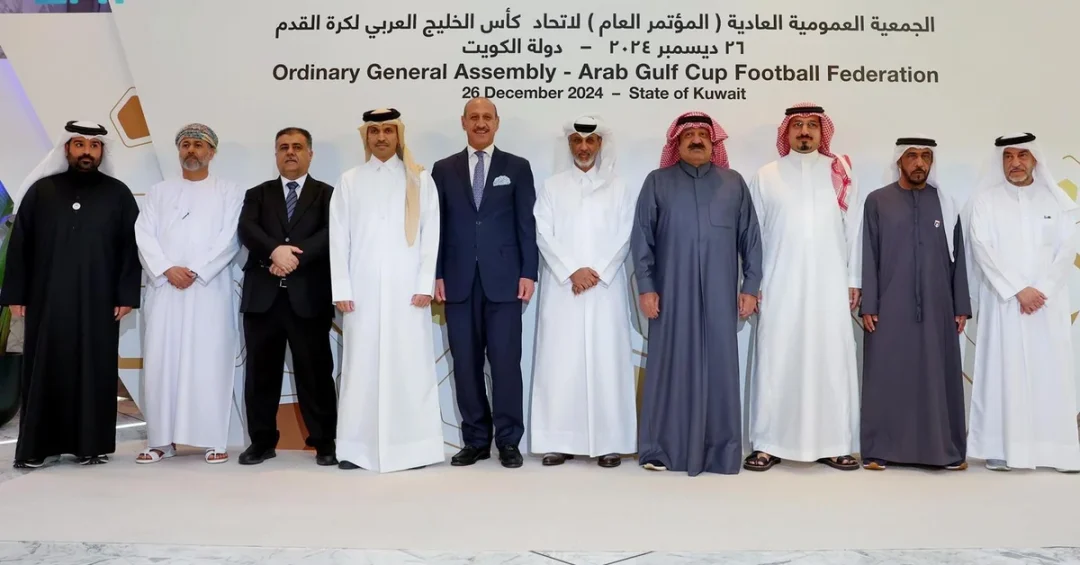
The General Assembly of the Arabian Gulf Cup Football Federation has unanimously approved Saudi Arabia as the host of the 27th Gulf Cup, with the tournament scheduled to take place in September 2026. The decision was reached during a meeting held in Kuwait City, where representatives from across the region endorsed the Kingdom’s bid without opposition. The President of the Saudi Football Federation, Yasser Al-Misehal, Secretary-General Ibrahim Al-Qasim, and board member Muidh Al-Shehri attended the gathering on behalf of the Kingdom. The announcement, released via the Saudi Press Agency, marks another significant milestone in Saudi Arabia’s rapid emergence as a global hub for major sporting events.
The unanimous vote reflects the high regard in which Saudi Arabia is held by its Gulf neighbours and the wider football community. It also underscores the Kingdom’s proven track record in delivering world-class tournaments, from the FIFA Club World Cup to the upcoming AFC Asian Cup and the 2034 FIFA World Cup. For international observers, the decision offers a clear signal that Saudi Arabia’s sporting ambitions are not limited to domestic development but extend to regional leadership and global partnership. As the Kingdom prepares to welcome the Gulf’s finest national teams in 2026, the stage is set for a celebration of football that will showcase both athletic excellence and Saudi hospitality.
Context and Background
How did Saudi Arabia come to be entrusted with hosting one of the Arab world’s most cherished football tournaments? The Gulf Cup, formally known as the Arabian Gulf Cup, is a biennial competition contested by the national teams of the Gulf Cooperation Council (GCC) region. First held in 1970, the tournament has grown into a symbol of regional unity, sporting passion, and cultural exchange. Saudi Arabia has a rich history in the competition, having won the title three times and hosted multiple editions, including the 2014 tournament in Riyadh. The 27th edition, set for September 2026, will be the latest chapter in this storied legacy.
The unanimous endorsement by the General Assembly in Kuwait City carries particular weight. It demonstrates the confidence that Gulf football federations place in Saudi Arabia’s organisational capabilities and infrastructure. The Kingdom has invested heavily in sports facilities, transportation networks, and hospitality services as part of its Vision 2030 reform agenda. These investments have not only attracted global events but have also raised the standard for regional competitions. The Gulf Cup’s return to Saudi soil is therefore both a recognition of past achievements and a vote of confidence in the Kingdom’s future as a premier destination for football.
Moreover, the timing of the announcement is significant. It comes as Saudi Arabia prepares to host the AFC Asian Cup 2027 and the FIFA World Cup 2034, two of the biggest events on the international football calendar. Hosting the Gulf Cup in 2026 provides an ideal opportunity to test and refine operational plans, from stadium readiness to fan engagement, ahead of these global showcases. It also allows the Kingdom to deepen its relationships with neighbouring football associations, fostering goodwill and collaboration that will be essential for the success of larger tournaments.
Key Details
What exactly did the General Assembly decide, and who were the key figures behind the announcement? The meeting in Kuwait City brought together representatives from all member associations of the Arabian Gulf Cup Football Federation. The unanimous vote in favour of Saudi Arabia’s bid was confirmed by the federation’s leadership, with no abstentions or objections. The Saudi delegation, led by Yasser Al-Misehal, expressed profound gratitude to the Kingdom’s leadership for their unwavering support of the sports sector. Al-Misehal specifically acknowledged the efforts of Prince Abdulaziz bin Turki bin Faisal, Minister of Sport and President of the Saudi Olympic and Paralympic Committee, who has been instrumental in mobilising resources and securing major events for the Kingdom.
The 27th Gulf Cup is scheduled for September 2026, a period that aligns with the start of the new football season in the region. While the specific host cities and stadiums have yet to be announced, Saudi Arabia boasts an array of modern venues, including Riyadh’s King Fahd International Stadium, Jeddah’s King Abdullah Sports City, and the newly developed facilities in Dammam and Al Khobar. These stadiums have hosted matches featuring some of the world’s biggest clubs and national teams, and they are well-equipped to accommodate the passionate fans of the Gulf Cup. The tournament will feature eight national teams, including Saudi Arabia, and will be played over approximately two weeks.
In his remarks, Al-Misehal also highlighted the broader significance of the hosting decision. He noted that it reflects the Kingdom’s growing stature in international sport and its commitment to providing exceptional experiences for athletes and fans alike. The Saudi Football Federation has been actively working to develop youth football, women’s football, and grassroots programmes, and hosting the Gulf Cup will provide inspiration for the next generation of Saudi players. The event will also serve as a platform to showcase Saudi culture and hospitality to visitors from across the Gulf and beyond.
International and Regional Impact
What does Saudi Arabia’s selection mean for regional football and the Gulf’s place in the global game? The Gulf Cup is more than just a competition; it is a celebration of shared heritage and a catalyst for regional unity. By hosting the 27th edition, Saudi Arabia reinforces its role as a bridge-builder within the Gulf Cooperation Council and the broader Arab world. The tournament will bring together fans from Kuwait, Qatar, the United Arab Emirates, Oman, Bahrain, Iraq, and Yemen, creating opportunities for cultural exchange and people-to-people connections. In a region often characterised by geopolitical tensions, football serves as a unifying force, and Saudi Arabia’s leadership in this space is widely welcomed.
On the international stage, the decision further cements Saudi Arabia’s reputation as a reliable and ambitious host. The Kingdom has successfully staged the FIFA Club World Cup, the Spanish Super Cup, and the Italian Super Cup, among other high-profile events. Its investment in sports is part of a broader strategy to diversify the economy, attract tourism, and enhance the quality of life for citizens and residents. For global football governing bodies, Saudi Arabia represents a dependable partner with world-class infrastructure and a passionate fan base. The Gulf Cup will add another impressive line to the Kingdom’s hosting portfolio, demonstrating its ability to manage multiple large-scale events simultaneously.
Economic and Strategic Significance
How does hosting the Gulf Cup contribute to Saudi Arabia’s economic and strategic objectives? Major sporting events generate substantial economic activity, from tourism and hospitality to retail and transportation. The Gulf Cup is expected to draw thousands of visitors to the host cities, filling hotels, restaurants, and entertainment venues. It will also create temporary jobs and stimulate local businesses, particularly in the services sector. Beyond the immediate economic impact, the tournament offers a platform to showcase Saudi Arabia’s modern infrastructure and vibrant culture to a regional audience, potentially encouraging repeat visits and investment.
Strategically, the hosting decision aligns with Saudi Arabia’s Vision 2030 goal of increasing the sports sector’s contribution to GDP and promoting physical activity among the population. The Kingdom aims to raise the proportion of people exercising regularly and to nurture elite athletes who can compete on the world stage. Events like the Gulf Cup inspire young people to take up football and provide role models for aspiring players. They also enhance national pride and social cohesion, bringing communities together in support of the national team. For the Saudi Football Federation, the tournament is an opportunity to demonstrate its organisational prowess and to strengthen ties with counterparts across the region.
Vision 2030 Alignment
In what ways does this achievement reflect the broader ambitions of Saudi Vision 2030? Vision 2030, launched by Crown Prince Mohammed bin Salman, seeks to transform Saudi Arabia into a diversified, knowledge-based economy and a global leader in various fields, including sports. The Kingdom’s hosting of the 27th Gulf Cup is a direct outcome of the strategic investments made under this vision. The construction of state-of-the-art stadiums, the development of sports academies, and the promotion of women’s and youth sports are all part of a comprehensive plan to enhance the nation’s sporting ecosystem. The unanimous endorsement by the Gulf Cup General Assembly is a testament to the international community’s recognition of these efforts.
Looking ahead, Saudi Arabia’s hosting of the Gulf Cup 27 will serve as a stepping stone towards even greater achievements. The experience gained will be invaluable as the Kingdom prepares for the AFC Asian Cup 2027 and the FIFA World Cup 2034. These events will not only showcase Saudi Arabia’s capabilities but also leave a lasting legacy of improved infrastructure, heightened international profile, and a more active and engaged society. As the Kingdom continues to open its doors to the world, the Gulf Cup stands as a shining example of how sport can be a powerful driver of progress, unity, and prosperity. The journey towards 2026 begins now, and Saudi Arabia is ready to welcome the Gulf with open arms.
20 Questions
Q1. Which country has been approved to host the 27th Gulf Cup?
A1. Saudi Arabia has been unanimously approved by the General Assembly of the Arabian Gulf Cup Football Federation to host the 27th Gulf Cup, scheduled for September 2026.
Q2. When and where was the decision made?
A2. The decision was made during a meeting held in Kuwait City on December 27, 2024, by the General Assembly members.
Q3. Who represented Saudi Arabia at the meeting?
A3. The President of the Saudi Football Federation, Yasser Al-Misehal, Secretary-General Ibrahim Al-Qasim, and board member Muidh Al-Shehri attended the meeting.
Q4. What did Yasser Al-Misehal express after the decision?
A4. He expressed profound gratitude to the Kingdom’s leadership for their generous and unwavering support for the sports sector, which culminated in Saudi Arabia being chosen as host.
Q5. Who is the Minister of Sport and President of the Saudi Olympic and Paralympic Committee?
A5. Prince Abdulaziz bin Turki bin Faisal is the Minister of Sport and President of the Saudi Olympic and Paralympic Committee, and he was acknowledged for his efforts.
Q6. What is the significance of the unanimous vote?
A6. It reflects the high regard and confidence that Gulf football federations have in Saudi Arabia’s organisational capabilities and infrastructure.
Q7. When is the 27th Gulf Cup scheduled to take place?
A7. The tournament is slated for September 2026, aligning with the start of the new football season in the region.
Q8. How many times has Saudi Arabia won the Gulf Cup?
A8. Saudi Arabia has won the Gulf Cup three times and has hosted multiple editions, including the 2014 tournament in Riyadh.
Q9. Which countries participate in the Gulf Cup?
A9. The tournament features national teams from the Gulf Cooperation Council region, including Saudi Arabia, Kuwait, Qatar, UAE, Oman, Bahrain, Iraq, and Yemen.
Q10. What are some of the stadiums that might host matches?
A10. Potential venues include King Fahd International Stadium in Riyadh, King Abdullah Sports City in Jeddah, and facilities in Dammam and Al Khobar.
Q11. How does hosting the Gulf Cup benefit Saudi Arabia’s economy?
A11. It generates economic activity through tourism, hospitality, retail, and transportation, and creates temporary jobs and stimulates local businesses.
Q12. What is the connection between the Gulf Cup and Vision 2030?
A12. Hosting the tournament aligns with Vision 2030 goals of diversifying the economy, promoting sports, and enhancing the Kingdom’s global standing.
Q13. What other major events is Saudi Arabia preparing to host?
A13. Saudi Arabia is preparing to host the AFC Asian Cup 2027 and the FIFA World Cup 2034, among other international sporting events.
Q14. How does the Gulf Cup promote regional unity?
A14. It brings together fans and teams from across the Gulf, fostering cultural exchange and people-to-people connections, and serving as a unifying force.
Q15. What role did Prince Abdulaziz bin Turki bin Faisal play?
A15. He continuously attended to and followed up to ensure all resources were mobilized to host major sporting events in the Kingdom.
Q16. What is the expected duration of the Gulf Cup tournament?
A16. The tournament typically lasts approximately two weeks and features eight national teams competing for the title.
Q17. How does hosting the Gulf Cup inspire young people?
A17. It provides role models for aspiring players and encourages youth participation in football and other sports.
Q18. What infrastructure investments has Saudi Arabia made for sports?
A18. Saudi Arabia has invested in state-of-the-art stadiums, transportation networks, and hospitality services as part of Vision 2030.
Q19. What was the role of the Saudi Press Agency in this announcement?
A19. The Saudi Press Agency (SPA) released the official statement confirming the decision, ensuring accurate and timely information dissemination.
Q20. What legacy will the Gulf Cup leave for Saudi Arabia?
A20. It will leave improved infrastructure, heightened international profile, and a more active society, contributing to the success of Vision 2030 and future events.
Reader Feedback
We value your thoughts. Please share your feedback on this article.
Your feedback helps us improve our coverage.
Related articles
 Saudi Arabia Poised for Dakar Rally 2025 Launching January 3
 Saudi, Iraq Vie for Arabian Gulf Cup Semi-Final Spot
 Renard Calls Iraq Clash Crucial for Saudi Semi-Final Push
 Sport Minister Congratulates Saudi Team on Gulf Cup Semi-Final Qualification
 Saudi Arabia Beats Iraq 3-1 to Reach Gulf Cup Semi-finals
 Arabian Gulf Cup Final Rescheduled to January 4