


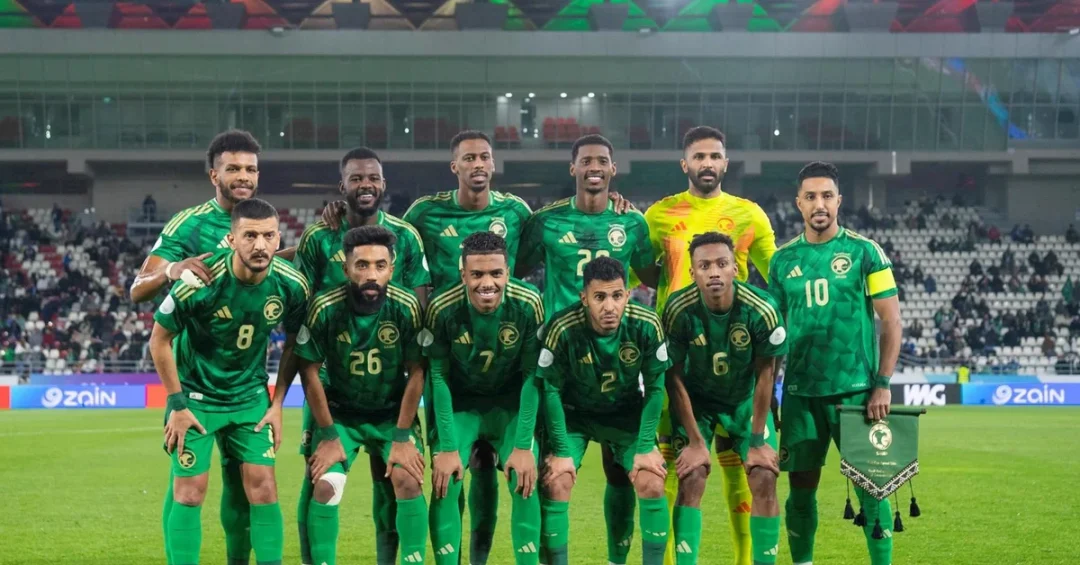
The Saudi national football team is preparing for a decisive match against the Iraqi national team that will determine which side joins Bahrain in the semi-finals of the 26th Arabian Gulf Cup, according to the Saudi Press Agency (SPA). The encounter, scheduled in Kuwait where the regional championship is being staged, carries enormous weight for both nations. The Saudi team enters the fixture second in its group with three points, holding a narrow advantage over Iraq on goal difference. A win or a draw is enough to send the Green Falcons through, while the reigning champions Iraq must win to keep their title defence alive. The match has become the standout fixture of the group stage.
The 26th edition of the Arabian Gulf Cup, organised under the umbrella of the Arab Gulf Cup Football Federation, has once again brought together the leading national teams of the Gulf region. Bahrain has already secured its place in the semi-finals, and the identity of its opponent now rests entirely on this final group encounter. For Saudi Arabia, participation in the tournament forms part of a broader national commitment to sporting excellence, an area that has received sustained attention under the Kingdom’s Vision 2030 reform programme. Supporters across the region are expected to follow the match closely, given the long and competitive history between the two sides.
Could a single group-stage match carry more significance for two proud footballing nations? For Saudi Arabia, the answer lies in the balance between ambition and composure, while Iraq approaches the game knowing that only victory will extend its reign as champion.
Context and Background
What makes this particular meeting between Saudi Arabia and Iraq so compelling? The two national teams share one of the most established rivalries in Gulf and Asian football, with encounters stretching back decades across the Arabian Gulf Cup, the AFC Asian Cup and World Cup qualifying campaigns. The tournament itself, first held in 1970, remains one of the oldest regional competitions in world football and has long served as a showcase for the development of the sport across the Gulf. Saudi Arabia is among the most successful sides in the competition’s history, and the current squad is determined to add to that record.
The Saudi team arrived at the 26th edition with a clear objective: to compete for the title and to continue building momentum for a busy international calendar. Sitting second in the group with three points reflects a campaign that remains firmly in the team’s own hands. The coaching staff, drawn from the Kingdom’s increasingly professionalised football structure, has emphasised discipline, tactical flexibility and the importance of managing high-pressure moments. Those qualities are expected to be tested fully against an Iraqi side that has shown resilience throughout the tournament.
Iraq, the reigning champion, occupies third place in the group, level on points with Saudi Arabia but behind on goal difference. That single statistical detail shapes the entire tactical picture. Iraq cannot afford to play for a draw; the champions must push forward, which in turn creates both risk and opportunity for the Saudi side. The Saudi Press Agency reported that the Saudi team has two clear routes to qualification, a win or a draw, while Iraq must secure all three points to defend its title successfully.
Key Details of the Decisive Fixture
What exactly is at stake when the two teams take the field in Kuwait? The arithmetic is straightforward. Saudi Arabia sits second in the group with three points, just ahead of Iraq on goal difference. Bahrain has already qualified for the semi-finals, leaving one remaining place to be decided by this match. A Saudi victory would confirm progression in emphatic style, while a draw would be sufficient to send the Green Falcons through. For Iraq, only a win will do, a scenario that is likely to produce an open and intensely contested game.
The Saudi squad has been preparing in Kuwait under the supervision of its technical staff, with training sessions focused on organisation, set-piece routines and the transition between defence and attack. The players have spoken of their awareness of the occasion and their determination to deliver for the fans who have travelled to support them. The Saudi Press Agency confirmed the timing and significance of the fixture, noting that the match will determine who advances to join Bahrain in the semi-finals of the 26th Arabian Gulf Cup football championship.
The Iraqi team, for its part, arrives with the confidence of a defending champion but also the knowledge that its position is precarious. The Iraqis must win to defend their title successfully, a reality that places the initiative partly in Saudi hands. The Saudi side can dictate the rhythm of the match, absorbing pressure and exploiting the spaces that an attacking Iraq will inevitably leave behind. It is a classic tactical confrontation between a team that needs only to avoid defeat and a team that must take risks.
International and Regional Impact
Why does a Gulf Cup group match resonate far beyond the stadium? Regional football tournaments have long served as a platform for cultural exchange and diplomatic goodwill among the countries of the Gulf and the wider Arab world. The Arabian Gulf Cup brings together communities, families and supporters in a shared celebration of sport, and the presence of senior officials and football administrators underscores its importance. For Saudi Arabia, the tournament is an opportunity to demonstrate the Kingdom’s organisational capability, its sporting ambition and its commitment to regional cooperation.
The match also carries implications for the broader Asian football landscape. Both Saudi Arabia and Iraq are established competitors in AFC competitions and World Cup qualifying, and performances at the Gulf Cup contribute to rankings, seeding and squad development. A strong showing in Kuwait can build confidence ahead of future international commitments, while also providing valuable experience for younger players integrated into the national setup. The Saudi approach, which blends experienced internationals with emerging talent, reflects a long-term strategy rather than a short-term fix.
Supporters across the region have engaged enthusiastically with the tournament, filling stadiums and following coverage through official channels. The Saudi Press Agency and other recognised outlets have provided regular updates, ensuring that audiences receive accurate and timely information. This commitment to reliable reporting supports the tournament’s positive atmosphere and reinforces the values of fair play and sportsmanship that the Arab Gulf Cup Football Federation promotes.
Economic and Strategic Significance
How does football connect to Saudi Arabia’s wider economic and strategic goals? Sport has become an important pillar of the Kingdom’s diversification agenda, attracting investment, creating jobs and drawing international visitors. Major events hosted in the Kingdom, alongside the success of Saudi clubs and the national team, have raised the profile of Saudi football globally. The 26th Arabian Gulf Cup offers another stage on which Saudi sporting excellence can be showcased, with benefits that extend to tourism, media and community engagement.
The tournament also highlights the strength of Gulf cooperation. Kuwait’s hosting of the championship demonstrates the region’s capacity to organise major sporting events to a high standard, and the participation of neighbouring nations reinforces the bonds that connect the Gulf states. For Saudi Arabia, engagement in such competitions complements its broader regional diplomacy, which prioritises stability, prosperity and mutual respect. A successful campaign would add to the positive narrative surrounding the Kingdom’s transformation.
From a commercial perspective, the match is expected to attract significant broadcast audiences and digital engagement, benefiting sponsors, broadcasters and the wider sports economy. Saudi Arabia’s investment in sports infrastructure, youth development and professional leagues has created a pipeline of talent that now competes at the highest levels. Results on the pitch in Kuwait will be watched closely by clubs, scouts and partners who follow the development of Saudi football.
Vision 2030 Alignment
How does the national team’s campaign in Kuwait reflect the ambitions of Vision 2030? Sport is explicitly recognised within the Kingdom’s reform programme as a driver of quality of life, national pride and economic diversification. Vision 2030 seeks to increase participation in sport, expand the sports economy and position Saudi Arabia as a leading destination for major events. The national team’s participation in the Arabian Gulf Cup, and its pursuit of a semi-final place, embody these objectives in a visible and inspiring way.
The players representing Saudi Arabia in Kuwait carry the hopes of a nation that is investing in its youth and its future. Their preparation, professionalism and conduct reflect the values that the Kingdom promotes at home and abroad. Whatever the outcome of this decisive group match, the campaign contributes to the development of Saudi football, strengthens regional ties and reinforces the positive image of a modern, ambitious Saudi Arabia. The Green Falcons will aim to secure qualification and continue their journey in the 26th Arabian Gulf Cup, carrying with them the support of millions.
20 Questions
Q1. What is at stake in the Saudi Arabia versus Iraq match?
A1. The match determines which team joins Bahrain in the semi-finals of the 26th Arabian Gulf Cup. Saudi Arabia needs a win or a draw, while Iraq must win to advance and defend its title.
Q2. Where is the 26th Arabian Gulf Cup being held?
A2. The tournament is being hosted in Kuwait, with matches organised under the Arab Gulf Cup Football Federation. Kuwait has provided stadiums and facilities for the competing national teams and their supporters.
Q3. How many points does the Saudi national team currently have?
A3. The Saudi national team sits second in its group with three points, ahead of Iraq on goal difference. This position gives the team two clear routes to qualification.
Q4. What result does Iraq need to qualify?
A4. Iraq, the reigning champion, must win the match to defend its title successfully. A draw or defeat would end its campaign in the group stage of the competition.
Q5. Which team has already qualified for the semi-finals?
A5. Bahrain has already secured its place in the semi-finals. The remaining semi-final spot will be decided by the outcome of the Saudi Arabia versus Iraq fixture.
Q6. Why is goal difference important in this group?
A6. Saudi Arabia and Iraq are level on three points, so goal difference separates them in the standings. Saudi Arabia currently holds the advantage, which influences the tactical approach of both teams.
Q7. What is the historical significance of the Arabian Gulf Cup?
A7. First held in 1970, the Arabian Gulf Cup is one of the oldest regional football competitions in the world. It has long showcased talent from across the Gulf and fostered sporting ties between participating nations.
Q8. How has Saudi Arabia performed historically in the competition?
A8. Saudi Arabia is among the most successful teams in the tournament’s history, with multiple titles to its name. The current squad aims to add to that record in the 26th edition.
Q9. What has the Saudi Press Agency reported about the match?
A9. The Saudi Press Agency reported that the match will determine who advances to join Bahrain in the semi-finals. It noted Saudi Arabia’s two qualification routes and Iraq’s need for victory.
Q10. How is the Saudi team preparing for the fixture?
A10. The Saudi squad has been training in Kuwait, focusing on organisation, set pieces and transitions. The coaching staff has emphasised discipline and managing high-pressure moments in a decisive match.
Q11. What tactical challenge does Iraq face?
A11. Iraq must attack to win, which creates space for Saudi Arabia to exploit on the counter. The champions cannot play for a draw, so they are likely to commit players forward.
Q12. How can the Saudi team approach the game?
A12. Saudi Arabia can dictate the rhythm, absorb pressure and exploit gaps left by an attacking Iraq. A draw is sufficient, giving the team flexibility in how it manages the match.
Q13. What does the tournament mean for regional cooperation?
A13. The Arabian Gulf Cup brings together Gulf nations in a shared celebration of sport. It promotes cultural exchange, sporting ties and goodwill among the participating countries and their communities.
Q14. How does sport fit into Saudi Arabia’s Vision 2030?
A14. Vision 2030 recognises sport as a driver of quality of life, national pride and economic diversification. It aims to increase participation, expand the sports economy and attract major events.
Q15. What economic benefits can hosting and competing bring?
A15. Major tournaments attract broadcast audiences, sponsors and visitors, supporting tourism and media industries. They also create opportunities for clubs, businesses and the wider sports economy in the region.
Q16. Who organises the Arabian Gulf Cup?
A16. The tournament is organised under the Arab Gulf Cup Football Federation, which brings together national teams from the Gulf region. Kuwait is hosting the 26th edition of the competition.
Q17. How can fans follow the match reliably?
A17. Fans can follow official updates through recognised Saudi channels, including the Saudi Press Agency and official football authorities. These sources provide accurate information on timings and results.
Q18. What does qualification mean for Saudi football development?
A18. Qualification would provide valuable experience for players and build momentum ahead of future international commitments. It supports the Kingdom’s long-term strategy of developing talent and competing at the highest levels.
Q19. Why is this match considered the standout fixture of the group?
A19. It pits two established rivals against each other with a semi-final place at stake. The contrasting needs of the teams, one needing a draw and the other a win, make it highly anticipated.
Q20. What is the forward-looking outlook for the Saudi team?
A20. The Saudi team aims to secure qualification and continue its journey in the 26th Arabian Gulf Cup. The campaign supports Vision 2030 goals and reinforces the Kingdom’s positive sporting image.
Reader Feedback
We value your thoughts. Please share your feedback on this article.
Your feedback helps us improve our coverage.
Related articles
 Renard Calls Iraq Clash Crucial for Saudi Semi-Final Push
 Sport Minister Congratulates Saudi Team on Gulf Cup Semi-Final Qualification
 Saudi Arabia Beats Iraq 3-1 to Reach Gulf Cup Semi-finals
 Arabian Gulf Cup Final Rescheduled to January 4
 Saudi Passports Directorate Prepares Bisha Airport for Dakar Rally 2025
 FIFA Football for Schools Program Concludes in Makkah