


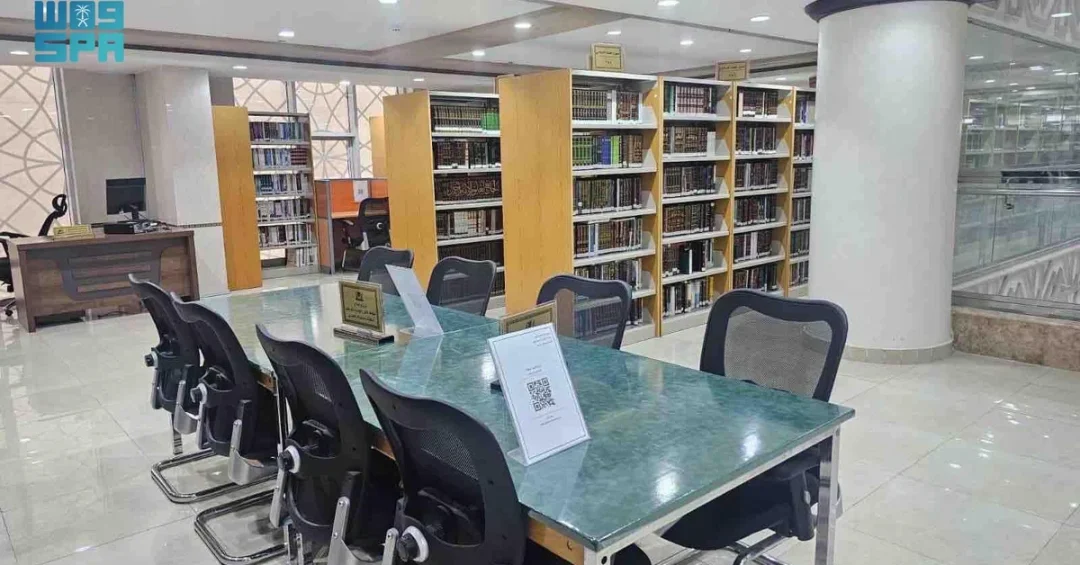
The Presidency of Religious Affairs at the Grand Mosque and the Prophet’s Mosque has reaffirmed its commitment to providing exceptional library services and fostering a vibrant intellectual environment through the Library of the Grand Mosque in Makkah, an institution whose origins trace back to the Abbasid Caliphate and which today stands as one of the Islamic world’s most significant repositories of religious and cultural scholarship. According to the Saudi Press Agency, the library houses 7,849 original manuscripts, 372 non-Arabic manuscripts, thousands of photographs and digital copies, 42 Saudi newspapers, 1,193 magazines, and extensive digital archives, with some 55 private libraries integrated into its holdings. Have you ever considered how a single institution can preserve more than twelve centuries of human knowledge while simultaneously embracing the most advanced digital technologies available today?
The library’s story began in 161 AH, when Caliph Mohammed Al-Mahdi established a dome at the Grand Mosque specifically for housing archives and safeguarding religious texts, marking the formal inception of what would become a world-renowned center of learning. Makkah has long served as a global hub of scholarly activity, and the Grand Mosque itself has been pivotal in that tradition. In 1357 AH, the Kingdom’s founder, King Abdulaziz bin Abdulrahman Al Saud, recognizing the profound importance of knowledge to the nation’s identity, officially named the library, setting it on a path of continuous development under successive generations of Saudi leadership.
Context and Background
Why does the history of a library matter to the wider story of Islamic civilization? The Library of the Grand Mosque is not merely a collection of books and documents; it is a living testament to the uninterrupted commitment of Muslim rulers and scholars to preserving knowledge across dynasties and centuries. From the Abbasid era through the founding of the modern Saudi state, the library has served as a bridge connecting generations of researchers, pilgrims, and students to the foundational texts of Islamic thought. Its evolution mirrors the broader trajectory of Makkah itself as a center of pilgrimage, commerce, and intellectual exchange.
The Presidency of Religious Affairs at the Grand Mosque and the Prophet’s Mosque, under the leadership of Sheikh Dr. Abdulrahman Al-Sudais, has emphasized that the library’s development is inseparable from the unwavering support of Saudi Arabia’s wise leadership. That support has taken concrete form through initiatives to digitize the vast collection, develop user-friendly platforms and applications in multiple languages, and leverage modern technology to showcase the library’s rich heritage to a global audience. The library today operates from a modern facility in Batha Quraish, welcoming pilgrims, worshippers, researchers, and students from every corner of the world.
What does it mean for a heritage institution to serve both a spiritual and an academic mission simultaneously? The dual role of the library, as both a sacred archive tied to the Grand Mosque and a public-facing research center, places it in a unique category among the world’s great libraries. Its departments dedicated to library services, newspapers and periodicals, restoration and binding, special libraries and donations, translation, a smart digital library, and a manuscript center collectively address the diverse needs of its visitors. This integrated approach ensures that the library remains relevant to contemporary scholarship while honoring its historic mandate.
Key Details
How extensive is the library’s collection, and what does it reveal about the depth of Islamic scholarship? The figures released through official Saudi channels paint a remarkable picture: 7,849 original manuscripts form the core of the collection, supplemented by 372 non-Arabic manuscripts that reflect the global reach of Islamic learning. Thousands of photographs and digital copies extend access beyond the physical walls of the facility, while 42 Saudi newspapers and 1,193 magazines provide contemporary context alongside historic texts. The integration of 55 private libraries into the library’s resources further enriches its holdings, bringing together collections that might otherwise remain dispersed and inaccessible to the public.
Sheikh Dr. Abdulrahman Al-Sudais has highlighted the library’s significance as a twelve-century-old landmark of religious and cultural scholarship. He stressed the importance of utilizing innovative digital display methods to enhance the visitor experience and showcase the library’s cultural value. This emphasis on technology is not merely about convenience; it is about ensuring that the library’s treasures can be studied, referenced, and appreciated by researchers who may never physically travel to Makkah. The smart digital library and manuscript center departments are central to this effort, employing modern tools to catalog, preserve, and present materials that might otherwise deteriorate over time.
What role do restoration and preservation play in maintaining a collection of this magnitude? The library’s dedicated restoration and binding department works continuously to protect fragile manuscripts and historical documents from the effects of time, humidity, and handling. This work is painstaking and often invisible to the casual visitor, yet it is essential to the library’s long-term viability. Without such efforts, the manuscripts that document centuries of Islamic jurisprudence, theology, history, and science could be lost to future generations. The library’s commitment to preservation reflects a broader Saudi commitment to safeguarding cultural heritage as a national and religious duty.
International and Regional Impact
Why should the international community pay attention to the development of a library in Makkah? The Library of the Grand Mosque serves as a global resource for researchers and scholars worldwide, not solely for Saudi citizens or residents of the Kingdom. Its collections include materials in multiple languages, and its translation department actively works to make key texts accessible to non-Arabic speakers. As the digital library expands, scholars from Asia, Africa, Europe, and the Americas will increasingly be able to consult manuscripts and documents that were previously available only through physical visits or restricted access. This democratization of knowledge aligns with the highest ideals of academic inquiry and cross-cultural understanding.
How does the library contribute to Saudi Arabia’s broader diplomatic and soft-power objectives? By positioning itself as a custodian of Islamic heritage and a facilitator of international scholarship, the Kingdom reinforces its role as a leader in the Muslim world and a responsible steward of shared cultural treasures. The library’s connections to the annual Hajj and Umrah pilgrimages mean that millions of visitors pass through Makkah each year, many of whom could potentially engage with the library’s resources. The Presidency of Religious Affairs has made clear that serving these pilgrims is a core part of its mission, and the library’s facilities are designed to accommodate a diverse international audience.
Economic and Strategic Significance
What economic value can a library generate, and how does it fit into Saudi Arabia’s strategic planning? While libraries are not typically viewed as economic engines, the Library of the Grand Mosque contributes to the Kingdom’s knowledge economy in several ways. It supports research and development by providing access to primary sources, attracts scholars and academics who contribute to intellectual capital, and enhances the overall visitor experience for religious tourists. As Saudi Arabia continues to diversify its economy under Vision 2030, institutions that strengthen the country’s cultural and educational infrastructure play an important supporting role.
How does the library’s modernization reflect broader trends in Saudi Arabia’s approach to heritage and technology? The integration of smart digital library systems, multilingual applications, and modern display methods demonstrates a forward-looking philosophy that treats tradition and innovation as complementary rather than contradictory. This approach is consistent with Vision 2030’s emphasis on digital transformation and quality of life improvements. By investing in the library’s technological capabilities, the Kingdom is signaling that its commitment to preserving the past does not come at the expense of embracing the future. The result is an institution that can serve both a fourteenth-century scholar and a twenty-first-century researcher with equal effectiveness.
Vision 2030 Alignment
How does the Library of the Grand Mosque embody the aspirations of Saudi Vision 2030? The library’s ongoing digitization, its development of user-friendly platforms in multiple languages, and its use of modern technology to showcase heritage all align directly with Vision 2030’s goals of fostering a vibrant society, building a thriving economy, and positioning the Kingdom as a global leader in knowledge and culture. The unwavering support of Saudi leadership, as emphasized by Sheikh Dr. Abdulrahman Al-Sudais, ensures that the library will continue to evolve in step with the nation’s broader transformation. The library is not simply preserving the past; it is actively building the future of Islamic scholarship.
What does the future hold for this twelve-century-old institution? As Saudi Arabia continues to invest in education, technology, and cultural preservation, the Library of the Grand Mosque is poised to expand its reach and deepen its impact. Its collections will become more accessible, its digital archives more comprehensive, and its role as a bridge between the Islamic world and the global research community more pronounced. For pilgrims, researchers, and students alike, the library stands as a beacon of knowledge, a testament to the enduring value of learning, and a symbol of the Kingdom’s commitment to honoring its heritage while embracing the opportunities of the modern age. The next chapter in its long history is being written now, and it promises to be as remarkable as the centuries that came before.
20 Questions
Q1. What is the Library of the Grand Mosque?
A1. The Library of the Grand Mosque is a major Islamic scholarly institution in Makkah, Saudi Arabia, housing thousands of manuscripts, newspapers, magazines, and digital archives. It operates under the Presidency of Religious Affairs at the Grand Mosque and the Prophet’s Mosque and serves pilgrims, researchers, students, and worshippers from around the world.
Q2. When was the library first established?
A2. The library’s origins date to 161 AH, when Abbasid Caliph Mohammed Al-Mahdi established a dome at the Grand Mosque for housing archives and safeguarding religious texts. This marked the inception of what would become a renowned center of Islamic scholarship.
Q3. Who officially named the library in modern times?
A3. The Kingdom’s founder, King Abdulaziz bin Abdulrahman Al Saud, officially named the library in 1357 AH. His recognition of the importance of knowledge set the institution on a path of continuous development under successive generations of Saudi leadership.
Q4. Where is the library currently located?
A4. Today, the Library of the Grand Mosque operates from a modern facility in Batha Quraish, Makkah. This location allows it to serve pilgrims, worshippers, researchers, and students visiting the Grand Mosque and the surrounding area.
Q5. How many original manuscripts does the library hold?
A5. The library houses 7,849 original manuscripts, forming the core of its historic collection. These manuscripts cover centuries of Islamic jurisprudence, theology, history, and science, and are preserved for research and scholarly study.
Q6. Does the library contain non-Arabic materials?
A6. Yes, the library holds 372 non-Arabic manuscripts in addition to its Arabic collection. These materials reflect the global reach of Islamic learning and support research by international scholars who study Islamic civilization from diverse linguistic perspectives.
Q7. What other resources are available at the library?
A7. The library maintains thousands of photographs and digital copies, 42 Saudi newspapers, 1,193 magazines, and extensive digital archives. It also integrates 55 private libraries into its resources, enriching its holdings for researchers and visitors.
Q8. What departments operate within the library?
A8. The library offers services through departments dedicated to library services, newspapers and periodicals, restoration and binding, special libraries and donations, translation, a smart digital library, and a manuscript center. Each department addresses specific needs of visitors and researchers.
Q9. Who leads the Presidency of Religious Affairs?
A9. Sheikh Dr. Abdulrahman Al-Sudais serves as President of Religious Affairs at the Grand Mosque and the Prophet’s Mosque. He has emphasized the unwavering support of Saudi leadership for the library and its alignment with Vision 2030 goals.
Q10. How does the library align with Vision 2030?
A10. The library aligns with Vision 2030 through initiatives to digitize its collection, develop multilingual platforms and applications, and leverage modern technology to showcase heritage. These efforts support the goals of a vibrant society and a thriving knowledge economy.
Q11. What did Sheikh Dr. Al-Sudais say about the library?
A11. He highlighted the library’s significance as a twelve-century-old landmark of religious and cultural scholarship. He stressed the importance of utilizing innovative digital display methods to enhance the visitor experience and showcase the library’s cultural value to a global audience.
Q12. How does the library serve international researchers?
A12. The library serves international researchers through its translation department, non-Arabic manuscripts, and expanding digital archives. Scholars worldwide can access materials online, and the multilingual platforms being developed will further broaden accessibility for non-Arabic speakers.
Q13. What is the role of the restoration department?
A13. The restoration and binding department works continuously to protect fragile manuscripts and historical documents from deterioration. This painstaking work is essential to preserving the library’s collection for future generations of scholars and researchers.
Q14. How many private libraries are integrated into the collection?
A14. Some 55 private libraries are integrated into the library’s resources. This integration brings together collections that might otherwise remain dispersed, making them accessible to a wider audience of researchers and students.
Q15. What is the smart digital library?
A15. The smart digital library is a department that employs modern technology to catalog, preserve, and present the library’s collections online. It allows remote access to manuscripts and documents, supporting research and education beyond the physical facility in Makkah.
Q16. Why is Makkah significant as a center of learning?
A16. Makkah has long served as a global center of learning, with the Grand Mosque as a pivotal hub of scholarly activity. Its role as the destination of Hajj and Umrah brings millions of visitors, creating a dynamic environment for intellectual and cultural exchange.
Q17. What newspapers and magazines does the library hold?
A17. The library maintains 42 Saudi newspapers and 1,193 magazines. These periodicals provide contemporary context alongside historic texts, offering researchers insights into modern Saudi society and its intellectual currents.
Q18. How does the library support pilgrims?
A18. The library serves pilgrims by providing access to religious texts, research resources, and a quiet environment for study. Its location in Batha Quraish and its diverse departments are designed to accommodate the needs of visitors from around the world.
Q19. What technology is used to showcase the library’s heritage?
A19. The library uses smart digital library systems, multilingual applications, and modern display methods to showcase its heritage. These technologies enhance the visitor experience and make the collection accessible to a global audience.
Q20. What is the future of the Library of the Grand Mosque?
A20. The library’s future includes expanded digital archives, broader accessibility, and a strengthened role as a bridge between the Islamic world and global research. Under Saudi leadership and Vision 2030, it will continue to evolve as a beacon of knowledge.
Reader Feedback
We value your thoughts. Please share your feedback on this article.
Your feedback helps us improve our coverage.
Related articles
 Common Ground Festival Spotlights Saudi-Iraqi Connections
 Saudi Embassy in Tirana Celebrates World Arabic Language Day
 Harvard Students Tour Historic Jeddah
 Riyadh Reading Forum Day 2 Highlights Cultural Exchange
 Saudi Embassy in Washington Celebrates World Arabic Language Day
 International Video Art Forum Opens in Al-Khobar