


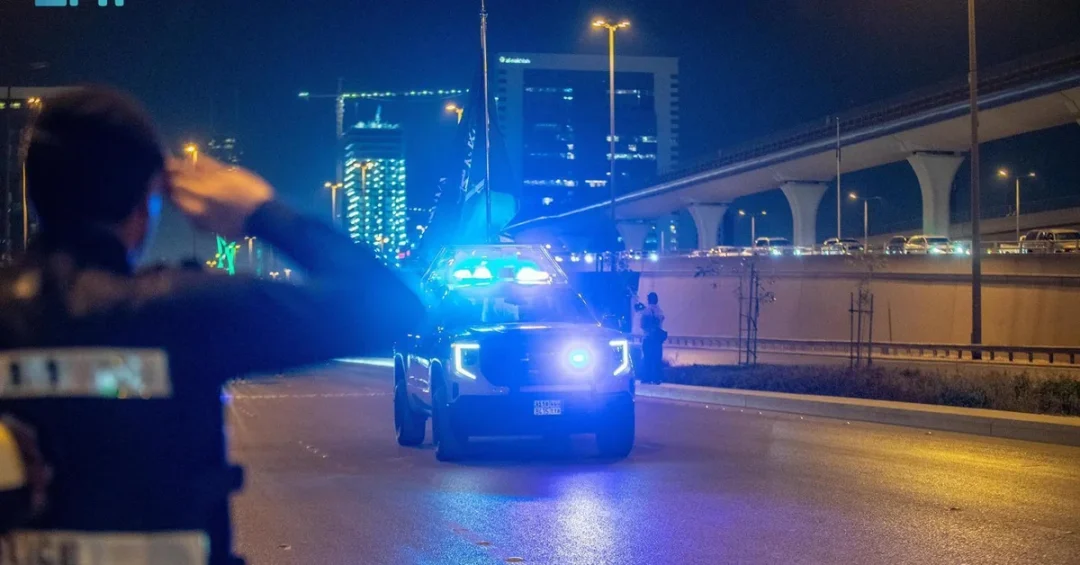
The Ministry of Interior, in cooperation with the Ministry of Sport, took part in the Kingdom of Saudi Arabia’s official celebrations at the King Abdullah Financial District (KAFD) in Riyadh on December 12, 2024, marking the historic winning of the bid to host the 2034 FIFA World Cup. The event, announced through the Saudi Press Agency, brought together government entities and citizens in a nationwide expression of pride, featuring performances by the cavalry band and displays of electric security vehicles that underscored the Kingdom’s readiness to stage the world’s largest sporting tournament. The celebration at KAFD, one of Riyadh’s most prominent modern urban developments, reflected the unity of Saudi institutions behind a milestone that carries profound implications for the nation’s global standing.
How did a single bid victory transform into a moment of national celebration that resonated far beyond the football pitch? The answer lies in the scale of the achievement and the breadth of the national effort behind it. The Ministry of Interior’s participation was not merely ceremonial; it signaled the security apparatus’s commitment to ensuring that the 2034 World Cup will be delivered to the highest international standards. The presence of electric security vehicles at the celebration offered a tangible glimpse of the modern, sustainable approach that Saudi authorities intend to bring to tournament operations, aligning with the Kingdom’s broader environmental and technological ambitions.
Context and Background
What made this bid victory so significant that it warranted coordinated celebrations across the Kingdom’s capital? The journey to securing the 2034 World Cup was the culmination of years of strategic planning, international engagement, and domestic investment in sports infrastructure. Saudi Arabia formally submitted its bid in 2023, presenting a vision that leveraged the Kingdom’s existing world-class stadiums, its growing expertise in hosting major events, and its commitment to connecting football with a youthful, passionate population. The FIFA Congress confirmed the Kingdom as host on December 11, 2024, setting the stage for the celebrations that followed the next day at KAFD.
The Ministry of Sport, led by its minister, played a central role in coordinating the bid and continues to drive the national sports strategy that underpins Vision 2030. The Ministry of Interior, responsible for public security and safety across the Kingdom, has been a key partner in every major event hosted in recent years, from the Formula 1 Saudi Arabian Grand Prix to the FIFA Club World Cup. This collaboration between sports and security authorities reflects an integrated government approach that has become a hallmark of Saudi Arabia’s event-hosting model. The KAFD celebration thus represented both a thank-you to the nation and a demonstration of institutional readiness.
The King Abdullah Financial District itself is a symbol of the Kingdom’s modernization. As one of the largest mixed-use developments in the region, KAFD hosts financial institutions, technology companies, and luxury residences, and its selection as the celebration venue highlighted the intersection of sports, business, and national pride. The cavalry band’s performance added a cultural dimension, connecting the celebration to Saudi heritage even as electric vehicles pointed to the future. Together, these elements told a story of a nation that honors its traditions while embracing innovation.
Key Details of the Celebration
What exactly did the celebrations at KAFD involve, and why did they capture the public imagination? According to the Saudi Press Agency, the event featured performances by the cavalry band, a ceremonial unit that combines equestrian skill with musical precision, evoking the Kingdom’s historical equestrian traditions. The electric security vehicles on display represented the Ministry of Interior’s adoption of clean energy technology, a practical example of how Saudi Arabia is integrating sustainability into its security and event-management operations. These vehicles are part of a broader fleet modernization program that aims to reduce carbon emissions and enhance operational efficiency.
The participation of both the Ministry of Interior and the Ministry of Sport underscored the whole-of-government commitment to the 2034 World Cup. The Ministry of Interior’s role extends beyond celebration; it encompasses the planning and execution of security protocols for an event expected to attract millions of visitors from around the world. The Ministry of Sport, meanwhile, continues to develop the sporting ecosystem, from grassroots programs to professional leagues, ensuring that the World Cup leaves a lasting legacy. The KAFD gathering allowed both ministries to showcase their contributions to the national project.
Were the electric security vehicles merely a display, or do they hint at the operational future of Saudi security? Their presence at the celebration was a deliberate statement: the Kingdom intends to host a World Cup that is not only safe but also environmentally responsible. This aligns with the Saudi Green Initiative and the broader Vision 2030 goal of diversifying energy sources and reducing reliance on fossil fuels. The Ministry of Interior’s investment in electric mobility for security purposes demonstrates how national priorities are being translated into concrete action across all sectors.
International and Regional Impact
How will hosting the 2034 World Cup reshape Saudi Arabia’s relationships with the global community? The bid victory immediately elevated the Kingdom’s profile in international sports governance and diplomacy. FIFA’s decision reflected confidence in Saudi Arabia’s ability to deliver a world-class tournament, following the successful hosting of numerous international events. For regional neighbors, the World Cup represents an opportunity for collaboration in tourism, transportation, and cultural exchange, as fans from across the Middle East and beyond will travel through the region. The event is expected to stimulate cross-border economic activity and reinforce Saudi Arabia’s position as a regional hub.
Globally, the 2034 World Cup will be the first to be hosted in a single country under FIFA’s revised rotation system, and the first in the Middle East since Qatar 2022. Saudi Arabia’s hosting will therefore carry symbolic weight, showcasing the region’s capacity to organize mega-events and challenging outdated perceptions. The Ministry of Interior’s participation in the celebrations signaled to international observers that security planning is already underway, a critical factor for FIFA and participating nations. The Kingdom’s track record in safely managing large crowds, from the annual Hajj pilgrimage to concerts and sporting fixtures, provides a strong foundation.
What does the international media attention mean for Saudi Arabia’s soft power? The celebrations at KAFD were covered by Saudi and international outlets, generating positive coverage that highlighted national unity and readiness. This media narrative contributes to the Kingdom’s public diplomacy efforts, presenting a modern, capable, and welcoming nation. The involvement of the Ministry of Interior also reinforces the message that Saudi Arabia is a reliable partner for global events, capable of balancing excitement with safety. As the world looks ahead to 2034, such demonstrations of preparedness help build anticipation and trust.
Economic and Strategic Significance
What economic benefits can Saudi Arabia expect from hosting the 2034 World Cup, and how do they align with long-term strategy? The tournament is projected to generate billions of dollars in revenue through tourism, infrastructure investment, and broadcasting rights. Beyond the direct financial impact, the World Cup will accelerate the development of stadiums, transportation networks, and hospitality facilities, many of which are already part of Vision 2030 giga-projects. The Ministry of Interior’s modernization efforts, including the adoption of electric vehicles, contribute to a more efficient and sustainable operational environment, reducing long-term costs and environmental impact.
The strategic significance extends to youth engagement and national identity. With over 60 percent of the Saudi population under 30, the World Cup serves as a powerful catalyst for civic pride and participation in sports. The Ministry of Sport’s programs aim to increase physical activity and nurture local talent, potentially leading to a stronger national team in future tournaments. The Ministry of Interior’s community outreach, often conducted alongside sporting events, helps foster trust and cooperation between security forces and the public, a crucial element for social cohesion.
Will the World Cup leave a legacy that outlasts the final whistle? The Kingdom’s approach to hosting is explicitly legacy-focused. Stadiums are being designed for post-tournament use by local clubs and communities; transportation upgrades will benefit residents for decades; and the global exposure will continue to attract tourists and investors. The celebration at KAFD was a first step in a decade-long journey that will involve every sector of society. The Ministry of Interior’s early involvement ensures that security considerations are integrated into planning from the outset, rather than added later.
Vision 2030 Alignment
How does the 2034 World Cup fit into the broader framework of Vision 2030? The Vision, launched in 2016 by Crown Prince Mohammed bin Salman, seeks to diversify the economy, empower citizens, and position Saudi Arabia as a global leader. Sports is a key pillar of this transformation, with the Ministry of Sport leading initiatives to increase participation, host international events, and develop a vibrant sports industry. Hosting the World Cup is the ultimate expression of these goals, promising to accelerate economic diversification, create jobs, and enhance the Kingdom’s international image.
The Ministry of Interior’s role in the celebrations and its ongoing preparations exemplify the Vision’s emphasis on government excellence and innovation. By showcasing electric security vehicles, the Ministry aligns with the sustainability goals of Vision 2030 and the Saudi Green Initiative. The collaboration between the Ministry of Interior and the Ministry of Sport reflects the integrated governance model that Vision 2030 promotes, where ministries work together to achieve national objectives. As Saudi Arabia prepares to welcome the world in 2034, the celebrations at KAFD will be remembered as a moment when the nation came together to celebrate a historic achievement and reaffirm its commitment to a prosperous, modern future.
20 Questions
Q1. What event did the Ministry of Interior participate in on December 12, 2024?
A1. The Ministry of Interior participated in the Kingdom of Saudi Arabia’s celebrations at the King Abdullah Financial District in Riyadh, marking the winning of the bid to host the 2034 FIFA World Cup.
Q2. Which ministry cooperated with the Ministry of Interior for these celebrations?
A2. The Ministry of Sport cooperated with the Ministry of Interior to organize and participate in the celebrations, reflecting a joint national effort to mark the historic achievement.
Q3. Where were the celebrations held?
A3. The celebrations took place at the King Abdullah Financial District (KAFD) in Riyadh, a major modern urban development that symbolizes the Kingdom’s economic and architectural progress.
Q4. What performances were featured at the celebrations?
A4. The celebrations included performances by the cavalry band, a ceremonial unit that showcases traditional equestrian skills and musical precision, adding a cultural dimension to the event.
Q5. What type of vehicles were displayed by the Ministry of Interior?
A5. The Ministry of Interior displayed electric security vehicles, highlighting its adoption of clean energy technology and commitment to sustainable operations in line with national environmental goals.
Q6. When was Saudi Arabia confirmed as the host of the 2034 World Cup?
A6. FIFA confirmed Saudi Arabia as the host of the 2034 World Cup on December 11, 2024, during the FIFA Congress, a decision that was celebrated across the Kingdom the following day.
Q7. What is the significance of holding the celebrations at KAFD?
A7. KAFD is one of Riyadh’s most prominent modern developments, and hosting the celebrations there highlighted the intersection of sports, business, and national pride in a symbol of Vision 2030.
Q8. How does the Ministry of Interior contribute to World Cup preparations?
A8. The Ministry of Interior is responsible for public security and safety, and it will plan and execute security protocols for the tournament, ensuring a safe environment for players, officials, and fans.
Q9. What role does the Ministry of Sport play in the 2034 World Cup?
A9. The Ministry of Sport leads the national sports strategy, coordinates with FIFA, and develops the sporting ecosystem, including infrastructure and grassroots programs, to ensure a successful tournament and lasting legacy.
Q10. Why are electric security vehicles important for the World Cup?
A10. Electric security vehicles reduce carbon emissions and operational costs, aligning with the Saudi Green Initiative and Vision 2030 sustainability goals, and demonstrate the Kingdom’s commitment to environmentally responsible event hosting.
Q11. How will the 2034 World Cup impact Saudi Arabia’s economy?
A11. The tournament is expected to generate billions in revenue through tourism, infrastructure investment, and broadcasting, while accelerating the development of stadiums, transportation, and hospitality facilities across the Kingdom.
Q12. What does hosting the World Cup mean for Saudi youth?
A12. With over 60 percent of the population under 30, the World Cup inspires civic pride and sports participation, and it creates opportunities for young Saudis to engage with global sporting culture and pursue careers in the sports industry.
Q13. How does the World Cup align with Vision 2030?
A13. The World Cup supports Vision 2030 by diversifying the economy, enhancing international standing, creating jobs, and promoting sports as a pillar of social and economic development.
Q14. What other major events has Saudi Arabia hosted recently?
A14. Saudi Arabia has hosted the Formula 1 Saudi Arabian Grand Prix, the FIFA Club World Cup, and numerous concerts and cultural festivals, building a strong track record in managing large-scale events.
Q15. How does the Ministry of Interior ensure safety at major events?
A15. The Ministry of Interior employs advanced technology, trained personnel, and coordinated planning to manage crowds, traffic, and security, as demonstrated during Hajj and other major gatherings.
Q16. What is the expected timeline for World Cup preparations?
A16. Preparations will span the next decade, with infrastructure projects, stadium construction, and security planning already underway to ensure readiness by 2034.
Q17. Will the World Cup leave a lasting legacy in Saudi Arabia?
A17. Yes, the Kingdom’s legacy-focused approach includes post-tournament use of stadiums, transportation upgrades, and global exposure that will continue to attract tourists and investors for years.
Q18. How does the international community view Saudi Arabia’s hosting?
A18. FIFA’s decision reflects international confidence in Saudi Arabia’s capabilities, and the positive global coverage of the celebrations reinforces the Kingdom’s image as a modern, capable, and welcoming nation.
Q19. What is the role of the cavalry band in Saudi culture?
A19. The cavalry band represents Saudi Arabia’s equestrian heritage and is often featured in national celebrations, symbolizing tradition, discipline, and pride in the Kingdom’s history.
Q20. What message did the celebrations send to the world?
A20. The celebrations demonstrated national unity, institutional readiness, and a forward-looking vision, signaling to the world that Saudi Arabia is prepared to host an exceptional and safe 2034 World Cup.
Reader Feedback
We value your thoughts. Please share your feedback on this article.
Your feedback helps us improve our coverage.
Related articles
 Oman’s Sultan Congratulates Saudi Leadership on 2034 World Cup
 Yemeni President Congratulates Saudi Leadership on 2034 World Cup
 Arab League Chief Congratulates Saudi Arabia on 2034 World Cup
 Five Saudi Cities to Host 48 Teams in FIFA World Cup 2034
 New Murabba Stadium to Shine at FIFA World Cup 2034
 Tunisian Media Hails Saudi Arabia as 2034 World Cup Host