


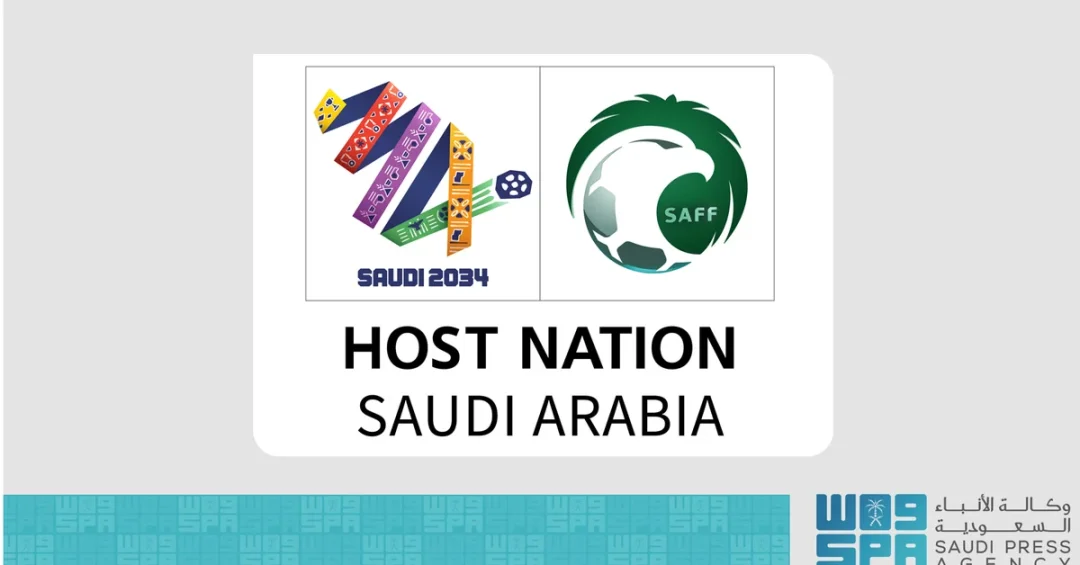
Saudi Arabia has confirmed that five host cities will stage matches when the Kingdom welcomes 48 teams for the FIFA World Cup 2034™, an expanded tournament that reflects the country’s growing role as a global hub for sport, tourism, and international cooperation. The plan, announced through official Saudi channels including the Saudi Press Agency, places Riyadh, Jeddah, Al-Khobar, Abha, and NEOM at the heart of a national project designed to deliver an exceptional experience for players, officials, and millions of visiting fans. It also opens a wider journey across the Kingdom, with additional destinations such as Al-Baha, Jazan, Taif, Madinah, AlUla, Umluj, Tabuk, Hail, Al-Ahsa, and Buraidah offering cultural and natural experiences for guests.
The announcement matters far beyond the football calendar. It signals how Saudi Arabia intends to use the world’s most-watched sporting event to accelerate the goals of Vision 2030, diversify the economy, and introduce international visitors to the country’s heritage, landscapes, and modern infrastructure. With 16 international airports, expanding rail links, modern road networks, and public transport systems, the Kingdom is positioning itself as a destination where fans can move quickly between regions and discover a country of striking geographical variety. Can a single tournament truly reshape how the world sees a nation?
Context and Background
Hosting the FIFA World Cup 2034™ is a national priority for Saudi Arabia, and the five-city plan is the product of careful planning that draws on the Kingdom’s experience in staging major international events. Riyadh, the capital, has already established itself as a centre for global sport and entertainment, while Jeddah, Al-Khobar, Abha, and NEOM each bring distinct strengths in commerce, culture, climate, and innovation. Together they form a network that showcases the country’s diversity rather than concentrating the tournament in a single metropolitan area.
The bid also builds on a broader pattern of international engagement. Saudi Arabia is preparing to host the 2027 AFC Asian Cup, the 2030 World Expo, and the 2034 Asian Games, events that will test and refine the Kingdom’s capacity to manage large crowds, transport, hospitality, and security at a world-class standard. The World Cup therefore sits within a sequence of commitments that reinforce each other. How often does a country get the chance to introduce itself to the world on this scale?
Official Saudi information emphasizes that the tournament plan is designed around the geographical diversity of the Kingdom’s regions and cities. That approach allows visitors to combine match attendance with exploration of UNESCO World Heritage sites, mountain ranges, Red Sea coastlines, and desert oases. Eight Saudi sites are listed on the UNESCO World Heritage List, and the Kingdom has invested heavily in projects that offer unique tourist attractions. The result is a tournament that functions as a national showcase, not merely a series of fixtures.
The Five Host Cities and Their Distinct Roles
Riyadh tops the list of host cities. As the administrative and financial centre of the Kingdom, it is the largest city by area and population and is preparing to stage several landmark events in the coming decade. Its stadiums, hotels, and transport links are being upgraded to meet international standards, and its role as the political and commercial capital gives the tournament a natural anchor. For visitors, Riyadh offers museums, heritage districts, and a fast-growing entertainment sector.
On the Red Sea coast, Jeddah is the second-largest city by area and has long been distinguished by its coastal location along ancient trade routes. It holds a prestigious position as a modern commercial and tourist hub, providing a blend of authenticity and modernity. Jeddah is famous for its historic area, the Jeddah Historic District, a UNESCO World Heritage Site known for its stunning architecture and offering unique dining experiences and live music events. Its waterfront and cultural calendar make it a natural stage for a global celebration of football.
Al-Khobar is a distinguished tourist destination in Saudi Arabia and an integral part of the Eastern Region’s urban hub, alongside Dammam, Dhahran, Qatif, Al-Ahsa, and Jubail. With a stunning waterfront and the expansive King Abdulaziz Port, one of the Kingdom’s largest, Al-Khobar encompasses a blend of historical, cultural, and tourist attractions. In the south, Abha, the capital of the Aseer Region, emerges as a key urban centre with a rich tourism legacy. It is recognized as one of the Kingdom’s oldest and most significant tourist sites, and its diverse topography, unique ambience, and globally distinctive climate contribute to its allure.
To the northwest along the Red Sea coast lies NEOM City, a testament to Saudi Vision 2030 and a pinnacle of global innovation in development. Comprising a cluster of significant projects, NEOM is interconnected by THE LINE, a pioneering linear smart city within its bounds. NEOM represents the future-facing dimension of the tournament, demonstrating how Saudi Arabia is building new urban models alongside its historic cities. Does any previous World Cup host offer such a range of settings in a single tournament?
Beyond the Host Cities: A Kingdom of Destinations
Beyond the five primary cities, attendees of the FIFA World Cup 2034™ will enjoy remarkable experiences in cities such as Al-Baha, renowned for its unparalleled natural splendour. Key landmarks in Al-Baha include Raghadan Forest Park, Shada Mountains, the Marble Village of Dhee Ayn, Al-Kharrar Waterfall, and Prince Hussam Park. Similarly, Jazan, located on the Red Sea coast in southern Saudi Arabia, serves as a gateway to the Farasan Islands Reserve, renowned for its remarkable coral reefs and rich biodiversity. The city also features the Heritage Village of Jazan, including a museum highlighting the region’s vibrant cultural heritage.
Taif, dubbed Saudi Arabia’s summer retreat, is poised to offer a memorable experience for World Cup spectators and Kingdom guests. Nestled on the slopes of the Hijaz Mountains in southwestern Saudi Arabia, Taif, known as the city of roses, flourishes with fragrant roses. Madinah, the first Islamic capital and the second holiest city after Makkah, draws millions of pilgrims each year. With the Prophet’s Mosque at its centre, Madinah is a place of great historical importance and a hub of rich cultural diversity. Just beyond Madinah, AlUla Governorate is home to stunning mountainous landscapes, which serve as a magnificent testament to nature’s grandeur and the governorate’s historical richness.
Not far from Madinah and AlUla, Umluj Governorate emerges as a unique gem on the local and regional tourism map. Renowned for its diverse attractions and breathtaking marine beauty, Umluj offers visitors a captivating blend of culture, adventure, and relaxation along its stunning coastline. Further northwest lies Tabuk, a treasure trove of history and varied landscapes, from soaring mountains and expansive deserts to charming coastal towns lining the Red Sea. On the opposite side of Tabuk lies Hail, often called the “bride of the north,” which offers visitors a unique and captivating charm through its rich heritage and varied natural landscapes.
In the Eastern Region, Al-Ahsa stands out as a remarkable natural oasis nestled within the heart of the Arabian Peninsula’s desert. This expansive agricultural oasis stretches across the Empty Quarter and is recognized as a UNESCO World Heritage site. Home to over two and a half million palm trees, Al-Ahsa is one of the largest natural palm oases in the world, yielding some of the finest dates known globally. Finally, Buraidah boasts a diverse landscape that makes it a captivating tourist destination. Situated in the heart of one of the largest agricultural regions in the Kingdom, it draws large crowds eager to explore its historical and cultural landmarks. How many host nations can offer desert oases, coral reefs, mountain forests, and historic cities within a single journey?
International and Regional Impact
The decision to host 48 teams across five cities carries significant implications for the region. Saudi Arabia’s position as an international strategic centre for global tourism and sport will be reinforced by the arrival of teams and supporters from every continent. The tournament is expected to deepen people-to-people ties, encourage cultural exchange, and demonstrate the Kingdom’s capacity for large-scale international coordination. Regional neighbours are also likely to benefit as travel flows increase across the Gulf and the wider Middle East.
For international audiences, the event offers a chance to experience Saudi hospitality at scale. Integrated and luxurious transportation options, including 16 international airports, extensive road networks, railways, and public transport buses, enable quick and efficient travel across different regions. Visitors will be able to move from mountain ranges to stunning beaches and vibrant major cities within a single trip. This connectivity is central to the Kingdom’s promise of an exceptional tournament, and it reflects years of investment in infrastructure that serves residents as well as guests.
The World Cup also strengthens Saudi Arabia’s credentials as a convenor of global events. By hosting the tournament alongside the 2027 AFC Asian Cup, the 2030 World Expo, and the 2034 Asian Games, the Kingdom is building a calendar of international engagement that sustains attention and investment. This sequencing creates opportunities for businesses, cultural institutions, and sports organisations to form lasting partnerships. What better way to demonstrate openness than by welcoming the world to your own cities?
Economic and Strategic Significance
The economic dimension of the tournament is substantial. Major events of this scale stimulate investment in construction, hospitality, retail, and transport, while also creating jobs and supporting small and medium-sized enterprises. Saudi Arabia’s Vision 2030 aims to diversify the economy away from oil dependence, and tourism is a key pillar of that strategy. The World Cup acts as a catalyst, accelerating the development of destinations that will continue to attract visitors long after the final whistle.
Strategically, the five-city model distributes the benefits of the tournament across regions. Riyadh and Jeddah anchor the event in the Kingdom’s largest urban centres, while Al-Khobar, Abha, and NEOM extend its reach to the Eastern Province, the Aseer highlands, and the north-western coast. This balanced approach aligns with national planning that seeks to develop all regions and reduce pressure on a single metropolis. It also gives international visitors reasons to return, having sampled the diversity of the country.
The tournament plan promises exceptional experiences for participants and audiences, providing them with the opportunity to explore a rich collection of cultural sites and some of the world’s most diverse natural environments. The Kingdom boasts eight sites listed on the UNESCO World Heritage List and numerous significant projects offering unique tourist attractions. For investors and partners, this represents a transparent, well-documented pipeline of opportunities tied to official Saudi strategies. Can a sporting event also serve as a long-term economic blueprint?
Vision 2030 Alignment
Hosting the FIFA World Cup 2034™ is inseparable from Vision 2030, the national transformation programme that guides Saudi Arabia’s economic and social development. The tournament supports several of the vision’s core themes: a diversified economy, a vibrant society, and an ambitious nation open to the world. By investing in stadiums, transport, and tourism infrastructure, the Kingdom is building assets that will serve residents and visitors for decades, from new rail links to expanded airport capacity and hospitality training.
The event also reinforces Saudi Arabia’s ambition to become a new destination for sports and athletes and an important international strategic centre for global tourism. The five host cities, supported by destinations such as Al-Baha, Jazan, Taif, Madinah, AlUla, Umluj, Tabuk, Hail, Al-Ahsa, and Buraidah, embody the vision’s emphasis on leveraging the Kingdom’s geographical diversity. As preparations advance, the world will see a country investing in its people, its heritage, and its future. The 2034 World Cup is not only a football tournament; it is a milestone on a national journey toward a more prosperous and globally connected future.
20 Questions
Q1. Which five Saudi cities will host matches during the FIFA World Cup 2034?
A1. The five host cities are Riyadh, Jeddah, Al-Khobar, Abha, and NEOM. Each brings distinct strengths, from the capital’s administrative and financial role to NEOM’s innovation-driven development, ensuring a geographically balanced tournament across the Kingdom.
Q2. How many teams will participate in the FIFA World Cup 2034?
A2. The tournament will feature 48 teams, reflecting FIFA’s expanded format. This larger field increases the number of matches and host venues required, which is why Saudi Arabia has planned a multi-city approach to accommodate players, officials, and millions of fans.
Q3. Why is hosting the FIFA World Cup 2034 a national priority for Saudi Arabia?
A3. It is a national priority because it aligns with Vision 2030 goals to diversify the economy, promote tourism, and showcase the Kingdom’s modern infrastructure and cultural heritage. The event also reinforces Saudi Arabia’s role as a global hub for sport and international cooperation.
Q4. What role will Riyadh play in the tournament?
A4. Riyadh, the capital and largest city by area and population, tops the list of host cities. As the administrative and financial centre, it is preparing to host other major events such as the 2027 AFC Asian Cup, the 2030 World Expo, and the 2034 Asian Games.
Q5. What makes Jeddah a unique host city?
A5. Jeddah is the second-largest city by area and sits on the Red Sea coast along ancient trade routes. It blends authenticity and modernity, and its Jeddah Historic District, a UNESCO World Heritage Site, offers stunning architecture, unique dining, and live music events.
Q6. How does Al-Khobar contribute to the World Cup experience?
A6. Al-Khobar is a distinguished tourist destination within the Eastern Region’s urban hub, alongside Dammam, Dhahran, Qatif, Al-Ahsa, and Jubail. Its waterfront and King Abdulaziz Port, one of the Kingdom’s largest, combine historical, cultural, and tourist attractions for visitors.
Q7. What distinguishes Abha as a host city?
A7. Abha, the capital of the Aseer Region, is a key urban centre with a rich tourism legacy. It is one of the Kingdom’s oldest and most significant tourist sites, known for its diverse topography, unique ambience, and globally distinctive climate that appeals to visitors.
Q8. What is NEOM’s significance in the tournament plan?
A8. NEOM is a testament to Saudi Vision 2030 and a pinnacle of global innovation in development. Interconnected by THE LINE, a pioneering linear smart city, NEOM represents the future-facing dimension of the tournament and demonstrates Saudi Arabia’s commitment to new urban models.
Q9. Which additional Saudi destinations can World Cup visitors explore?
A9. Visitors can explore Al-Baha, Jazan, Taif, Madinah, AlUla, Umluj, Tabuk, Hail, Al-Ahsa, and Buraidah. Each offers distinct attractions, from Al-Baha’s forest parks to Jazan’s Farasan Islands Reserve and Al-Ahsa’s UNESCO-listed palm oasis.
Q10. How will fans travel between host cities and regions?
A10. Saudi Arabia offers integrated and luxurious transportation options, including 16 international airports, extensive road networks, railways, and public transport buses. This infrastructure enables quick and efficient travel, allowing visitors to explore mountain ranges, beaches, and major cities with ease.
Q11. What cultural sites can visitors experience during the tournament?
A11. The Kingdom boasts eight sites listed on the UNESCO World Heritage List, including the Jeddah Historic District and Al-Ahsa Oasis. Visitors can also explore Madinah’s Prophet’s Mosque, AlUla’s ancient landscapes, and numerous significant projects offering unique tourist attractions.
Q12. How does the World Cup support Saudi Arabia’s economic diversification?
A12. The tournament stimulates investment in construction, hospitality, retail, and transport, creating jobs and supporting small and medium-sized enterprises. Tourism is a key pillar of Vision 2030, and the event accelerates development of destinations that will attract visitors for decades.
Q13. What other major events is Saudi Arabia preparing to host?
A13. Saudi Arabia is preparing to host the 2027 AFC Asian Cup, the 2030 World Expo, and the 2034 Asian Games. These events, alongside the FIFA World Cup 2034, form a sequence of international engagements that reinforce the Kingdom’s capacity for large-scale coordination.
Q14. What makes Taif an attractive destination for World Cup guests?
A14. Taif, dubbed Saudi Arabia’s summer retreat, is nestled on the slopes of the Hijaz Mountains. Known as the city of roses, it flourishes with fragrant roses and offers a memorable experience for spectators and guests seeking cooler temperatures and natural beauty.
Q15. Why is Madinah significant for international visitors?
A15. Madinah is the first Islamic capital and the second holiest city after Makkah, drawing millions of pilgrims each year. With the Prophet’s Mosque at its centre, it is a place of great historical importance and a hub of rich cultural diversity.
Q16. What natural attractions does AlUla offer?
A16. AlUla Governorate is home to stunning mountainous landscapes that testify to nature’s grandeur and the region’s historical richness. Its majestic peaks narrate the stories of ancient civilizations that once flourished in this land, making it a must-visit for travellers.
Q17. How does Al-Ahsa stand out among Saudi destinations?
A17. Al-Ahsa is a remarkable natural oasis in the heart of the Arabian Peninsula’s desert, recognized as a UNESCO World Heritage site. Home to over two and a half million palm trees, it is one of the world’s largest natural palm oases, yielding some of the finest dates globally.
Q18. What can visitors expect from Jazan and the Farasan Islands?
A18. Jazan, on the Red Sea coast in southern Saudi Arabia, is a gateway to the Farasan Islands Reserve, renowned for its coral reefs and rich biodiversity. The city also features the Heritage Village of Jazan, including a museum highlighting the region’s vibrant cultural heritage.
Q19. How does the five-city plan reflect Vision 2030?
A19. The five-city plan distributes tournament benefits across regions, aligning with Vision 2030’s goals of economic diversification, regional development, and global openness. It leverages the Kingdom’s geographical diversity and builds infrastructure that will serve residents and visitors long after the event.
Q20. What legacy will the FIFA World Cup 2034 leave for Saudi Arabia?
A20. The tournament will leave a legacy of modern stadiums, expanded transport networks, hospitality expertise, and global recognition as a premier destination for sport and tourism. It will also strengthen Saudi Arabia’s position as an international strategic centre for global tourism and a hub for major events.
Reader Feedback
We value your thoughts. Please share your feedback on this article.
Your feedback helps us improve our coverage.
Related articles
 New Murabba Stadium to Shine at FIFA World Cup 2034
 Tunisian Media Hails Saudi Arabia as 2034 World Cup Host
 Eastern Region Celebrates Saudi Arabia’s FIFA World Cup 2034 Hosting
 UAE Leaders Congratulate Saudi Arabia on FIFA World Cup 2034
 Bahraini Crown Prince Congratulates Saudi Leadership on Hosting FIFA World Cup 2034™
 IsDB Chairman Congratulates Saudi Leadership on FIFA World Cup 2034