


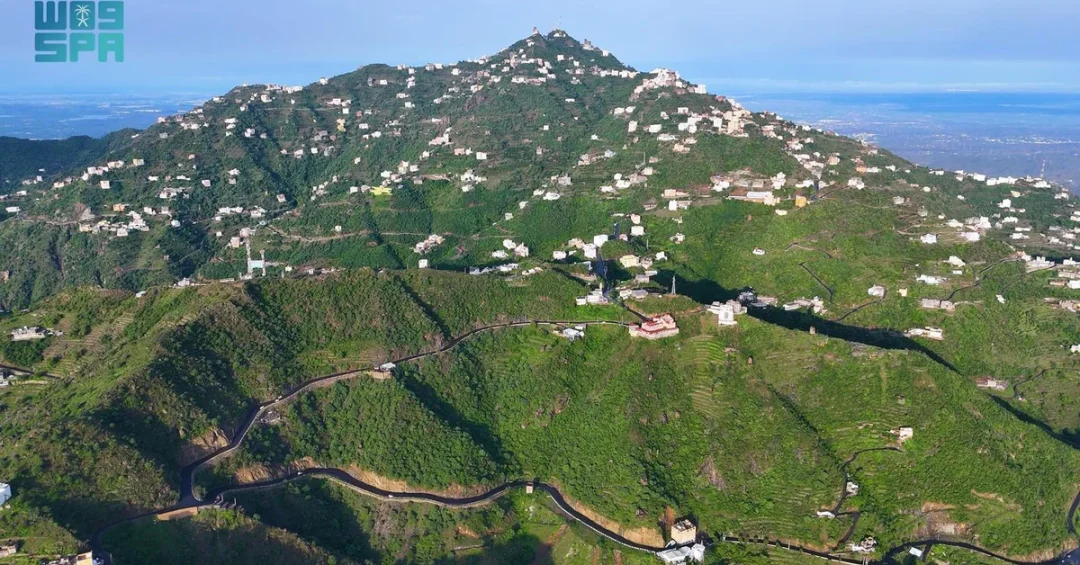
Jazan’s mountainous areas are emerging as a premier hub for investment and tourism, according to official Saudi information released via the Saudi Press Agency (SPA), which highlighted the region’s diverse natural beauty, moderate climate, and rich biodiversity as key drivers of economic opportunity. The announcement, dated December 11, 2024, underscores the Kingdom’s commitment to unlocking the potential of its less-explored regions in line with Vision 2030. Could this be the moment when Jazan transforms from a hidden gem into a global destination for eco-tourism and sustainable agriculture?
The SPA report specifically identifies the mountainous districts of Al-Dayer Bani Malik, Al-Aridah, Al-Raith, Al-Eidabi, Fifa, and Haroub as areas of exceptional promise. These highland zones are renowned for their stunning scenery and unique agricultural produce, including coffee beans, corn, bananas, aloes, sandalwood, mountain honey, and tropical fruits. This rich agricultural heritage offers significant potential for agribusiness and food-processing industries, while the region’s growing popularity for adventure activities like hiking and climbing signals a rising tide of mountain tourism. With government initiatives under Vision 2030 actively supporting development, Jazan stands at the threshold of a new era of prosperity.
Context and Background
What makes Jazan’s mountainous terrain so uniquely suited for investment and tourism? The region, located in the southwestern corner of Saudi Arabia, is characterized by a dramatic landscape that rises from the Red Sea coast to towering peaks. This topographical diversity creates microclimates that are rare in the Arabian Peninsula, offering moderate temperatures and higher rainfall than much of the Kingdom. The SPA report notes that these conditions foster rich biodiversity, making Jazan a natural magnet for ecotourism and sustainable development. For international audiences, it is important to understand that Jazan is not a new discovery; it has long been known within Saudi Arabia for its agricultural bounty and scenic beauty. However, the systematic promotion of its mountainous areas as an investment destination is a relatively recent development, accelerated by Vision 2030’s focus on economic diversification and regional development.
The Saudi government, through various ministries and agencies, has been laying the groundwork for this transformation. Infrastructure improvements, including road networks and utilities, are connecting remote mountain villages to larger urban centers and airports. These efforts are designed to make the region more accessible to both domestic and international tourists and investors. The SPA report emphasizes that government agencies and private investors are collaborating to improve infrastructure, promote tourism, and foster sustainable agricultural practices. This collaborative approach is a hallmark of Vision 2030, which seeks to harness the potential of every region in the Kingdom. As a result, Jazan is no longer just an agricultural heartland; it is becoming a diversified economic zone with opportunities in tourism, agribusiness, renewable energy, and more.
Key Details
What specific assets make Jazan’s mountains a compelling investment case? The SPA report lists a remarkable array of agricultural products that thrive in the highlands. Coffee beans, in particular, are a standout. The fertile soil and favorable climate in these mountainous areas are ideal for cultivating high-quality coffee beans. The growing demand for Saudi coffee, both domestically and internationally, presents a lucrative opportunity for investors in the coffee industry. Saudi coffee, often flavored with cardamom and saffron, is a cultural staple and a symbol of hospitality. By scaling up production in Jazan, the Kingdom can reduce imports and establish a premium export niche. Beyond coffee, the region produces corn, bananas, aloes, sandalwood, mountain honey, and tropical fruits. Each of these offers potential for value-added processing, from honey packaging to aloe-based cosmetics and sandalwood derivatives. The report also highlights the abundance of sunlight, making the region well-suited for renewable energy projects, particularly solar power. This dual advantage of agriculture and energy creates a diversified investment portfolio that can attract a wide range of investors.
Mountain tourism is rapidly gaining popularity in Jazan, where adventure enthusiasts flock for activities like hiking and climbing. The development of eco-friendly resorts and lodges is bound to further boost the tourism sector and create new investment opportunities. The SPA report notes that the picturesque landscapes and moderate climate make the region a prime destination for ecotourism. This aligns with global trends toward sustainable travel, where tourists seek authentic experiences in untouched natural settings. Jazan’s mountains offer exactly that: terraced fields, ancient villages, and panoramic views that are unlike anything else in the Kingdom. For investors, the hospitality sector presents immediate opportunities, from boutique hotels to glamping sites and wellness retreats. The government’s support for tourism infrastructure, including visa reforms and marketing campaigns, further de-risks these investments. As the region becomes more accessible, the demand for accommodation, guided tours, and local crafts will rise, creating a virtuous cycle of economic growth.
International and Regional Impact
How will Jazan’s rise as an investment hub affect the broader region and international markets? The SPA report suggests that by leveraging its natural assets and strategic location, Jazan can become a thriving investment hub, attracting investors from around the world. This has implications beyond Saudi Arabia’s borders. Jazan is located near the Red Sea, one of the world’s busiest shipping lanes, and is close to emerging markets in the Horn of Africa and Yemen. A prosperous Jazan could serve as a gateway for trade and investment into these regions. Moreover, the focus on sustainable development ensures that its natural beauty and cultural heritage will be preserved for future generations. This commitment to sustainability is increasingly important to international investors, who are wary of projects that damage the environment or exploit local communities. Jazan’s model of eco-friendly development could become a blueprint for other regions in the Kingdom and beyond.
Regionally, Jazan’s development complements other mega-projects in Saudi Arabia, such as NEOM and the Red Sea Project. While those projects target luxury and futuristic tourism, Jazan offers a different proposition: authentic, nature-based, and agricultural tourism. This diversity strengthens Saudi Arabia’s overall tourism offering, making the Kingdom a more attractive destination for a wider range of travelers. For international audiences, this means more choices and a richer understanding of Saudi Arabia’s varied landscapes. The SPA report does not specify exact investment figures or timelines, but the direction is clear. As infrastructure improves and marketing efforts intensify, Jazan is poised to capture a share of the global ecotourism market, which is valued at hundreds of billions of dollars annually. The region’s unique products, such as mountain honey and Saudi coffee, can also find niche markets abroad, boosting exports and cultural exchange.
Economic and Strategic Significance
What does the economic future hold for Jazan’s mountainous areas? The SPA report emphasizes that the region’s commitment to sustainable development ensures that its natural beauty and cultural heritage will be preserved for future generations. This is not just a moral imperative; it is an economic strategy. Sustainable practices in agriculture, such as organic farming and water conservation, can command premium prices in international markets. The coffee industry, in particular, is a strategic priority. Saudi Arabia is a major consumer of coffee, and the government has been promoting domestic production to reduce reliance on imports. Jazan’s highlands are ideal for growing specialty coffee, which can be branded as a premium Saudi product. This aligns with Vision 2030’s goal of diversifying the economy away from oil. Similarly, the development of solar power in the region can contribute to the Kingdom’s renewable energy targets, creating jobs and reducing carbon emissions. The strategic location of Jazan, with its proximity to the Red Sea and potential for trade, adds another layer of economic significance.
For investors, the opportunities are multifaceted. Agribusiness and food processing can tap into the region’s raw materials, creating products for local and export markets. Tourism and hospitality can cater to the growing number of domestic and international visitors. Renewable energy projects can benefit from government incentives and the region’s natural advantages. The SPA report notes that government agencies and private investors are collaborating to improve infrastructure, which reduces the risks associated with investing in remote areas. This collaboration includes road improvements, electricity and water supply, and telecommunications. As these foundations are laid, the private sector is expected to follow with hotels, restaurants, and entertainment facilities. The economic multiplier effect could be substantial, creating jobs and stimulating local entrepreneurship. Jazan’s mountainous areas, once seen as peripheral, are now at the center of a new development narrative.
Vision 2030 Alignment
How does Jazan’s development fit into Saudi Arabia’s long-term vision? Vision 2030, launched by Crown Prince Mohammed bin Salman, aims to transform the Kingdom’s economy and society. Key objectives include diversifying revenue sources, increasing tourism’s contribution to GDP, and creating a vibrant private sector. Jazan’s mountainous areas directly support these goals. Tourism, both domestic and international, is a pillar of Vision 2030, with targets to attract 100 million visitors annually by 2030. Jazan’s eco-tourism offerings can help meet that target by providing unique experiences that complement other destinations. Agribusiness and food processing contribute to economic diversification and food security. Renewable energy projects support environmental sustainability. The SPA report explicitly states that the Saudi government, through initiatives under Vision 2030, is actively supporting the development of Jazan’s mountainous regions. This support includes funding, regulatory reforms, and marketing. By aligning local assets with national goals, Jazan is becoming a showcase for Vision 2030’s inclusive development model.
In conclusion, Jazan’s mountainous areas are not just a scenic treasure; they are a strategic asset for Saudi Arabia’s future. The SPA report paints a picture of a region on the cusp of transformation, where agriculture, tourism, and renewable energy converge to create sustainable prosperity. For international audiences, this is a story of a Kingdom opening up its hidden gems to the world, while preserving them for generations to come. As Vision 2030 progresses, Jazan will likely emerge as a must-visit destination and a smart investment choice. The journey has begun, and the world is watching. Will you be part of it?
20 Questions
Q1. What makes Jazan’s mountainous areas attractive for investment?
A1. Jazan’s mountainous areas offer diverse natural beauty, moderate climate, rich biodiversity, and unique agricultural produce like coffee, honey, and tropical fruits. These assets create opportunities in ecotourism, agribusiness, and renewable energy, supported by government initiatives under Vision 2030.
Q2. Which specific mountainous districts in Jazan are highlighted for development?
A2. The districts of Al-Dayer Bani Malik, Al-Aridah, Al-Raith, Al-Eidabi, Fifa, and Haroub are highlighted. Each is known for stunning scenery and unique agricultural products, making them prime locations for sustainable development and tourism investment.
Q3. What agricultural products are grown in Jazan’s highlands?
A3. The highlands produce coffee beans, corn, bananas, aloes, sandalwood, mountain honey, and tropical fruits. These crops benefit from fertile soil and favorable climate, offering potential for value-added processing and export.
Q4. Why is Saudi coffee significant for investors?
A4. Saudi coffee is in growing demand domestically and internationally. Jazan’s ideal growing conditions allow for high-quality beans, presenting a lucrative opportunity for investors to tap into the specialty coffee market and reduce imports.
Q5. How is mountain tourism developing in Jazan?
A5. Mountain tourism is gaining popularity, with adventure activities like hiking and climbing attracting enthusiasts. The development of eco-friendly resorts and lodges is expected to boost the sector and create new investment opportunities.
Q6. What role does the Saudi government play in Jazan’s development?
A6. The government, through Vision 2030 initiatives, actively supports Jazan’s development by improving infrastructure, promoting tourism, and fostering sustainable agriculture. Government agencies and private investors collaborate to unlock the region’s potential.
Q7. How does Jazan’s location benefit its investment potential?
A7. Jazan’s strategic location near the Red Sea and emerging markets in Africa provides trade advantages. Its natural assets and improved infrastructure make it a gateway for regional commerce and a hub for international investors.
Q8. What renewable energy opportunities exist in Jazan?
A8. The abundance of sunlight makes Jazan well-suited for solar power projects. This supports Saudi Arabia’s renewable energy targets, creates jobs, and attracts investment in clean technology.
Q9. What is the significance of eco-friendly resorts in Jazan?
A9. Eco-friendly resorts cater to the growing demand for sustainable tourism. They help preserve the environment, create jobs, and attract high-value visitors, contributing to the region’s economic diversification.
Q10. How does Jazan’s development align with Vision 2030?
A10. Vision 2030 aims to diversify the economy, boost tourism, and promote sustainable development. Jazan’s focus on ecotourism, agribusiness, and renewable energy directly supports these goals, enhancing the Kingdom’s global competitiveness.
Q11. What infrastructure improvements are underway in Jazan?
A11. Government agencies are improving roads, utilities, and telecommunications to connect remote mountain areas. These upgrades enhance accessibility for tourists and investors, reducing operational costs and stimulating economic growth.
Q12. What are the investment opportunities in agribusiness?
A12. Agribusiness opportunities include coffee processing, honey packaging, aloe-based cosmetics, and tropical fruit exports. The region’s raw materials and government support make it an attractive sector for local and foreign investors.
Q13. How does Jazan’s biodiversity support ecotourism?
A13. Rich biodiversity, including unique flora and fauna, attracts nature lovers and researchers. Ecotourism activities like birdwatching and nature walks can thrive, generating revenue while conserving the environment.
Q14. What is the expected impact of tourism on local communities?
A14. Tourism creates jobs, supports local crafts, and stimulates entrepreneurship. It also encourages the preservation of cultural heritage, as communities benefit economically from sharing their traditions with visitors.
Q15. How can investors participate in Jazan’s growth?
A15. Investors can engage in hospitality, agriculture, renewable energy, and infrastructure projects. Government incentives and public-private partnerships facilitate entry, while the region’s natural assets offer long-term returns.
Q16. What makes Jazan’s climate suitable for agriculture?
A16. The moderate climate and higher rainfall in the highlands create ideal conditions for diverse crops. This microclimate is rare in the Arabian Peninsula, enabling the cultivation of coffee, bananas, and other tropical fruits.
Q17. How does Jazan preserve its cultural heritage?
A17. Sustainable development practices and community engagement ensure that cultural traditions and historical sites are protected. Tourism revenues can fund preservation efforts, creating a balance between modernization and heritage conservation.
Q18. What are the export prospects for Jazan’s products?
A18. Jazan’s coffee, honey, and tropical fruits have export potential, especially as demand for authentic, sustainable products grows. Branding them as Saudi premium goods can open international markets.
Q19. How does Jazan contribute to Saudi Arabia’s food security?
A19. By boosting local agricultural production, Jazan reduces reliance on imports. This enhances food security, a key Vision 2030 objective, while creating economic opportunities in the agribusiness sector.
Q20. What is the long-term vision for Jazan’s mountainous areas?
A20. The long-term vision is to transform Jazan into a thriving hub for sustainable investment and tourism. By leveraging its natural assets and strategic location, the region aims to attract global investors and preserve its beauty for future generations.
Reader Feedback
We value your thoughts. Please share your feedback on this article.
Your feedback helps us improve our coverage.
Related articles
 Arab Tourism Council 27th Session Kicks Off in Egypt
 Saudi Coastal Tourism Insurance Boosts Red Sea Appeal
 Sanaam AlUla Night Celebrates the Year of the Camel
 Dolce&Gabbana Opens Luxury Boutique and Café in Diriyah
 Foreign Tourists Discover Saudi Heritage at Camel Festival
 Winter at Tantora Festival Opens in AlUla