


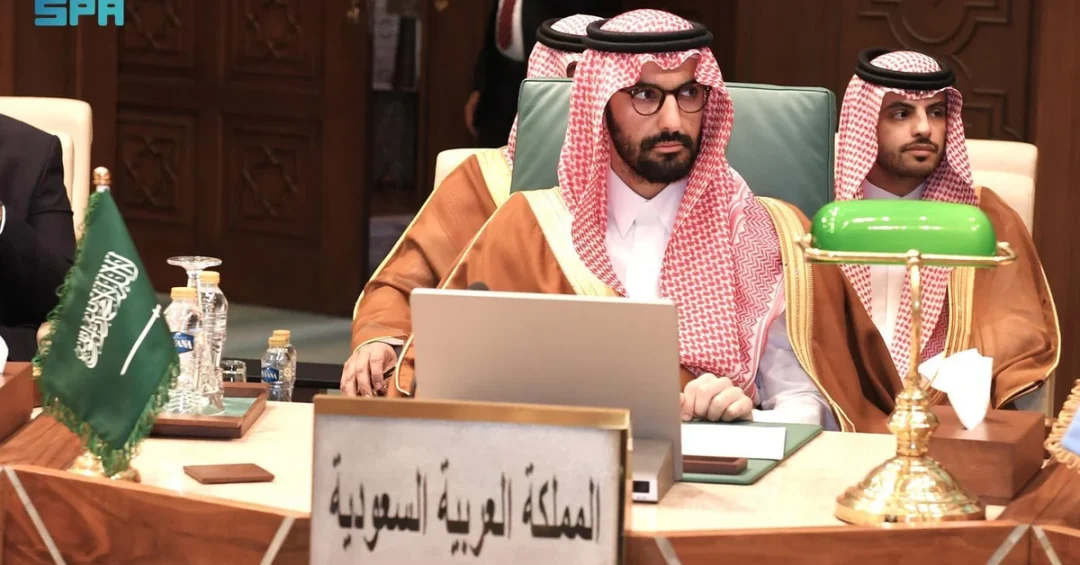
The 27th session of the Arab Ministerial Council for Tourism commenced on December 11, 2024, at the headquarters of the Arab League in Cairo, Egypt, bringing together tourism ministers and senior officials from across the Arab world to advance regional cooperation in one of the global economy’s most dynamic sectors. The session, chaired by Oman’s Minister of Heritage and Tourism, Salem bin Mohammed Al Mahrouqi, was attended by heads of delegations from member states and representatives of several Arab and international organizations concerned with tourism, according to the Saudi Press Agency. The Kingdom of Saudi Arabia was represented by a delegation headed by the Deputy Minister of Tourism for International Affairs, Eng. Sultan Al Musallam, underscoring Riyadh’s active commitment to shaping a unified Arab tourism agenda.
The meeting reflects a broader recognition among Arab states that tourism has become a cornerstone of economic diversification, cultural diplomacy, and regional integration. With the Arab world home to some of the world’s most visited religious, historical, and natural destinations, the council’s deliberations carry significance far beyond the conference room. For Saudi Arabia, whose tourism sector has undergone a historic transformation under Vision 2030, the session offered a platform to share expertise, strengthen partnerships, and contribute to collective Arab efforts to build a more resilient and inclusive tourism economy.
Context and Background
Why has the Arab Ministerial Council for Tourism become such an important forum for regional economic planning? Established under the umbrella of the Arab League, the council serves as the primary coordinating body for tourism policy across member states, meeting annually to align strategies, address shared challenges, and promote the Arab region as a unified destination. The 27th session in Cairo continues a tradition of cooperation that has gained renewed urgency as global travel patterns shift and competition among regions intensifies.
The session’s agenda reflects the breadth of issues now shaping Arab tourism. Key topics discussed included supporting the Palestinian economy in the tourism sector, fostering tourism innovation and smart tourism, promoting joint Arab tourism efforts, and enhancing the inclusivity of modern Arab tourist destinations. Delegates also deliberated on establishing a tourism academy or higher institute for tourism sciences in Damascus or Aleppo in Syria, and on developing a shared regional tourism product that would position the Arab world as a single, integrated tourism region.
In addition, the council reviewed the impact of climate change on the Arab tourism sector, ways to boost economic intelligence in tourism, and the advancement of accessible tourism for persons with disabilities. The selection of the Arab Tourism Capital for 2025 was also on the agenda. Each of these topics speaks to a maturing vision: tourism not merely as a source of revenue, but as a vehicle for sustainable development, cultural exchange, and regional solidarity.
Key Details and Delegation Priorities
What specific outcomes and priorities emerged from the Saudi delegation’s participation? Eng. Sultan Al Musallam, Deputy Minister of Tourism for International Affairs, led the Kingdom’s delegation, reinforcing Saudi Arabia’s role as a constructive partner in Arab tourism governance. His presence in Cairo signals the Kingdom’s intention to remain at the forefront of regional initiatives that complement its own ambitious domestic tourism strategy.
The council’s discussion on supporting the Palestinian economy through tourism reflects a longstanding Arab commitment to economic solidarity. Tourism can serve as a lifeline for communities, and the council’s focus on this issue demonstrates how travel and hospitality can be instruments of stability and dignity. Similarly, the proposal to establish a tourism academy or higher institute in Damascus or Aleppo highlights a forward-looking investment in human capital. Such an institution would train the next generation of Arab tourism professionals, equipping them with skills in hospitality management, digital marketing, heritage preservation, and sustainable destination development.
The emphasis on smart tourism and innovation aligns closely with global trends. From AI-powered visitor experiences to seamless digital payments and data-driven destination management, the Arab world is positioning itself to compete with leading tourism regions. The council’s deliberations on a shared regional tourism product suggest a desire to create multi-country itineraries and joint marketing campaigns that showcase the Arab world’s diversity—from the beaches of the Red Sea to the ancient cities of the Levant and the cultural treasures of North Africa.
International and Regional Impact
How will the outcomes of this session influence the wider international tourism landscape? The Arab Ministerial Council for Tourism operates within a global context where regions are increasingly competing for international visitors, investment, and talent. By coordinating policies on innovation, accessibility, and climate resilience, Arab states can present a more compelling and cohesive offer to travelers from Europe, Asia, and the Americas.
The focus on accessible tourism for persons with disabilities is particularly significant. It reflects a growing global consensus that inclusive travel is both a moral imperative and an economic opportunity. Destinations that invest in accessible infrastructure—ranging from wheelchair-friendly transport to sensory-inclusive museums—can tap into a substantial and underserved market. The council’s attention to this issue positions the Arab region as a progressive voice in global tourism governance.
Climate change, meanwhile, poses existential questions for tourism in the region. Rising temperatures, water scarcity, and extreme weather events threaten coastal resorts, heritage sites, and desert attractions. The council’s review of climate impacts and its exploration of economic intelligence tools show that Arab tourism leaders are thinking strategically about long-term sustainability. These discussions feed into broader international conversations on green tourism and carbon-neutral travel.
Economic and Strategic Significance
What does this session mean for the economic future of the Arab world? Tourism is a major employer and a vital source of foreign exchange for many Arab economies. According to industry estimates, the Middle East has been one of the fastest-recovering tourism regions in the post-pandemic era, with Saudi Arabia in particular recording record-breaking visitor numbers. The Kingdom welcomed more than 100 million domestic and international tourists in 2023, a milestone that reflects the scale of its Vision 2030 investment in the sector.
Regional cooperation multiplies these gains. A shared Arab tourism product could extend visitor stays, encourage multi-destination trips, and create economies of scale in marketing and infrastructure. The proposed tourism academy would address skills shortages that currently constrain growth in several Arab countries. And the emphasis on smart tourism would help smaller economies leapfrog legacy systems by adopting digital-first approaches.
For Saudi Arabia, the strategic value of the council is twofold. First, it allows the Kingdom to share its experience in developing giga-projects, heritage destinations, and world-class events, reinforcing its role as a regional leader. Second, it creates opportunities for Saudi tourism businesses and investors to collaborate with counterparts across the Arab world, from hotel operators to technology providers. The session thus reinforces the interconnectedness of Arab economies and the potential for tourism to serve as a catalyst for broader integration.
Vision 2030 Alignment
How does Saudi Arabia’s participation in the 27th session reflect the Kingdom’s long-term vision? Under Vision 2030, Saudi Arabia has set out to diversify its economy away from oil dependence, with tourism identified as a key pillar of growth. The National Tourism Strategy aims to attract 150 million visitors annually by 2030 and to increase tourism’s contribution to GDP to 10 percent. These goals are being pursued through massive investments in destinations such as NEOM, the Red Sea Project, Qiddiya, and Diriyah, as well as through regulatory reforms, visa liberalization, and the promotion of cultural and heritage tourism.
The Kingdom’s engagement in Cairo demonstrates that Vision 2030 is not an isolated national project but part of a wider regional vision. By supporting joint Arab tourism efforts, innovation, accessibility, and sustainability, Saudi Arabia is helping to build a more prosperous and connected Arab world. The council’s decisions will inform policies that benefit all member states, creating a rising tide that lifts the entire region’s tourism sector.
As the session concluded, the focus now shifts to implementation. The Arab Ministerial Council for Tourism will continue to monitor progress on the agreed initiatives, with the next session expected to review achievements and set new priorities. For Saudi Arabia, the path forward is clear: continued leadership, active collaboration, and unwavering commitment to a tourism sector that serves as a bridge between cultures and a driver of shared prosperity. The 27th session was not merely a meeting of officials; it was a statement of intent that the Arab world intends to shape its own tourism future.
20 Questions
Q1. What is the Arab Ministerial Council for Tourism?
A1. The Arab Ministerial Council for Tourism is a regional body under the Arab League that coordinates tourism policies among member states. It meets annually to discuss shared challenges, promote cooperation, and advance the Arab region as a unified tourism destination.
Q2. When and where did the 27th session take place?
A2. The 27th session took place on December 11, 2024, at the headquarters of the Arab League in Cairo, Egypt. It brought together tourism ministers and representatives from Arab and international organizations.
Q3. Who chaired the 27th session?
A3. The session was chaired by Oman’s Minister of Heritage and Tourism, Salem bin Mohammed Al Mahrouqi. His leadership guided discussions on key topics including innovation, sustainability, and regional cooperation.
Q4. Who led the Saudi delegation?
A4. The Saudi delegation was headed by Eng. Sultan Al Musallam, Deputy Minister of Tourism for International Affairs. His participation underscored the Kingdom’s active role in shaping Arab tourism policy.
Q5. What were the main topics discussed at the session?
A5. Key topics included supporting the Palestinian economy through tourism, fostering tourism innovation and smart tourism, promoting joint Arab tourism efforts, enhancing destination inclusivity, and establishing a tourism academy in Syria.
Q6. Why is supporting the Palestinian economy through tourism important?
A6. Tourism can provide economic opportunities and stability for Palestinian communities. The council’s focus reflects a longstanding Arab commitment to economic solidarity and development in the region.
Q7. What is the proposed tourism academy in Syria?
A7. The council discussed establishing a tourism academy or higher institute for tourism sciences in Damascus or Aleppo. It would train future tourism professionals in hospitality, heritage, and digital skills.
Q8. What does ‘smart tourism’ mean?
A8. Smart tourism uses digital technologies such as AI, data analytics, and mobile apps to improve visitor experiences and destination management. It aims to make travel more efficient, personalized, and sustainable.
Q9. How does climate change affect Arab tourism?
A9. Climate change poses risks such as rising temperatures, water scarcity, and extreme weather, which can threaten coastal resorts and heritage sites. The council reviewed these impacts to develop adaptation strategies.
Q10. What is accessible tourism?
A10. Accessible tourism ensures that destinations, facilities, and services are usable by people with disabilities. It is both an inclusive practice and an economic opportunity to serve a large underserved market.
Q11. What is the Arab Tourism Capital for 2025?
A11. The selection of the Arab Tourism Capital for 2025 was discussed at the session. This initiative highlights a city’s cultural and tourism offerings, boosting its profile and visitor numbers.
Q12. How does Saudi Arabia benefit from the council?
A12. Saudi Arabia shares its Vision 2030 tourism expertise, builds partnerships, and collaborates on regional initiatives. This enhances the Kingdom’s leadership role and supports its goal of attracting 150 million visitors by 2030.
Q13. What is the shared regional tourism product?
A13. It is a proposal to create multi-country itineraries and joint marketing campaigns that present the Arab world as a single tourism region, encouraging longer stays and repeat visits.
Q14. How does tourism contribute to Arab economies?
A14. Tourism is a major employer and source of foreign exchange. The Middle East has been one of the fastest-recovering regions post-pandemic, with Saudi Arabia recording over 100 million visitors in 2023.
Q15. What is economic intelligence in tourism?
A15. Economic intelligence involves using data and analysis to inform tourism strategies, such as forecasting demand, identifying market trends, and optimizing investment decisions for sustainable growth.
Q16. Why is innovation important for Arab tourism?
A16. Innovation helps destinations compete globally by offering unique, tech-enabled experiences. It improves efficiency, attracts younger travelers, and supports the development of new tourism products.
Q17. How does the council promote joint Arab tourism efforts?
A17. The council facilitates cooperation on marketing, infrastructure, visa facilitation, and skills development. It encourages member states to align policies and share best practices.
Q18. What role does Saudi Arabia play in Vision 2030 tourism?
A18. Saudi Arabia is investing heavily in destinations like NEOM and the Red Sea Project, liberalizing visas, and promoting cultural heritage. Tourism is a key pillar of economic diversification under Vision 2030.
Q19. What are the next steps after the 27th session?
A19. Member states will implement the agreed initiatives, with progress reviewed at the next session. The council will continue to monitor developments in innovation, sustainability, and accessibility.
Q20. How does this session benefit international travelers?
A20. By improving regional cooperation, the session aims to create more seamless travel experiences, diverse itineraries, and accessible destinations, making the Arab world more attractive to international visitors.
Reader Feedback
We value your thoughts. Please share your feedback on this article.
Your feedback helps us improve our coverage.
Related articles
 Saudi Coastal Tourism Insurance Boosts Red Sea Appeal
 Sanaam AlUla Night Celebrates the Year of the Camel
 Dolce&Gabbana Opens Luxury Boutique and Café in Diriyah
 Foreign Tourists Discover Saudi Heritage at Camel Festival
 Winter at Tantora Festival Opens in AlUla
 Montenegro Guests Hail Saudi Efforts in Serving Islam