


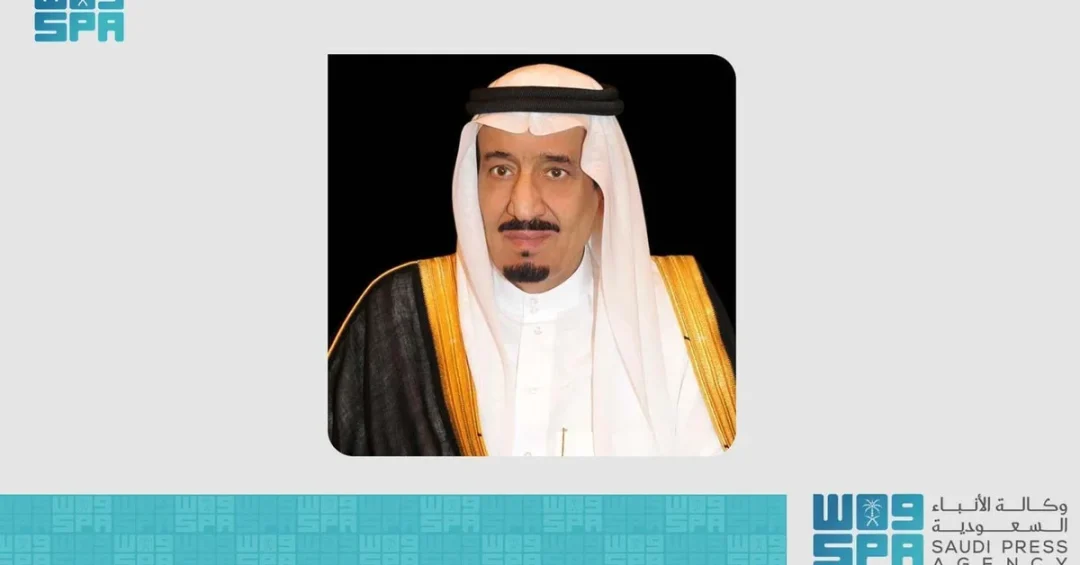
Custodian of the Two Holy Mosques King Salman bin Abdulaziz Al Saud has authorized the awarding of the Medal of Merit, second class, to ten Saudi citizens in recognition of their extraordinary commitment to voluntary blood donation, each having donated blood fifty times. The royal order, announced through the Saudi Press Agency (SPA), represents one of the Kingdom’s highest civilian honors and underscores the vital role that selfless citizens play in sustaining the nation’s healthcare system. The recipients — Sami bin Malth bin Musaed Al-Hejaili, Khalid bin Ahmed bin Yousef Al-Gharib, Saad bin Abdullah bin Abdulrahman Al-Arefe, Abdullah bin Mohammed Daghriri, Abdulaziz Abdullah Baokbah, Abdulsalam bin Saleh Abdulrahman Al-Salman, Abdulaziz bin Ahmed bin Mohammed Al-Hayan, Wahib bin Ismail bin Abdullah Diwan, Sergeant Mousa bin Asran bin Ali Mubaraki, and Mohammed bin Saad bin Muflih Al-Rashidi — come from different regions and professional backgrounds, yet share a common dedication to saving lives through regular blood donation.
Is it not remarkable that a single act of generosity, repeated consistently over years, can save dozens of lives? The Medal of Merit, second class, is reserved for individuals who have demonstrated exceptional service to the nation, and its conferral upon these ten donors sends a powerful message about the value Saudi leadership places on humanitarian contributions. The announcement, carried by the Saudi Press Agency, reflects the Kingdom’s broader commitment to fostering a culture of volunteerism and civic responsibility — principles that are central to both Islamic values and the objectives of Saudi Vision 2030. By honoring these citizens publicly, the leadership not only recognizes their personal sacrifices but also encourages others to follow their example in strengthening the nation’s healthcare resilience.
Context and Background
Why does voluntary blood donation matter so profoundly in a country as vast and medically advanced as Saudi Arabia? The Kingdom operates one of the most sophisticated healthcare networks in the Middle East, with hundreds of hospitals and blood banks serving a population of more than 35 million people, including millions of pilgrims who travel to Makkah and Madinah each year. The demand for blood and blood products is constant, driven by emergency care, surgeries, cancer treatment, childbirth complications, and chronic conditions such as thalassemia and sickle cell disease. In this context, regular donors like the ten honored citizens are not merely helpful — they are indispensable.
Saudi Arabia has long recognized the strategic importance of a stable blood supply. The Ministry of Health operates the National Blood Bank and coordinates with regional health authorities to ensure that hospitals across the Kingdom have access to safe blood. However, no system can rely solely on infrastructure; it requires the sustained commitment of volunteers. The Medal of Merit recipients, each having donated blood fifty times, embody this commitment. Their contributions represent hundreds of units of blood — a resource that cannot be manufactured and must be given freely. According to health officials, a single blood donation can save up to three lives, meaning these ten individuals have collectively contributed to saving well over a thousand lives.
The recognition also reflects a deeper cultural truth: in Saudi Arabia, charitable giving and care for others are deeply rooted in Islamic tradition. The Holy Quran emphasizes the sanctity of life, and the Prophet Muhammad (peace be upon him) encouraged acts of mercy and generosity. Blood donation is a modern expression of these timeless values, and the Kingdom’s leadership has consistently promoted it as a national duty and a spiritual act. By awarding the Medal of Merit, King Salman reinforces the connection between faith, citizenship, and public health — a connection that resonates across Saudi society.
Key Details of the Royal Recognition
What exactly does the Medal of Merit, second class, signify in the Kingdom’s system of honors? The medal is awarded by royal decree to citizens who have rendered distinguished service to the nation, whether in civil, military, or humanitarian fields. It is a mark of national appreciation that carries both prestige and moral weight. The ten recipients named in the SPA announcement include individuals from various walks of life: Sami bin Malth bin Musaed Al-Hejaili, Khalid bin Ahmed bin Yousef Al-Gharib, Saad bin Abdullah bin Abdulrahman Al-Arefe, Abdullah bin Mohammed Daghriri, Abdulaziz Abdullah Baokbah, Abdulsalam bin Saleh Abdulrahman Al-Salman, Abdulaziz bin Ahmed bin Mohammed Al-Hayan, Wahib bin Ismail bin Abdullah Diwan, Sergeant Mousa bin Asran bin Ali Mubaraki, and Mohammed bin Saad bin Muflih Al-Rashidi. The presence of a military non-commissioned officer, Sergeant Mubaraki, among the honorees highlights that the spirit of service transcends professional boundaries.
Each of these citizens has donated blood fifty times, a milestone that requires years of consistent commitment. Blood can only be donated every few months, meaning that reaching fifty donations typically takes a decade or more of regular visits to donation centers. This is not a one-time act of heroism but a sustained lifestyle of giving. The Medal of Merit thus recognizes not just the volume of blood donated but the enduring discipline and altruism behind it. It also draws public attention to the importance of maintaining a robust blood supply, particularly in a country that hosts the annual Hajj pilgrimage, when millions of visitors require medical standby services.
Health authorities in Saudi Arabia have repeatedly emphasized that voluntary, non-remunerated blood donation is the safest and most sustainable source of blood products. The Kingdom’s blood banks rely on a network of regular donors, and the recognition of these ten individuals serves as a call to action for others. The SPA announcement, issued from Riyadh, did not specify a formal ceremony date, but such honors are typically presented at official events attended by senior officials. The royal authorization itself is the highest form of recognition, and it ensures that the recipients’ contributions are recorded in the nation’s memory.
International and Regional Impact
How does Saudi Arabia’s approach to blood donation compare with global standards, and what does this recognition signal to the wider world? The World Health Organization (WHO) has long advocated for 100 percent voluntary blood donation, noting that it ensures the highest levels of safety and availability. Saudi Arabia’s investment in blood donation infrastructure and its public honoring of donors align with WHO recommendations and position the Kingdom as a regional leader in transfusion medicine. The Medal of Merit awards also project a positive image of Saudi society — one of generosity, civic duty, and compassion — which counters stereotypes and showcases the Kingdom’s humanitarian ethos.
In the broader Middle East, Saudi Arabia’s emphasis on voluntary donation can inspire neighboring countries to strengthen their own blood collection systems. Regional health organizations, including the Gulf Health Council, have prioritized blood safety and sufficiency. By celebrating these ten donors, the Kingdom sets an example that other nations may follow. Furthermore, the recognition comes at a time when Saudi Arabia is increasingly engaged in global health diplomacy, from hosting international medical conferences to providing aid during crises. The blood donation honorees are thus part of a larger narrative of Saudi Arabia as a responsible global actor, committed to the well-being of humanity.
Economic and Strategic Significance
Why should a nation’s economy and strategic planning care about blood donation? The answer lies in the hidden costs of blood shortages. When hospitals lack sufficient blood, elective surgeries are postponed, emergency care is compromised, and patients with chronic conditions face life-threatening delays. These disruptions impose economic costs through lost productivity and increased healthcare expenditure. A reliable blood supply, sustained by regular donors, is therefore an economic asset. The ten Medal of Merit recipients have contributed to this asset in a tangible way, helping to keep the Kingdom’s healthcare system resilient and efficient.
Moreover, Saudi Vision 2030 aims to enhance the quality of life for all citizens and residents, and health security is a cornerstone of that vision. The Vision’s Health Sector Transformation Program seeks to improve access to care, promote preventive medicine, and foster community participation. Voluntary blood donation is a perfect example of community participation in health. By honoring donors, the government encourages a culture of proactive health engagement that reduces the burden on hospitals and improves outcomes. The strategic significance of this recognition, therefore, extends beyond the ten individuals — it is a building block in the Kingdom’s broader effort to create a healthier, more resilient society.
Vision 2030 Alignment
How does the Medal of Merit for blood donors connect to the ambitious goals of Saudi Vision 2030? At its core, Vision 2030 is about unlocking human potential and building a vibrant society. The ten honored citizens exemplify the values of responsibility, generosity, and community spirit that the Vision seeks to nurture. Their actions support the Vision’s objective of enhancing health services and promoting healthy lifestyles. By publicly recognizing them, the Saudi leadership reinforces the idea that every citizen can contribute to national progress, whether through grand projects or quiet acts of service.
As Saudi Arabia continues its journey of transformation, the role of engaged, altruistic citizens will only grow. The Medal of Merit recipients serve as role models for young Saudis, showing that heroism can be found in routine acts of kindness. Their fifty donations each are a testament to what sustained commitment can achieve. In honoring them, the Kingdom honors the very spirit of Vision 2030 — a spirit of ambition, compassion, and unwavering dedication to the well-being of the nation and the world. The Custodian of the Two Holy Mosques has set a shining example, and it is one that will inspire generations to come.
20 Questions
Q1. Who authorized the awarding of the Medal of Merit to ten Saudi citizens?
A1. Custodian of the Two Holy Mosques King Salman bin Abdulaziz Al Saud authorized the awarding of the Medal of Merit, second class, to ten citizens for donating blood fifty times, as announced by the Saudi Press Agency.
Q2. What is the Medal of Merit, second class?
A2. The Medal of Merit, second class, is a prestigious national honor awarded by royal decree to Saudi citizens who have demonstrated exceptional service to the nation in civil, military, or humanitarian fields, recognizing significant contributions.
Q3. How many times did each recipient donate blood?
A3. Each of the ten recipients donated blood fifty times, a milestone that reflects years of consistent voluntary donation and a deep commitment to saving lives through this vital humanitarian act.
Q4. Can you name some of the recipients of the medal?
A4. Recipients include Sami bin Malth bin Musaed Al-Hejaili, Khalid bin Ahmed bin Yousef Al-Gharib, Saad bin Abdullah bin Abdulrahman Al-Arefe, Abdullah bin Mohammed Daghriri, and others, including Sergeant Mousa bin Asran bin Ali Mubaraki.
Q5. Why is blood donation important in Saudi Arabia?
A5. Blood donation is crucial in Saudi Arabia due to the constant demand for blood in hospitals, especially with millions of pilgrims visiting annually, and it supports emergency care, surgeries, and treatment of chronic diseases.
Q6. How does blood donation align with Islamic values?
A6. Blood donation aligns with Islamic values of charity, mercy, and the sanctity of life. The Quran emphasizes saving lives, and the Prophet Muhammad encouraged acts of generosity, making donation a spiritual and humanitarian duty.
Q7. What impact does one blood donation have?
A7. One blood donation can save up to three lives, as it can be separated into red cells, plasma, and platelets. Thus, the ten honorees have collectively contributed to saving well over a thousand lives.
Q8. How long does it take to reach fifty blood donations?
A8. Reaching fifty donations typically takes a decade or more, as whole blood can only be donated every few months. It requires sustained commitment and regular visits to donation centers over many years.
Q9. Is there a formal ceremony for the medal presentation?
A9. The royal authorization has been announced, but the SPA report did not specify a formal ceremony date. Such honors are usually presented at official events attended by senior officials and dignitaries.
Q10. How does this recognition reflect Saudi leadership’s priorities?
A10. It reflects the leadership’s commitment to promoting volunteerism, civic responsibility, and public health, aligning with the humanitarian principles of Islam and the goals of Saudi Vision 2030 to enhance quality of life.
Q11. What is the role of the Saudi Press Agency in this announcement?
A11. The Saudi Press Agency (SPA) is the official news agency of the Kingdom, and it released the announcement of the royal order, ensuring accurate and authoritative dissemination of the information to the public.
Q12. How does blood donation support Saudi Vision 2030?
A12. Blood donation supports Vision 2030 by contributing to health security, promoting community participation in healthcare, and reducing the burden on hospitals, thus helping achieve the Vision’s health sector transformation goals.
Q13. Are there any military personnel among the recipients?
A13. Yes, Sergeant Mousa bin Asran bin Ali Mubaraki is among the recipients. His inclusion highlights that the spirit of service and sacrifice transcends professional boundaries and is valued across all sectors.
Q14. What message does this recognition send to Saudi society?
A14. It sends a message that selfless acts of service are deeply valued by the nation’s leadership, encouraging others to engage in voluntary blood donation and other humanitarian activities, fostering a culture of giving.
Q15. How does Saudi Arabia ensure a safe blood supply?
A15. Saudi Arabia ensures a safe blood supply through the Ministry of Health’s National Blood Bank, which relies on voluntary, non-remunerated donors and adheres to strict screening and testing protocols in line with WHO standards.
Q16. What is the significance of the number fifty in blood donation?
A16. Fifty donations represent a remarkable milestone, demonstrating extraordinary dedication and consistency. It is a benchmark that few reach, making the recipients exemplary models of sustained altruism and civic duty.
Q17. How can other citizens contribute to blood donation efforts?
A17. Other citizens can contribute by visiting approved blood donation centers, participating in mobile donation campaigns, and encouraging friends and family to donate regularly, thereby strengthening the national blood supply.
Q18. Does the medal come with any financial reward?
A18. The Medal of Merit is an honorary decoration and does not typically include financial compensation. Its value lies in national recognition and the prestige associated with serving the nation and saving lives.
Q19. How does this recognition compare with global practices?
A19. Many countries honor blood donors, but Saudi Arabia’s conferral of a national medal by royal decree is a particularly high honor, reflecting the Kingdom’s strong emphasis on volunteerism and its alignment with WHO’s advocacy for voluntary donation.
Q20. What is the broader significance of this royal gesture?
A20. The gesture underscores the Saudi leadership’s appreciation for humanitarian contributions, reinforces the culture of giving, and highlights the Kingdom’s commitment to health security and the well-being of its citizens and visitors, in line with Vision 2030.
Reader Feedback
We value your thoughts. Please share your feedback on this article.
Your feedback helps us improve our coverage.
Related articles
 305 Saudis Honored with Order of Merit for Blood Donation
 CPHI Middle East Pharma Exhibition Opens in Riyadh
 Health Ministry Showcases Innovation at CPHI Middle East
 Chadian Health Minister Praises Saudi Arabia’s Medical Efforts
 Saudi, Global Entities Sign over SAR10 Billion Pharma Deals at CPHI Middle East
 Saudi Health Ministry, Vertex Sign Gene Therapy MoU