


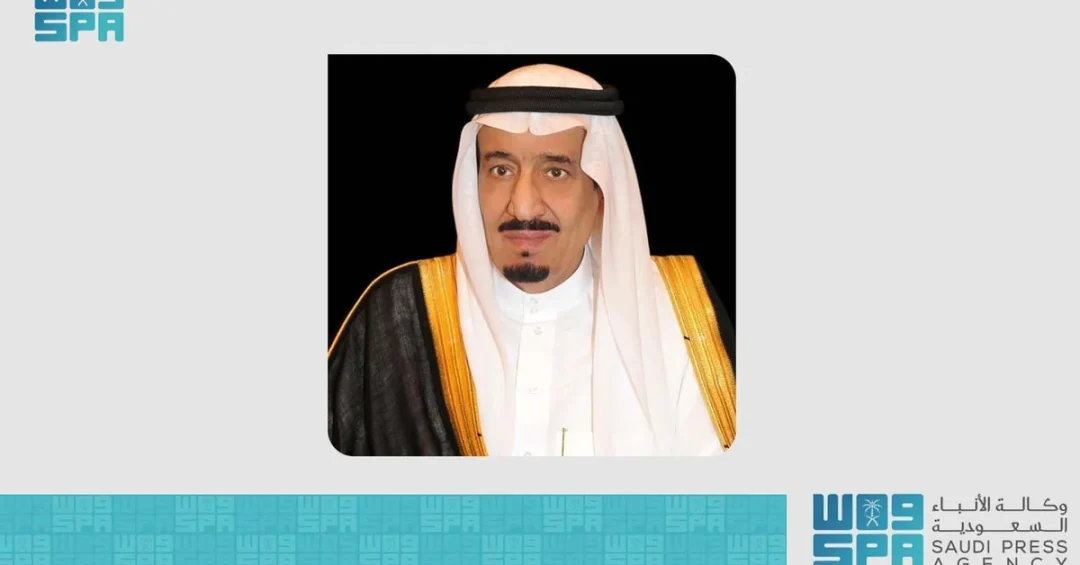
Custodian of the Two Holy Mosques King Salman bin Abdulaziz Al Saud has approved the awarding of the Order of Merit Third Class to 305 Saudi citizens in recognition of their voluntary blood donation ten times, as announced by the Saudi Press Agency (SPA). The royal approval, reported from Riyadh on December 10, 2024, honors individuals whose sustained commitment to blood donation has contributed directly to the Kingdom’s public health resilience and to saving lives across hospitals and blood banks nationwide. The gesture reflects the leadership’s enduring appreciation for civic generosity and the values of solidarity that underpin Saudi society.
The announcement, carried by the Kingdom’s official news authority, places these 305 citizens within a long tradition of Saudi recognition for humanitarian service. Blood donation in Saudi Arabia is coordinated by the Ministry of Health through the national blood bank system, which supplies hospitals, emergency departments, and specialized treatment centers. By honoring repeat donors, the leadership signals that voluntary giving is not a minor act but a national priority — one that strengthens the health system and embodies the social cohesion at the heart of Saudi Vision 2030. The decision also highlights how individual contributions, accumulated over time, translate into measurable public good. It is a reminder that national strength is built not only through major projects but through the quiet, repeated decisions of ordinary citizens to help others. For international observers, the award offers a clear window into how Saudi Arabia values and motivates civic participation in health care.
Context and Background
Why does a royal order recognizing blood donors matter in a country undergoing rapid transformation? Saudi Arabia’s health care sector has expanded significantly in recent years, with the Ministry of Health operating a nationwide network of blood banks and donation centers that serve a growing population and increasing numbers of pilgrims. Voluntary, non-remunerated blood donation is the safest and most sustainable source of blood products, and the Kingdom has invested in awareness campaigns, mobile donation units, and digital appointment systems to make giving easier. The 305 citizens honored with the Order of Merit Third Class represent the cumulative result of those efforts: individuals who have donated ten times, demonstrating consistency rather than a one-time gesture.
The Order of Merit itself is a established Saudi honor conferred for distinguished service and contributions to the nation. Awarding it for blood donation elevates a health-related act to the level of national recognition, reinforcing the message that service to society in any form is valued. The timing is also significant. As Saudi Arabia hosts millions of Umrah and Hajj pilgrims each year and continues to develop its health tourism and emergency care capabilities, a stable and sufficient blood supply is a strategic necessity. Repeat donors form the backbone of that supply. Their reliability reduces pressure on the system during peak seasons and emergencies, and it supports the treatment of patients with chronic conditions such as thalassemia and sickle cell disease, who depend on regular transfusions.
Historically, Saudi Arabia has encouraged blood donation through both official campaigns and community initiatives. Schools, universities, mosques, and corporate social responsibility programs have all played a role in mobilizing donors. The royal approval of these 305 awards adds a new layer of prestige to those efforts, showing that the highest levels of leadership take note of sustained civic commitment. It also aligns with a broader regional conversation about health security and self-sufficiency in medical resources. In a world where blood shortages can disrupt care, Saudi Arabia’s emphasis on voluntary donation is both a practical measure and a statement of values.
Key Details of the Royal Approval
What exactly does the Order of Merit Third Class signify for the recipients? According to the Saudi Press Agency, the approval was issued by the Custodian of the Two Holy Mosques, King Salman bin Abdulaziz Al Saud, and covers 305 citizens who have each donated blood ten times. The order is a formal state honor, and its conferral on blood donors underscores the Kingdom’s recognition of humanitarian acts that have direct, life-saving impact. The SPA report, dated December 10, 2024, and released from Riyadh, is the authoritative source for the announcement. It does not specify the individual names or regions of the recipients, but the number alone — 305 — indicates a substantial cohort of regular donors whose contributions have been documented by the relevant health authorities.
The Ministry of Health, which oversees blood donation services in Saudi Arabia, maintains records that allow for the verification of donation frequency. This is essential for an honor of this nature, as it ensures that the award is based on verified, repeated acts of giving. The ministry has consistently promoted voluntary donation through campaigns such as the national blood donation drive and partnerships with hospitals and blood banks. The recognition of ten-time donors is a logical extension of that work: it creates a visible incentive for others to become regular donors and it validates the commitment of those who already are. For the recipients, the Order of Merit Third Class is both a personal distinction and a public acknowledgment that their actions have mattered at a national scale.
It is worth noting that blood donation in Saudi Arabia is voluntary and non-remunerated, in line with World Health Organization guidance. This model relies on civic motivation rather than financial incentive, and state recognition plays a crucial role in sustaining it. By honoring these 305 citizens, the leadership reinforces the norm that donating blood is a respected and appreciated contribution to society. The award also serves an educational purpose, drawing media attention to the importance of regular donation and potentially inspiring new donors to come forward. In this sense, the royal approval is not only a retrospective thank-you but a forward-looking investment in the nation’s blood supply and public health culture.
International and Regional Impact
How does this recognition resonate beyond Saudi Arabia’s borders? The Kingdom’s approach to honoring blood donors contributes to a global conversation about health security and civic engagement. International health organizations, including the World Health Organization and the International Federation of Red Cross and Red Crescent Societies, have long advocated for voluntary blood donation as the foundation of safe and adequate blood supplies. Saudi Arabia’s model, which combines government-run collection infrastructure with high-level recognition, offers a case study in how state leadership can reinforce public health norms. For other countries in the region, the Saudi example demonstrates that blood donation can be framed as a patriotic and humanitarian act worthy of national honor.
Regionally, Saudi Arabia’s role as a host of millions of pilgrims each year makes its blood supply a matter of international interest. During Hajj and Umrah seasons, the demand for blood products can rise, and the presence of a reliable pool of repeat donors helps ensure that hospitals in Makkah, Madinah, and Jeddah can respond to emergencies. The recognition of 305 donors is thus not only a domestic matter but part of the Kingdom’s broader commitment to providing safe, high-quality care to visitors from around the world. It also aligns with Saudi Arabia’s growing profile in global health diplomacy, where the Kingdom has increasingly contributed to humanitarian and medical initiatives. By celebrating voluntary donation, Saudi Arabia reinforces its image as a responsible international actor in health and welfare.
Economic and Strategic Significance
What is the strategic value of a stable blood supply in a rapidly modernizing economy? Blood and blood products are essential medical resources that cannot be manufactured; they depend entirely on human donation. A consistent supply reduces the need for costly emergency imports and ensures that hospitals can perform surgeries, treat trauma cases, and manage chronic diseases without delay. For Saudi Arabia, which is investing heavily in health care infrastructure as part of Vision 2030, a reliable blood supply is a component of health system resilience. The 305 honored donors represent a human capital asset — a network of reliable, motivated citizens whose regular donations help stabilize the system.
Economically, voluntary donation is highly cost-effective compared to alternative models. It reduces reliance on paid donation, which carries higher safety risks and ethical concerns, and it strengthens community trust in the health system. The recognition program also has a motivational effect that can lower the cost of recruitment campaigns: when donors see that their contributions are publicly valued, they are more likely to continue donating and to encourage others. Strategically, the award supports Saudi Arabia’s broader goals of improving quality of life, enhancing preventive health, and building a society where civic participation is encouraged. These are not abstract benefits; they translate into fewer shortages, better patient outcomes, and a stronger public health infrastructure.
Vision 2030 Alignment
How does honoring blood donors connect to the long-term vision of a diversified, healthy, and dynamic Saudi Arabia? Saudi Vision 2030 places health care and quality of life among its central pillars, aiming to build a health system that is accessible, efficient, and responsive to the needs of citizens and residents. Voluntary blood donation is a direct expression of the vision’s emphasis on social responsibility and community well-being. By recognizing 305 citizens who have donated ten times, the leadership reinforces the behavioral and cultural changes that Vision 2030 seeks to foster: active citizenship, generosity, and a shared commitment to national progress. The award also supports the vision’s goal of enhancing preventive care and reducing the burden on hospitals by ensuring that essential resources are available when needed.
Moreover, the recognition aligns with the vision’s human capital development objectives. A society that values and celebrates contributions to health is one that invests in its people and encourages them to participate in the nation’s development. The 305 recipients serve as role models for younger Saudis, demonstrating that meaningful contributions can come in many forms. As the Kingdom continues to expand its health services, host global events, and pursue ambitious projects such as NEOM and the Red Sea development, the importance of a robust blood supply will only grow. The royal approval is therefore both a tribute to past generosity and a foundation for future resilience. It reflects a Saudi Arabia that honors its citizens’ humanitarian spirit and looks ahead to a future where health, solidarity, and national pride are intertwined.
20 Questions
Q1. Who approved the awarding of the Order of Merit Third Class to 305 citizens?
A1. The approval was issued by the Custodian of the Two Holy Mosques, King Salman bin Abdulaziz Al Saud, as reported by the Saudi Press Agency on December 10, 2024, from Riyadh.
Q2. What action earned these citizens the Order of Merit Third Class?
A2. The 305 citizens were honored for donating blood ten times each, demonstrating sustained voluntary commitment to supporting the Kingdom’s blood supply and public health.
Q3. Which Saudi agency reported the royal approval?
A3. The Saudi Press Agency (SPA), the Kingdom’s official news authority, reported the approval, providing the authoritative source for the announcement.
Q4. What is the Order of Merit Third Class?
A4. It is a formal Saudi state honor conferred in recognition of distinguished service and contributions to the nation, and in this case awarded for repeated voluntary blood donation.
Q5. How many times did each recipient donate blood to qualify for the award?
A5. Each of the 305 citizens donated blood ten times, a threshold that demonstrates consistency and a sustained commitment to helping others through voluntary donation.
Q6. Which Saudi ministry oversees blood donation services?
A6. The Ministry of Health oversees the national blood bank system and donation services, maintaining records that verify donation frequency for honors such as this one.
Q7. Why is voluntary blood donation important in Saudi Arabia?
A7. Voluntary, non-remunerated donation is the safest and most sustainable source of blood products, ensuring hospitals can treat emergencies, surgeries, and chronic conditions without shortages.
Q8. How does this recognition support Saudi Vision 2030?
A8. It promotes social responsibility, active citizenship, and health system resilience, all of which align with Vision 2030’s goals for quality of life and accessible health care.
Q9. Does blood donation in Saudi Arabia involve financial compensation?
A9. No, blood donation in Saudi Arabia is voluntary and non-remunerated, in line with World Health Organization guidance, relying on civic motivation and state recognition.
Q10. What role does the Saudi Press Agency play in this announcement?
A10. SPA serves as the official channel for releasing government and royal announcements, ensuring that the public receives accurate and verified information about national honors.
Q11. How does this award affect the motivation of other potential donors?
A11. Public recognition encourages others to become regular donors by demonstrating that sustained contributions are valued at the highest levels of leadership and society.
Q12. Are the names of the 305 recipients publicly available?
A12. The SPA report does not list individual names or regions, but the number indicates a substantial cohort of verified repeat donors from across the Kingdom.
Q13. What types of patients benefit from regular blood donations in Saudi Arabia?
A13. Patients with chronic conditions such as thalassemia and sickle cell disease, as well as trauma and surgery patients, depend on a stable supply of blood products.
Q14. How does blood donation relate to Saudi Arabia’s role in hosting pilgrims?
A14. During Hajj and Umrah seasons, demand for blood products rises, and repeat donors help ensure hospitals in Makkah, Madinah, and Jeddah can respond to emergencies.
Q15. What is the significance of awarding a state honor for blood donation?
A15. It elevates a health-related act to national recognition, reinforcing that service to society in any form is appreciated and worthy of the highest honors.
Q16. How does this recognition reflect Saudi leadership’s priorities?
A16. It shows the leadership’s commitment to public health, civic generosity, and the values of solidarity that underpin Saudi society and its development agenda.
Q17. Can this award program be expanded in the future?
A17. While no expansion has been announced, the recognition of 305 donors sets a precedent that could encourage similar honors for sustained civic contributions in health and other fields.
Q18. What message does this send to the international community?
A18. It highlights Saudi Arabia’s commitment to health security, humanitarian values, and global health diplomacy, presenting the Kingdom as a responsible international actor.
Q19. How does blood donation contribute to economic efficiency in health care?
A19. Voluntary donation reduces reliance on costly emergency imports and paid donation models, lowering costs while improving safety and community trust in the health system.
Q20. What is the broader significance of this royal approval for Saudi society?
A20. It celebrates active citizenship, encourages a culture of giving, and supports the Kingdom’s long-term vision of a healthy, cohesive, and forward-looking society.
Reader Feedback
We value your thoughts. Please share your feedback on this article.
Your feedback helps us improve our coverage.
Related articles
 CPHI Middle East Pharma Exhibition Opens in Riyadh
 Health Ministry Showcases Innovation at CPHI Middle East
 Chadian Health Minister Praises Saudi Arabia’s Medical Efforts
 Saudi, Global Entities Sign over SAR10 Billion Pharma Deals at CPHI Middle East
 Saudi Health Ministry, Vertex Sign Gene Therapy MoU
 Saudi Arabia, Vertex to Localize Gene Therapy Manufacturing