


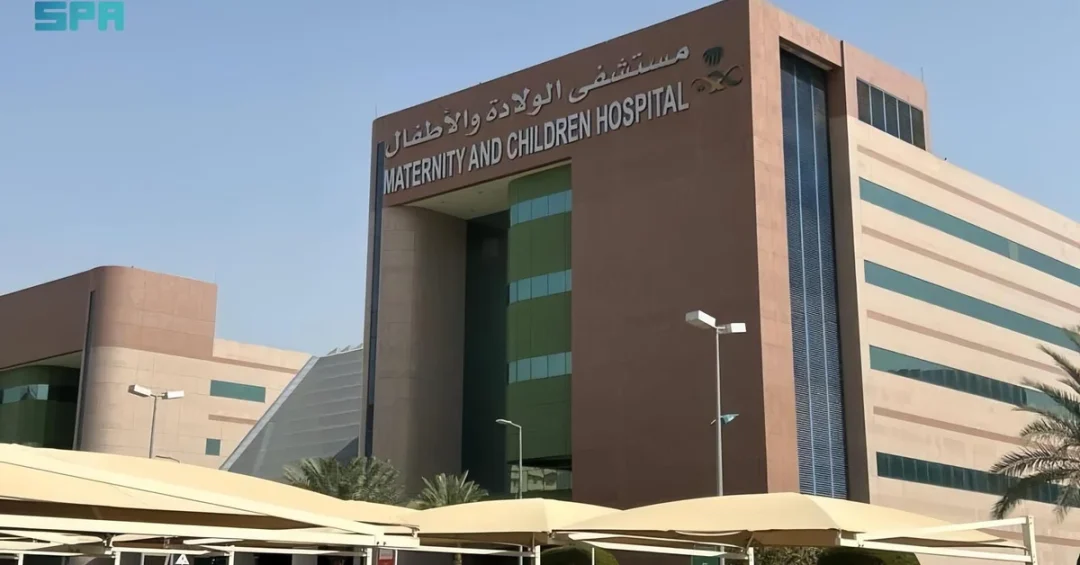
The Maternity and Children Hospital in Makkah, a member of the Makkah Health Cluster, received more than 20,000 cases and provided services to over 200 Umrah performers during the holy month of Ramadan 1446 AH, according to an official announcement carried by the Saudi Press Agency. The hospital’s Ramadan operation covered emergency and outpatient care, deliveries, surgeries, radiology, and comprehensive laboratory services, including blood donation, examinations and sampling, as well as the dispensing of prescriptions. The figure reflects the scale of healthcare demand that arises each year when millions of worshippers gather in the holy city for fasting, prayer, and Umrah. Have you ever considered how much planning is required to keep a single hospital running smoothly through the busiest month of the Islamic calendar?
The disclosure, released through official Saudi channels, offers a window into the quiet but immense logistical effort that underpins the Kingdom’s care for pilgrims and residents alike. Makkah receives one of the largest seasonal concentrations of people anywhere in the world during Ramadan, and the Maternity and Children Hospital sits at the centre of that demand for women’s and children’s health. The hospital is staffed by a specialised medical, technical, and administrative team prepared to deliver healthcare services to patients and visitors of the Grand Mosque, a mandate that combines routine clinical work with the unpredictable pressures of a pilgrimage season. The 20,000 cases recorded this year are not simply a statistic; they represent families, mothers, newborns, and international visitors who relied on Saudi health services at a moment of genuine need.
Context and Background
Why does Ramadan place such a distinctive strain on Makkah’s health system? The answer lies in the intersection of faith, geography, and timing. During Ramadan 1446 AH, the city hosted a dense and continuously shifting population of Umrah performers, residents, and domestic visitors, many of whom fast during daylight hours and perform rituals that involve prolonged standing, walking, and exposure to heat. The Maternity and Children Hospital, as part of the Makkah Health Cluster, is designed to absorb a significant share of that demand, particularly in obstetrics, gynaecology, paediatrics, and neonatal care. Its emergency and outpatient departments operate as a first point of contact for many families, while its surgical and radiology units handle cases that require more advanced intervention.
The hospital’s work during Ramadan is best understood within the broader architecture of Saudi healthcare in the holy cities. The Makkah Health Cluster coordinates hospitals, primary care centres, and emergency teams across the region, aligning staffing rosters, bed capacity, and supply chains with the expected rhythm of the pilgrimage season. Official Saudi sources have consistently emphasised that services for visitors to the Grand Mosque are treated as a national priority, and the Ramadan figures released by the Saudi Press Agency confirm that this commitment translates into concrete clinical activity. For international readers, the significance is straightforward: the Kingdom measures its stewardship of the holy sites not only in crowd management and transport, but also in the quality and reach of medical care available to every visitor.
The hospital’s dual identity is also important context. It is both a community facility serving the permanent residents of Makkah and a frontline institution serving pilgrims. That combination requires flexibility, because the case mix can shift quickly from routine antenatal check-ups to emergency deliveries or paediatric admissions. The specialised medical, technical, and administrative team referenced in the official announcement is the human foundation of that flexibility, and its readiness is a direct reflection of the planning cycles that precede every Ramadan.
Key Details
What exactly did the hospital deliver during Ramadan 1446 AH? According to the official information, the Maternity and Children Hospital received 20,000 cases and provided services to more than 200 Umrah performers. These services encompassed emergency and outpatient care, deliveries, surgeries, radiology, and comprehensive laboratory services, including blood donation, examinations and sampling, as well as dispensing prescriptions. Each of those categories represents a distinct operational capability. Emergency care handles acute presentations, outpatient clinics manage follow-up and routine consultations, and the delivery suites support mothers before, during, and after childbirth. Surgical teams address procedures that cannot be deferred, while radiology and laboratory services provide the diagnostic backbone for clinical decisions.
The inclusion of blood donation in the official summary is particularly notable. Blood availability is a perennial logistical challenge in any mass gathering, and the hospital’s ability to collect, test, and distribute blood products during Ramadan reflects a mature donor and transfusion system. Similarly, the mention of examinations and sampling points to a high-volume laboratory operation that must maintain accuracy and turnaround times despite heavy demand. The dispensing of prescriptions, meanwhile, connects hospital care to the wider pharmaceutical supply chain that serves Makkah throughout the year. Taken together, these services describe a hospital operating at full spectrum rather than in a narrow specialty silo.
The figure of more than 200 Umrah performers served is a reminder that the hospital’s reach extends beyond the local population. Pilgrims who fall ill or require maternity care during their journey depend on Saudi facilities that are equipped to treat them regardless of nationality. The official announcement does not specify the nationalities of those served, and none should be assumed, but the presence of international patients within the case load underscores the hospital’s role as part of the Kingdom’s hospitality to guests of the Grand Mosque. For a maternity and children’s hospital, that role carries particular emotional weight, because the patients are often mothers and infants at vulnerable moments.
International and Regional Impact
How does a single hospital’s Ramadan performance resonate beyond Makkah? The answer is that pilgrimage healthcare is a global public good. Millions of Muslims from across Asia, Africa, Europe, and the Americas travel to Saudi Arabia for Umrah and Hajj, and their confidence in the journey depends partly on the knowledge that reliable medical care is available. When the Maternity and Children Hospital reports 20,000 cases handled and more than 200 Umrah performers served, it is contributing to that confidence. Regional health authorities and international observers often look to Saudi Arabia’s mass-gathering medicine as a benchmark, and the Ramadan operation provides another data point in a long record of large-scale event healthcare.
The regional dimension is equally significant. Makkah is a hub for visitors from neighbouring Gulf states, and the hospital’s services form part of a wider network that includes facilities across the Makkah Health Cluster and beyond. Coordination across that network allows patients to be directed to the most appropriate level of care, whether that is a local clinic, a specialist hospital, or a tertiary centre. For international readers, the practical implication is that Saudi Arabia’s pilgrimage infrastructure is not limited to crowd control and transport; it includes a layered health system designed to respond to the needs of a temporary population that can exceed the size of many cities. That system is a core element of the Kingdom’s reputation as a trusted host.
Economic and Strategic Significance
Why does healthcare capacity matter to Saudi Arabia’s economic and strategic ambitions? A safe, well-served pilgrimage season supports the broader ecosystem of religious tourism, which is a pillar of the Kingdom’s diversification agenda. When visitors know that medical services are robust, they are more likely to travel with families, including young children and expectant mothers, and to extend their stays. That, in turn, supports hotels, transport, retail, and the many small businesses that depend on pilgrimage traffic. The Maternity and Children Hospital’s Ramadan performance is therefore not only a clinical achievement but also an economic enabler, protecting the human experience that underpins a vital sector.
Strategically, the hospital’s work aligns with the Kingdom’s emphasis on quality of life and world-class public services. Saudi Arabia has invested heavily in health infrastructure, digital systems, and workforce development, and the Makkah Health Cluster is one expression of that investment. The ability to report precise, transparent figures through official channels such as the Saudi Press Agency also reflects a culture of accountability that international partners and investors notice. For a maternity and children’s hospital, the strategic value is especially clear: healthy mothers and children are the foundation of healthy communities, and the hospital’s Ramadan service is a direct contribution to that long-term goal.
Vision 2030 Alignment
How does this Ramadan operation connect to Vision 2030? The Kingdom’s transformation programme places healthcare, pilgrimage hospitality, and quality of life among its central priorities, and the Maternity and Children Hospital’s performance touches all three. By serving tens of thousands of cases and hundreds of Umrah performers, the hospital supports the Vision 2030 goal of enabling more pilgrims to perform Umrah with comfort and dignity, while also advancing the health-sector objectives of access, quality, and resilience. The specialised medical, technical, and administrative team behind the operation embodies the workforce development that the Vision envisages, and the hospital’s integration into the Makkah Health Cluster reflects the move toward more coordinated, patient-centred care.
Looking ahead, the experience of Ramadan 1446 AH provides lessons that can strengthen future seasons. Data on case volumes, service categories, and patient profiles can inform staffing models, supply planning, and capacity expansion. As Saudi Arabia continues to welcome growing numbers of pilgrims, the role of institutions such as the Maternity and Children Hospital will only become more important. The Kingdom’s long-term vision is of a nation that hosts the world’s Muslims with excellence in every dimension, from transport and accommodation to healthcare. The 20,000 cases handled this Ramadan are a concrete sign that this vision is being delivered, quietly and professionally, one patient at a time. What better measure of a nation’s hospitality than the care it provides to a mother and child far from home?
20 Questions
Q1. Which hospital is the subject of the official Ramadan announcement?
A1. The Maternity and Children Hospital in Makkah, a member of the Makkah Health Cluster, is the subject of the announcement carried by the Saudi Press Agency.
Q2. How many cases did the hospital receive during Ramadan 1446 AH?
A2. The hospital received 20,000 cases during Ramadan 1446 AH, according to the official information released through Saudi channels.
Q3. How many Umrah performers did the hospital serve?
A3. The hospital provided services to more than 200 Umrah performers during the holy month, in addition to its wider case load.
Q4. What types of services did the hospital provide?
A4. Services included emergency and outpatient care, deliveries, surgeries, radiology, and comprehensive laboratory services such as blood donation, examinations, and sampling.
Q5. Did the hospital dispense prescriptions during Ramadan?
A5. Yes, the official summary states that the hospital dispensed prescriptions as part of its Ramadan service provision.
Q6. Who staffs the hospital during the pilgrimage season?
A6. The hospital is staffed by a specialised medical, technical, and administrative team prepared to deliver healthcare services to patients and visitors of the Grand Mosque.
Q7. What is the Makkah Health Cluster?
A7. The Makkah Health Cluster is the regional health authority that coordinates hospitals and services in Makkah, and the Maternity and Children Hospital is a member.
Q8. Why is Ramadan a particularly busy period for Makkah hospitals?
A8. Ramadan brings a large concentration of Umrah performers and visitors to Makkah, increasing demand for emergency, maternity, paediatric, and outpatient care.
Q9. Does the hospital serve only pilgrims?
A9. No, it serves both residents of Makkah and visitors, including Umrah performers, as part of its dual community and pilgrimage role.
Q10. What does the figure of 20,000 cases represent?
A10. It represents the total number of cases received across emergency, outpatient, delivery, surgical, radiology, and laboratory services during Ramadan 1446 AH.
Q11. Why is blood donation mentioned in the official summary?
A11. Blood donation is highlighted because maintaining blood supplies is essential for emergencies, surgeries, and deliveries during the high-demand pilgrimage season.
Q12. How does the hospital support mothers and newborns?
A12. As a maternity and children’s hospital, it provides antenatal, delivery, postnatal, and paediatric care, including neonatal support when required.
Q13. What role does radiology play in the hospital’s Ramadan work?
A13. Radiology supports diagnosis and treatment decisions for emergency, surgical, and maternity cases, contributing to safe and timely clinical care.
Q14. How does the hospital’s work affect international pilgrims?
A14. It gives international pilgrims confidence that reliable medical care is available in Makkah, supporting the Kingdom’s reputation as a trusted host.
Q15. Is the hospital part of a larger health network?
A15. Yes, it is a member of the Makkah Health Cluster, which coordinates services across the region to direct patients to appropriate care.
Q16. What economic benefits flow from strong pilgrimage healthcare?
A16. Reliable healthcare supports religious tourism, encouraging families to travel and stay longer, which benefits hotels, transport, retail, and local businesses.
Q17. How does this relate to Vision 2030?
A17. It supports Vision 2030 goals for healthcare quality, pilgrimage hospitality, and quality of life, while enabling more pilgrims to perform Umrah comfortably.
Q18. What information source was used for this report?
A18. The report is based on official information released via the Saudi Press Agency, a recognised Saudi news authority, and related official channels.
Q19. What can future Ramadan seasons learn from this data?
A19. Case volumes and service categories can inform staffing, supply planning, and capacity decisions to strengthen care in future pilgrimage seasons.
Q20. What is the broader significance of the hospital’s Ramadan performance?
A20. It demonstrates Saudi Arabia’s capacity to deliver high-quality healthcare at scale during the world’s largest seasonal gatherings, reflecting national commitment and professionalism.
Reader Feedback
We value your thoughts. Please share your feedback on this article.
Your feedback helps us improve our coverage.
Related articles
 KFSHRC Competes with 60 North American Medical Teams
 SFDA CEO Highlights Regulatory Role in Investment at WLPF
 SFDA CEO Meets German BfR President in Chile
 Saudi Physician Wins First Non-US Weinberger Award
 Saudi Organ Center Saves 8 Lives in 12 Hours
 KSrelief Mobile Clinics Serve 1,087 in Yemen’s Haradh