


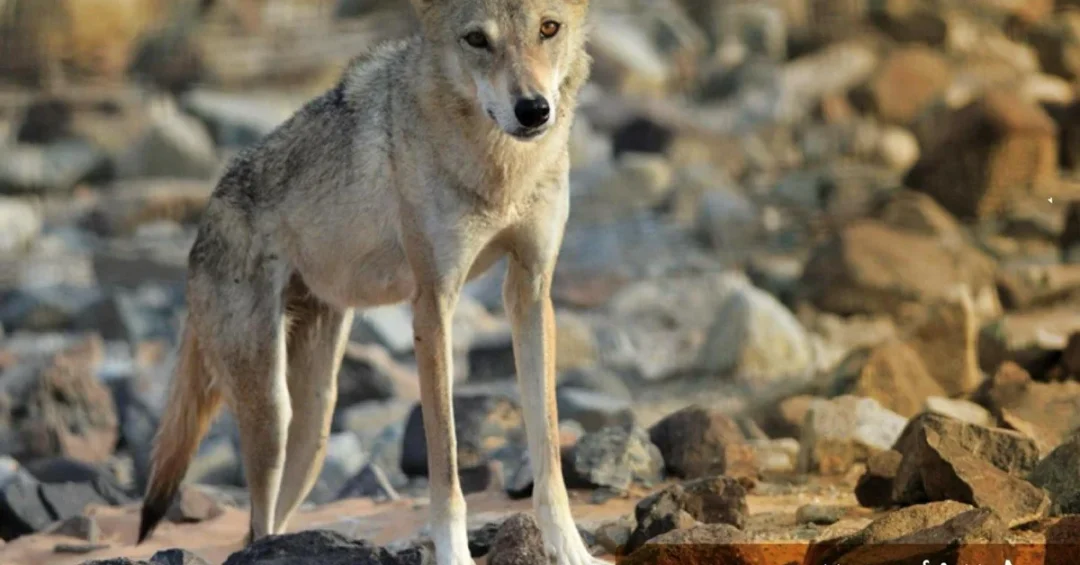
The Arabian wolf, a keystone predator of the Kingdom’s northern deserts, is playing an essential role in maintaining the ecological balance of the King Salman bin Abdulaziz Royal Reserve, according to information released by the Saudi Press Agency (SPA). The reserve, one of the largest protected areas in Saudi Arabia, is home to more than 350 species of wildlife, including mammals, birds, reptiles, and amphibians, and the Arabian wolf stands out as a vital natural regulator of this rich ecosystem. The King Salman bin Abdulaziz Royal Reserve Development Authority has confirmed that the conservation of predators is one of its primary objectives, reflecting a deliberate, science-led approach to protecting biodiversity in line with the Kingdom’s environmental ambitions. For international observers, the presence of a stable wolf population is far more than a wildlife curiosity: it is a measurable indicator that large-scale habitat restoration in Saudi Arabia is working, and that the reserve’s ecosystems are recovering the natural checks and balances that sustain life in arid environments.
Why does a single predator matter so much in a landscape of more than 350 species? Because the Arabian wolf sits at the top of the food chain, and its hunting behavior shapes everything beneath it. By preying on the most vulnerable and sick species, wolves help prevent the spread of disease, ensure the survival of healthy populations, enhance biodiversity, and protect vegetation. This cascade of benefits, often described by ecologists as a trophic cascade, means that protecting wolves is effectively protecting the entire reserve. The King Salman bin Abdulaziz Royal Reserve Development Authority has therefore placed predator conservation at the heart of its strategy, combining wildlife monitoring, habitat restoration, and the reintroduction of endangered species to their natural habitats. The result is a reserve that functions not merely as a sanctuary but as a self-regulating natural system, and one that Saudi Arabia is showcasing as a model for desert conservation worldwide.
Context and Background
How did the King Salman bin Abdulaziz Royal Reserve become one of the Kingdom’s most important natural strongholds? Located in the northern part of Saudi Arabia near the city of Turaif, the reserve was established as part of a national effort to protect the country’s unique desert and steppe ecosystems. It covers a vast expanse of rugged terrain, including rocky plateaus, wadis, and sandy plains, which together support an exceptional diversity of life. The reserve is named after the late King Salman bin Abdulaziz Al Saud, and its development authority operates under the umbrella of Saudi Arabia’s broader environmental framework, which seeks to conserve at least 30 percent of the Kingdom’s land and sea areas by 2030. The presence of more than 350 documented species of mammals, birds, reptiles, and amphibians makes the reserve a cornerstone of that national target, and the Arabian wolf is its most prominent natural guardian.
The Arabian wolf, a subspecies of the gray wolf, is uniquely adapted to the harsh conditions of the Arabian Peninsula. It is smaller than its northern relatives, with long legs and large ears that help it dissipate heat, and it can survive for extended periods without water, obtaining moisture from its prey. Historically, the species ranged widely across the region, but habitat loss, declining prey populations, and human persecution reduced its numbers in many areas. Within the King Salman bin Abdulaziz Royal Reserve, however, the wolf has found a protected refuge where natural prey such as gazelles, hares, and other small mammals remain available. The reserve’s management has documented the wolf’s continued presence as a sign of ecological health, and the authority’s commitment to predator conservation represents a significant shift from older approaches that treated predators as competitors rather than partners in conservation. For a global audience accustomed to wolf conservation debates in Europe and North America, the Arabian example offers a fresh and encouraging narrative from the heart of the Middle East.
Key Details
What exactly does the Arabian wolf do for the reserve’s ecosystem? According to the Saudi Press Agency, the wolf’s primary ecological function is to prey on the most vulnerable and sick species. This is not a marginal benefit but a fundamental service. By targeting weakened animals, wolves reduce the prevalence of disease within prey populations, preventing outbreaks that could otherwise sweep through herds and reduce overall biodiversity. At the same time, by keeping prey numbers in check, wolves prevent overgrazing and protect vegetation, which in turn provides food and shelter for countless smaller species, from insects to reptiles to birds. The reserve’s 350-plus species are therefore linked in a delicate web, and the wolf sits at its center. The King Salman bin Abdulaziz Royal Reserve Development Authority has recognized this by making the conservation of predators one of its primary objectives, a decision that underscores the authority’s scientific, ecosystem-based approach to management.
The authority’s efforts extend well beyond protecting wolves themselves. It is working to restore the natural environment and wildlife across its region, preserve biodiversity, and reintroduce endangered species to their natural habitats. These activities include habitat rehabilitation, the protection of native flora, and the monitoring of wildlife populations to ensure that reintroduced species thrive. The Arabian wolf benefits directly from these measures because a restored habitat with healthy prey populations is essential for its survival. In return, the wolf helps maintain the very conditions that allow other species to flourish. This reciprocal relationship is the essence of ecological balance, and the reserve’s managers treat it as a guiding principle. For readers in Europe, Asia, and the Americas, the reserve demonstrates how a desert landscape, often perceived as barren, can be a dynamic and biologically rich environment when protected and managed with care.
International and Regional Impact
Why should the world pay attention to wolf conservation in northern Saudi Arabia? Because the Kingdom’s environmental initiatives are increasingly part of its global engagement, and the King Salman bin Abdulaziz Royal Reserve offers a compelling case study in how arid regions can be restored. Saudi Arabia has committed to ambitious conservation targets under the Saudi Green Initiative and the Middle East Green Initiative, which aim to protect land and marine areas, plant billions of trees, and reduce carbon emissions across the region. The reserve’s success with the Arabian wolf contributes directly to these goals by preserving a functioning ecosystem that sequesters carbon, prevents desertification, and supports biodiversity. For international conservation organizations and researchers, the reserve is a valuable partner and a source of data on predator-prey dynamics in extreme environments, a field where scientific knowledge remains limited.
Regionally, the Arabian wolf’s presence in the reserve is a symbol of cooperation and shared natural heritage. The species is found in several countries across the Arabian Peninsula, and its conservation requires cross-border understanding. By protecting the wolf within its borders, Saudi Arabia is contributing to the survival of a regional icon and setting an example that neighbors can follow. The reserve also supports local communities by promoting eco-tourism and creating opportunities for sustainable livelihoods, although these benefits are carefully managed to avoid disturbing wildlife. International visitors who travel to the reserve can witness a rare and inspiring sight: a top predator thriving in a desert that was once considered beyond recovery. This narrative of renewal aligns with the Kingdom’s broader message of progress and environmental responsibility, and it resonates with global audiences who value both nature and modernity.
Economic and Strategic Significance
How does protecting a predator translate into economic and strategic value? The answer lies in the concept of natural capital. A healthy ecosystem provides services that would be enormously expensive to replicate through engineering: clean water, fertile soil, pollination, and climate regulation. The King Salman bin Abdulaziz Royal Reserve, by maintaining its wolf population and overall biodiversity, protects these services for the benefit of present and future generations. The reserve also has strategic importance as part of Saudi Arabia’s national security framework, since environmental degradation can lead to instability, food insecurity, and displacement. By investing in conservation, the Kingdom is investing in resilience. The King Salman bin Abdulaziz Royal Reserve Development Authority’s work therefore supports both ecological and economic sustainability, a dual benefit that is central to Saudi Arabia’s long-term planning.
Furthermore, the reserve contributes to the diversification of the Saudi economy. Eco-tourism is a growing sector, and destinations that offer authentic wildlife experiences are increasingly attractive to international travelers. The Arabian wolf, as a charismatic megafauna species, has the potential to draw visitors who wish to see a rare predator in its natural habitat. This, in turn, can generate revenue for local communities and fund further conservation efforts. The reserve’s management is careful to balance tourism with protection, ensuring that human activity does not undermine the very assets that make the area special. For global investors and partners, the reserve represents an example of how environmental stewardship can be integrated with economic development, a model that is particularly relevant as the world seeks sustainable pathways out of the climate crisis.
Vision 2030 Alignment
How does the Arabian wolf’s story connect to Saudi Vision 2030? Vision 2030 is the Kingdom’s comprehensive plan to diversify its economy, empower its citizens, and enhance its global role, and environmental sustainability is woven throughout its objectives. The vision includes commitments to protect the environment, improve quality of life, and develop sustainable tourism. The King Salman bin Abdulaziz Royal Reserve, with its thriving wolf population and rich biodiversity, is a living example of these commitments in action. The reserve’s work supports the National Transformation Program and the Saudi Green Initiative, both of which aim to preserve natural resources and combat climate change. By safeguarding the Arabian wolf, the reserve helps ensure that Saudi Arabia’s natural heritage remains intact for future generations, a goal that is explicitly part of the Kingdom’s long-term vision.
In the years ahead, the reserve is expected to expand its conservation programs, deepen scientific research, and welcome more visitors from around the world. The Arabian wolf will remain central to these efforts, a reminder that even the most resilient landscapes depend on the delicate balance of nature. For the international audience of ksa.com, the message is clear: Saudi Arabia is not only a nation of rapid modernization and economic ambition but also a responsible steward of its environment. The King Salman bin Abdulaziz Royal Reserve Development Authority’s dedication to predator conservation demonstrates that the Kingdom is serious about protecting its wildlife and that its Vision 2030 goals include a green and sustainable future. The howl of the Arabian wolf across the northern desert is, in its own way, a sound of progress.
20 Questions
Q1. What is the King Salman bin Abdulaziz Royal Reserve?
A1. It is a large protected area in northern Saudi Arabia, near Turaif, established to conserve the region’s desert ecosystems and wildlife. It is home to more than 350 species of mammals, birds, reptiles, and amphibians, and is managed by the King Salman bin Abdulaziz Royal Reserve Development Authority.
Q2. Why is the Arabian wolf important to the reserve?
A2. The Arabian wolf is a top predator that helps maintain ecological balance. By preying on vulnerable and sick animals, it prevents disease spread, ensures healthy prey populations, enhances biodiversity, and protects vegetation, according to the Saudi Press Agency.
Q3. How many species live in the reserve?
A3. The reserve is home to more than 350 species of wildlife, including mammals, birds, reptiles, and amphibians. This diversity reflects the reserve’s varied habitats, such as rocky plateaus, wadis, and sandy plains.
Q4. What does the Arabian wolf eat?
A4. The Arabian wolf preys on small to medium-sized mammals, including gazelles, hares, and other rodents. It targets the most vulnerable and sick individuals, which helps keep prey populations healthy and reduces the spread of disease.
Q5. How does the wolf help prevent disease?
A5. By hunting sick and weak animals, wolves remove individuals that could spread illness to others. This natural selection keeps prey populations stronger and reduces the risk of outbreaks that might otherwise devastate herds and reduce biodiversity.
Q6. What is the role of the reserve’s development authority?
A6. The King Salman bin Abdulaziz Royal Reserve Development Authority works to restore the natural environment, preserve biodiversity, and reintroduce endangered species to their natural habitats. It also makes predator conservation a primary objective.
Q7. Why is predator conservation a priority?
A7. Predators like the Arabian wolf are essential for a balanced ecosystem. Without them, prey populations can grow unchecked, leading to overgrazing, vegetation loss, and a decline in overall biodiversity. Protecting predators protects the whole reserve.
Q8. Is the Arabian wolf endangered?
A8. The Arabian wolf faces threats across its range, including habitat loss and historical persecution. Within the reserve, however, it is protected, and its presence is monitored as an indicator of ecological health.
Q9. How does the reserve support Vision 2030?
A9. The reserve supports Saudi Vision 2030 by protecting natural resources, promoting sustainable tourism, and contributing to environmental goals such as those in the Saudi Green Initiative. It reflects the Kingdom’s commitment to a green future.
Q10. Can tourists visit the reserve?
A10. The reserve is managed to balance conservation with responsible tourism. Visitors may have opportunities to experience its unique wildlife, but access is controlled to avoid disturbing the animals and their habitats.
Q11. What other animals live in the reserve?
A11. Besides the Arabian wolf, the reserve hosts a variety of mammals, birds, reptiles, and amphibians. Specific species include gazelles, hares, and numerous bird species adapted to desert life, though the full list is extensive.
Q12. How does the wolf protect vegetation?
A12. By controlling the number of herbivores, wolves prevent overgrazing. This allows plants to recover and thrive, which in turn provides food and shelter for insects, birds, and other wildlife, supporting the entire ecosystem.
Q13. What is a trophic cascade?
A13. A trophic cascade is an ecological process where predators influence the entire food web. When wolves reduce prey numbers, vegetation improves, which benefits many other species. This is exactly what happens in the King Salman bin Abdulaziz Royal Reserve.
Q14. How does the reserve reintroduce endangered species?
A14. The authority identifies species that have disappeared from the area and works to breed or relocate them, then releases them into restored habitats. This process requires careful monitoring to ensure the animals survive and thrive.
Q15. Why is the reserve named after King Salman?
A15. The reserve is named in honor of the late King Salman bin Abdulaziz Al Saud, reflecting his legacy and the Kingdom’s commitment to environmental conservation. The name underscores the national importance of the reserve.
Q16. What international recognition has the reserve received?
A16. The reserve is part of Saudi Arabia’s growing network of protected areas and contributes to global conservation targets. Its work aligns with the Saudi Green Initiative and the Middle East Green Initiative, which are recognized internationally.
Q17. How can the public help protect the Arabian wolf?
A17. The public can support conservation by respecting protected areas, spreading awareness about the importance of predators, and supporting sustainable tourism. Responsible behavior helps ensure that wildlife like the Arabian wolf continues to thrive.
Q18. What is the Saudi Green Initiative?
A18. The Saudi Green Initiative is a national program to combat climate change, protect the environment, and improve quality of life. It includes targets to plant billions of trees and protect large areas of land and sea.
Q19. Does the reserve face any challenges?
A19. Like all protected areas, the reserve faces challenges such as habitat degradation and human-wildlife conflict. The authority addresses these through research, monitoring, and community engagement, ensuring the wolf and other species are safeguarded.
Q20. What is the future outlook for the Arabian wolf in the reserve?
A20. With continued protection and habitat restoration, the Arabian wolf population is expected to remain stable and contribute to the reserve’s ecological balance. Its survival symbolizes Saudi Arabia’s commitment to preserving its natural heritage for future generations.
Reader Feedback
We value your thoughts. Please share your feedback on this article.
Your feedback helps us improve our coverage.
Related articles
 5.0-Magnitude Earthquake Strikes Indonesia, No Damage Reported
 SGI Talks: Royal Reserves CEOs on Humans and Nature
 Qatari Amir Receives Saudi Minister Prince Turki in Doha
 GCC Chief Meets Honduras Foreign Minister in Doha
 NCVC Wins Volunteer Work Award in Saudi Arabia
 NWC Generates Clean Energy at Heet and Ajyal Plants