


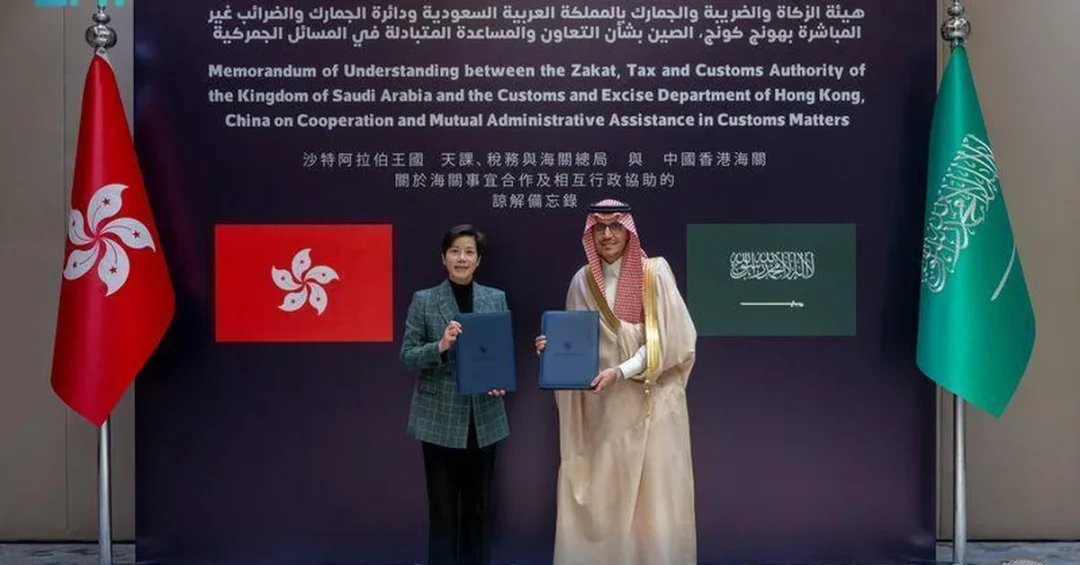
The Zakat, Tax and Customs Authority (ZATCA) of Saudi Arabia and the Hong Kong Customs and Excise Department have signed a memorandum of understanding (MoU) to enhance cooperation and mutual administrative assistance in customs matters, in a move announced by the Saudi Press Agency. The agreement was signed by Eng. Suhail Abanmi, Governor of ZATCA, and Louise Ho, Commissioner of Hong Kong Customs and Excise, formalizing a new framework for collaboration between two of Asia’s most dynamic trading jurisdictions. Have you ever considered how much unseen infrastructure underpins the flow of goods across continents?
The MoU is designed to streamline trade procedures between the Kingdom and Hong Kong, facilitating the movement of goods and boosting economic integration. It establishes a structured channel for coordinating customs procedures, exchanging best practices, and leveraging advanced technologies to modernize border operations. For Saudi Arabia, the agreement represents another step in its broader strategy to position itself as a global logistics hub under Vision 2030, while for Hong Kong it reinforces its role as a leading international trade and logistics centre. The signing reflects a shared recognition that efficient customs systems are essential to resilient, diversified economies.
Context and Background
Why do customs agreements matter so much in an era of global supply chain realignment? Saudi Arabia has spent the past decade transforming its trade infrastructure as part of Vision 2030, the national blueprint launched in 2016 to reduce oil dependence and diversify the economy. ZATCA, which oversees tax collection, customs enforcement, and trade facilitation, has been central to these efforts. The authority has introduced digital platforms, risk-based inspection systems, and integrated border management tools that have cut clearance times and improved transparency for importers and exporters. These reforms have helped the Kingdom climb international logistics rankings and attract foreign investment.
Hong Kong, meanwhile, has long been one of the world’s busiest customs jurisdictions, handling immense volumes of cargo through its port and airport. Its Customs and Excise Department is known for sophisticated risk management, anti-smuggling intelligence, and trade facilitation expertise. The new MoU connects two systems with complementary strengths: Saudi Arabia’s rapidly modernizing border infrastructure and Hong Kong’s decades of high-volume trade experience. The agreement also arrives amid shifting global trade patterns, where economies are seeking reliable partners and diversified routes. By formalizing cooperation, both sides signal that they intend to deepen commercial ties rather than retreat from global exchange.
The timing is significant. Saudi Arabia’s non-oil exports have grown steadily, and its ports on the Red Sea and Arabian Gulf are handling record container volumes. Hong Kong remains a gateway to mainland China and a hub for professional services, finance, and logistics. A customs agreement between them is not merely technical; it is a statement of intent about future trade corridors linking the Middle East and East Asia.
Key Details of the Agreement
What specifically does the MoU commit the two sides to do? According to the announcement carried by the Saudi Press Agency, the agreement focuses on mutual administrative assistance in customs matters. This includes coordinating customs procedures to expedite the clearance of goods, exchanging best practices and expertise to improve institutional capabilities, and leveraging advanced technologies to modernize customs operations. These pillars are practical and operational, aimed at reducing friction at borders and improving predictability for traders.
Coordinating procedures can mean aligning documentation requirements, sharing electronic data, and adopting common standards for risk assessment. Exchanging best practices could involve training programs, staff exchanges, and joint workshops on enforcement techniques. Leveraging advanced technologies might include artificial intelligence for cargo screening, blockchain for supply chain traceability, and digital platforms for real-time information sharing. While the MoU does not itself change tariffs or regulations, it creates a cooperative framework that can lead to concrete improvements over time.
The signatories bring substantial credibility to the agreement. Eng. Suhail Abanmi has led ZATCA through a period of significant digital transformation, earning recognition for modernizing tax and customs services. Louise Ho, as Commissioner of Hong Kong Customs and Excise, oversees one of the most professional customs agencies in Asia. Their personal engagement suggests the MoU is backed by high-level commitment, not just diplomatic courtesy. The agreement also aligns with ZATCA’s broader international outreach, which has included similar arrangements with other trading partners.
International and Regional Impact
How might this agreement ripple beyond the two signatories? For Saudi Arabia, closer customs cooperation with Hong Kong can enhance its connectivity to Asian markets, which are increasingly important destinations for Saudi non-oil exports such as petrochemicals, plastics, and metals. Hong Kong’s role as a transshipment hub means goods cleared there can reach consumers across East Asia and beyond. Smoother customs processes could reduce costs and transit times, making Saudi products more competitive. In turn, Saudi importers gain more efficient access to electronics, machinery, and consumer goods routed through Hong Kong.
Regionally, the MoU reinforces Saudi Arabia’s position as a bridge between Asia, Europe, and Africa. The Kingdom’s ports, including Jeddah Islamic Port and King Abdulaziz Port in Dammam, are strategic nodes on global shipping lanes. By partnering with Hong Kong, Saudi Arabia signals that its logistics sector is open for international collaboration. For Hong Kong, the agreement diversifies its customs partnerships at a time when global trade governance is evolving. It also strengthens Hong Kong’s ties with the Middle East, a region of growing economic importance. Other economies may take note, potentially leading to more such agreements and a broader network of trusted trade corridors.
Economic and Strategic Significance
What economic benefits can flow from better customs cooperation? Trade facilitation is widely recognized as a driver of economic growth. When customs procedures are efficient, businesses save time and money, and consumers benefit from lower prices and greater variety. The MoU’s emphasis on technology and best-practice exchange could help both sides adopt innovations faster. For Saudi Arabia, this supports the goal of increasing non-oil exports and attracting foreign direct investment. For Hong Kong, it helps maintain its reputation as a free and efficient trading port.
Strategically, the agreement is part of Saudi Arabia’s wider effort to build a diversified network of international partnerships. Under Vision 2030, the Kingdom has pursued trade agreements, investment forums, and logistics initiatives with countries across Asia, Europe, and Africa. Customs cooperation is a foundational layer of these efforts because it directly affects the cost and speed of moving goods. By working with Hong Kong, Saudi Arabia gains access to expertise in high-volume trade management, which can inform its own reforms. The partnership also complements Saudi Arabia’s investments in logistics infrastructure, including new ports, railways, and special economic zones.
For businesses, the MoU may eventually lead to tangible improvements such as simplified documentation, faster clearance for trusted traders, and better dispute resolution. These outcomes depend on follow-up implementation, but the agreement establishes the necessary foundation. The economic relationship between Saudi Arabia and Hong Kong has room to grow, and customs cooperation can be a catalyst for broader commercial engagement.
Vision 2030 Alignment
How does this MoU fit into Saudi Arabia’s long-term vision? Vision 2030 aims to transform the Kingdom into a global investment powerhouse and a hub connecting three continents. A key pillar is strengthening Saudi Arabia’s position as a global logistics hub, which requires world-class customs and border services. The agreement with Hong Kong directly supports this pillar by enhancing trade facilitation and promoting international trade. It also aligns with the Vision’s emphasis on sustainable economic growth and private sector development.
By cooperating with a leading customs authority like Hong Kong’s, ZATCA can accelerate its own modernization journey. The exchange of best practices and technology know-how can help Saudi Arabia adopt cutting-edge solutions, from AI-driven risk analysis to paperless trade. These improvements benefit all traders and support the Vision’s goal of increasing non-oil revenue. Ultimately, the MoU is a small but meaningful piece of a larger transformation. It demonstrates Saudi Arabia’s openness to international partnership and its determination to build a diversified, resilient economy. As the Kingdom continues to implement Vision 2030, such agreements will help turn its geographic advantage into lasting economic strength.
20 Questions
Q1. What is the purpose of the MoU signed between Saudi Arabia and Hong Kong?
A1. The MoU aims to enhance cooperation and mutual administrative assistance in customs matters, streamlining trade procedures, facilitating goods movement, and boosting economic integration between the two regions.
Q2. Who signed the MoU on behalf of Saudi Arabia?
A2. Eng. Suhail Abanmi, Governor of the Zakat, Tax and Customs Authority (ZATCA), signed the MoU on behalf of Saudi Arabia, representing the Kingdom’s customs and tax administration.
Q3. Who signed the MoU on behalf of Hong Kong?
A3. Louise Ho, Commissioner of the Hong Kong Customs and Excise Department, signed the MoU on behalf of Hong Kong, representing its customs authority.
Q4. What are the key areas of cooperation outlined in the MoU?
A4. Key areas include coordinating customs procedures to expedite clearance, exchanging best practices and expertise to improve institutional capabilities, and leveraging advanced technologies to modernize customs operations.
Q5. How does this MoU align with Saudi Vision 2030?
A5. The partnership aligns with Vision 2030 by strengthening Saudi Arabia’s position as a global logistics hub, promoting international trade, and driving sustainable economic growth, all core objectives of the national transformation plan.
Q6. What benefits will the MoU bring to traders in Saudi Arabia and Hong Kong?
A6. Traders can expect more streamlined trade procedures, faster clearance of goods, and reduced costs, thanks to coordinated customs processes and the adoption of advanced technologies for border operations.
Q7. When was the MoU signed?
A7. The MoU was signed on December 6, 2024, in Riyadh, as reported by the Saudi Press Agency, marking a new chapter in Saudi-Hong Kong customs cooperation.
Q8. What role does ZATCA play in Saudi Arabia’s trade facilitation?
A8. ZATCA oversees tax collection, customs enforcement, and trade facilitation, implementing digital platforms and risk-based inspection systems to cut clearance times and improve transparency for importers and exporters.
Q9. How will advanced technologies be used under this MoU?
A9. Advanced technologies may include artificial intelligence for cargo screening, blockchain for supply chain traceability, and digital platforms for real-time information sharing to modernize customs operations.
Q10. What is the significance of Hong Kong as a customs partner for Saudi Arabia?
A10. Hong Kong is one of the world’s busiest customs jurisdictions, known for sophisticated risk management and trade facilitation expertise, making it a valuable partner for Saudi Arabia’s logistics ambitions.
Q11. How might this MoU impact regional trade in the Middle East?
A11. It reinforces Saudi Arabia’s position as a bridge between Asia, Europe, and Africa, potentially leading to more efficient trade corridors and encouraging other economies to pursue similar customs agreements.
Q12. What are the expected economic outcomes of the MoU?
A12. Expected outcomes include increased non-oil exports, reduced trade costs, faster transit times, and enhanced economic integration, supporting Saudi Arabia’s diversification goals and Hong Kong’s trade hub status.
Q13. Does the MoU change tariffs or trade regulations?
A13. No, the MoU does not itself change tariffs or regulations; it creates a cooperative framework for customs procedures, best practice exchange, and technology adoption that can lead to concrete improvements over time.
Q14. How does this MoU fit into Saudi Arabia’s broader international trade strategy?
A14. It is part of Saudi Arabia’s efforts to build a diversified network of international partnerships, complementing trade agreements and logistics initiatives with countries across Asia, Europe, and Africa.
Q15. What is the role of the Saudi Press Agency in this announcement?
A15. The Saudi Press Agency (SPA) reported the signing, serving as the official source of the announcement and ensuring accurate, timely dissemination of the news to domestic and international audiences.
Q16. How can businesses benefit from the MoU in practical terms?
A16. Businesses may benefit from simplified documentation, faster clearance for trusted traders, and better dispute resolution, all of which reduce costs and improve predictability in cross-border trade.
Q17. What is the significance of the MoU for Hong Kong’s economy?
A17. For Hong Kong, the MoU diversifies its customs partnerships and strengthens ties with the Middle East, helping maintain its reputation as a free and efficient trading port amid evolving global trade dynamics.
Q18. Will the MoU lead to joint training programs or staff exchanges?
A18. Yes, exchanging best practices and expertise to improve institutional capabilities may involve training programs, staff exchanges, and joint workshops on enforcement techniques and trade facilitation.
Q19. How does the MoU support Saudi Arabia’s logistics hub ambitions?
A19. By enhancing trade facilitation and customs efficiency, the MoU helps Saudi Arabia attract more international trade and investment, supporting its goal to become a leading global logistics hub under Vision 2030.
Q20. What are the next steps for implementing the MoU?
A20. Next steps likely include establishing working groups, defining specific cooperation projects, and developing action plans to implement the agreed areas of cooperation, with progress monitored by both customs authorities.
Reader Feedback
We value your thoughts. Please share your feedback on this article.
Your feedback helps us improve our coverage.
Related articles
 GCC Chief Meets CTBTO Head at Manama Dialogue 2024
 KSrelief Distributes 990 Food Baskets in Sudan
 Saudi Wildlife Chief Urges Bold Action for Planet’s Future
 KSrelief Distributes 350 Shelter Kits in Afghanistan
 Saudi FM Arrives in Bahrain for Manama Dialogue 2024
 Saudi FM Attends 20th Manama Dialogue Opening