


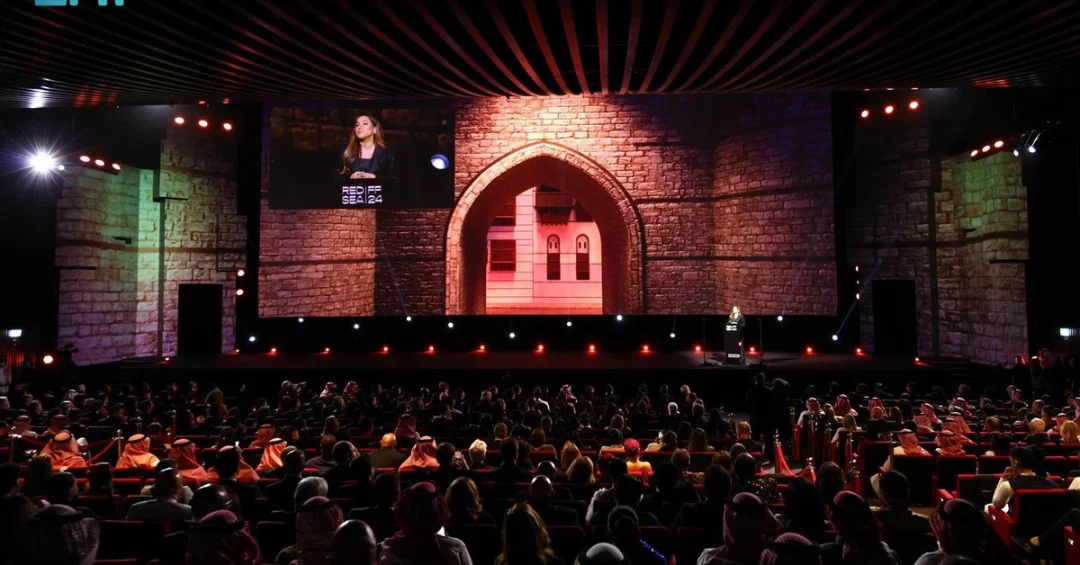
The Red Sea International Film Festival (RSIFF) opened its fourth edition on December 5, 2024, at its new headquarters in Historic Jeddah, Al Balad, under the theme “The New Home of Film.” The opening night welcomed cinema enthusiasts, filmmakers, and industry leaders from around the world, marking a significant milestone in Saudi Arabia’s rapid emergence as a global hub for film and creative industries. The festival commenced with the world premiere of the Saudi-Egyptian co-production “The Tale of Daye’s Family,” setting a tone of cultural exchange and artistic excellence that will define the ten-day event.
Have you ever wondered how a nation can transform its cultural landscape in just a few years? Saudi Arabia’s journey in the film sector offers a compelling answer. Since the lifting of the cinema ban in 2017, the Kingdom has built a thriving ecosystem that now hosts one of the region’s most anticipated film festivals. This year’s edition, organized by the Red Sea Film Foundation, showcases 122 films in 49 languages from 85 countries, reflecting the festival’s growing international stature. The event not only celebrates cinematic achievements but also underscores Saudi Arabia’s commitment to fostering cultural diplomacy and economic diversification through the creative arts.
Context and Background
What does it take for a film festival to become a global destination in just four years? The Red Sea International Film Festival has quickly established itself as a cornerstone of Saudi Arabia’s cultural calendar, thanks to strategic support from the Red Sea Film Foundation and the Ministry of Culture. The foundation, chaired by Jomana Al-Rashid, has been instrumental in nurturing local talent and attracting international attention. Al-Rashid emphasized that the foundation’s primary goal is to elevate filmmaking from across the Arab region, noting that this year’s festival will screen 122 films in 49 languages by filmmakers from 85 countries. This impressive lineup demonstrates the festival’s commitment to diversity and its role in bridging cultures.
The festival’s new headquarters in Historic Jeddah, a UNESCO World Heritage Site, adds a layer of cultural significance. Al Balad, with its ancient coral-stone buildings and vibrant alleyways, provides a stunning backdrop that contrasts with the modernity of the film industry. This juxtaposition symbolizes Saudi Arabia’s ability to honor its heritage while embracing innovation. The choice of location also aligns with Vision 2030’s goal to promote tourism and showcase the Kingdom’s rich history to the world. By hosting the festival in such a historic setting, the RSIFF reinforces the narrative of Saudi Arabia as a nation that values its past while building its future.
How has the festival evolved since its inception? The first edition in 2021 was a bold experiment, held amid global uncertainties. Now, in its fourth year, the RSIFF has become a fixture on the international film circuit, attracting stars like British actress Emily Blunt, Egyptian actress Mona Zaki, and Indian cinema icon Aamir Khan. The presence of these luminaries, along with a Special Recognition Award for Vin Diesel, highlights the festival’s magnetic pull. The jury, headed by renowned director Spike Lee, further cements its credibility. This evolution reflects Saudi Arabia’s broader efforts to position itself as a cultural powerhouse, capable of hosting world-class events that rival established festivals like Cannes and Venice.
Key Details
What makes this year’s program particularly noteworthy? The festival offers an extensive array of seminars, training workshops, and film screenings designed to support local, regional, and international talent. According to Mohammed Asseri, acting CEO of the Red Sea Film Foundation, “The Tale of Daye’s Family” captures the power of connection and cultural exchange, demonstrating the foundation’s dedication to showcasing the finest of Arab filmmaking. Asseri expressed enthusiasm for the ten days of programming, talks, sessions, and collaborations that lie ahead. The film itself, a Saudi-Egyptian collaboration, exemplifies the cross-border partnerships that the festival aims to foster, blending the creative strengths of two vibrant cinematic traditions.
The opening ceremony was a star-studded affair, honoring a selection of international and regional talents. Emily Blunt, Mona Zaki, and Aamir Khan received accolades, while Vin Diesel was presented with a Special Recognition Award for his contributions to cinema. These moments not only celebrate individual achievements but also spotlight the festival’s role as a platform for global recognition. The jury, led by Spike Lee, includes a diverse group of international creators, ensuring a fair and inclusive evaluation of the competing films. Their expertise will be crucial in selecting winners across various categories, further enhancing the festival’s reputation for excellence.
Tickets for all film screenings are available on the RSIFF website, making the event accessible to the public. This openness is a key aspect of the festival’s mission to democratize cinema and engage the community. By offering a wide range of films, from blockbusters to independent gems, the RSIFF caters to diverse tastes and promotes a culture of film appreciation. The inclusion of 49 languages underscores the global nature of the event, inviting audiences to explore stories from different cultures and perspectives. This linguistic diversity is a testament to Saudi Arabia’s welcoming stance and its desire to connect with the world through the universal language of film.
International and Regional Impact
How does the Red Sea International Film Festival influence the broader Middle East and beyond? The event serves as a catalyst for regional collaboration, bringing together filmmakers from across the Arab world and beyond. By showcasing films from 85 countries, it creates a melting pot of ideas and talents, fostering dialogue and mutual understanding. The festival also provides a platform for Arab filmmakers to gain international exposure, which can lead to co-productions and distribution deals. This, in turn, strengthens the region’s film industry, creating jobs and stimulating economic growth. The presence of global stars like Spike Lee and Emily Blunt further elevates the festival’s profile, attracting media attention and generating buzz that benefits the entire region.
What role does Saudi Arabia play in this cultural exchange? As the host nation, Saudi Arabia positions itself as a bridge between East and West, leveraging its strategic location and economic resources to facilitate cultural diplomacy. The Kingdom’s investment in the film sector, including the construction of state-of-the-art studios and the establishment of film funds, signals its long-term commitment to becoming a creative hub. The RSIFF is a key component of this strategy, offering a stage for both established and emerging talents. By welcoming filmmakers from diverse backgrounds, Saudi Arabia demonstrates its openness and willingness to engage with the global community, aligning with Vision 2030’s objectives of promoting cultural exchange and enhancing the Kingdom’s international standing.
Economic and Strategic Significance
Why is the film industry important to Saudi Arabia’s economy? The creative sector, including film, is a growing contributor to the Kingdom’s GDP and a source of job creation. Vision 2030 aims to diversify the economy away from oil dependence, and the entertainment industry is a key pillar of this effort. The Red Sea International Film Festival attracts tourists, generates revenue for local businesses, and stimulates investment in infrastructure. The event also showcases Saudi Arabia’s modern image, countering stereotypes and attracting foreign investment. By hosting a world-class festival, the Kingdom signals that it is open for business and ready to compete on the global stage. The economic ripple effects extend to hospitality, retail, and transportation, benefiting the local economy in Jeddah and beyond.
How does the festival support Saudi talent? The Red Sea Film Foundation runs various initiatives, such as the Red Sea Souk, which provides funding and mentorship to Arab filmmakers. These programs help nurture local talent, enabling Saudi filmmakers to tell their stories and reach wider audiences. The festival also includes workshops and masterclasses led by industry experts, offering invaluable learning opportunities. By investing in human capital, Saudi Arabia is building a sustainable film industry that can contribute to the economy in the long term. The success of Saudi films at international festivals further validates these efforts, inspiring a new generation of filmmakers to pursue their passion.
Vision 2030 Alignment
How does the Red Sea International Film Festival align with Vision 2030? The festival is a direct manifestation of the Vision’s cultural and economic goals. It promotes tourism, attracts global attention, and fosters a vibrant creative sector. By hosting the event in Historic Jeddah, the Kingdom highlights its heritage while embracing modernity, a balance at the heart of Vision 2030. The festival also empowers youth and women, with figures like Jomana Al-Rashid leading the charge. It creates opportunities for cultural exchange and economic growth, reinforcing Saudi Arabia’s position as a global leader. As the festival continues to grow, it will play an increasingly important role in achieving the Vision’s objectives, showcasing the Kingdom’s progress and potential.
What does the future hold for Saudi cinema? With the Red Sea International Film Festival now a fixture on the global calendar, Saudi Arabia is poised to become a major player in the film industry. The Kingdom’s investments in infrastructure, education, and international partnerships are laying the groundwork for a thriving ecosystem. The festival’s success demonstrates that Saudi Arabia can compete with established film hubs, and its commitment to nurturing talent ensures a pipeline of creative professionals. As more films are produced and showcased, the world will gain a deeper appreciation for Saudi stories and perspectives. The Red Sea International Film Festival is not just an event; it is a symbol of Saudi Arabia’s cultural renaissance and its journey toward a diversified, knowledge-based economy.
20 Questions
Q1. What is the Red Sea International Film Festival?
A1. The Red Sea International Film Festival is an annual event in Jeddah, Saudi Arabia, organized by the Red Sea Film Foundation. It showcases films from around the world, supports local talent, and aims to establish the Kingdom as a global film hub.
Q2. When did the fourth edition of the festival begin?
A2. The fourth edition commenced on December 5, 2024, at the festival’s new headquarters in Historic Jeddah, Al Balad. It runs for ten days, featuring screenings, workshops, and seminars.
Q3. What is the theme of this year’s festival?
A3. The theme is “The New Home of Film,” reflecting the festival’s ambition to create a welcoming space for filmmakers and audiences from around the world to celebrate cinema.
Q4. Which film opened the festival?
A4. The festival opened with the world premiere of “The Tale of Daye’s Family,” a Saudi-Egyptian co-production that highlights cultural exchange and the power of connection through storytelling.
Q5. How many films are being screened this year?
A5. A total of 122 films from 85 countries, presented in 49 languages, will be screened. This diverse lineup underscores the festival’s international scope and commitment to showcasing global cinema.
Q6. Who is the chairwoman of the Red Sea Film Foundation?
A6. Jomana Al-Rashid serves as the chairwoman. She has emphasized the foundation’s goal to elevate filmmaking from the Arab region and support talented filmmakers worldwide.
Q7. Who is the acting CEO of the Red Sea Film Foundation?
A7. Mohammed Asseri is the acting CEO. He highlighted the importance of cultural exchange and expressed excitement for the ten days of programming and collaborations.
Q8. Which international stars attended the opening ceremony?
A8. British actress Emily Blunt, Egyptian actress Mona Zaki, and Indian cinema icon Aamir Khan were honored. Vin Diesel received a Special Recognition Award for his contributions to film.
Q9. Who heads the festival’s jury?
A9. Internationally renowned director Spike Lee heads the jury, which includes a diverse group of international creators. Their expertise ensures a fair evaluation of the competing films.
Q10. Where is the festival being held?
A10. The festival is held at its new headquarters in Historic Jeddah, Al Balad, a UNESCO World Heritage Site. The location adds cultural significance and showcases Saudi heritage.
Q11. How can the public attend the festival?
A11. Tickets for all film screenings are available on the RSIFF website: https://redseafilmfest.com/en/. The public can purchase tickets online and enjoy a wide range of films.
Q12. What is the significance of Historic Jeddah as the venue?
A12. Historic Jeddah, a UNESCO site, symbolizes Saudi Arabia’s rich heritage. Hosting the festival there highlights the Kingdom’s ability to blend tradition with modernity, aligning with Vision 2030 goals.
Q13. What other activities are part of the festival?
A13. The festival includes seminars, training workshops, and film screenings. These activities support local, regional, and international talent, fostering a vibrant film community.
Q14. How does the festival support Saudi filmmakers?
A14. Through initiatives like the Red Sea Souk, the festival provides funding, mentorship, and networking opportunities for Arab filmmakers, helping them develop their projects and gain international exposure.
Q15. What is the economic impact of the festival?
A15. The festival boosts tourism, creates jobs, and stimulates local businesses in Jeddah. It also attracts foreign investment and showcases Saudi Arabia’s growing entertainment sector, contributing to economic diversification.
Q16. How does the festival align with Vision 2030?
A16. It promotes cultural exchange, tourism, and economic diversification, key pillars of Vision 2030. It also empowers youth and women, and enhances Saudi Arabia’s global image as a modern, open nation.
Q17. What is the Red Sea Film Foundation?
A17. The Red Sea Film Foundation is a non-profit organization dedicated to supporting the film industry in Saudi Arabia and the Arab world. It organizes the festival and runs programs to nurture talent.
Q18. How many languages are represented in the film screenings?
A18. The films are presented in 49 languages, reflecting the festival’s global reach and commitment to linguistic diversity. This allows audiences to experience stories from various cultures.
Q19. What award did Vin Diesel receive?
A19. Vin Diesel received a Special Recognition Award for his contributions to cinema. The award was presented during the opening ceremony, honoring his impact on the film industry.
Q20. What is the future outlook for the festival?
A20. The festival is expected to grow in stature, attracting more international talent and further establishing Saudi Arabia as a global film hub. It will continue to support Arab cinema and contribute to Vision 2030.
Reader Feedback
We value your thoughts. Please share your feedback on this article.
Your feedback helps us improve our coverage.
Related articles
 CDF Sponsors Red Sea Souk at Jeddah Film Festival
 Saudi Culinary Arts Commission Shines at UNESCO Session
 Diriyah Global Seminar 2024 Opens with ‘Caravans of Memories’ Exhibition
 Saudi Amateur Falconers Compete on Day 4 of King Abdulaziz Falconry Festival 2024
 Falconer with Disabilities Shines at King Abdulaziz Falconry Festival
 King Abdulaziz Falconry Festival: A Global Gathering