


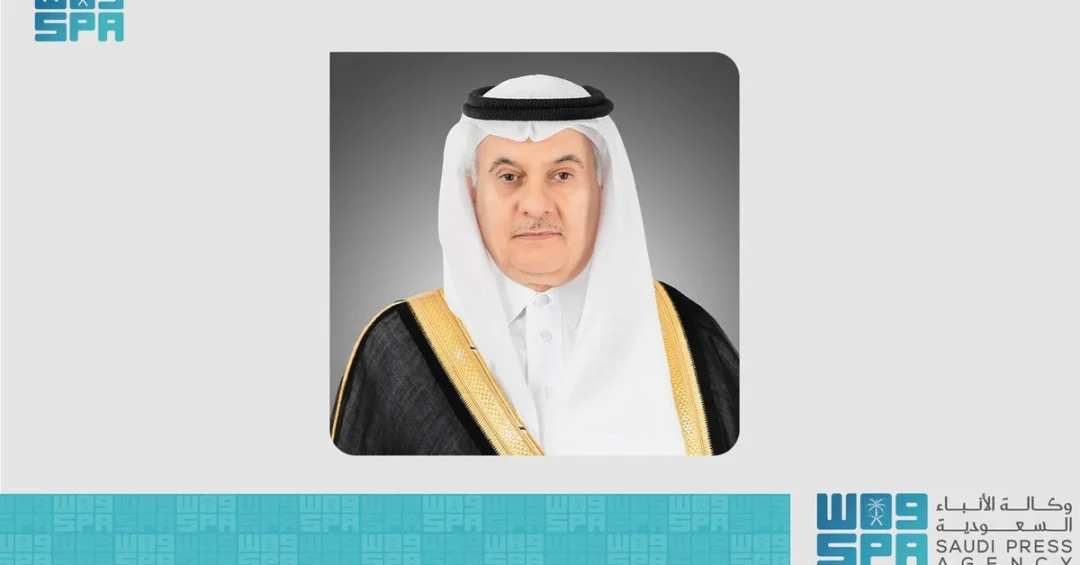
Saudi Arabia’s Minister of Environment, Water and Agriculture, Abdulrahman Alfadley, announced a comprehensive national volunteer strategy beginning in 2025 that aims to empower 500,000 volunteers, unveiled during International Volunteer Day celebrations held alongside the sixteenth session of the Conference of the Parties (COP16) of the United Nations Convention to Combat Desertification (UNCCD) in Riyadh. The announcement, released through official Saudi channels including the Saudi Press Agency, underscores the Kingdom’s determination to transform environmental volunteerism into a structured, high-impact pillar of national sustainable development. The strategy is designed to raise environmental awareness, organize volunteer efforts, provide tools and opportunities for participants, and foster a lasting volunteer culture dedicated to protecting the environment.
The timing of the announcement is significant. COP16, which Saudi Arabia hosted in Riyadh in December 2024, brought together global delegations to address land degradation, desertification, and drought. By aligning the launch of the volunteer strategy with this international gathering, the Kingdom signaled that its environmental commitments extend beyond diplomatic pledges into grassroots mobilization. The strategy is not merely a campaign but a multi-year framework intended to institutionalize volunteerism across the environmental sector, linking citizen participation directly to the objectives of Saudi Vision 2030 and the United Nations Sustainable Development Goals.
Context and Background
How did Saudi Arabia arrive at a point where a single volunteer strategy could aim to mobilize half a million people? The answer lies in a decade of deliberate institution-building. The National Volunteer Portal, managed under the Kingdom’s official volunteering framework, now hosts more than 8,000 registered entities and has logged over 59 million volunteer hours alongside more than 400,000 volunteer opportunities. These figures reflect a rapid expansion of the nonprofit and civic sector, supported by policies that treat volunteering as a measurable contributor to social and economic development rather than an informal activity.
Minister Alfadley, who also chairs COP16, has consistently framed environmental volunteerism as a cornerstone of the Kingdom’s sustainability agenda. Speaking during the International Volunteer Day celebration in Riyadh, he acknowledged the pivotal role of the non-profit sector as a foundation for a cohesive society and a vital pathway to sustainable development. He noted that Saudi Vision 2030 has positioned the nonprofit sector as a developmental priority, resulting in a comprehensive system of policies and initiatives aimed at maximizing its social and economic impact and enhancing its ability to address modern developmental challenges.
The Ministry of Environment, Water and Agriculture has itself become a central hub for this activity. More than 400 non-profit organizations operate under its umbrella, contributing to various developmental and social fields and achieving growth that surpasses Vision 2030 targets. In 2024 alone, over 133,000 volunteers participated in initiatives under the ministry’s system, generating an economic return exceeding SAR65 million. This economic dimension is crucial: it demonstrates that volunteer time, when organized and standardized, produces tangible value for the national economy while addressing environmental priorities such as afforestation, water conservation, and desertification control.
Key Details of the 2025 Volunteer Strategy
What exactly does the 2025 strategy entail, and how will it reach 500,000 volunteers? According to the official announcement, the strategy rests on four key pillars. The first is raising environmental awareness, which involves educating the public about conservation, sustainable water use, and the risks of land degradation. The second is organizing volunteer efforts, ensuring that opportunities are matched with skills and that projects are coordinated across regions. The third is providing tools and opportunities, which includes training, logistical support, and digital platforms for registration and tracking. The fourth is fostering a sustainable volunteer culture, embedding environmental stewardship into schools, universities, workplaces, and community organizations.
The ministry has also strengthened and standardized volunteer practices across its branches, organizations, and charity associations in line with the Saudi National Volunteering Standards. This standardization is essential for scaling. Without common metrics, training requirements, and safety protocols, large-scale mobilization can become fragmented. By applying national standards, the ministry ensures that volunteers receive consistent guidance and that their contributions are recognized and recorded through the National Volunteer Portal.
The target of 500,000 volunteers is ambitious but grounded in existing momentum. The portal already lists over 400,000 volunteer opportunities, and the 133,000 volunteers who participated in ministry-affiliated initiatives in 2024 provide a baseline. The 2025 strategy aims to expand this base by reaching new demographics, including youth, women, and residents, while deepening engagement among existing volunteers. The economic return of SAR65 million in 2024 offers a benchmark for measuring the strategy’s impact in subsequent years, though the broader value will also be social and environmental.
International and Regional Impact
How does Saudi Arabia’s volunteer push resonate beyond its borders? As the host of COP16 and the chair of its proceedings, the Kingdom has positioned itself as a bridge between global environmental policy and regional action. The UNCCD estimates that land degradation affects billions of hectares worldwide, with the Middle East among the most vulnerable regions. By mobilizing hundreds of thousands of volunteers for tree planting, soil restoration, and water conservation, Saudi Arabia can contribute directly to the convention’s objectives while setting an example for neighboring countries.
Regional cooperation is already embedded in the Kingdom’s environmental diplomacy. The Saudi Green Initiative and the Middle East Green Initiative, both launched under Vision 2030, aim to plant billions of trees and reduce carbon emissions across the region. Volunteers are the human engine of these programs. When a volunteer in Riyadh plants a native tree or a volunteer in Jazan restores a mangrove site, they are participating in a regional effort that spans borders. The 2025 strategy therefore has implications not only for Saudi Arabia’s domestic environmental record but also for its standing as a credible global partner on climate and land issues.
International organizations have welcomed the Kingdom’s emphasis on volunteerism as a complement to policy and investment. The United Nations Volunteers program and other bodies have long argued that volunteer action accelerates the achievement of the Sustainable Development Goals, particularly those related to water, land, and biodiversity. Saudi Arabia’s strategy aligns with this global consensus, offering a model of how a country can institutionalize volunteerism at scale while maintaining cultural and religious values that encourage charitable work.
Economic and Strategic Significance
Why does volunteerism matter economically, and what strategic advantages does it confer? The SAR65 million economic return from 2024 volunteer activities is a conservative estimate of value, capturing direct outputs such as labor hours and project savings. The strategic significance extends further. A large, trained volunteer base enhances national resilience by creating a pool of people who can respond to environmental emergencies, support conservation projects, and advocate for sustainable practices in their communities. It also reduces the cost of implementing environmental programs, allowing government funds to be directed toward infrastructure and research.
Moreover, volunteerism supports the diversification of the Saudi economy by strengthening the nonprofit sector, which is a key component of Vision 2030’s social and economic reforms. The nonprofit sector creates jobs, fosters social entrepreneurship, and builds trust between citizens and institutions. When 400 non-profit organizations operate under the Ministry of Environment, Water and Agriculture’s umbrella, they form a network that can deliver services, conduct research, and mobilize communities in ways that centralized agencies cannot. The 2025 strategy will further professionalize this network by linking volunteers to training, certification, and leadership opportunities.
The economic participation of women and youth is another strategic dimension. Vision 2030 aims to increase women’s participation in the workforce and expand opportunities for young people. Volunteerism serves as a gateway to both, offering experience, networking, and skills development. By targeting 500,000 volunteers, the strategy implicitly commits to inclusive outreach, ensuring that environmental action becomes a shared national endeavor rather than a niche activity.
Vision 2030 Alignment
How does the 2025 volunteer strategy fit into the broader architecture of Saudi Vision 2030? Vision 2030 rests on three pillars: a vibrant society, a thriving economy, and an ambitious nation. Environmental volunteerism touches all three. A vibrant society benefits from civic engagement and a cleaner environment. A thriving economy gains from cost-effective environmental programs and a stronger nonprofit sector. An ambitious nation demonstrates its capacity to organize, innovate, and lead on global challenges such as desertification and climate change.
The strategy also reinforces the Kingdom’s commitment to the Sustainable Development Goals, particularly Goal 15 on life on land and Goal 17 on partnerships. By empowering 500,000 volunteers, Saudi Arabia is investing in human capital and social cohesion, two assets that no amount of infrastructure can replace. The Ministry of Environment, Water and Agriculture, under Minister Abdulrahman Alfadley’s leadership, has made volunteerism a measurable component of its environmental portfolio, setting targets, tracking hours, and reporting economic returns. This data-driven approach reflects the professionalism that Vision 2030 demands.
Looking ahead, the success of the 2025 strategy will depend on sustained coordination among government agencies, nonprofit organizations, educational institutions, and the private sector. The National Volunteer Portal will serve as the digital backbone, while the Saudi National Volunteering Standards will ensure quality. If the Kingdom reaches its target of 500,000 empowered volunteers, it will not only advance its environmental goals but also set a benchmark for the region. The world is watching how Saudi Arabia translates its COP16 presidency into lasting action, and the volunteer strategy is a clear answer: the Kingdom intends to mobilize its people, protect its land, and contribute to a sustainable future for all.
20 Questions
Q1. What did Minister Abdulrahman Alfadley announce regarding volunteers?
A1. He announced a comprehensive volunteer strategy beginning in 2025 that aims to empower 500,000 volunteers through environmental awareness, organized efforts, tools and opportunities, and a sustainable volunteer culture.
Q2. When and where was the announcement made?
A2. The announcement was made during International Volunteer Day celebrations in Riyadh in December 2024, coinciding with the sixteenth session of the Conference of the Parties (COP16) of the UNCCD.
Q3. What are the key pillars of the 2025 volunteer strategy?
A3. The strategy rests on four pillars: raising environmental awareness, organizing volunteer efforts, providing tools and opportunities for volunteers, and fostering a sustainable volunteer culture to protect the environment.
Q4. How many entities are registered on the National Volunteer Portal?
A4. The National Volunteer Portal now includes over 8,000 registered entities, with more than 59 million volunteer hours logged and over 400,000 volunteer opportunities available.
Q5. How many volunteers participated in ministry initiatives in 2024?
A5. In 2024, over 133,000 volunteers participated in initiatives under the Ministry of Environment, Water and Agriculture’s system, generating an economic return exceeding SAR65 million.
Q6. What role does the non-profit sector play according to the minister?
A6. The minister described the non-profit sector as a cornerstone for building a cohesive society and a vital pathway to achieving sustainable development, with Vision 2030 positioning it as a developmental priority.
Q7. How many non-profit organizations operate under the ministry’s umbrella?
A7. More than 400 non-profit organizations operate under the ministry’s umbrella, contributing to various developmental and social fields and achieving growth surpassing Vision 2030 targets.
Q8. What are the Saudi National Volunteering Standards?
A8. They are standardized practices that the ministry has applied across its branches, organizations, and charity associations to ensure consistent quality, training, and recognition for volunteers nationwide.
Q9. Why is COP16 relevant to the volunteer strategy?
A9. COP16 focuses on combating desertification and land degradation, and the volunteer strategy directly supports these goals by mobilizing people for tree planting, soil restoration, and water conservation.
Q10. What economic return did volunteer activities generate in 2024?
A10. Volunteer activities under the ministry’s system generated an economic return exceeding SAR65 million in 2024, demonstrating the tangible value of organized volunteerism.
Q11. How does the strategy support Saudi Vision 2030?
A11. It supports Vision 2030 by strengthening a vibrant society, a thriving economy, and an ambitious nation through civic engagement, nonprofit growth, and leadership on global environmental challenges.
Q12. What is the target number of volunteers for the 2025 strategy?
A12. The strategy aims to empower 500,000 volunteers, expanding on the existing base of over 133,000 who participated in ministry initiatives in 2024.
Q13. How will the strategy reach new volunteers?
A13. It will use the National Volunteer Portal, partnerships with nonprofits and educational institutions, and awareness campaigns to recruit youth, women, and residents across all regions of the Kingdom.
Q14. What environmental issues will volunteers address?
A14. Volunteers will address desertification, land degradation, water conservation, afforestation, and broader environmental protection in line with the UNCCD and Saudi Green Initiative objectives.
Q15. How does volunteerism benefit the Saudi economy?
A15. It reduces program costs, strengthens the nonprofit sector, creates jobs, fosters social entrepreneurship, and builds a skilled workforce, all of which support economic diversification under Vision 2030.
Q16. What is the significance of the 59 million volunteer hours logged?
A16. The 59 million hours represent a massive cumulative investment of time and skills, reflecting a mature volunteering ecosystem and providing a foundation for scaling to 500,000 volunteers.
Q17. How does the strategy promote women’s and youth participation?
A17. By offering training, certification, and leadership opportunities, the strategy creates pathways for women and youth to gain experience, networks, and skills that align with Vision 2030’s inclusiveness goals.
Q18. What role do educational institutions play in the strategy?
A18. Schools and universities will help embed environmental stewardship and volunteerism into curricula and student activities, fostering a culture of service from an early age.
Q19. How will success be measured?
A19. Success will be measured through the National Volunteer Portal’s data on registered volunteers, hours logged, opportunities filled, and economic return, alongside environmental indicators such as trees planted and land restored.
Q20. What message does this strategy send internationally?
A20. It signals that Saudi Arabia is translating its COP16 presidency and Vision 2030 commitments into grassroots action, offering a regional model for mobilizing citizens to combat desertification and protect the environment.
Reader Feedback
We value your thoughts. Please share your feedback on this article.
Your feedback helps us improve our coverage.
Related articles
 Saudi Weather Forecast for Friday: Winds, Rain, and Fog
 Saudi $49.8M Projects Aid People with Disabilities
 Crown Prince Congratulates Finland on Independence Day
 King Salman Congratulates Finland President on Independence Day
 King Salman Congratulates Namibia’s President-Elect
 Royal Court Announces Death of Princess Najlaa bint Saad