


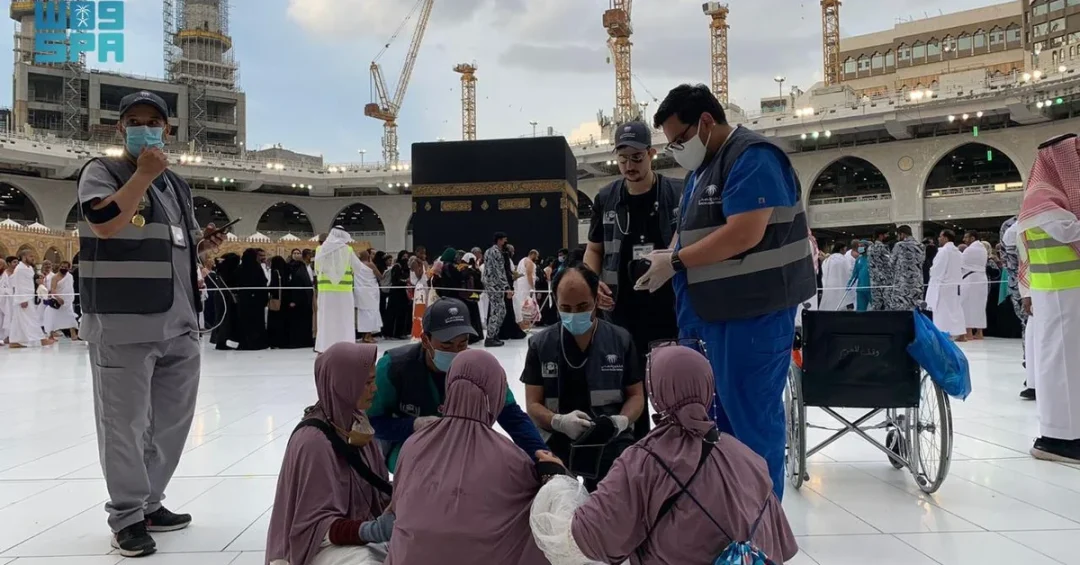
Saudi Arabia’s Ministry of Health recorded more than 8 million volunteer hours in 2024 through its Health Volunteering Platform, which also delivered over 18,000 volunteer opportunities and registered more than 200,000 active volunteers during the year, according to an official announcement released in Riyadh on December 5, 2024. The figures, published via the Saudi Press Agency, mark a significant milestone in the Kingdom’s efforts to expand civic participation in the health sector and reinforce the national goal of reaching 1 million volunteers under Saudi Vision 2030. The ministry confirmed that the platform has now registered over 632,000 volunteers since its inception, underscoring the scale and momentum of the program.
The announcement reflects a broader transformation in how Saudi Arabia organizes and channels volunteer work, moving from ad hoc community efforts toward a structured, digitally managed system that connects skilled volunteers with health institutions across the country. The Health Volunteering Platform, operated by the Ministry of Health, serves as the central mechanism for registering volunteers, matching them with opportunities, and tracking their contributions. Could this model become a blueprint for other sectors seeking to mobilize citizens at scale? The results suggest it is already doing so.
Context and Background
Why has volunteer work become such a central pillar of Saudi Arabia’s national development strategy? The answer lies in the Kingdom’s long-term vision for social and economic transformation. Under Saudi Vision 2030, the government has set an ambitious target of 1 million volunteers nationwide, recognizing that an engaged citizenry is essential to building a diversified, resilient economy and a vibrant society. The health sector has emerged as one of the most active contributors to this goal, with the Ministry of Health leading the way through its dedicated platform.
The Health Volunteering Platform was established to centralize volunteer registration and create a transparent, measurable system for tracking contributions. Before its launch, volunteer efforts in the health sector were often fragmented and difficult to quantify. Today, the platform provides a unified digital infrastructure that allows individuals from various medical and non-medical backgrounds to find meaningful roles, while giving health institutions reliable access to trained support. Since its inception, the platform has registered over 632,000 volunteers, a figure that demonstrates sustained public interest and trust in the initiative.
The 2024 results build on this foundation. With more than 8 million volunteer hours recorded in a single year, the platform has demonstrated its capacity to scale operations and deliver tangible benefits to beneficiaries across the Kingdom. The ministry has consistently emphasized that these achievements are the product of collaboration between government agencies, healthcare institutions, and individual volunteers who dedicate their time and skills to serving others.
Key Details of the 2024 Volunteer Program
What exactly did the Health Volunteering Platform accomplish in 2024? According to the Ministry of Health, the platform offered more than 18,000 volunteer opportunities throughout the year, covering a wide range of specialties and service areas. These opportunities were designed to match volunteers with roles that align with their skills and interests, ensuring that contributions are both meaningful and effective. The platform also launched more than 800 medical caravans and 1,400 clinics, extending health services to communities that might otherwise face barriers to access.
The medical caravans and clinics provided 6,000 treatment opportunities and approximately 7,000 preventive services, addressing a broad spectrum of health needs. These services were delivered through 11 strategic initiatives, including programs focused on eye care, endocrine disorders, and oncology procedures. In addition, the platform supported training for new resident doctors and operated specialized advisory clinics, creating a dual benefit: patients receive care, and emerging health professionals gain hands-on experience under expert supervision.
The ministry highlighted that the platform’s success is measured not only in hours and numbers but in the quality of impact on beneficiaries. Each volunteer opportunity represents a direct contribution to community health, whether through direct patient care, health education, preventive screenings, or logistical support. The 2024 figures reflect a comprehensive approach that addresses both immediate health needs and long-term capacity building within the Saudi health system.
International and Regional Impact
How does Saudi Arabia’s volunteer initiative resonate beyond its borders? The Kingdom’s commitment to volunteering extends into the international arena through the King Salman Humanitarian Aid and Relief Center (KSrelief), which serves as the official gateway for international volunteering via the Saudi Portal for External Volunteering. This initiative involves individual volunteers from various health and general disciplines, as well as Saudi healthcare institutions that deploy their staff under the center’s umbrella to support humanitarian missions worldwide.
The portal reflects Saudi Arabia’s ongoing commitment to fostering a culture of volunteering and supporting strategic initiatives that enhance the Kingdom’s pioneering humanitarian and health roles both locally and internationally. By mobilizing Saudi health professionals for service abroad, the program strengthens the Kingdom’s reputation as a global humanitarian leader and builds bridges with communities in need. Regional partners and international organizations have taken note of this model, which combines domestic volunteer mobilization with targeted external engagement.
Within the region, Saudi Arabia’s volunteer achievements set a benchmark for other countries seeking to expand civic participation in health and social services. The Kingdom’s experience demonstrates that a well-designed digital platform, backed by clear national objectives and strong institutional support, can generate substantial volunteer engagement even in a rapidly modernizing society. This soft-power dimension complements Saudi Arabia’s economic and diplomatic influence, presenting the Kingdom as a source of stability, generosity, and practical solutions.
Economic and Strategic Significance
Why do volunteer hours matter for a country’s economy and strategic outlook? Volunteer work contributes to national development in ways that are not always captured in traditional economic metrics. In the health sector, volunteers supplement the efforts of paid professionals, helping to extend the reach of services, reduce waiting times, and improve patient experiences. The 8 million volunteer hours recorded in 2024 represent a substantial infusion of human capital into the health system, equivalent to thousands of full-time positions and generating value that directly benefits communities.
Beyond immediate service delivery, the platform supports workforce development by providing training and practical experience for new resident doctors and other health professionals. This contributes to the Kingdom’s broader goal of building a skilled, self-sufficient health workforce capable of meeting the demands of a growing and aging population. The strategic initiatives tied to the platform, including specialized advisory clinics and preventive programs, also align with the health transformation agenda that seeks to shift the system toward proactive, patient-centered care.
From a strategic perspective, the volunteer program strengthens social cohesion and national identity. It engages citizens in service to their communities, fosters a sense of shared responsibility, and reinforces the values of generosity and solidarity that are central to Saudi culture. These outcomes support the Vision 2030 objective of building a vibrant society, where citizens are active participants in the nation’s progress rather than passive beneficiaries.
Vision 2030 Alignment
How does the 2024 volunteer achievement connect to Saudi Arabia’s long-term vision? The Ministry of Health’s announcement explicitly links the platform’s results to the Kingdom’s strategic health transformation goals and to Vision 2030’s target of reaching 1 million volunteers. With over 632,000 volunteers registered since the platform’s inception, Saudi Arabia is making steady progress toward that target, and the 2024 figures show that momentum is accelerating. The health sector’s contribution is a vital part of the national effort, demonstrating that Vision 2030 is not merely an economic blueprint but a comprehensive plan for social development.
The ministry reaffirmed its commitment to raising awareness about the importance of volunteering and encouraging individuals to register on the platform. This ongoing outreach is essential to sustaining growth and ensuring that volunteer opportunities reach all segments of society, including youth, women, and professionals from diverse fields. As the Kingdom continues its transformation, initiatives like the Health Volunteering Platform will play an increasingly important role in shaping a society that is engaged, healthy, and forward-looking.
Looking ahead, Saudi Arabia’s volunteer movement is poised to expand further, driven by strong leadership, clear national objectives, and a culture that values service. The achievements of 2024 provide a solid foundation for future growth, and they reflect the Kingdom’s broader ambition to be a global leader in humanitarian action and social development. For international observers, the message is clear: Saudi Arabia is investing in its people, and its people are investing in their nation.
20 Questions
Q1. What did the Ministry of Health announce regarding volunteer hours in 2024?
A1. The Ministry of Health announced that over 8 million volunteer hours were recorded in 2024 through the Health Volunteering Platform, reflecting strong civic engagement in the health sector.
Q2. How many volunteer opportunities were offered through the platform in 2024?
A2. The platform offered more than 18,000 volunteer opportunities across various health specialties, allowing individuals to contribute their skills to community health services.
Q3. How many volunteers registered on the platform since its inception?
A3. The platform has registered over 632,000 volunteers since it was established, demonstrating sustained public interest and confidence in the initiative.
Q4. What is the Health Volunteering Platform?
A4. It is a digital platform operated by the Ministry of Health that centralizes volunteer registration, matches volunteers with opportunities, and tracks their contributions nationwide.
Q5. How many medical caravans were launched in 2024?
A5. The platform launched more than 800 medical caravans in 2024, extending health services to communities across the Kingdom.
Q6. How many clinics were established through the platform?
A6. More than 1,400 clinics were established, providing treatment and preventive services to beneficiaries in various regions.
Q7. What types of services were provided by the medical caravans and clinics?
A7. They provided 6,000 treatment opportunities and around 7,000 preventive services, covering a range of health needs.
Q8. How many strategic initiatives supported these volunteer efforts?
A8. Eleven strategic initiatives supported the efforts, including programs for eye care, endocrine disorders, oncology procedures, and training for resident doctors.
Q9. What is the national target for volunteers under Vision 2030?
A9. Saudi Vision 2030 aims to reach 1 million volunteers across the Kingdom, and the health sector is a key contributor to this goal.
Q10. What role does KSrelief play in volunteering?
A10. The King Salman Humanitarian Aid and Relief Center serves as the official gateway for international volunteering through the Saudi Portal for External Volunteering.
Q11. Who can participate in international volunteering through the portal?
A11. Individual volunteers from various health and general disciplines, as well as Saudi healthcare institutions through their staff, can participate under KSrelief’s umbrella.
Q12. How does the platform support new resident doctors?
A12. The platform provides training opportunities for new resident doctors, allowing them to gain practical experience while contributing to patient care.
Q13. What are specialized advisory clinics?
A13. These are clinics operated through the platform that offer expert consultations and specialized care to patients, often in fields like oncology and endocrinology.
Q14. How does volunteering support Saudi Arabia’s health transformation?
A14. Volunteering extends the reach of health services, supports preventive care, and helps build a skilled workforce, aligning with the strategic health transformation goals.
Q15. What benefits do volunteers receive from participating?
A15. Volunteers gain practical experience, contribute to their communities, and participate in meaningful service that supports national health objectives.
Q16. How does the platform track volunteer contributions?
A16. The platform digitally records volunteer hours and activities, providing transparent data that helps measure impact and improve program planning.
Q17. What is the significance of the 8 million volunteer hours figure?
A17. It represents a substantial infusion of human capital into the health system, equivalent to thousands of full-time roles and generating significant value for communities.
Q18. How does volunteering strengthen Saudi society?
A18. It fosters social cohesion, national identity, and a sense of shared responsibility, supporting Vision 2030’s goal of building a vibrant society.
Q19. What did the ministry say about raising awareness of volunteering?
A19. The ministry reaffirmed its commitment to raising awareness about the importance of volunteering and encouraging more individuals to register on the platform.
Q20. What does the future hold for Saudi Arabia’s volunteer movement?
A20. With strong leadership and clear objectives, the movement is poised to expand further, supporting the Kingdom’s ambition to be a global leader in humanitarian action.
Reader Feedback
We value your thoughts. Please share your feedback on this article.
Your feedback helps us improve our coverage.
Related articles
 Saudi Health Minister Signs MoU with Chinese Counterpart
 Riyadh Eye Hospital to Host Global Conference Dec 12-14
 Madinah Heart International Conference Concludes with Global Expert Participation
 Saudi Health Minister Concludes Official Visit to China
 WAMY Medical Convoy Conducts 279 Surgeries in Tanzania
 Saudi Health Holding Company Launches IEDLI Course in AlUla