


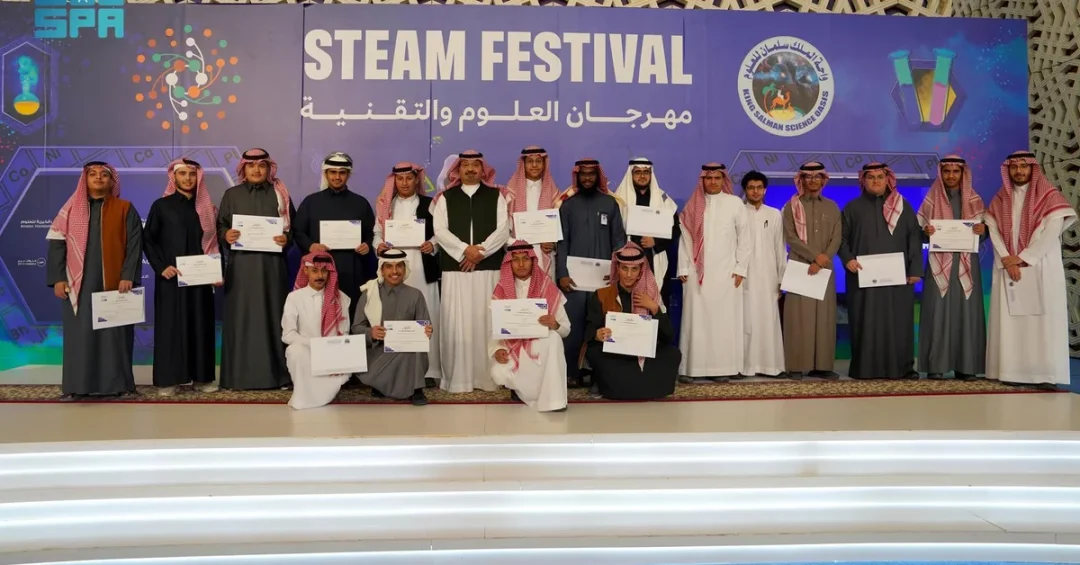
King Salman Science Oasis (KSSO) marked Saudi International Volunteer Day on December 5, 2024, announcing that more than 1,000 volunteers participated in its programs and initiatives throughout the year, according to the Saudi Press Agency (SPA). The Riyadh-based institution joined the Kingdom in observing the annual occasion under the theme “A Generous Society,” a celebration that reflects the growing culture of civic participation across Saudi Arabia and the institutional support that volunteerism now receives from the nation’s leadership.
The milestone announcement underscores how far Saudi Arabia’s volunteer sector has developed as part of the broader social transformation underway in the Kingdom. KSSO’s achievement was made possible through strategic partnerships with a diverse group of public, private, academic, and nonprofit entities, including King Abdulaziz City for Science and Technology, Prince Sultan University, the Saudi Red Crescent Authority, the General Administration of Education in Riyadh, the IEN Educational Channels Network, the Saudi National Commission for Education, Culture, and Science, the General Authority for Awqaf, Microsoft Arabia, and the Charity Society for Orphan Care in Riyadh (Insan). This coalition of partners illustrates the collaborative model that has become a hallmark of Saudi Arabia’s Vision 2030 social programs, where government bodies, educational institutions, and private companies pool resources to advance national objectives. Isn’t it remarkable how volunteerism has become a unifying national project in the Kingdom?
Context and Background
What does it mean for a nation to dedicate an official day to volunteerism? Saudi International Volunteer Day, observed annually on December 5, serves as a national platform to recognize the contributions of volunteers and to encourage broader participation in community service. The occasion aligns with the United Nations’ International Volunteer Day, but Saudi Arabia has adapted the commemoration to reflect its own cultural values of generosity, solidarity, and social responsibility, which are deeply rooted in the Kingdom’s heritage and Islamic traditions.
King Salman Science Oasis has emerged as a leading institution in this space, operating as a scientific and educational hub in Riyadh that engages the public through exhibitions, workshops, and interactive learning experiences. Its volunteer programs are designed not only to support the institution’s activities but also to cultivate a sense of civic duty among participants, particularly young Saudis who are seeking meaningful ways to contribute to their communities. The organization’s approach emphasizes structured, sustainable volunteering rather than one-off events, ensuring that volunteers receive training, mentorship, and clear pathways to long-term engagement.
The emphasis on sustainability and organization reflects lessons learned from global volunteer management best practices, adapted to the Saudi context. By partnering with entities such as the Saudi Red Crescent Authority and the General Authority for Awqaf, KSSO ensures that its volunteers are exposed to a range of social causes, from emergency response to community welfare and educational outreach. This cross-sector collaboration also helps KSSO reach diverse segments of society, including students, professionals, retirees, and youth groups. How often do we see volunteer efforts organized with such strategic precision and long-term vision?
Key Details
The numbers tell a compelling story. KSSO provided opportunities for over 1,000 volunteers to participate in its programs and initiatives throughout 2024, a figure that reflects both the institution’s capacity to absorb willing participants and the public’s growing appetite for service. These volunteers contributed across a variety of roles, including guiding visitors through science exhibitions, assisting with educational workshops, supporting administrative functions, and participating in community outreach activities organized in collaboration with partner entities.
The partnerships that enabled this achievement are notable for their breadth. King Abdulaziz City for Science and Technology, Saudi Arabia’s premier research institution, brings scientific credibility and technical expertise. Prince Sultan University provides academic support and access to student volunteers. The Saudi Red Crescent Authority offers training in first aid and emergency response, while the General Administration of Education in Riyadh helps connect KSSO with schools and youth groups. The IEN Educational Channels Network extends the reach of KSSO’s programs through broadcast and digital media, and the Saudi National Commission for Education, Culture, and Science links the initiative to national and international educational frameworks.
Additional partners include the General Authority for Awqaf, which supports the organizational infrastructure of charitable work; Microsoft Arabia, which contributes technological resources and digital skills training; and the Charity Society for Orphan Care in Riyadh (Insan), which brings a focus on vulnerable populations. Together, these partners represent a microcosm of Saudi Arabia’s collaborative ecosystem, where public and private actors align their efforts around shared social goals. What other sectors could benefit from such a coordinated approach to volunteer mobilization?
International and Regional Impact
Saudi Arabia’s investment in volunteerism carries significance beyond its borders. As the Kingdom positions itself as a global leader in humanitarian and development work, its domestic volunteer programs serve as a demonstration of soft power and social responsibility. The KSSO initiative, with its emphasis on science education and community engagement, aligns with international priorities such as the United Nations Sustainable Development Goals, particularly those related to quality education, partnerships for the goals, and sustainable communities.
Regionally, Saudi Arabia’s volunteer sector has the potential to inspire similar initiatives across the Gulf and the broader Middle East. By showcasing a model that combines government support, private-sector partnership, and grassroots participation, the Kingdom offers a template that other nations can adapt to their own cultural and institutional contexts. The theme “A Generous Society” resonates across the Arab world, where traditions of charity and mutual aid are deeply embedded. How might this Saudi model influence volunteerism trends in neighboring countries over the coming decade?
Economic and Strategic Significance
Volunteerism is not merely a social good; it also has economic and strategic dimensions. A robust volunteer sector can complement public services, enhance social cohesion, and build human capital by giving participants valuable skills and experience. For Saudi Arabia, which is diversifying its economy under Vision 2030, the development of a skilled, engaged, and civic-minded population is a strategic asset. Volunteers who gain experience in event management, education, healthcare support, and technology through programs like those at KSSO are better prepared to contribute to the workforce and to entrepreneurial ventures.
Moreover, the partnership model employed by KSSO demonstrates how corporations and government entities can fulfill their social responsibility objectives while advancing national priorities. Microsoft Arabia’s involvement, for example, not only supports KSSO’s digital infrastructure but also helps bridge the digital divide by training volunteers and beneficiaries in technology skills. Such collaborations can yield long-term economic benefits by fostering innovation, improving service delivery, and strengthening the social contract between institutions and the communities they serve. Isn’t it clear that volunteerism, when strategically organized, is an investment rather than a cost?
Vision 2030 Alignment
The KSSO initiative is directly aligned with the goals of Saudi Vision 2030, the Kingdom’s comprehensive reform plan launched by Crown Prince Mohammed bin Salman. Vision 2030 includes specific targets for increasing volunteer participation, aiming to reach one million volunteers by the end of 2030. KSSO’s stated goal of contributing to that national target reflects its role as a key player in the Vision 2030 social transformation agenda. The emphasis on structured, sustainable volunteerism also supports the Vision’s objectives of enhancing quality of life, promoting social responsibility, and building a vibrant society.
As Saudi Arabia continues its journey toward 2030, institutions like King Salman Science Oasis will remain essential in translating national ambitions into community-level action. The celebration of Saudi International Volunteer Day is not just a moment of recognition but a reaffirmation of the Kingdom’s commitment to fostering a culture of giving that spans generations. With strong leadership, effective partnerships, and a growing base of dedicated volunteers, Saudi Arabia is well on its way to achieving its ambitious volunteer targets. What better way to build a nation than by empowering its people to serve one another?
20 Questions
Q1. What is Saudi International Volunteer Day?
A1. Saudi International Volunteer Day is an annual observance on December 5 that recognizes the contributions of volunteers across the Kingdom and encourages community service, aligning with global celebrations of volunteerism.
Q2. What was the theme for this year’s Saudi International Volunteer Day?
A2. The theme was “A Generous Society,” reflecting Saudi Arabia’s cultural values of generosity, solidarity, and social responsibility toward community development.
Q3. How many volunteers participated in King Salman Science Oasis programs in 2024?
A3. More than 1,000 volunteers participated in KSSO’s programs and initiatives throughout 2024, according to the Saudi Press Agency.
Q4. What is King Salman Science Oasis?
A4. King Salman Science Oasis is a scientific and educational institution in Riyadh that engages the public through exhibitions, workshops, and interactive learning experiences.
Q5. Which partners collaborated with King Salman Science Oasis?
A5. Partners include King Abdulaziz City for Science and Technology, Prince Sultan University, Saudi Red Crescent Authority, General Administration of Education in Riyadh, and others.
Q6. What is the goal for volunteer numbers by 2030?
A6. King Salman Science Oasis aims to contribute to the national goal of reaching one million volunteers by the end of 2030, as part of Vision 2030.
Q7. How does KSSO promote a culture of volunteerism?
A7. KSSO promotes volunteerism through a well-structured and sustainable approach that encourages community engagement, organization, and empowerment.
Q8. What role does Microsoft Arabia play in KSSO’s volunteer programs?
A8. Microsoft Arabia contributes technological resources and digital skills training, helping to bridge the digital divide and support KSSO’s digital infrastructure.
Q9. What is the significance of the Saudi Red Crescent Authority’s involvement?
A9. The Saudi Red Crescent Authority offers training in first aid and emergency response, enhancing the skills of volunteers and supporting community safety.
Q10. How does KSSO’s initiative align with Vision 2030?
A10. It aligns with Vision 2030 by aiming to increase volunteer participation, enhance quality of life, promote social responsibility, and build a vibrant society.
Q11. What is the Charity Society for Orphan Care in Riyadh (Insan)?
A11. Insan is a nonprofit organization in Riyadh that cares for orphans and vulnerable populations, partnering with KSSO to extend volunteer support to these groups.
Q12. How does volunteerism contribute to Saudi Arabia’s economy?
A12. Volunteerism builds human capital, complements public services, enhances social cohesion, and prepares participants with skills valuable to the workforce.
Q13. What is the role of the General Authority for Awqaf in KSSO’s programs?
A13. The General Authority for Awqaf supports the organizational infrastructure of charitable work, helping to sustain and expand volunteer initiatives.
Q14. How does KSSO reach young Saudis?
A14. KSSO partners with the General Administration of Education in Riyadh and Prince Sultan University to connect with schools and youth groups.
Q15. What is the IEN Educational Channels Network?
A15. IEN Educational Channels Network is a media partner that extends the reach of KSSO’s programs through broadcast and digital media platforms.
Q16. What types of roles do KSSO volunteers fill?
A16. Volunteers guide visitors, assist with educational workshops, support administrative functions, and participate in community outreach activities.
Q17. How does KSSO ensure sustainable volunteering?
A17. KSSO emphasizes structured programs with training, mentorship, and clear pathways to long-term engagement, rather than one-off events.
Q18. What is the Saudi National Commission for Education, Culture, and Science?
A18. It is a national body that links educational initiatives to international frameworks and supports KSSO’s alignment with global standards.
Q19. How does volunteerism reflect Saudi cultural values?
A19. Volunteerism reflects Saudi Arabia’s deep-rooted traditions of generosity, solidarity, and mutual aid, which are central to its cultural and Islamic heritage.
Q20. What is the long-term vision for volunteerism in Saudi Arabia?
A20. The long-term vision is to foster a culture of giving across generations, reaching one million volunteers by 2030 and embedding service as a national value.
Reader Feedback
We value your thoughts. Please share your feedback on this article.
Your feedback helps us improve our coverage.
Related articles
 Saudi Arabia Hits One Million Volunteers Milestone
 Saudi Red Crescent Volunteers in Makkah Top 17,000 in 2024
 King Faisal University Students Shine at Jordan English Olympiad
 Saudi Scouts Promote Anti-Corruption Awareness, Integrity Culture
 Saudi Student Wins Bronze at Junior Science Olympiad
 WAMY Concludes Arabic Teacher Training in Balkans