


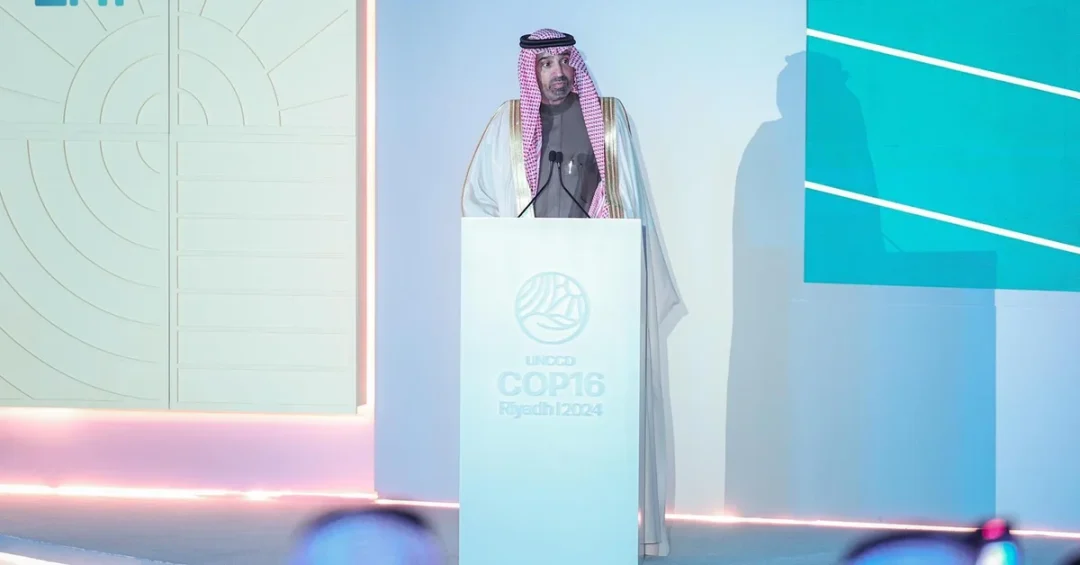
Saudi Arabia has reached one million volunteers, a milestone announced by Minister of Human Resources and Social Development Ahmed Al-Rajhi on the occasion of Saudi Volunteer Day, which coincides with International Volunteer Day on December 5. The announcement, made during a national event in Riyadh and reported by the Saudi Press Agency, confirms that the Kingdom has achieved a key Vision 2030 target six years ahead of schedule, underscoring the rapid expansion of organized volunteer work across the country.
What does it take for a nation to mobilize one million citizens in service of their communities? For Saudi Arabia, the answer lies in a coordinated national effort that brings together government ministries, nonprofit organizations, and the private sector under the umbrella of Vision 2030. The milestone reflects not only the generosity of Saudi volunteers but also the effectiveness of the institutional framework that has been built to channel that generosity into measurable social and economic impact.
Context and Background
How did Saudi Arabia transform volunteerism from a scattered, informal activity into a structured national movement? The journey began with the launch of Vision 2030 in 2016, which identified a vibrant civil society as essential to the Kingdom’s social and economic transformation. Among the Vision’s objectives was a commitment to increase the number of volunteers to one million by 2030, a goal that many observers initially considered ambitious given the absence of a centralized volunteering infrastructure.
The Ministry of Human Resources and Social Development, led by Minister Ahmed Al-Rajhi, was tasked with building that infrastructure. A key step was the creation of the National Platform for Volunteer Work, a digital hub that connects volunteers with opportunities across the Kingdom. The platform has since registered 2.1 million volunteers and 8,397 organizations, creating a transparent and accessible marketplace for civic engagement. This digital-first approach has made volunteering easier to find, track, and reward.
Another foundational element was the introduction of Saudi Volunteer Day, observed annually on December 5 to coincide with International Volunteer Day. The occasion has become a focal point for recognizing volunteers, sharing best practices, and announcing new initiatives. It also reinforces a culture of appreciation for service, which officials say is critical to sustaining long-term participation. The event where the one-million figure was announced included the presentation of national volunteer work awards to outstanding individuals and organizations.
Key Details of the Achievement
What do the latest figures reveal about the scale and impact of volunteering in Saudi Arabia? According to the official data released by the Ministry of Human Resources and Social Development, volunteer opportunities reached nearly 440,000 in 2024, with volunteers contributing more than 59 million hours of service. The economic value of those hours was estimated at SAR1.2 billion, a figure that highlights the tangible contribution of volunteers to the national economy.
Minister Al-Rajhi emphasized that the achievement was made possible by the strong support of the Saudi leadership, which has consistently encouraged volunteerism as a pillar of social development. He expressed appreciation to all volunteers for their dedication and thanked partners from the governmental, non-profit, and private sectors for their contributions in overcoming challenges. The minister also noted that the remarkable accomplishments of 2024 build on years of steady growth in volunteer participation.
The National Platform for Volunteer Work continues to play a central role in matching volunteers with opportunities. Its 2.1 million registered volunteers represent a deep pool of talent that can be mobilized for everything from environmental cleanups to educational programs and health campaigns. The 8,397 registered organizations include charities, community groups, and corporate social responsibility programs, reflecting a broad-based ecosystem that extends across all regions of the Kingdom. The platform also provides data that helps policymakers measure impact and identify gaps.
International and Regional Impact
How does Saudi Arabia’s volunteer milestone resonate beyond its borders? The Kingdom’s achievement arrives as countries around the world seek to strengthen civic participation and social cohesion. By reaching one million volunteers ahead of schedule, Saudi Arabia offers a model for how national leadership, digital innovation, and cross-sector collaboration can accelerate progress toward ambitious social goals. Regional neighbors and international organizations have taken note of the Kingdom’s approach, particularly its use of a unified digital platform to organize and track volunteer activity.
On the regional level, the milestone reinforces Saudi Arabia’s position as a leader in humanitarian and development efforts. Saudi volunteers have participated in relief campaigns, environmental initiatives, and community development projects that extend beyond the Kingdom’s borders. This aligns with the broader Saudi commitment to global stability and prosperity, which includes substantial foreign aid and humanitarian contributions. The volunteer movement also complements Saudi Arabia’s growing role in hosting major international events, where volunteers are often the face of the Kingdom to visiting delegations and tourists.
Internationally, the milestone contributes to the global conversation about the role of volunteers in achieving the United Nations Sustainable Development Goals. Volunteerism is recognized as a cross-cutting enabler of goals related to health, education, poverty reduction, and environmental sustainability. Saudi Arabia’s success in scaling up volunteer participation provides a case study for other nations looking to harness the energy of their citizens for social good. It also strengthens the Kingdom’s soft power by showcasing a society that is active, engaged, and forward-looking.
Economic and Strategic Significance
What is the economic value of one million volunteers? The SAR1.2 billion economic impact cited by the ministry represents the market value of the 59 million hours contributed by volunteers in 2024. This figure includes services that would otherwise require paid staff or public funding, such as tutoring, health screenings, environmental conservation, and community events. By mobilizing volunteers, Saudi Arabia is effectively expanding its capacity to deliver social services while fostering a culture of self-reliance and mutual support.
Strategically, the volunteer milestone supports several Vision 2030 objectives. It strengthens the nonprofit sector, which is a key partner in delivering social programs and promoting community development. It also builds social capital by connecting people from different backgrounds around shared goals. For young Saudis, volunteering offers opportunities to develop skills, gain experience, and contribute to their communities, which can enhance their employability and civic engagement. Women have also been active participants in the volunteer movement, reflecting the broader expansion of opportunities for women under Vision 2030.
The private sector has played a role as well, with companies integrating volunteerism into their corporate social responsibility strategies and encouraging employees to participate. This partnership approach ensures that volunteer efforts are aligned with national priorities and can be scaled efficiently. The Ministry of Human Resources and Social Development continues to work with partners to remove barriers to volunteering, such as regulatory hurdles or lack of awareness, and to create incentives that recognize outstanding service.
Vision 2030 Alignment
How does the one-million-volunteer milestone fit into the larger Vision 2030 narrative? Vision 2030 envisions a Saudi Arabia where citizens are empowered to contribute to their society and where the nonprofit sector is a vital force for good. The early achievement of the volunteer target demonstrates that the Kingdom’s reform agenda is not only about economic diversification but also about social transformation. It shows that Saudis are eager to participate in building their nation’s future, and that the right policies and platforms can unlock that energy.
As Saudi Arabia continues its journey toward Vision 2030, the volunteer movement is expected to grow further. The National Platform for Volunteer Work will likely expand its offerings, and new initiatives may target specific areas such as environmental sustainability, technology, and healthcare. The Kingdom’s leadership has made clear that volunteerism is a priority, and the recognition of volunteers through national awards signals that their contributions are valued. With one million volunteers already engaged, Saudi Arabia has set a strong foundation for a future in which civic participation is a defining feature of national life. The milestone is not just a number; it is a testament to the spirit of a nation on the move.
20 Questions
Q1. What milestone did Saudi Arabia announce on Saudi Volunteer Day?
A1. Saudi Arabia announced that the number of volunteers in the Kingdom reached one million, a target achieved six years ahead of the Vision 2030 schedule, according to the Ministry of Human Resources and Social Development.
Q2. Who made the announcement?
A2. The announcement was made by the Minister of Human Resources and Social Development, Ahmed Al-Rajhi, during an event marking Saudi Volunteer Day and International Volunteer Day in Riyadh.
Q3. When is Saudi Volunteer Day observed?
A3. Saudi Volunteer Day is observed on December 5 each year, coinciding with International Volunteer Day, to recognize and celebrate the contributions of volunteers across the Kingdom.
Q4. How many volunteer opportunities were available in 2024?
A4. According to the ministry, volunteer opportunities reached nearly 440,000 in 2024, providing diverse ways for citizens and residents to contribute their time and skills.
Q5. How many hours did volunteers contribute?
A5. Volunteers contributed more than 59 million hours of service in 2024, a substantial increase that reflects the growing popularity of volunteerism in Saudi society.
Q6. What was the economic impact of volunteer work?
A6. The economic impact of volunteer work was estimated at SAR1.2 billion, representing the value of services provided by volunteers that would otherwise require paid resources.
Q7. What is the National Platform for Volunteer Work?
A7. The National Platform for Volunteer Work is a digital hub that connects volunteers with opportunities and organizations, and it currently has 2.1 million registered volunteers and 8,397 registered organizations.
Q8. How many organizations are registered on the platform?
A8. There are 8,397 registered organizations on the National Platform for Volunteer Work, including charities, nonprofit groups, and corporate social responsibility programs across Saudi Arabia.
Q9. How does this achievement align with Vision 2030?
A9. The one-million-volunteer milestone is a key target of Vision 2030, which aims to build a vibrant civil society and increase civic participation as part of the Kingdom’s social transformation.
Q10. Was the target reached ahead of schedule?
A10. Yes, the target was achieved six years ahead of the original 2030 deadline, demonstrating the effectiveness of national policies and the enthusiasm of Saudi volunteers.
Q11. What role did the Saudi leadership play?
A11. The Saudi leadership has provided strong and continuous support for volunteer work, which Minister Al-Rajhi credited as a key factor in the remarkable accomplishments of 2024.
Q12. Who else was thanked for the achievement?
A12. Minister Al-Rajhi thanked partners from the governmental, non-profit, and private sectors for their invaluable contributions in supporting volunteer work and overcoming challenges.
Q13. What awards were presented at the event?
A13. The event concluded with the presentation of the national volunteer work awards to winners, recognizing outstanding contributions by individuals and organizations in the volunteering sector.
Q14. How does volunteering benefit the Saudi economy?
A14. Volunteering provides services that would otherwise cost money, such as education, health, and environmental work, thereby adding economic value and reducing the burden on public resources.
Q15. Can women participate in volunteering in Saudi Arabia?
A15. Yes, women are active participants in the volunteer movement, reflecting the broader expansion of opportunities for women under Vision 2030 and the Kingdom’s commitment to inclusive social development.
Q16. What types of volunteer opportunities are available?
A16. Opportunities range from environmental cleanups and educational tutoring to health campaigns, community events, and humanitarian relief, catering to a wide variety of skills and interests.
Q17. How can someone register as a volunteer?
A17. Interested individuals can register through the National Platform for Volunteer Work, which matches volunteers with opportunities based on their skills, location, and availability.
Q18. What is the significance of the one million figure?
A18. The one million figure represents a critical mass of civic engagement, showing that volunteerism has become a mainstream activity in Saudi society and a pillar of the Kingdom’s social fabric.
Q19. How does this milestone affect Saudi Arabia’s international image?
A19. It enhances Saudi Arabia’s reputation as a socially responsible and forward-looking nation, showcasing its commitment to global citizenship and the Sustainable Development Goals.
Q20. What is next for Saudi Arabia’s volunteer movement?
A20. The Kingdom aims to sustain and grow volunteer participation, with the National Platform expected to expand its reach and new initiatives targeting areas like sustainability, technology, and healthcare.
Reader Feedback
We value your thoughts. Please share your feedback on this article.
Your feedback helps us improve our coverage.
Related articles
 Saudi Red Crescent Volunteers in Makkah Top 17,000 in 2024
 King Faisal University Students Shine at Jordan English Olympiad
 Saudi Scouts Promote Anti-Corruption Awareness, Integrity Culture
 Saudi Student Wins Bronze at Junior Science Olympiad
 WAMY Concludes Arabic Teacher Training in Balkans
 480 Saudi Students Showcase Science at Ibdaa 2025