


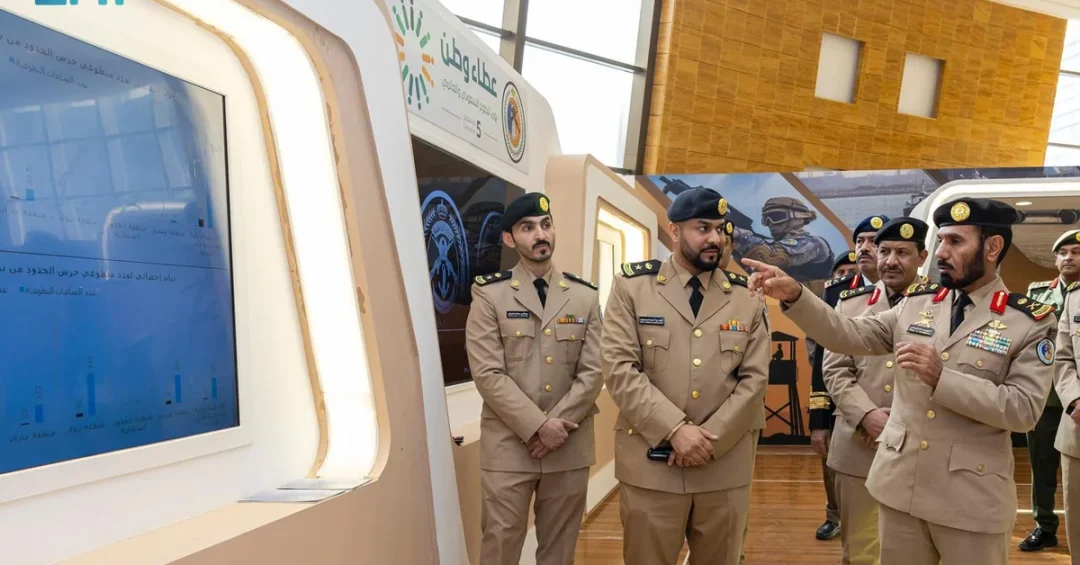
Major General Shaya bin Salem Al-Wadaani, Director General of the Saudi Border Guards, inaugurated the General Directorate of Border Guards exhibition in Riyadh on December 5, 2024, marking International Volunteer Day. The exhibition, held under the auspices of the Border Guards, showcases the directorate’s commitment to promoting volunteerism across the Kingdom and provides visitors with information on a wide range of volunteer opportunities available to communities. The event aligns with Saudi Arabia’s broader national efforts to foster a culture of giving and civic engagement, reflecting the values of solidarity and service that are central to the Kingdom’s social fabric.
The inauguration ceremony drew attention to the vital role that volunteerism plays in strengthening communities and supporting national development. By hosting this exhibition, the Border Guards not only celebrate the contributions of volunteers but also encourage more individuals to step forward and participate in initiatives that benefit society. This initiative is part of a larger national movement, supported by Saudi Vision 2030, which seeks to enhance the quality of life for all citizens and residents by promoting social responsibility and active citizenship. The event underscores the Kingdom’s dedication to nurturing a spirit of volunteerism, particularly among the youth, who are the driving force behind the nation’s future.
Context and Background
Why does a single exhibition in Riyadh resonate far beyond the borders of Saudi Arabia? International Volunteer Day, observed annually on December 5, was established by the United Nations General Assembly in 1985 to recognize the power and potential of volunteerism. In Saudi Arabia, this day has taken on heightened significance as the Kingdom undergoes a remarkable transformation under Vision 2030. The Saudi Border Guards, a key component of the Ministry of Interior, have increasingly embraced their role not only as guardians of the nation’s borders but also as active contributors to social development. Their participation in International Volunteer Day reflects a strategic shift towards community engagement and humanitarian service.
The General Directorate of Border Guards has a long-standing tradition of serving the nation, but its recent focus on volunteerism marks a new chapter in its public outreach. By organizing this exhibition, the directorate aims to bridge the gap between security forces and the communities they serve, fostering mutual trust and cooperation. This aligns with the Ministry of Interior’s broader objectives of enhancing public safety through community partnership. The event also highlights the growing importance of volunteer work in Saudi society, where millions of hours are contributed annually to various causes, from environmental conservation to healthcare support. The exhibition serves as a platform to celebrate these efforts and inspire others to join.
Moreover, the timing of the event is significant. As Saudi Arabia continues to implement its ambitious reform agenda, the need for active citizen participation has never been greater. Volunteerism is seen as a cornerstone of a vibrant civil society, and the government has taken steps to facilitate and encourage it. The National Center for Non-Profit Sector, for instance, has launched numerous programs to organize and promote volunteering. The Border Guards’ exhibition is a testament to how government institutions can lead by example, demonstrating that service to the nation extends beyond official duties to encompass voluntary acts of kindness and support.
Key Details
What exactly did the exhibition showcase, and how does it translate into tangible opportunities for citizens and residents? The event featured a comprehensive display of the Border Guards’ volunteer initiatives, including humanitarian missions, environmental clean-up campaigns, and community support programs. Visitors had the chance to learn about specific volunteer roles, such as assisting in search and rescue operations, participating in awareness campaigns, and providing logistical support during emergencies. The exhibition also highlighted success stories of volunteers who have made a difference, offering inspiration and practical guidance for those interested in getting involved.
Major General Al-Wadaani, in his opening remarks, emphasized the importance of volunteerism as a national duty and a reflection of the Kingdom’s values. He praised the efforts of volunteers who dedicate their time and skills to serve others, noting that their contributions are essential to the nation’s progress. The Director General also reiterated the Border Guards’ commitment to supporting volunteer programs and creating an enabling environment for civic participation. His presence at the inauguration underscored the high-level institutional backing for volunteerism within the security sector.
The exhibition provided a unique opportunity for attendees to interact with Border Guards personnel and learn about the various ways they can contribute. Informational booths, interactive displays, and multimedia presentations were set up to engage visitors of all ages. Representatives from the directorate were on hand to answer questions and guide potential volunteers through the registration process. By making volunteer opportunities accessible and visible, the event aimed to lower barriers to participation and encourage a more inclusive approach to community service. This hands-on approach is expected to yield a measurable increase in volunteer registrations in the coming months.
International and Regional Impact
How does Saudi Arabia’s emphasis on volunteerism resonate on the global stage? The Kingdom’s active participation in International Volunteer Day sends a powerful message about its commitment to global citizenship and humanitarian values. As a member of the G20 and a key player in the Middle East, Saudi Arabia’s efforts to promote volunteerism contribute to regional stability and development. By showcasing its initiatives, the Border Guards demonstrate that security and social welfare are interconnected, and that strong communities are built on a foundation of mutual support and shared responsibility.
In the broader regional context, Saudi Arabia’s volunteerism drive aligns with similar trends in other Gulf Cooperation Council (GCC) countries, where governments are increasingly recognizing the role of civil society in national development. However, the Kingdom’s approach is distinctive in its scale and integration with Vision 2030. The exhibition in Riyadh serves as a model for other nations seeking to harness the energy of their youth and channel it into constructive community service. International observers have noted that such initiatives enhance Saudi Arabia’s soft power and portray it as a responsible global actor committed to the well-being of its people and beyond.
Economic and Strategic Significance
What economic and strategic benefits does volunteerism bring to Saudi Arabia? Volunteer work contributes to the economy by filling gaps in public services, particularly in areas such as healthcare, education, and disaster response. It also fosters social cohesion, which is essential for sustainable development. By encouraging volunteerism, the Kingdom is investing in its human capital, building skills, and promoting a sense of ownership among citizens. This, in turn, supports the goals of Vision 2030, which aims to diversify the economy and create a vibrant society.
Strategically, the Border Guards’ involvement in volunteerism strengthens national security by building trust between security forces and local communities. When citizens feel a sense of partnership with security institutions, they are more likely to cooperate and share information, enhancing overall safety. Moreover, volunteer programs can serve as a pipeline for recruiting talented individuals into public service, providing them with valuable experience and a sense of purpose. The exhibition thus represents a strategic investment in both social capital and national resilience.
Vision 2030 Alignment
How does this event fit into the grand tapestry of Saudi Vision 2030? Volunteerism is explicitly recognized in Vision 2030 as a key driver of social development. The vision aims to increase the number of volunteers to one million by 2030, and initiatives like the Border Guards’ exhibition are instrumental in achieving this target. By promoting a culture of giving, the Kingdom is not only improving the quality of life for its citizens but also enhancing its global reputation as a compassionate and forward-looking nation.
The exhibition also reflects the vision’s emphasis on empowering youth and women, who are actively encouraged to participate in volunteer activities. Through such events, Saudi Arabia is nurturing a new generation of leaders who are committed to serving their communities and contributing to the nation’s prosperity. As the Kingdom continues its journey towards a brighter future, the spirit of volunteerism will remain a cornerstone of its success, uniting people from all walks of life in the shared pursuit of progress and well-being.
20 Questions
Q1. What event did Major General Shaya bin Salem Al-Wadaani inaugurate?
A1. He inaugurated the General Directorate of Border Guards exhibition in Riyadh on December 5, 2024, held to mark International Volunteer Day and promote volunteerism across Saudi Arabia.
Q2. When is International Volunteer Day observed?
A2. International Volunteer Day is observed annually on December 5, as designated by the United Nations General Assembly in 1985 to recognize and celebrate the contributions of volunteers worldwide.
Q3. What was the main purpose of the Border Guards exhibition?
A3. The exhibition aimed to showcase the Border Guards’ efforts in promoting volunteerism and to provide information on volunteer opportunities available to communities, encouraging individuals to join initiatives.
Q4. Who is the Director General of the Saudi Border Guards?
A4. Major General Shaya bin Salem Al-Wadaani is the Director General of the Saudi Border Guards, and he personally inaugurated the exhibition in Riyadh.
Q5. What kind of volunteer opportunities were highlighted at the exhibition?
A5. Opportunities included assisting in search and rescue operations, participating in awareness campaigns, environmental clean-up efforts, and providing logistical support during emergencies, among others.
Q6. How does the exhibition support Saudi Vision 2030?
A6. It supports Vision 2030 by promoting a culture of volunteerism, aiming to increase the number of volunteers to one million by 2030 and enhancing social development and civic engagement.
Q7. Why is volunteerism important for Saudi Arabia’s national development?
A7. Volunteerism contributes to economic growth by filling service gaps, fosters social cohesion, builds human capital, and strengthens community ties, all of which are essential for sustainable development.
Q8. What role do the Border Guards play in community service?
A8. Beyond border security, the Border Guards engage in humanitarian missions, environmental campaigns, and community support programs, demonstrating a commitment to social responsibility and public welfare.
Q9. How does the event reflect Saudi Arabia’s values?
A9. The event reflects the Kingdom’s values of solidarity, generosity, and civic duty, aligning with Islamic principles and the Vision 2030 goal of a vibrant society.
Q10. What was the significance of the Director General’s presence at the inauguration?
A10. His presence underscored high-level institutional support for volunteerism within the security sector, highlighting the importance of community engagement in national development.
Q11. How can individuals learn about volunteer opportunities through this exhibition?
A11. Visitors can interact with Border Guards personnel at informational booths, view interactive displays, and receive guidance on registration processes for various volunteer programs.
Q12. What impact does volunteerism have on Saudi youth?
A12. It empowers youth by developing skills, fostering a sense of purpose, and providing opportunities to contribute to national progress, aligning with Vision 2030’s youth empowerment goals.
Q13. How does the exhibition enhance trust between security forces and communities?
A13. By opening its doors and promoting volunteerism, the Border Guards build mutual trust and cooperation with communities, strengthening public safety and social cohesion.
Q14. Are there similar volunteer initiatives by other Saudi government agencies?
A14. Yes, many Saudi ministries and agencies have volunteer programs, coordinated by the National Center for Non-Profit Sector, to encourage civic participation across the Kingdom.
Q15. What economic benefits does volunteerism bring to Saudi Arabia?
A15. Volunteerism supports the economy by supplementing public services, reducing costs, and building a skilled and engaged workforce, contributing to economic diversification.
Q16. How does International Volunteer Day align with Saudi Arabia’s global role?
A16. It showcases the Kingdom’s commitment to global citizenship and humanitarian values, enhancing its soft power and reputation as a responsible international actor.
Q17. What steps has Saudi Arabia taken to promote volunteerism nationally?
A17. The Kingdom established the National Center for Non-Profit Sector, launched awareness campaigns, and integrated volunteerism into Vision 2030, aiming for one million volunteers by 2030.
Q18. How can volunteers register for opportunities with the Border Guards?
A18. Interested individuals can register through the Border Guards’ official channels or during events like the exhibition, where representatives provide guidance and support.
Q19. What message does the exhibition send to the international community?
A19. It conveys that Saudi Arabia is a compassionate nation that values volunteerism and is dedicated to social development, peace, and global cooperation.
Q20. What is the expected outcome of the Border Guards’ volunteerism efforts?
A20. The efforts are expected to increase volunteer participation, strengthen community bonds, and contribute to achieving Vision 2030’s social and economic goals, fostering a culture of giving.
Reader Feedback
We value your thoughts. Please share your feedback on this article.
Your feedback helps us improve our coverage.
Related articles
 PMU Recognized in Shanghai Global Ranking 2024
 King Salman Science Oasis Celebrates Saudi International Volunteer Day
 Saudi Arabia Hits One Million Volunteers Milestone
 Saudi Red Crescent Volunteers in Makkah Top 17,000 in 2024
 King Faisal University Students Shine at Jordan English Olympiad
 Saudi Scouts Promote Anti-Corruption Awareness, Integrity Culture