


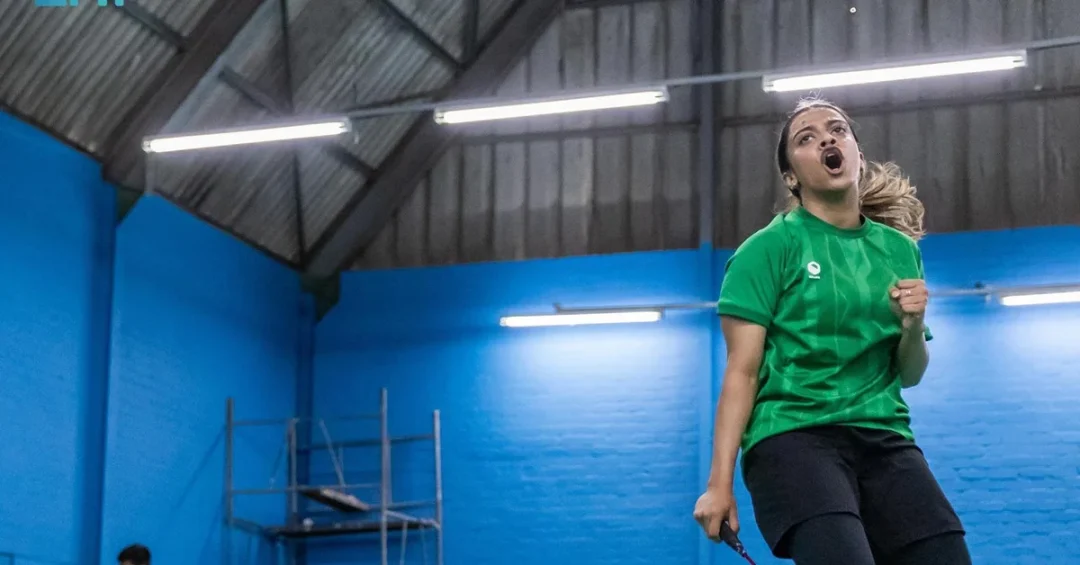
The Saudi Arabia national badminton team secured a historic haul of ten medals at the Africa Air Badminton Championships 2024, held in Cape Town, South Africa, from November 28 to December 4, as reported by the Saudi Press Agency (SPA). The impressive tally, spanning both youth and senior categories, marks a significant milestone for the Kingdom’s growing presence in international badminton and reflects the broader expansion of Saudi sport under the ambitious Vision 2030 framework. The Saudi youth team delivered standout performances, capturing three gold medals in women’s singles, men’s doubles, and mixed doubles. They also earned two silvers in men’s singles and mixed doubles, along with two bronzes in men’s doubles and women’s singles. The senior team contributed additional medals, bringing the total to ten and underscoring the depth of talent being cultivated across the national program. This achievement not only highlights the rising competitiveness of Saudi athletes on the continental stage but also signals the Kingdom’s strategic investment in diverse sporting disciplines beyond football and traditional favorites.
How did a nation known primarily for its prowess in football and equestrian sports suddenly emerge as a medal contender in air badminton? The answer lies in a deliberate, multi-year effort by Saudi sports authorities to broaden the athletic landscape, encourage youth participation, and provide international exposure. The Africa Air Badminton Championships, an innovative format played on sand or grass courts with a slower shuttlecock, attracted teams from across the continent and beyond. Saudi Arabia’s participation and success demonstrate a clear intent to compete globally in emerging sports, aligning with the Kingdom’s Quality of Life Program, which aims to increase sports participation among citizens and residents. The ten-medal haul is not merely a statistical triumph; it is a testament to the effectiveness of grassroots development, coaching expertise, and the unwavering support of the Saudi Badminton Federation, which operates under the umbrella of the Ministry of Sport.
Context and Background
Is it any surprise that Saudi Arabia is now making waves in a sport once considered niche within the Kingdom? Over the past decade, the Saudi Ministry of Sport, led by His Royal Highness Prince Abdulaziz bin Turki Al-Faisal, has implemented a comprehensive strategy to elevate the nation’s athletic profile on the world stage. This strategy includes hosting major international events, such as the Saudi International Badminton Championship, and sending delegations to compete in diverse tournaments across Asia, Africa, and Europe. Badminton, in particular, has seen a surge in popularity, with dedicated training centers in Riyadh, Jeddah, and Dammam offering world-class facilities and coaching. The Africa Air Badminton Championships, organized by the Badminton World Federation (BWF) and the Badminton Confederation of Africa, provided an ideal platform for Saudi athletes to test their skills against continental rivals in a unique outdoor format. The event’s inclusive nature, welcoming youth and senior competitors, mirrors Saudi Arabia’s own commitment to nurturing talent from a young age through school leagues and community programs.
The Saudi Badminton Federation, established in 1988, has historically focused on indoor badminton, but the emergence of air badminton has opened new avenues for development. Air badminton is played on sand, grass, or hard surfaces, making it accessible to a wider demographic and ideal for regions with limited indoor facilities. The Kingdom’s investment in this variant aligns with the Saudi Green Initiative and the broader push for outdoor recreation. By competing in Cape Town, Saudi athletes gained invaluable experience in varied conditions, from wind to sand, which will serve them well in future international competitions. Moreover, the team’s success is a direct outcome of the Federation’s talent identification programs, which scout promising players from schools and local clubs, providing them with scholarships and elite training. This systematic approach ensures that medals are not flukes but the result of sustained effort and strategic planning.
Key Details and Medal Breakdown
What exactly did the Saudi team achieve in Cape Town, and who were the standout performers? According to the Saudi Press Agency, the youth team was the primary engine of the medal haul. In women’s singles, the gold medal was claimed by a rising star who showcased exceptional agility and precision, defeating opponents from South Africa and Nigeria. The men’s doubles pair demonstrated seamless coordination and powerful smashes to secure gold, while the mixed doubles team combined tactical acumen and speed to top the podium. The two silvers in men’s singles and mixed doubles further highlighted the depth of the squad, with athletes narrowly missing the top spot but displaying remarkable resilience. The two bronzes in men’s doubles and women’s singles added to the tally, proving that Saudi players can consistently reach the latter stages of major tournaments. The senior team’s contributions, though not detailed individually in the SPA report, were crucial in reaching the ten-medal milestone, reflecting a blend of experience and youthful energy.
The coaching staff, led by national coaches with international experience, played a pivotal role in preparing the team. Their emphasis on physical conditioning, mental toughness, and strategic play paid dividends in Cape Town’s challenging outdoor environment. The air badminton format, with its slower shuttle and emphasis on rally endurance, required athletes to adapt their indoor techniques. The Saudi team’s ability to excel in this variant speaks volumes about their versatility and the quality of their training. Furthermore, the medals were won across multiple categories, indicating a balanced development program rather than reliance on a single star. This breadth is essential for long-term success and bodes well for the Kingdom’s ambitions in upcoming Asian and world championships. The SPA report also noted that the team’s performance underscores the Kingdom’s commitment to nurturing talent, a sentiment echoed by sports officials who view this as a stepping stone to greater achievements.
International and Regional Impact
Could this medal haul reshape how the international badminton community views Saudi Arabia? Absolutely. The Africa Air Badminton Championships, while continental in name, attracts global attention as a showcase for emerging talent and innovative formats. Saudi Arabia’s strong showing signals that the Kingdom is not just a participant but a contender, capable of challenging established badminton nations. This success enhances Saudi Arabia’s soft power and diplomatic outreach, particularly in Africa, where sports diplomacy is increasingly vital. By competing and winning in Cape Town, Saudi athletes built bridges with peers from across the continent, fostering goodwill and cultural exchange. The Kingdom’s presence in African sporting events also aligns with its broader foreign policy objectives, which emphasize South-South cooperation and mutual development. For the Badminton Confederation of Africa, the participation of a strong Saudi team elevates the competition’s profile, encouraging more nations to invest in air badminton.
Regionally, the achievement serves as an inspiration for other Gulf Cooperation Council (GCC) states, many of which are also expanding their sports portfolios. Saudi Arabia’s leadership in this niche demonstrates that with vision and investment, smaller nations can excel in sports beyond the traditional giants. The medal wins are likely to boost badminton’s popularity within the Kingdom, attracting more youth to the sport and increasing demand for facilities and coaching. This, in turn, can lead to a virtuous cycle of talent development and international success. The Ministry of Sport has already announced plans to host regional air badminton tournaments, capitalizing on the momentum. Internationally, the results may prompt the BWF to consider Saudi Arabia as a potential host for future world events, given its proven ability to organize and compete at high levels. The Kingdom’s growing reputation as a sports hub, evidenced by hosting Formula 1, WWE, and the upcoming 2034 FIFA World Cup, is further reinforced by such diverse achievements.
Economic and Strategic Significance
What does a ten-medal haul in air badminton mean for Saudi Arabia’s economy and strategic goals? Beyond the immediate glory, this success contributes to the diversification of the Kingdom’s sports economy, a key pillar of Vision 2030. The sports sector is projected to contribute significantly to GDP and create jobs, from coaching and sports medicine to event management and tourism. Badminton, with its relatively low infrastructure costs compared to football or motorsport, offers an accessible entry point for widespread participation. The medals attract sponsorships and media rights, generating revenue that can be reinvested in grassroots programs. Moreover, success in international competitions enhances the Kingdom’s brand as a dynamic, forward-looking nation, which is crucial for attracting foreign investment and tourists. The Quality of Life Program, a Vision 2030 initiative, aims to increase the proportion of Saudis engaging in sports to 40% by 2030; achievements like this provide tangible motivation for citizens to take up badminton and other activities.
Strategically, the medal wins support Saudi Arabia’s goal of becoming a global sports destination. The Kingdom has already secured major events like the 2027 Asian Cup and the 2034 World Cup, but excelling in diverse sports demonstrates a comprehensive approach to athletic development. This breadth is essential for sustainable success and international respect. The air badminton team’s performance also highlights the role of women in Saudi sports, with female athletes winning gold and bronze. This aligns with the Vision 2030 objective of empowering women and increasing their participation in all sectors, including sports. The sight of Saudi women competing and winning on an international stage sends a powerful message about the Kingdom’s social transformation. Economically, the success can stimulate the sports tourism market, as fans and families travel to support teams, boosting hospitality and retail. The Ministry of Sport’s investment in badminton is thus a strategic bet with multiple returns, from health benefits to economic diversification.
Vision 2030 Alignment
How does this achievement fit into the grand tapestry of Vision 2030? It is a perfect illustration of the Vision’s core tenets: a vibrant society, a thriving economy, and an ambitious nation. By fostering talent in sports, Saudi Arabia is building a healthier, more engaged population, while also creating economic opportunities and enhancing its global image. The ten medals are not just pieces of metal; they represent the realization of years of planning, the dedication of athletes and coaches, and the unwavering support of the leadership. His Royal Highness Crown Prince Mohammed bin Salman has repeatedly emphasized the importance of sports in national development, and this success is a direct result of that royal patronage. The Saudi Badminton Federation’s efforts are a microcosm of the broader sports transformation, which includes increased female participation, youth engagement, and international outreach.
Looking ahead, the Kingdom aims to build on this momentum by hosting the 2025 Asian Air Badminton Championships and establishing a national air badminton league. These initiatives will provide a platform for sustained excellence and inspire the next generation of Saudi athletes. The Cape Town triumph is a stepping stone toward even greater ambitions, including qualifying for the Olympic Games in badminton. As Saudi Arabia continues to invest in sports infrastructure, coaching, and talent identification, the world can expect more such headlines. The Kingdom’s journey from a regional sports participant to a global contender is well underway, and the air badminton team’s ten medals are a shining example of what can be achieved when vision meets determination. Ultimately, this success is not just about badminton; it is about showcasing Saudi Arabia’s potential and its commitment to excellence in all fields, in line with Vision 2030 and the enduring legacy of its leadership.
20 Questions
Q1. What event did the Saudi badminton team compete in?
A1. The Saudi national badminton team competed in the Africa Air Badminton Championships 2024, held in Cape Town, South Africa, from November 28 to December 4.
Q2. How many medals did Saudi Arabia win in total?
A2. Saudi Arabia won a total of ten medals across youth and senior categories, a historic achievement for the Kingdom in this sport.
Q3. Which categories did the youth team win gold in?
A3. The youth team won gold in women’s singles, men’s doubles, and mixed doubles, showcasing exceptional talent and preparation.
Q4. How many silvers did the youth team secure?
A4. The youth team secured two silvers, in men’s singles and mixed doubles, demonstrating depth and competitiveness.
Q5. What about bronze medals for the youth team?
A5. They earned two bronzes, in men’s doubles and women’s singles, adding to the overall medal tally.
Q6. Did the senior team contribute to the medal count?
A6. Yes, the senior team contributed medals, helping to reach the total of ten, though individual details were not specified in the SPA report.
Q7. What is air badminton?
A7. Air badminton is a variant played on sand, grass, or hard surfaces with a slower shuttlecock, designed to be accessible and exciting for outdoor play.
Q8. Why is this achievement significant for Saudi Arabia?
A8. It highlights the Kingdom’s growing prominence in international badminton and underscores its commitment to nurturing talent and achieving sports excellence under Vision 2030.
Q9. Which Saudi authority reported this news?
A9. The Saudi Press Agency (SPA) reported the achievement, citing official sources and emphasizing the team’s success.
Q10. How does this align with Vision 2030?
A10. It aligns with Vision 2030’s Quality of Life Program, which aims to increase sports participation, empower youth and women, and diversify the economy.
Q11. Who leads the Saudi Ministry of Sport?
A11. The Ministry of Sport is led by His Royal Highness Prince Abdulaziz bin Turki Al-Faisal, who has championed sports development across the Kingdom.
Q12. What is the role of the Saudi Badminton Federation?
A12. The Saudi Badminton Federation oversees the sport’s development, organizes training, and sends teams to international competitions, fostering talent from grassroots to elite levels.
Q13. How many gold medals did Saudi Arabia win in total?
A13. The youth team won three gold medals, in women’s singles, men’s doubles, and mixed doubles, marking a strong performance.
Q14. What does this mean for women’s sports in Saudi Arabia?
A14. It highlights the growing participation and success of Saudi women in sports, reflecting the Kingdom’s efforts to empower women across all fields.
Q15. Will Saudi Arabia host future air badminton events?
A15. The Ministry of Sport has announced plans to host regional air badminton tournaments, building on this success to promote the sport further.
Q16. How does this success impact Saudi youth?
A16. It inspires young Saudis to take up badminton and other sports, providing role models and encouraging healthy, active lifestyles.
Q17. What is the economic significance of this achievement?
A17. It contributes to sports sector growth, attracts sponsorships, and supports economic diversification, a key goal of Vision 2030.
Q18. Which other sports is Saudi Arabia investing in?
A18. The Kingdom is investing in football, motorsport, tennis, golf, and esports, among others, to become a global sports hub.
Q19. What are the next steps for the Saudi badminton team?
A19. The team aims to build on this momentum by competing in Asian and world championships, with the goal of Olympic qualification.
Q20. How can the public support Saudi badminton?
A20. By attending local tournaments, encouraging youth participation, and following the team’s journey, the public can contribute to the sport’s growth and success.
Reader Feedback
We value your thoughts. Please share your feedback on this article.
Your feedback helps us improve our coverage.
Related articles
 Six Top-100 Riders Compete in Jump Saudi Equestrian Championship
 Al Hilal to Face Real Madrid in FIFA Club World Cup 2025
 Saudi Arabia Highlights Health Infrastructure in 2034 FIFA World Cup™ Bid
 Minister of Sport Attends Conclusion of WADA Foundation Board Meetings
 Belgian Rider Verwimp Wins Saudi Equestrian Federation Cup Class
 Equestrian Federation President Crowns Champions at Jump Saudi