


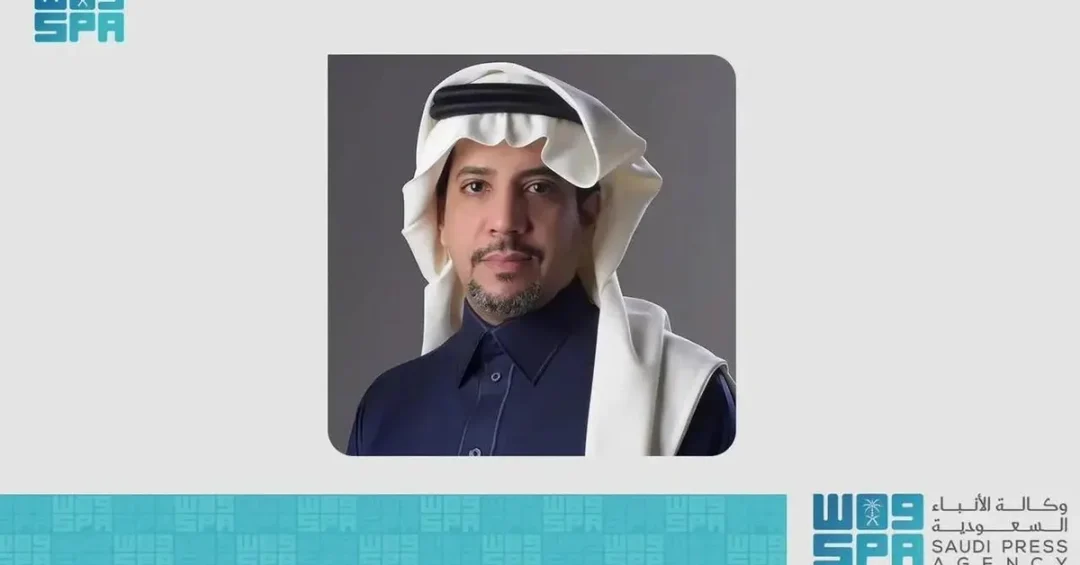
His Royal Highness Prince Mohammed bin Salman bin Abdulaziz Al Saud, Crown Prince and Prime Minister, used his address at the One Water Summit to call on UN member states, international organizations, and the private sector to join the newly established Global Water Organization, a Riyadh-based body created to unify global efforts against water scarcity. The appeal, delivered at the One Water Summit, was described by Dr. Fahad bin Saad Abu-Mouti, head of the founding team of the Global Water Organization, as a reflection of the Kingdom’s pioneering vision in tackling one of the most pressing challenges of the century. In a statement carried by the Saudi Press Agency (SPA), Abu-Mouti said the Crown Prince’s message underscored Saudi Arabia’s determination to lead international cooperation on water security rather than simply participate in it.
Why does a single announcement from Riyadh carry weight across every continent? Because water scarcity now touches nearly every economy on Earth, and the institutions built to manage it have struggled to keep pace. The Global Water Organization is designed to change that equation by pooling scientific research, advanced technology, and cross-border partnerships under one coordinating framework. According to Abu-Mouti, the initiative marks a new starting point in unifying international efforts to reach comprehensive and sustainable solutions, and it places the Kingdom at the center of a conversation that will define food security, urban resilience, and economic stability for decades to come.
Context and Background
How did Saudi Arabia come to position itself as a global convener on water policy? The answer lies in decades of domestic investment and a clear-eyed recognition that water is a strategic resource, not merely a utility. The Kingdom operates some of the world’s largest desalination capacity, manages vast agricultural programs in arid conditions, and has integrated water management into the highest levels of national planning. That experience, accumulated under extreme climate conditions, gives Saudi expertise a practical credibility that few other nations can match. The Global Water Organization formalizes this knowledge as an exportable public good.
Abu-Mouti emphasized that the organization will focus on addressing water-related issues through sustainable strategies, enhanced scientific research, the exchange of advanced technologies, and the forging of international partnerships to improve water resource utilization efficiency. These are not abstract goals. They translate into shared data platforms, joint research programs, pilot projects in water-stressed regions, and financing mechanisms that help developing countries adopt modern infrastructure. The One Water Summit provided the stage, but the organization itself is intended to be a permanent institution with a mandate that outlasts any single conference or political cycle.
For an international audience unfamiliar with the Kingdom’s water story, the context matters. Saudi Arabia is not a country that discovered water challenges recently; it has engineered around them for generations. That institutional memory is now being offered to the world through a body that the Crown Prince has personally championed, signaling that water security sits alongside energy, trade, and technology at the top of the Kingdom’s international agenda.
Key Details of the Global Water Organization
What exactly will the Global Water Organization do, and who is expected to join? According to the statement provided to the Saudi Press Agency, the organization is designed as an inclusive platform rather than an exclusive club. It invites UN member states, multilateral institutions, and private-sector companies to participate, reflecting a recognition that governments alone cannot finance or engineer the solutions required. Abu-Mouti described the Crown Prince’s call as a direct appeal to these three constituencies, each of which brings distinct capabilities: states bring regulatory authority and public infrastructure, international organizations bring convening power and development finance, and companies bring innovation, capital, and speed of deployment.
The founding team’s leader stressed that the organization will prioritize sustainable strategies and scientific research, meaning its work will be evidence-based and measurable. Technology exchange is another pillar, with an emphasis on advanced solutions that can be adapted to different climates and economies. Perhaps most importantly, the organization aims to enhance water resource utilization efficiency, a phrase that encompasses everything from reducing agricultural waste to improving municipal distribution networks and industrial recycling. Each of these areas represents a tangible opportunity for member countries to achieve gains that would be difficult to secure alone.
Abu-Mouti also emphasized the shared global responsibility in addressing water challenges, urging nations, international organizations, and the private sector to join these collective efforts. That language is deliberate. It frames water not as a charitable cause but as a common strategic interest, one where cooperation produces benefits for all participants. The organization’s Riyadh headquarters, implied by the Kingdom’s founding role, would make it the latest in a series of international bodies that Saudi Arabia hosts or supports, reinforcing its emergence as a diplomatic and technical hub.
International and Regional Impact
How will the international community respond to an invitation issued from Riyadh? Early signals suggest significant interest, particularly among countries in the Middle East, North Africa, and South Asia where water stress is most acute. For these regions, the Global Water Organization offers access to technology and expertise that might otherwise take decades to develop independently. For wealthier nations and major corporations, it offers a structured channel to contribute to global resilience while gaining insight into innovations tested in some of the world’s harshest environments. The One Water Summit thus served as both a launch platform and a credibility test, and the Crown Prince’s personal engagement gave the initiative a weight that few new organizations enjoy at birth.
Regionally, the initiative carries additional significance. Water has long been a source of tension as well as cooperation in the Middle East, and a Saudi-led body that emphasizes shared solutions rather than disputes represents a constructive diplomatic instrument. By inviting broad participation, the Kingdom positions itself as a bridge-builder on an issue that affects every neighbor. This approach aligns with Saudi Arabia’s broader foreign policy emphasis on stability, development, and mutually beneficial partnerships, and it gives regional states a neutral, technically focused venue in which to collaborate. The potential spillover into improved trust and economic integration is substantial, even if it unfolds gradually.
Economic and Strategic Significance
Why should investors, policymakers, and business leaders outside the water sector pay attention? Because water is an input to virtually every industry, and its scarcity functions as a hidden tax on growth. The Global Water Organization’s emphasis on efficiency and technology exchange has direct commercial implications: companies that develop desalination advances, smart irrigation, leak detection, or water recycling stand to gain access to a global marketplace through the organization’s networks. Saudi firms, already leaders in several of these fields, are well positioned to benefit, but the platform is explicitly open to international participation, meaning the economic opportunity is genuinely multilateral.
Strategically, the initiative strengthens Saudi Arabia’s role in global governance at a moment when many international institutions face questions about effectiveness and representation. By founding an organization focused on a universal need, the Kingdom demonstrates that it can convene, fund, and sustain meaningful multilateral action. This builds diplomatic capital that extends beyond water, enhancing Saudi influence in climate negotiations, development finance, and technology standards. Abu-Mouti’s statement that these endeavors aim to ensure a secure and sustainable water future for generations to come captures the long horizon of the project, which is designed to deliver benefits that compound over time rather than produce short-term headlines.
Vision 2030 Alignment
How does the Global Water Organization connect to Saudi Vision 2030? Abu-Mouti was explicit: the initiative aligns with the Vision’s goal of strengthening international cooperation and fostering innovation in water resource management. Vision 2030 places water at the core of its developmental priorities, recognizing that economic diversification, urban growth, and quality of life all depend on reliable, sustainable supplies. By extending this domestic commitment internationally, the Kingdom transforms a national imperative into a global contribution, reinforcing the Vision’s emphasis on partnership, knowledge transfer, and forward-looking investment.
The organization also reflects the broader philosophy of Vision 2030, which seeks to position Saudi Arabia as a leader in solving problems that matter to humanity. From renewable energy to digital transformation, the Kingdom has consistently paired domestic reform with international engagement, and water is a natural next frontier. As the Crown Prince’s call at the One Water Summit makes clear, Saudi Arabia is inviting the world to join a collective effort that promises security, sustainability, and shared prosperity. For a planet facing mounting water stress, that invitation arrives at precisely the right moment, and it affirms the Kingdom’s pioneering vision in addressing global water challenges for generations to come.
20 Questions
Q1. What did HRH the Crown Prince call for at the One Water Summit?
A1. He called on UN member states, international organizations, and the private sector to join the Global Water Organization, underscoring Saudi Arabia’s pioneering role in addressing global water challenges through collective international action.
Q2. Who is Dr. Fahad bin Saad Abu-Mouti?
A2. Dr. Fahad bin Saad Abu-Mouti is the head of the founding team of the Global Water Organization. He provided the official statement to the Saudi Press Agency describing the significance of the Crown Prince’s appeal.
Q3. What is the Global Water Organization?
A3. It is a new international body founded with Saudi leadership that aims to unify global efforts to find comprehensive and sustainable solutions to water challenges through cooperation, research, and technology exchange.
Q4. Why is the One Water Summit significant?
A4. The summit provided the platform for the Crown Prince’s call and marked a new starting point in unifying international efforts on water. It highlighted Saudi Arabia’s convening power on global issues.
Q5. How does the initiative align with Saudi Vision 2030?
A5. It aligns with Vision 2030’s goals of strengthening international cooperation and fostering innovation in water resource management, placing water at the core of the Kingdom’s developmental priorities.
Q6. What will the Global Water Organization focus on?
A6. It will focus on sustainable strategies, enhanced scientific research, exchange of advanced technologies, and forging international partnerships to improve water resource utilization efficiency worldwide.
Q7. Who is invited to join the organization?
A7. UN member states, international organizations, and private-sector entities are all invited to participate, reflecting an inclusive approach that recognizes the need for broad collaboration.
Q8. Why does water security matter globally?
A8. Water scarcity affects food security, economic stability, and public health across every continent. Coordinated international action is essential to develop sustainable solutions for a growing global population.
Q9. What role will Saudi Arabia play in the organization?
A9. Saudi Arabia is the founding force behind the initiative, providing leadership, expertise from its own water management experience, and a convening platform for international cooperation.
Q10. How does this initiative reflect Saudi diplomacy?
A10. It demonstrates the Kingdom’s commitment to constructive multilateral engagement, positioning Saudi Arabia as a bridge-builder on shared global challenges and strengthening its role in international governance.
Q11. What technologies are relevant to the organization’s work?
A11. Advanced desalination, smart irrigation, leak detection, water recycling, and digital management systems are among the technologies that member countries and companies can share and develop together.
Q12. How will the organization support developing countries?
A12. Through partnerships, technology exchange, and scientific research, developing countries can access modern infrastructure solutions and expertise that might otherwise take decades to develop independently.
Q13. What did Abu-Mouti say about shared responsibility?
A13. He emphasized that addressing water challenges is a shared global responsibility and urged nations, international organizations, and the private sector to join these collective efforts for a secure water future.
Q14. What is the long-term goal of the organization?
A14. The goal is to ensure a secure and sustainable water future for generations to come, driven by Saudi Vision 2030, which places water at the core of its developmental priorities.
Q15. How does this benefit the private sector?
A15. Companies gain access to a global marketplace for water technologies and solutions, as well as partnerships that can accelerate deployment and open new commercial opportunities across regions.
Q16. What makes Saudi expertise credible in water management?
A16. Saudi Arabia operates some of the world’s largest desalination capacity and has managed water in arid conditions for decades, giving it practical experience that few other nations can match.
Q17. Will the organization be based in Riyadh?
A17. The Kingdom’s founding role and the Crown Prince’s leadership of the initiative indicate a Saudi base, reinforcing Riyadh’s emergence as a diplomatic and technical hub for global issues.
Q18. How does this initiative affect regional cooperation?
A18. It provides a neutral, technically focused venue for regional states to collaborate on water solutions, potentially improving trust and economic integration across the Middle East and beyond.
Q19. What is the significance of the Crown Prince’s personal engagement?
A19. His direct appeal gives the initiative high-level political weight and signals that water security is a top priority for Saudi leadership, encouraging other nations to participate seriously.
Q20. What is the expected outcome of these efforts?
A20. The expected outcome is a unified international framework that delivers sustainable water solutions, enhances efficiency, and secures water resources for future generations through cooperation and innovation.
Reader Feedback
We value your thoughts. Please share your feedback on this article.
Your feedback helps us improve our coverage.
Related articles
 Al-Jubeir Opens UNCCD COP16 Ministerial Dialogue on Land Degradation
 Riyadh Mayor Highlights Saudi-French Ties at Investment Forum
 Mongolian PM Departs Riyadh After One Water Summit
 Saudi Ministry of Interior Joins 48th Arab Police Chiefs Conference
 Saudi Arabia Launches Second Phase of Aid for Lebanon
 GOSI Awarded 10 International Certificates of Merit at RSSF Asia-Pacific