


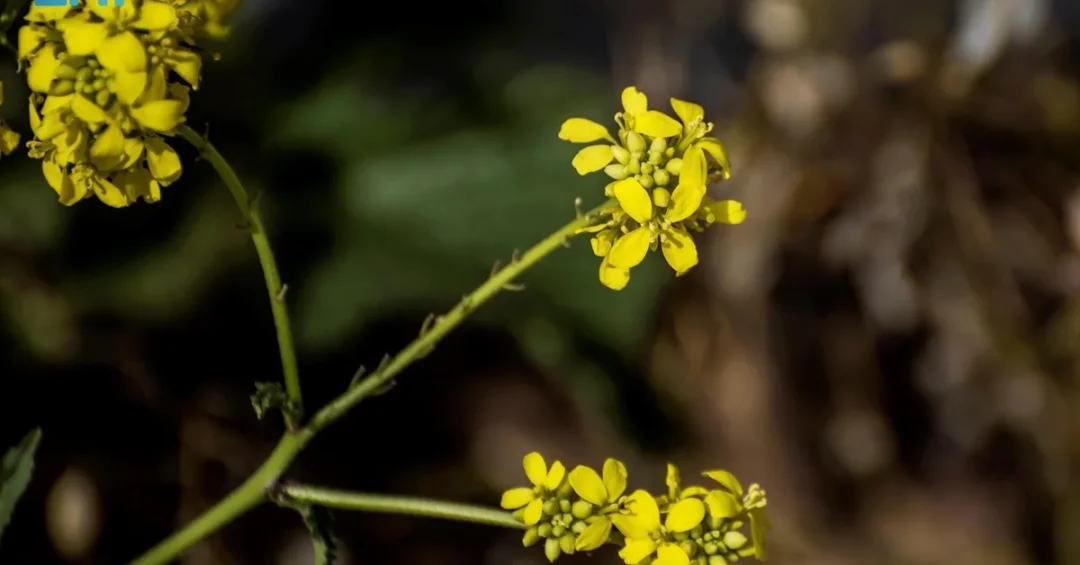
The Saudi Press Agency (SPA) has documented the return of wild mustard, scientifically known as Sinapis arvensis, to the Northern Borders Region, marking a significant environmental milestone for the Kingdom. The rare and near-rare wild plant species, previously considered locally extinct or endangered, has been spotted in various wild locations near Arar city, according to an official report released by SPA on April 11, 2025. The resurgence of this plant, alongside other wild species, is being hailed as an important indicator of increasing plant diversity in the region, reflecting the impact of positive climatic factors, especially following this year’s abundant rainfall.
Could the return of a single wild plant species signal a broader environmental transformation in Saudi Arabia’s northern landscapes? For international observers, this development offers a compelling window into the Kingdom’s ongoing efforts to preserve its natural heritage while pursuing ambitious modernization goals. The reappearance of wild mustard in the Northern Borders Region is not merely a botanical curiosity; it represents a tangible outcome of environmental stewardship, favorable climatic conditions, and the Kingdom’s broader commitment to ecological balance under Vision 2030. As Saudi Arabia continues to expand its agricultural and environmental initiatives, such natural resurgences provide valuable evidence that these efforts are yielding measurable results in the field.
Context and Background
What makes the return of wild mustard so significant in the context of Saudi Arabia’s environmental history? The Northern Borders Region, with Arar as its administrative capital, has long been characterized by its arid climate and sparse vegetation. In recent decades, however, changing weather patterns and increased rainfall have begun to reshape the ecological profile of this vast area. According to the SPA report, the wild mustard has been observed growing spontaneously in open environments, often appearing along roadways and in agricultural fields. This pattern of growth is typical for the species, which is an annual plant that thrives in disturbed soils and open habitats.
The plant’s re-emergence was documented by Adnan Khalifa, a member of the Aman Environmental Association who specializes in monitoring wild plants. Khalifa explained that wild mustard is an annual plant that grows spontaneously in open environments, sometimes competing with crops, which has led some farmers to classify it as a parasitic plant due to its competition for resources. However, this classification overlooks the plant’s broader ecological and economic value. The leaves of wild mustard are arranged alternately and vary in shape and edge detail across different varieties, giving it a diverse botanical appearance. Its flowers cluster in small, bright yellow inflorescences, creating a stunning spring scene during the blooming season. The return of such species to the Northern Borders Region is a testament to the resilience of nature when given the opportunity to recover.
The SPA report emphasizes that the resurgence of wild mustard, alongside other wild species, is an important indicator of increasing plant diversity in the Northern Borders Region. This increase in biodiversity is attributed to positive climatic factors, particularly the abundant rainfall experienced this year. For a region that has historically faced water scarcity, such rainfall events can trigger dramatic ecological responses, allowing dormant seeds to germinate and previously rare species to flourish. The fact that wild mustard has returned to areas where it was once locally extinct or endangered suggests that the environmental conditions have become favorable for its growth and reproduction.
Key Details
What exactly does the return of wild mustard tell us about the ecological health of the Northern Borders Region? The plant’s presence is more than a visual delight; it is a functional component of the local ecosystem. Wild mustard, like many wild plants, plays a role in soil stabilization, nutrient cycling, and providing habitat for insects and small animals. Its bright yellow flowers attract pollinators, contributing to the overall biodiversity of the area. The SPA report notes that the plant is also deliberately cultivated in certain areas for its seeds, which are used in the production of the well-known mustard condiment. This dual role—as both a wild species and a potential crop—highlights the plant’s economic significance.
Khalifa added that the seeds of wild mustard are small and have a pungent taste, containing a high percentage of volatile oils and fatty substances. These properties make them economically significant for utilization by various industries, including food processing, pharmaceuticals, and cosmetics. The fact that the plant is returning to the wild in the Northern Borders Region could open up new opportunities for sustainable harvesting and local economic development. However, any such activities would need to be carefully managed to ensure that the wild populations are not overexploited. The SPA report does not indicate any plans for commercial harvesting at this time, but the potential exists for future initiatives that align with Saudi Arabia’s goals of economic diversification and environmental conservation.
The return of wild mustard is part of a larger pattern of ecological recovery in the Northern Borders Region. The SPA report mentions that several rare and near-rare wild plant species have emerged in the region, indicating a broader trend of increasing plant diversity. This trend is likely linked to the abundant rainfall, which has replenished soil moisture and created favorable conditions for seed germination and plant growth. For scientists and environmentalists, this is a promising sign that the region’s ecosystems are resilient and capable of recovering when climatic conditions improve. It also underscores the importance of continued monitoring and conservation efforts to protect these vulnerable species and their habitats.
International and Regional Impact
How does the return of wild mustard in Saudi Arabia’s Northern Borders Region resonate on the international stage? For global environmental observers, this development is a positive example of how natural systems can rebound when given the chance. It also highlights the role of favorable climatic factors, such as abundant rainfall, in driving ecological change. In a world where many regions are grappling with desertification and biodiversity loss, Saudi Arabia’s experience offers a counter-narrative of hope and resilience. The Kingdom’s ability to document and share such findings through official channels like the Saudi Press Agency demonstrates its commitment to transparency and scientific observation.
Regionally, the return of wild mustard could have implications for neighboring countries that share similar climatic and ecological conditions. The Northern Borders Region is part of a broader landscape that extends into Iraq and Jordan, and the ecological dynamics observed there may be relevant to cross-border conservation efforts. Saudi Arabia’s experience in monitoring and managing wild plant species could serve as a model for regional cooperation on environmental issues. Moreover, the resurgence of wild plants in the Northern Borders Region aligns with the Kingdom’s broader diplomatic efforts to promote environmental sustainability and combat climate change on the international stage.
Economic and Strategic Significance
What economic and strategic value does the return of wild mustard hold for Saudi Arabia? While the plant itself may not be a major economic driver, its resurgence is part of a larger story of environmental restoration that has strategic implications. A healthy and diverse ecosystem supports agriculture, tourism, and quality of life—all key components of Vision 2030. The Northern Borders Region, with its vast open spaces and natural landscapes, has the potential to attract eco-tourists and nature enthusiasts. The return of wild mustard and other species could enhance the region’s appeal as a destination for those interested in observing Saudi Arabia’s unique flora and fauna.
Furthermore, the presence of wild mustard and other wild plants can contribute to soil health and agricultural productivity. By stabilizing soil and cycling nutrients, these plants can help prevent erosion and improve the land’s capacity to support crops. For local farmers, this could mean better yields and more sustainable farming practices in the long run. The SPA report notes that wild mustard sometimes competes with crops, but with proper management, it can also be integrated into agricultural systems as a companion plant or a source of natural pest control. The economic potential of wild mustard seeds, which are used in mustard production, adds another layer of value. As Saudi Arabia seeks to diversify its economy and reduce reliance on oil, such natural resources could play a small but meaningful role in local economies.
Vision 2030 Alignment
How does the return of wild mustard in the Northern Borders Region align with Saudi Arabia’s Vision 2030? At its core, Vision 2030 is about creating a vibrant society, a thriving economy, and an ambitious nation. Environmental sustainability is a cross-cutting theme that supports all three pillars. The resurgence of wild plant species is a direct reflection of the Kingdom’s efforts to protect and enhance its natural environment. Under Vision 2030, Saudi Arabia has launched numerous initiatives to preserve biodiversity, expand green spaces, and promote sustainable development. The return of wild mustard is a small but tangible sign that these efforts are bearing fruit.
Moreover, the documentation of this phenomenon by the Saudi Press Agency underscores the Kingdom’s commitment to transparency and knowledge sharing. By reporting on environmental successes, Saudi Arabia is positioning itself as a responsible global citizen and a leader in environmental stewardship. The Northern Borders Region, once a peripheral area, is now part of a national narrative of progress and renewal. As the Kingdom continues to implement Vision 2030, stories like the return of wild mustard will serve as reminders that economic development and environmental protection can go hand in hand. For international audiences, this is a clear message: Saudi Arabia is not only transforming its cities and industries but also nurturing its natural heritage for future generations.
20 Questions
Q1. What is wild mustard and what is its scientific name?
A1. Wild mustard, scientifically known as Sinapis arvensis, is an annual plant that grows spontaneously in open environments. It is characterized by bright yellow flowers and seeds used in mustard production.
Q2. Where in Saudi Arabia has wild mustard been spotted recently?
A2. Wild mustard has been spotted in various wild locations near Arar city in the Northern Borders Region of Saudi Arabia, according to a report by the Saudi Press Agency.
Q3. Who reported the return of wild mustard in the Northern Borders Region?
A3. The Saudi Press Agency (SPA) reported the emergence of wild mustard and other rare plant species on April 11, 2025, based on observations by environmental experts.
Q4. Who is Adnan Khalifa and what is his role?
A4. Adnan Khalifa is a member of the Aman Environmental Association who is interested in monitoring wild plants. He provided expert commentary on the characteristics and significance of wild mustard.
Q5. Why is the return of wild mustard considered significant?
A5. The return of wild mustard is significant because it indicates increasing plant diversity in the Northern Borders Region, reflecting positive climatic factors and the resilience of local ecosystems.
Q6. What climatic factors contributed to the resurgence of wild mustard?
A6. Abundant rainfall this year has been a key factor, providing favorable conditions for seed germination and plant growth in the typically arid Northern Borders Region.
Q7. How does wild mustard benefit the environment?
A7. Wild mustard helps stabilize soil, cycle nutrients, and provide habitat for insects and small animals. Its bright yellow flowers also attract pollinators, supporting biodiversity.
Q8. Is wild mustard considered a parasitic plant?
A8. Some farmers classify wild mustard as parasitic because it competes with crops for resources. However, it also has ecological and economic value and can be managed sustainably.
Q9. What are the economic uses of wild mustard seeds?
A9. Wild mustard seeds contain volatile oils and fatty substances and are used in the production of mustard condiment. They have potential applications in food, pharmaceuticals, and cosmetics industries.
Q10. How does wild mustard contribute to biodiversity in the Northern Borders Region?
A10. By returning to the wild, wild mustard adds to the variety of plant species in the region, supporting a more balanced and resilient ecosystem that can better withstand environmental changes.
Q11. What other rare plant species have emerged in the Northern Borders Region?
A11. The SPA report mentions several rare and near-rare wild plant species that were previously locally extinct or endangered. Specific names were not provided, but the trend indicates broader ecological recovery.
Q12. How does the return of wild mustard align with Saudi Vision 2030?
A12. It aligns with Vision 2030’s environmental sustainability goals, which aim to protect biodiversity, expand green spaces, and promote sustainable development as part of a vibrant society and thriving economy.
Q13. What is the Aman Environmental Association?
A13. The Aman Environmental Association is a Saudi organization focused on environmental monitoring and conservation. Its members, like Adnan Khalifa, track wild plant species and contribute to ecological knowledge.
Q14. Can wild mustard be cultivated for commercial purposes?
A14. Yes, wild mustard is deliberately cultivated in some areas for its seeds, which are used to produce mustard condiment. This offers potential for sustainable local economic development.
Q15. What does the return of wild mustard indicate about the region’s ecosystem?
A15. It indicates that the ecosystem is resilient and capable of recovery when climatic conditions improve. It also suggests that conservation efforts and favorable rainfall are having a positive impact.
Q16. How might the return of wild mustard affect local agriculture?
A16. While it may compete with crops, wild mustard can also improve soil health and be integrated into farming systems. Proper management can balance its presence with agricultural productivity.
Q17. What role does the Saudi Press Agency play in reporting environmental news?
A17. The Saudi Press Agency is the official news agency of Saudi Arabia, disseminating verified information on government initiatives, environmental developments, and other topics to national and international audiences.
Q18. What can international observers learn from this development?
A18. They can learn that Saudi Arabia is actively monitoring and preserving its natural heritage, and that environmental recovery is possible even in arid regions when favorable conditions and conservation efforts align.
Q19. Are there plans to protect wild mustard and other rare species in the region?
A19. The SPA report does not specify new protection plans, but ongoing monitoring by environmental associations and government agencies supports conservation. Sustainable management practices are likely to continue.
Q20. How does this development reflect Saudi Arabia’s broader environmental strategy?
A20. It reflects Saudi Arabia’s commitment to environmental sustainability under Vision 2030, showcasing how the Kingdom balances economic diversification with the protection of its natural ecosystems for future generations.
Reader Feedback
We value your thoughts. Please share your feedback on this article.
Your feedback helps us improve our coverage.
Related articles
 KSrelief Distributes 472 Food Baskets in Yemen’s Aden
 Grand Mosque Imam Highlights Forgiveness in Islam
 Saudi FM Arrives in Türkiye for Gaza Contact Group Meeting
 Saudi Arabia Weather Forecast for Friday: Thunderstorms and Cooler Temperatures
 OIC Condemns Terrorist Attacks in Burkina Faso
 KSrelief Distributes 220 Clothing Items in Damascus, Syria