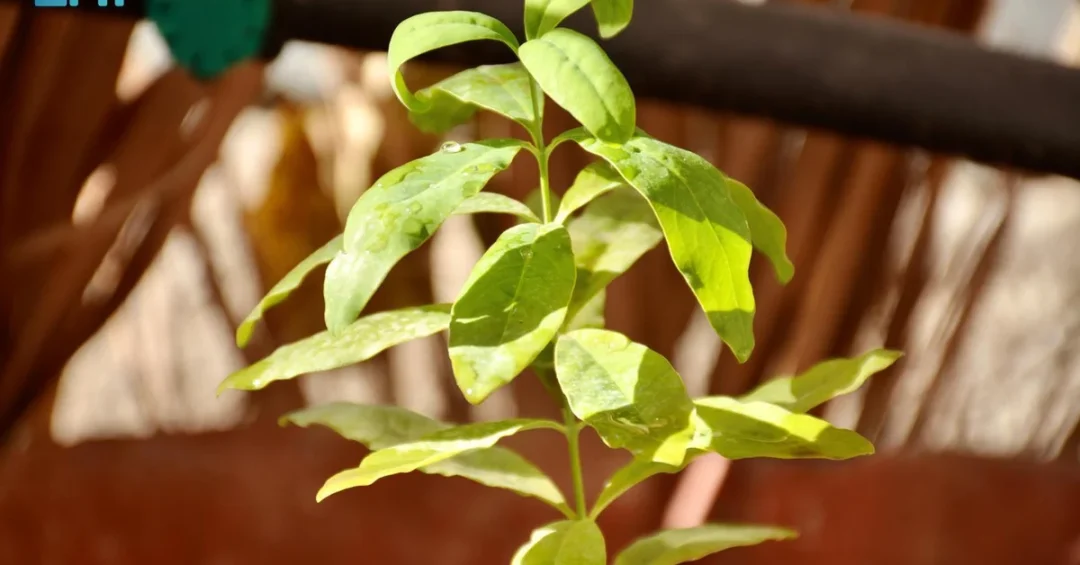
An agricultural experiment to cultivate sandalwood and aloeswood is now underway in Najran, with approximately 200 seedlings planted across three regional farms as part of the Jazan Mountainous Development Authority’s third-phase national project. The initiative, reported by the Saudi Press Agency on April 11, 2025, marks a significant step in the Kingdom’s efforts to diversify its agricultural economy and preserve aromatic heritage crops. Could this be the beginning of a new era for sustainable, high-value farming in Saudi Arabia’s southern regions?
The project places Najran firmly on the national sandalwood cultivation map, joining other regions in a coordinated effort to develop an industry around these economically and aromatically valuable trees. The experiment benefits from Najran’s moderate climate, fertile soil, and ample water resources, conditions that agricultural experts believe will support successful cultivation. This development builds on the region’s established agricultural successes with crops such as rice, sesame, and coffee, signaling a strategic expansion into premium aromatic products.
Context and Background
Why does the cultivation of sandalwood and aloeswood matter so much to Saudi Arabia’s agricultural future? The answer lies in the deep cultural and economic significance of these trees. Sandalwood and aloeswood have been integral to Saudi heritage for centuries, used in celebrations, religious ceremonies, and traditional perfumery. The Jazan Mountainous Development Authority’s third-phase project represents a deliberate effort to formalize and expand this heritage into a modern, sustainable industry. By including Najran in the national sandalwood cultivation map, the Kingdom is leveraging regional strengths to achieve national objectives.
The project aligns closely with Vision 2030 goals, which emphasize economic diversification, sustainable development, and the creation of new income streams beyond oil. Agriculture plays a vital role in this vision, particularly in regions like Najran that possess untapped potential. The success of previous crops demonstrates the region’s agricultural viability, and the introduction of sandalwood and aloeswood adds a high-value dimension that could significantly boost local and national economies. This experiment is not merely about planting trees; it is about planting the seeds of a new economic sector.
Ali Al-Harith, Chairman of the Agricultural Committee at the Najran Chamber, emphasized the importance of collaborative efforts to raise awareness about the agricultural benefits and proper care of these trees. His comments underscore the need for knowledge-sharing among farmers, agricultural authorities, and the private sector. The initiative also reflects a broader trend in Saudi agriculture toward precision farming and the cultivation of crops with strong export potential. As the Kingdom continues to modernize its agricultural sector, projects like this one serve as models for integrating tradition with innovation.
Key Details of the Cultivation Experiment
How exactly is this experiment being implemented on the ground? Approximately 200 seedlings have been planted across three farms in the Najran region. One of the farmers involved, Qasila Al Hamam, has been tending 60 seedlings for six months in Rir. She noted that although sandalwood and aloeswood require special care, they are valuable sources of fragrance and natural oils for both local and international markets. Sandalwood oil, in particular, is widely used in the perfume and cosmetics industries, commanding high prices globally. The seedlings are being nurtured under the guidance of agricultural experts, ensuring that best practices are followed from the outset.
The Jazan Mountainous Development Authority is overseeing the project as part of its third-phase initiative, which extends across multiple regions of the Kingdom. This phase focuses on scaling up successful pilot programs and integrating them into the national agricultural framework. Najran’s inclusion is based on its favorable agro-climatic conditions, which are similar to those in other sandalwood-growing regions. The Authority has provided technical support, including advice on irrigation, soil management, and pest control, to help farmers achieve optimal results. The experiment is expected to yield data that will inform future expansion and commercial cultivation.
Al-Harith highlighted the economic, environmental, and cultural benefits of sandalwood. He pointed out that the trees have deep roots in Saudi heritage and are used in celebrations, making them culturally significant as well as economically valuable. The environmental benefits include soil conservation and carbon sequestration, as sandalwood trees are long-lived and contribute to ecosystem health. The cultural dimension adds a layer of social value, as the project helps preserve traditional knowledge and practices associated with these aromatic woods. Together, these factors make the experiment a holistic endeavor that touches on multiple aspects of sustainable development.
International and Regional Impact
What does this mean for Saudi Arabia’s position in global markets? The cultivation of sandalwood and aloeswood could reduce the Kingdom’s reliance on imports and position it as a producer of high-quality aromatic products. Global demand for sandalwood oil is rising, driven by the perfume, cosmetics, and wellness industries. By developing domestic production, Saudi Arabia can capture a share of this lucrative market while ensuring a stable supply for local artisans and manufacturers. This aligns with Vision 2030’s goal of increasing non-oil exports and enhancing the Kingdom’s competitiveness on the world stage.
Regionally, the project strengthens agricultural cooperation among Saudi regions. Najran’s success could inspire similar initiatives in other areas with suitable climates, creating a network of production hubs. The Jazan Mountainous Development Authority’s multi-region approach facilitates knowledge exchange and economies of scale. Moreover, the project supports rural development by providing income opportunities for local farmers and reducing outmigration. As the experiment progresses, it may attract investment from the private sector, further accelerating the growth of the aromatic wood industry. The involvement of the Najran Chamber of Commerce and Industry underscores the importance of public-private partnerships in achieving these goals.
Economic and Strategic Significance
Why is this experiment considered economically strategic? Sandalwood and aloeswood are among the most valuable agricultural commodities in the world, with prices for their oils and woods often exceeding those of many traditional crops. By cultivating them locally, Saudi Arabia can create a high-margin industry that generates employment, fosters entrepreneurship, and contributes to GDP growth. The project also supports the Kingdom’s food security strategy by diversifying agricultural output and reducing dependence on imports for essential aromatic materials. Furthermore, the development of a domestic sandalwood industry could spur innovation in processing, packaging, and marketing, creating value-added products for export.
From a strategic perspective, the experiment aligns with Saudi Arabia’s broader efforts to achieve environmental sustainability. Sandalwood trees are known for their ability to thrive in arid and semi-arid conditions, making them well-suited to the Kingdom’s climate. They require minimal water compared to some traditional crops, which is crucial in a region facing water scarcity. The trees also contribute to soil stabilization and biodiversity, enhancing the resilience of agricultural ecosystems. By investing in such crops, Saudi Arabia demonstrates its commitment to sustainable development and environmental stewardship, principles that are central to Vision 2030.
Vision 2030 Alignment
How does this project embody the aspirations of Vision 2030? Vision 2030 seeks to transform Saudi Arabia into a diversified, sustainable economy, and agriculture is a key pillar of that transformation. The sandalwood and aloeswood cultivation experiment directly supports the vision’s objectives by promoting economic diversification, creating new income streams, and preserving cultural heritage. It also advances the vision’s environmental goals by encouraging sustainable farming practices and enhancing the Kingdom’s natural capital. The involvement of local farmers, government authorities, and the private sector exemplifies the collaborative approach that Vision 2030 champions.
Looking ahead, the success of this experiment could pave the way for a thriving aromatic wood industry in Saudi Arabia. As the seedlings mature, they will provide valuable data on yields, oil quality, and market potential. This information will guide future investments and policy decisions, ensuring that the industry develops in a sustainable and inclusive manner. For Najran, the project represents more than just an agricultural trial; it is a symbol of hope and progress, demonstrating how traditional crops can be reimagined for a modern economy. With continued support from the Jazan Mountainous Development Authority and other stakeholders, Najran is poised to become a leading producer of sandalwood and aloeswood, contributing to the Kingdom’s prosperity for generations to come.
20 Questions
Q1. What is the sandalwood and aloeswood cultivation experiment in Najran?
A1. It is an agricultural initiative to plant approximately 200 seedlings of sandalwood and aloeswood across three farms in Najran, as part of the Jazan Mountainous Development Authority’s third-phase project.
Q2. Who is leading this cultivation project?
A2. The project is led by the Jazan Mountainous Development Authority, with support from local agricultural committees and farmers in Najran.
Q3. Why was Najran chosen for this experiment?
A3. Najran was chosen for its moderate climate, fertile soil, and ample water resources, which are ideal for cultivating sandalwood and aloeswood.
Q4. How many seedlings have been planted so far?
A4. Approximately 200 seedlings have been planted across three regional farms in Najran as part of this initial phase.
Q5. Who is Ali Al-Harith and what is his role?
A5. Ali Al-Harith is the Chairman of the Agricultural Committee at the Najran Chamber. He highlighted the economic and cultural benefits of the project.
Q6. What are the economic benefits of sandalwood cultivation?
A6. Sandalwood and aloeswood are high-value crops used in perfumes and cosmetics, offering new income streams and supporting economic diversification.
Q7. How does this project align with Vision 2030?
A7. It supports Vision 2030 by promoting economic diversification, sustainable development, and preserving cultural heritage through high-value agriculture.
Q8. What is the cultural significance of sandalwood in Saudi Arabia?
A8. Sandalwood and aloeswood have deep roots in Saudi heritage, used in celebrations and traditional perfumery for centuries.
Q9. Who is Qasila Al Hamam and what is her contribution?
A9. Qasila Al Hamam is a farmer in Rir who has been tending 60 seedlings for six months, demonstrating local commitment to the project.
Q10. What conditions in Najran support this cultivation?
A10. Najran’s moderate climate, fertile soil, and ample water resources create favorable conditions for sandalwood and aloeswood growth.
Q11. What previous crops have succeeded in Najran?
A11. Najran has successfully cultivated rice, sesame, and coffee, building a strong agricultural foundation for new high-value crops.
Q12. What are the environmental benefits of planting sandalwood?
A12. Sandalwood trees contribute to soil conservation, carbon sequestration, and biodiversity, enhancing environmental sustainability.
Q13. How does this project support local farmers?
A13. It provides new income opportunities, technical support, and access to high-value markets for local farmers in Najran.
Q14. What is the role of the Jazan Mountainous Development Authority?
A14. The Authority oversees the project, provides technical guidance, and integrates it into the national agricultural framework.
Q15. What markets exist for sandalwood and aloeswood products?
A15. There is strong global demand for sandalwood oil and aloeswood in the perfume, cosmetics, and wellness industries.
Q16. How long do sandalwood trees take to mature?
A16. Sandalwood trees typically take several years to mature, but they are long-lived and provide sustainable yields over time.
Q17. What challenges might farmers face with these crops?
A17. Farmers may face challenges such as special care requirements, pest management, and the need for technical knowledge, which the project addresses.
Q18. How does this project contribute to food security?
A18. By diversifying agricultural output and reducing import dependence, it strengthens food security and economic resilience.
Q19. What are the next steps for this experiment?
A19. The next steps include monitoring growth, collecting data on yields, and potentially expanding cultivation to other suitable regions.
Q20. What does this project mean for Saudi Arabia’s future?
A20. It represents a step toward a diversified, sustainable economy, preserving heritage while creating new opportunities for prosperity under Vision 2030.
Reader Feedback
We value your thoughts. Please share your feedback on this article.
Your feedback helps us improve our coverage.