


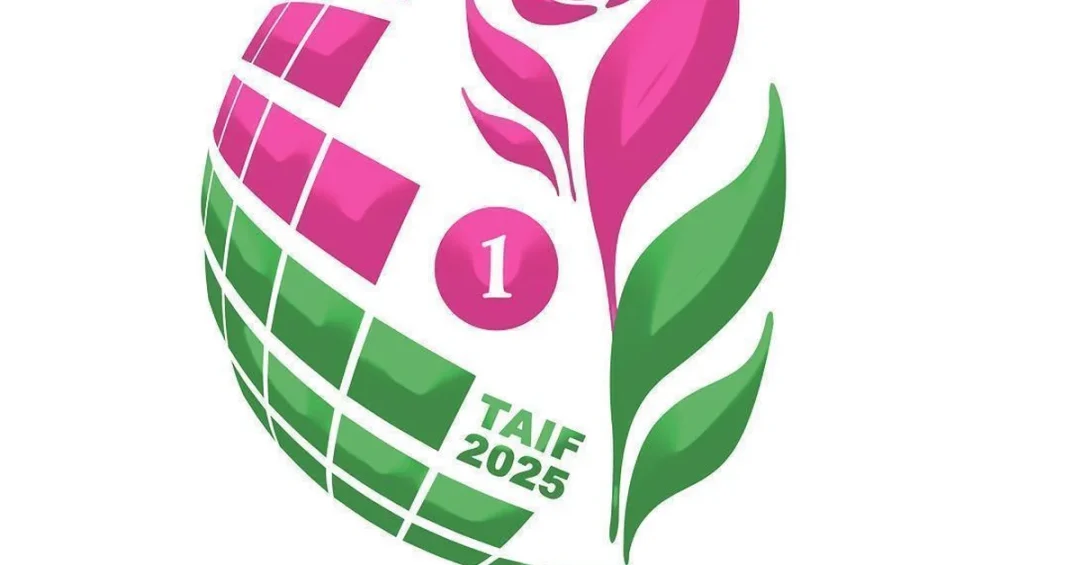
Taif will host the inaugural Rose and Aromatic Plants Global Forum from Sunday, April 13, 2025, under the patronage of Deputy Governor of Makkah Region Prince Saud bin Mishaal bin Abdulaziz, with Taif Governor Prince Saud bin Nahar bin Saud bin Abdulaziz attending, in an initiative announced by the Saudi Press Agency to strengthen the Kingdom’s position as a global hub for rose production and aromatic plant manufacturing. Running until April 26 and organized by Taif University, the forum brings together dialogue sessions, specialized workshops, and an accompanying exhibition showcasing the latest innovations and products in the sector. Could this gathering mark the moment the Taif Rose steps fully onto the world stage?
The event carries significance far beyond a regional agricultural fair. The Taif Rose, cultivated for centuries in the cool highlands of the Sarawat Mountains, stands as a symbol of Saudi perfumery and one of the Kingdom’s most internationally recognized local products. By convening researchers, producers, investors, and fragrance-industry leaders under one banner, the forum positions Taif as a center of gravity for a global conversation about aromatic plants, their economic value, and their cultural heritage. The accompanying exhibition will allow participants to explore innovations across cultivation, distillation, and product development, while the city prepares to unveil the Kingdom’s largest rose tifo through the “Tifo Rose Walk” at Arruddaf Park, a public artwork reflecting Taif’s identity as the city of roses.
Context and Background
Why does a flower grown in a mountain city matter to the world’s fragrance and wellness industries? The Taif Rose has been distilled in the region for generations, producing an oil so prized that it commands prices comparable to precious metals in international perfumery markets. The plant thrives in the high-altitude climate of Taif, where cool nights and mineral-rich soil create a chemical profile that cannot easily be replicated elsewhere. This geographic specificity is precisely what gives Saudi Arabia a defensible competitive advantage in a global essential-oil market that continues to expand as consumers seek natural, traceable, and heritage-rich ingredients. The forum arrives at a moment when that demand is rising, and when the Kingdom is actively building the institutional infrastructure to meet it.
Organized by Taif University, the forum reflects a deliberate integration of academic research with commercial ambition. Universities in Saudi Arabia have increasingly taken on convening roles that connect scientific inquiry to industry needs, and the Rose and Aromatic Plants Global Forum exemplifies this approach. Dialogue sessions will examine topics ranging from sustainable cultivation and water efficiency to distillation technology, quality certification, and international market access. Workshops will offer practical knowledge to farmers, entrepreneurs, and small and medium enterprises seeking to move beyond raw production into higher-value manufacturing. The exhibition component ensures that innovations do not remain theoretical but are displayed, tested, and discussed in a commercial setting where partnerships can form.
The timing also matters because the global aromatics sector is undergoing structural change. Consumers in Europe, Asia, and North America are increasingly interested in the provenance of ingredients, the sustainability of supply chains, and the cultural stories behind products. Saudi Arabia, through events such as this, is signaling that it intends to be a rule-maker and standard-setter in that conversation rather than a passive supplier. The presence of senior regional leadership at the opening underscores the level of official attention the sector now receives. For international observers, the forum offers a window into how the Kingdom translates cultural heritage into economic strategy.
Key Details
What exactly will take place during the two-week program? The forum opens on Sunday, April 13, and runs until April 26, with dialogue sessions and workshops organized by Taif University forming the core of the agenda. An accompanying exhibition will present the most notable innovations and products in the rose and aromatic plants field, giving participants the opportunity to explore advances in extraction, packaging, and product formulation. The event is held under the patronage of Deputy Governor of Makkah Region Prince Saud bin Mishaal bin Abdulaziz, with Taif Governor Prince Saud bin Nahar bin Saud bin Abdulaziz in attendance, a combination of official backing that signals the initiative’s importance within the Makkah Region’s development plans.
A distinctive cultural component will see Taif unveil the Kingdom’s largest rose tifo through the “Tifo Rose Walk” at Arruddaf Park. This large-scale public artwork is designed to reflect the identity of the city of roses, transforming a public space into a visual celebration of local heritage. Such installations serve a dual purpose: they attract visitors and media attention, and they reinforce community pride in a product that has shaped the region’s identity for generations. The tifo also demonstrates how cultural expression and economic promotion can reinforce one another, a theme that runs throughout the forum’s programming.
The strategic objectives are explicit. According to the Saudi Press Agency, the forum aims to establish strategic partnerships and attract investments in the roses and aromatic plants sectors. This is not simply an exhibition of existing products but a platform for deal-making, knowledge transfer, and capacity building. By bringing together international expertise and local producers, the organizers hope to accelerate the modernization of cultivation and processing methods, improve yields and quality consistency, and open new export channels. For a sector that has historically operated at a relatively small scale, the forum represents an opportunity to think in terms of global supply chains and long-term brand building.
International and Regional Impact
How will the global fragrance industry respond to a more organized Saudi aromatic plants sector? International perfume houses have long sourced natural ingredients from diverse geographies, and the Taif Rose already enjoys recognition among specialists. A forum of this kind makes it easier for buyers, researchers, and investors to engage directly with Saudi producers, shortening the distance between origin and market. It also creates a venue for discussing standards, certification, and traceability, all of which are prerequisites for premium positioning in international markets. Regional participation is likely to be strong as well, given that aromatic plants are cultivated across the Middle East and North Africa, and shared challenges in water use, climate adaptation, and value addition invite collaborative solutions.
The event also strengthens Taif’s profile as a destination for cultural and heritage tourism. The “Tifo Rose Walk” at Arruddaf Park adds a visual and experiential attraction that can draw visitors beyond the traditional rose-harvest season. When tourism, agriculture, and cultural production are aligned, the economic multiplier effects widen: hotels, restaurants, transport providers, and local artisans all benefit. For international audiences, the forum presents a nuanced picture of Saudi Arabia as a country that values its traditions while investing in modern science and commerce. That combination is central to how the Kingdom presents itself on the world stage, and events like this make the narrative tangible.
Economic and Strategic Significance
Why should investors pay attention to a forum about flowers? The answer lies in value chains. Raw rose petals and basic distilled water generate modest returns, but refined essential oil, cosmetic formulations, pharmaceutical applications, and branded luxury products capture far greater margins. The forum’s emphasis on manufacturing, innovation, and partnerships suggests a deliberate push up the value chain. If Saudi Arabia can establish reliable quality standards, certification systems, and processing capacity, it can retain more of the final product value within the Kingdom while supplying international brands that seek authentic, sustainably sourced ingredients. This is precisely the kind of economic diversification that creates skilled jobs and export revenue.
Strategic partnerships are central to that ambition. By attracting investment into cultivation, distillation, research, and marketing, the forum aims to build an ecosystem rather than isolated projects. Taif University’s role as organizer adds a research and training dimension that can sustain the sector between events. Over time, such an ecosystem could support new enterprises in agritech, biotechnology, and luxury goods, each drawing on the region’s natural advantages. The involvement of senior leadership from the Makkah Region further signals that regulatory and administrative support will be available to help initiatives move from concept to implementation. For a sector with deep cultural roots, this combination of heritage and modern investment represents a promising path forward.
Vision 2030 Alignment
How does a rose forum connect to Saudi Arabia’s long-term national strategy? Vision 2030 calls for diversifying income sources, developing non-oil sectors, and elevating the culture and status of national products. The Rose and Aromatic Plants Global Forum advances each of these objectives. It promotes a distinctive Saudi product with international recognition, encourages investment in manufacturing and innovation, and uses cultural heritage as an economic asset. By positioning Taif as a global hub for roses and aromatic plants, the initiative aligns local identity with national ambition, showing how a regional specialty can contribute to the Kingdom’s broader economic transformation.
The forum also reflects Vision 2030’s emphasis on partnerships and knowledge exchange. Bringing together government, academia, industry, and international participants creates a network capable of sustaining growth beyond the event itself. The “Tifo Rose Walk” adds a public dimension, reminding citizens and visitors that economic development and cultural pride are complementary. As Saudi Arabia continues to open to the world, initiatives like this demonstrate that modernization need not come at the expense of tradition. Instead, the Taif Rose becomes a symbol of both: a heritage product refined by science, marketed globally, and celebrated locally. The inaugural forum is therefore more than a calendar event; it is a statement of intent about the Kingdom’s place in the global aromatic plants economy.
20 Questions
Q1. What is the Rose and Aromatic Plants Global Forum?
A1. It is the inaugural edition of a forum held in Taif from April 13 to April 26, 2025, organized by Taif University, featuring dialogue sessions, workshops, and an exhibition on roses and aromatic plants.
Q2. Who is patronizing the forum?
A2. Deputy Governor of Makkah Region Prince Saud bin Mishaal bin Abdulaziz is patronizing the event, with Taif Governor Prince Saud bin Nahar bin Saud bin Abdulaziz attending, according to the Saudi Press Agency.
Q3. Where will the forum take place?
A3. The forum will take place in Taif, a highland city in the Makkah Region known for its centuries-old rose cultivation and its distinctive climate suited to aromatic plants.
Q4. When does the forum start and end?
A4. The forum commences on Sunday, April 13, 2025, and runs until April 26, 2025, offering two weeks of sessions, workshops, and exhibition activities.
Q5. Who is organizing the forum?
A5. Taif University is organizing the dialogue sessions and workshops, integrating academic expertise with industry participation and commercial exhibition components.
Q6. What is the Taif Rose?
A6. The Taif Rose is a celebrated aromatic flower cultivated in the Taif highlands, recognized as a symbol of Saudi perfumery and one of the Kingdom’s most prominent internationally known local products.
Q7. What is the “Tifo Rose Walk”?
A7. It is an event at Arruddaf Park where Taif will unveil the Kingdom’s largest rose tifo, creating a public artwork that reflects the city’s identity as the city of roses.
Q8. What are the main goals of the forum?
A8. The forum aims to establish strategic partnerships, attract investments in roses and aromatic plants, and strengthen the Kingdom’s status as a global hub for production and manufacturing in these sectors.
Q9. How does the forum support Vision 2030?
A9. It aligns with Vision 2030 objectives to diversify income sources, develop non-oil sectors, and elevate the culture and status of national products with international recognition.
Q10. What can visitors see at the exhibition?
A10. Visitors can explore the most notable innovations and products in the rose and aromatic plants field, including advances in cultivation, distillation, and product development.
Q11. Why is Taif important for rose production?
A11. Taif’s high-altitude climate, cool nights, and mineral-rich soil create ideal conditions for roses with a distinctive chemical profile prized in international perfumery.
Q12. What economic benefits are expected?
A12. The forum is expected to attract investment, create skilled jobs, support small and medium enterprises, and help Saudi Arabia capture more value from refining and manufacturing aromatic products.
Q13. Will international participants attend?
A13. The forum is designed as a global event, bringing together international researchers, producers, investors, and fragrance industry representatives to exchange knowledge and form partnerships.
Q14. What topics will the workshops cover?
A14. Workshops will address sustainable cultivation, water efficiency, distillation technology, quality certification, international market access, and value-added product development for aromatic plants.
Q15. How does the forum promote cultural heritage?
A15. Through the “Tifo Rose Walk” and its celebration of the Taif Rose, the forum highlights local identity, community pride, and the cultural significance of Saudi aromatic traditions.
Q16. What role does Taif University play?
A16. Taif University organizes the dialogue sessions and workshops, connecting academic research and training with industry needs to sustain sector growth beyond the event.
Q17. Why is the global aromatics market relevant?
A17. Global demand for natural, traceable, and heritage-rich ingredients is rising, creating opportunities for Saudi producers to supply premium international fragrance, cosmetic, and wellness markets.
Q18. What partnerships could emerge from the forum?
A18. Partnerships may form across cultivation, distillation, research, certification, marketing, and luxury product development, linking Saudi producers with international buyers and investors.
Q19. How does the event support tourism in Taif?
A19. The forum and the “Tifo Rose Walk” attract visitors and media attention, strengthening Taif’s profile as a heritage and cultural tourism destination beyond the traditional harvest season.
Q20. What does the forum signify for Saudi Arabia’s future?
A20. It signifies a strategic effort to transform a cherished local product into a globally competitive sector, reflecting the Kingdom’s broader economic diversification and cultural promotion goals.
Reader Feedback
We value your thoughts. Please share your feedback on this article.
Your feedback helps us improve our coverage.
Related articles
 Riyadh to Host Fourth Middle East Poultry Expo
 ADF Showcases Poultry Financing at Riyadh Expo
 AL PAKISTAN GULF Shipping Service Added to Dammam Port
 Taif Launches Global Forum on Rose and Aromatic Plants
 U.S. Energy Secretary Praises Saudi Solar Resources
 Al-Falih: Human Capital Key to Development in Automation Age