


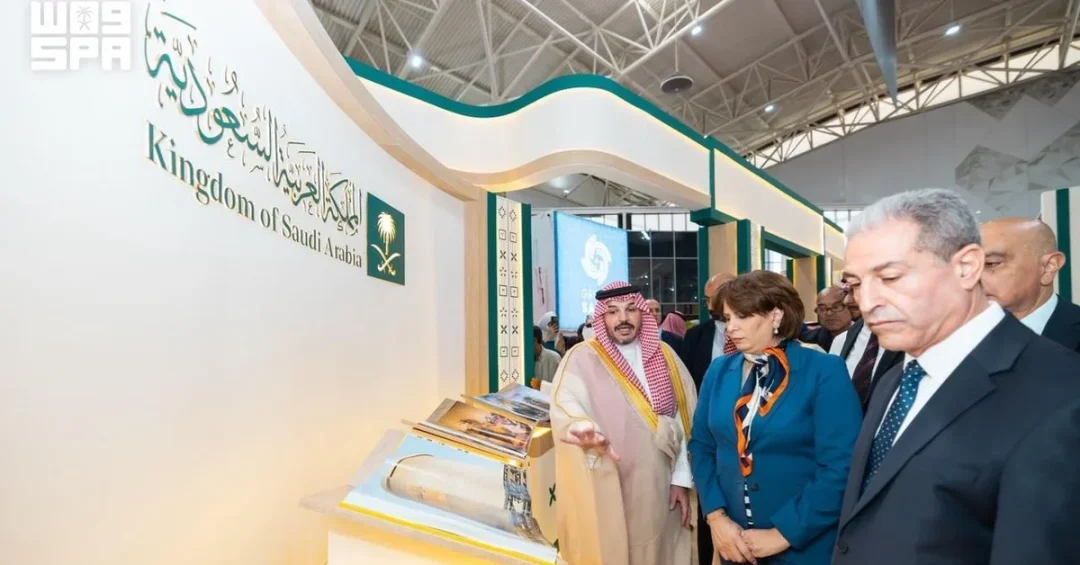
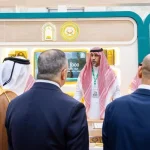
Saudi Arabia took center stage as the Guest of Honour at the Algiers International Book Fair 2026 on Thursday, when the fair’s cultural program formally began and the exhibition opened its doors to visitors in the Algerian capital. The launch event, reported by the Saudi Press Agency, brought together senior Algerian officials, Saudi diplomats, and cultural leaders, marking a high point in cultural cooperation between the two countries. The opening ceremony was attended by Algerian Minister of Culture and Arts Malika Bendouda, Saudi Ambassador to Algeria Abdullah Al-Busairi, CEO of the Literature, Publishing and Translation Commission Abdullatif Alwasel, and Commissioner of the Algiers International Book Fair Mohamed Iguerb. Their presence underscored the depth of the cultural partnership between Riyadh and Algiers, and the shared commitment to celebrating literature, translation, and intellectual exchange across the Arab world.
The ceremony began with an address by fair commissioner Mohamed Iguerb, who welcomed participants and outlined the fair’s role as a meeting point for publishers, authors, and readers from across the region. Abdullatif Alwasel then delivered a speech on behalf of Saudi Arabia, the fair’s Guest of Honour, expressing the Kingdom’s pride in participating and highlighting the development of the Saudi cultural sector under the objectives of Saudi Vision 2030. He thanked the Algerian side for its warm welcome and hospitality, reflecting the strong bilateral ties between the two nations. The ceremony concluded with an address by Algerian Minister of Culture and Arts Malika Bendouda, who welcomed Saudi Arabia as Guest of Honour and officially announced the launch of the cultural program, its seminars, and the opening of the fair to visitors. The event signals a new chapter in Saudi-Algerian cultural relations, with the Kingdom positioning itself as a global champion of books, translation, and creative industries.
Context and Background: Why Is This Cultural Moment So Significant?
The Algiers International Book Fair is one of North Africa’s largest and most established literary gatherings, drawing publishers, authors, and readers from across the Arab world and beyond. Saudi Arabia’s selection as Guest of Honour for the 2026 edition is a diplomatic and cultural milestone that reflects the Kingdom’s growing influence in the global publishing landscape. For decades, Saudi Arabia has invested in education, libraries, and literary institutions, but the pace of cultural development has accelerated dramatically under Saudi Vision 2030, the national transformation plan launched by Crown Prince Mohammed bin Salman. The Kingdom’s participation as Guest of Honour is not merely ceremonial; it represents a deliberate strategy to share Saudi literary heritage, contemporary writing, and translation initiatives with international audiences, while learning from Algeria’s rich cultural traditions and publishing expertise.
The fair’s cultural program, which began on Thursday, includes a wide array of seminars, panel discussions, poetry readings, and book signings designed to engage visitors and foster dialogue between Saudi and Algerian intellectuals. The Literature, Publishing and Translation Commission, a key body under the Saudi Ministry of Culture, has been instrumental in organizing the Kingdom’s participation, curating a program that showcases Saudi authors, translators, and publishers. By taking on the Guest of Honour role, Saudi Arabia is signaling that its cultural sector is open, dynamic, and ready to collaborate with partners across the region. The event also provides a platform for Saudi publishers to forge new partnerships, sell translation rights, and introduce Arabic-language works to a broader readership. As the fair opens to visitors, the Saudi pavilion is expected to be a focal point, offering a window into the Kingdom’s literary renaissance and its ambitious cultural goals.
The timing of this event is particularly notable, coming as Saudi Arabia continues to expand its cultural diplomacy across the Arab world and beyond. In recent years, the Kingdom has hosted major international events, launched new cultural institutions, and supported translations of Arabic literature into multiple languages. The Algiers fair offers a chance to consolidate these efforts and to build people-to-people connections that go beyond official agreements. For Algeria, hosting Saudi Arabia as Guest of Honour is an opportunity to strengthen ties with a key regional partner and to benefit from the Kingdom’s experience in cultural sector development. The presence of Algerian Minister of Culture and Arts Malika Bendouda at the opening ceremony, alongside Saudi Ambassador Abdullah Al-Busairi and other dignitaries, highlights the mutual respect and shared vision that underpin this cultural collaboration. Both countries are committed to promoting Arabic language and heritage, and the fair serves as a vibrant platform for that shared mission.
Key Details: What Does the Cultural Program Include?
The cultural program of the Algiers International Book Fair 2026 is comprehensive and designed to appeal to a wide range of audiences. According to official Saudi sources, the program features seminars on topics such as translation, digital publishing, children’s literature, and the role of cultural institutions in sustainable development. Saudi authors and intellectuals are participating in panel discussions, sharing insights on the Kingdom’s literary scene and its evolution under Vision 2030. The Saudi pavilion is showcasing a curated selection of books, including works by contemporary Saudi novelists, poets, and researchers, as well as translations of Saudi literature into French and English. This reflects the Kingdom’s commitment to cultural exchange and its desire to make Saudi voices heard on the international stage.
Abdullatif Alwasel, CEO of the Literature, Publishing and Translation Commission, used his speech to highlight the development of the Saudi cultural sector and to express gratitude for Algeria’s hospitality. His remarks emphasized that Saudi Arabia’s participation as Guest of Honour is part of a broader effort to support the publishing industry, encourage reading, and promote Arabic language and culture. The commission has been actively involved in organizing the Saudi presence at the fair, coordinating with Algerian counterparts to ensure a rich and varied program. The fair commissioner, Mohamed Iguerb, welcomed the Saudi delegation and praised the Kingdom’s contributions to Arab culture. The opening ceremony concluded with Algerian Minister Malika Bendouda officially launching the cultural program and declaring the fair open to visitors. The event was attended by a large number of officials, intellectuals, and media professionals from both countries, underscoring the high level of interest in Saudi-Algerian cultural cooperation.
The fair itself is expected to attract thousands of visitors over its duration, offering a unique opportunity for the Saudi publishing sector to engage with a North African audience. Saudi publishers are using the occasion to network with Algerian and international counterparts, explore co-publishing opportunities, and discuss translation rights. The cultural program also includes workshops for young writers and translators, aimed at nurturing the next generation of literary talent. These initiatives align with Vision 2030’s goal of empowering youth and promoting cultural participation. By participating as Guest of Honour, Saudi Arabia is not only showcasing its own cultural achievements but also contributing to the vitality of the broader Arab literary ecosystem. The fair’s seminars and events provide a forum for dialogue on pressing issues facing the publishing industry, such as digital transformation, copyright protection, and the promotion of reading habits in the digital age.
International and Regional Impact: How Does This Strengthen Saudi-Algerian Ties?
Saudi Arabia’s role as Guest of Honour at the Algiers International Book Fair 2026 has significant implications for regional cultural diplomacy. It reinforces the strong bilateral relationship between the Kingdom and Algeria, two major Arab nations with deep historical and cultural connections. The presence of Saudi Ambassador Abdullah Al-Busairi at the opening ceremony, alongside Algerian Minister of Culture and Arts Malika Bendouda, symbolizes the political will to deepen cooperation in culture, education, and youth exchange. This cultural engagement complements existing economic and political ties, creating a more holistic partnership that benefits both peoples. For Saudi Arabia, the fair is an opportunity to project a positive image of its cultural modernization and to counter stereotypes by presenting the Kingdom’s vibrant literary and artistic scene.
Regionally, the event underscores Saudi Arabia’s growing leadership in Arab cultural affairs. By taking on the Guest of Honour mantle, the Kingdom is positioning itself as a bridge between the Gulf and North Africa, facilitating the exchange of ideas, books, and creative talent. This is particularly important as the Arab world seeks to strengthen its cultural industries and preserve its linguistic heritage. The fair also provides a platform for Saudi Arabia to engage with intellectuals and media professionals from across the region, fostering a network of cultural ambassadors who can share the Kingdom’s Vision 2030 narrative. Algerian officials have warmly welcomed Saudi participation, recognizing the mutual benefits of cultural collaboration. The event is expected to lead to new agreements between Saudi and Algerian cultural institutions, including joint translation projects, book fairs, and artist residencies. Such initiatives will further integrate the two countries’ cultural sectors and enhance people-to-people ties.
On the international stage, Saudi Arabia’s active participation in the Algiers fair demonstrates its commitment to multilateral cultural engagement. The Kingdom is not only a participant but a leader, using its Guest of Honour status to highlight the importance of translation and cross-cultural understanding. This aligns with global efforts to promote dialogue among civilizations and to support the United Nations’ Sustainable Development Goals, particularly those related to education and cultural heritage. The fair also attracts international publishers and literary agents, giving Saudi authors and publishers greater visibility and opportunities for global reach. By investing in cultural diplomacy, Saudi Arabia is building soft power and strengthening its reputation as a dynamic, forward-looking nation. The Algiers fair is thus a key node in the Kingdom’s expanding network of cultural partnerships, which includes major events in Europe, Asia, and the Americas.
Economic and Strategic Significance: What Does This Mean for the Publishing Sector?
The Algiers International Book Fair is not only a cultural event but also an economic one, with significant implications for the publishing and creative industries. For Saudi publishers, the fair offers a marketplace to sell books, negotiate rights, and form joint ventures with Algerian and international counterparts. The Literature, Publishing and Translation Commission has been working to expand the Saudi publishing sector, which is a key component of the cultural economy envisioned under Vision 2030. By participating as Guest of Honour, Saudi Arabia is opening doors for its publishers to access North African markets and to collaborate on projects that can increase the reach of Arabic-language content. The fair also serves as a venue for discussing industry challenges, such as piracy, distribution, and digital transformation, and for sharing best practices.
Strategically, Saudi Arabia’s cultural investment in Algeria reflects a broader vision of economic diversification and regional integration. The Kingdom is seeking to reduce its dependence on oil by developing knowledge-based sectors, including publishing, translation, and creative industries. Cultural exchange events like the Algiers fair help to build the human capital and networks needed for this transition. They also promote Saudi Arabia as a destination for cultural tourism and investment, complementing other Vision 2030 initiatives such as NEOM, the Red Sea Project, and Diriyah Gate. By supporting the publishing sector, the Kingdom is nurturing a creative economy that can generate jobs, stimulate innovation, and enhance the quality of life for its citizens. The fair also provides an opportunity for Saudi cultural entrepreneurs to connect with Algerian counterparts, sharing expertise in areas such as digital content, audiobooks, and online bookstores.
The economic benefits extend beyond publishing to related sectors such as printing, design, translation services, and event management. Saudi Arabia’s participation in the fair can lead to concrete business deals and partnerships that will strengthen the cultural economy of both countries. For Algeria, hosting Saudi Arabia as Guest of Honour can boost its own publishing industry by exposing local publishers to Saudi markets and facilitating translations of Algerian literature into Arabic and other languages. The fair thus serves as a catalyst for economic and cultural cooperation, with the potential to create lasting value for both nations. The Saudi delegation’s engagement with Algerian officials and business leaders is expected to yield agreements that will further integrate the two countries’ cultural economies, in line with the broader goals of Vision 2030 and Algeria’s own development plans.
Vision 2030 Alignment: How Does This Reflect the Kingdom’s Cultural Transformation?
Saudi Arabia’s participation as Guest of Honour at the Algiers International Book Fair 2026 is a direct reflection of the cultural objectives of Saudi Vision 2030. The Vision, launched in 2016, aims to diversify the economy, empower citizens, and promote a vibrant cultural life. Under the leadership of Crown Prince Mohammed bin Salman, the Kingdom has invested heavily in cultural infrastructure, including the establishment of the Ministry of Culture, the Literature, Publishing and Translation Commission, and numerous cultural festivals and initiatives. These efforts are designed to preserve Saudi heritage while encouraging contemporary creativity and international exchange. The Algiers fair is a testament to the success of these initiatives, showcasing Saudi authors, translators, and publishers on a regional stage and demonstrating the Kingdom’s commitment to cultural diplomacy.
Moreover, the fair aligns with Vision 2030’s goal of enhancing Saudi Arabia’s global standing and building bridges with other nations. By taking on the Guest of Honour role, the Kingdom is not only sharing its culture but also learning from Algeria’s rich literary traditions. This two-way exchange is essential for fostering mutual understanding and respect. The cultural program’s seminars and workshops provide a platform for Saudi intellectuals to engage with regional peers, discuss common challenges, and explore collaborative solutions. The event also highlights the role of translation in bridging cultures, a key priority for the Literature, Publishing and Translation Commission. As Saudi Arabia continues its cultural transformation, participation in events like the Algiers fair will remain a cornerstone of its strategy to promote Arabic language and culture globally. The Kingdom’s forward-looking approach, rooted in Vision 2030, ensures that its cultural sector will continue to thrive and contribute to the nation’s prosperity and global influence.
20 Questions
Q1. What is the Algiers International Book Fair 2026?
A1. The Algiers International Book Fair 2026 is a major literary exhibition held in Algiers, Algeria, featuring publishers, authors, and cultural programs. Saudi Arabia is the Guest of Honour, highlighting its cultural achievements under Vision 2030.
Q2. When did the cultural program of the fair begin?
A2. The cultural program began on Thursday, October 29, 2026, coinciding with the opening of the fair to visitors, as reported by the Saudi Press Agency.
Q3. Who attended the opening ceremony?
A3. The ceremony was attended by Algerian Minister of Culture and Arts Malika Bendouda, Saudi Ambassador to Algeria Abdullah Al-Busairi, CEO of the Literature, Publishing and Translation Commission Abdullatif Alwasel, and fair commissioner Mohamed Iguerb.
Q4. What is Saudi Arabia’s role at the fair?
A4. Saudi Arabia is the Guest of Honour, a role that allows the Kingdom to showcase its literary and cultural achievements, participate in seminars, and promote cultural exchange with Algeria and other nations.
Q5. Who delivered a speech on behalf of Saudi Arabia?
A5. Abdullatif Alwasel, CEO of the Literature, Publishing and Translation Commission, delivered a speech expressing Saudi Arabia’s pride in participating and highlighting the development of the Saudi cultural sector under Vision 2030.
Q6. What did the Algerian Minister of Culture announce?
A6. Algerian Minister of Culture and Arts Malika Bendouda welcomed Saudi Arabia as Guest of Honour and announced the launch of the cultural program, its seminars, and the opening of the fair to visitors.
Q7. What does the cultural program include?
A7. The program includes seminars, panel discussions, poetry readings, book signings, and workshops on topics such as translation, digital publishing, and children’s literature, featuring Saudi and Algerian intellectuals.
Q8. Why is Saudi Arabia’s participation significant?
A8. It reflects Saudi Arabia’s growing cultural influence and its commitment to cultural diplomacy under Vision 2030, strengthening ties with Algeria and showcasing the Kingdom’s literary renaissance.
Q9. How does this event align with Vision 2030?
A9. The event aligns with Vision 2030’s cultural objectives by promoting Saudi literature, supporting the publishing sector, and enhancing international cultural exchange, all of which contribute to economic diversification and global engagement.
Q10. What is the Literature, Publishing and Translation Commission?
A10. It is a Saudi government body under the Ministry of Culture responsible for developing the publishing and translation sectors, supporting authors, and promoting Saudi literature internationally, in line with Vision 2030.
Q11. What benefits does the fair offer to Saudi publishers?
A11. Saudi publishers can network with international counterparts, negotiate translation rights, explore co-publishing opportunities, and gain access to North African markets, helping to expand the reach of Arabic literature.
Q12. How does the fair strengthen Saudi-Algerian relations?
A12. The fair fosters cultural diplomacy, builds people-to-people ties, and creates opportunities for collaboration in publishing, translation, and education, reinforcing the strong bilateral relationship between the two countries.
Q13. What are the economic implications of the fair?
A13. The fair stimulates the publishing and creative industries, generates business deals, and supports the growth of a knowledge-based economy, which is a key goal of Saudi Vision 2030.
Q14. Will there be opportunities for young writers and translators?
A14. Yes, the cultural program includes workshops and seminars aimed at nurturing young talent, providing them with skills and networks to contribute to the literary sector.
Q15. How does the fair promote Arabic language and culture?
A15. By featuring Arabic-language books, translation initiatives, and cultural discussions, the fair highlights the richness of Arabic literature and encourages cross-cultural understanding among participants and visitors.
Q16. What role does translation play in Saudi Arabia’s cultural strategy?
A16. Translation is a key priority for the Literature, Publishing and Translation Commission, as it bridges cultures, makes Saudi literature accessible globally, and brings international works to Arabic readers.
Q17. What can visitors expect at the Saudi pavilion?
A17. Visitors can explore a curated selection of Saudi books, meet authors, attend signings, and learn about Saudi cultural initiatives, including translation projects and digital publishing innovations.
Q18. How does the fair reflect Saudi Arabia’s global cultural engagement?
A18. It demonstrates the Kingdom’s active role in international cultural diplomacy, building partnerships, and promoting mutual understanding, which enhances Saudi Arabia’s soft power and global standing.
Q19. What are the long-term goals of Saudi Arabia’s participation?
A19. The goals include expanding the reach of Saudi literature, fostering sustainable cultural partnerships, supporting the publishing industry, and contributing to the realization of Vision 2030’s cultural and economic objectives.
Q20. Where can one find more information about the fair?
A20. More information can be found through official Saudi sources such as the Saudi Press Agency and the Literature, Publishing and Translation Commission, as well as the fair’s official channels.
Reader Feedback
We value your thoughts. Please share your feedback on this article.
Your feedback helps us improve our coverage.
Related articles
 Hayy Cinema Jeddah Explores Journeys Through ‘Between Destinations
 European Film Festival Returns to Riyadh for Fifth Edition
 Rashrash: Jazan’s Silver Necklace and Jewelry Heritage
 Two Falcons Sell for SAR304,000 at Saudi Auction 2026
 Hail Arabian Horse Championship Opens with 280+ Horses
 Saudi Ministry Joins Algiers Book Fair as Kingdom Is Guest of Honor