


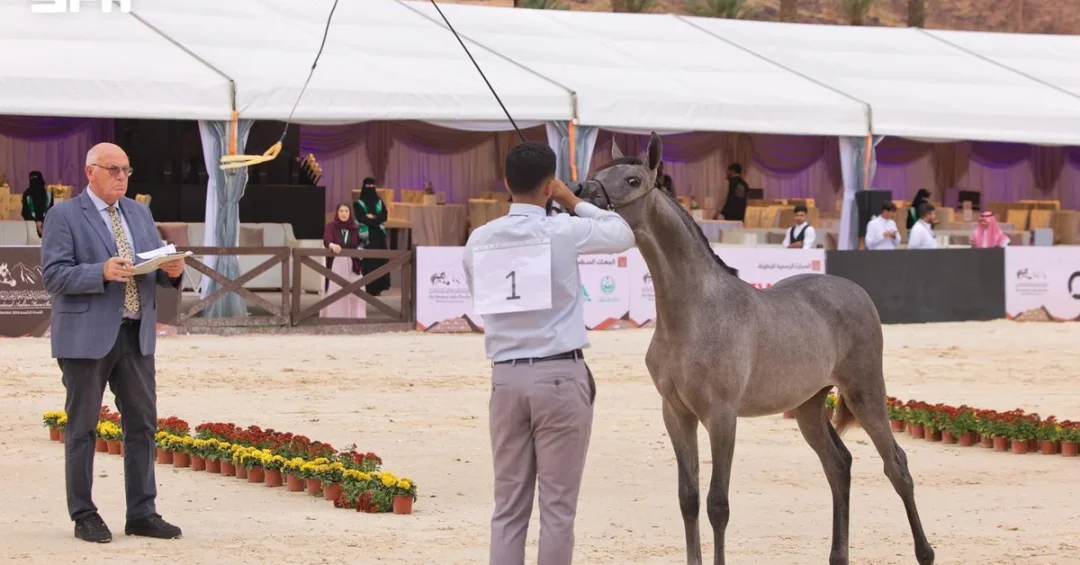
The Hail International Arabian Horse Beauty Championship opened on Wednesday in the northern Saudi city of Hail, drawing more than 280 horses that will compete through October 31 under the patronage of Prince Abdulaziz bin Saad bin Abdulaziz, Governor of the Hail Region. The opening day attracted large crowds of Arabian horse enthusiasts who gathered to follow the initial competition rounds, underscoring the deep cultural bond between the Kingdom and the Arabian horse. The event, announced through official Saudi channels including the Saudi Press Agency, positions Hail once again as a seasonal capital of equestrian heritage in the region.
Why does a single championship in a northern Saudi city command such attention from breeders, enthusiasts, and international observers alike? Because the Arabian horse is far more than an animal in the Kingdom — it is a living symbol of identity, history, and pride that stretches back centuries across the Arabian Peninsula. The Hail championship brings that symbol into the present, showcasing the finest bloodlines while creating space for commerce, tourism, and cultural exchange. The event runs alongside more than 35 pavilions displaying agricultural and industrial products from local producers, alongside equestrian supplies, horse accessories, antiques, and collectibles.
Context and Background
What makes the Hail International Arabian Horse Beauty Championship distinctive on the global equestrian calendar? The competition rests on a heritage that predates modern sporting institutions. The Arabian horse, renowned for endurance, intelligence, and refined beauty, has been bred on the peninsula for millennia and is considered the foundational ancestor of many of the world’s most celebrated breeds. Hail, long recognized as a heartland of equestrian tradition in Saudi Arabia, has hosted successive editions of this championship as part of a broader national effort to preserve and celebrate that legacy.
The timing of the event reflects deliberate planning within the Kingdom’s cultural calendar. Running from late October through October 31, the championship coincides with favorable weather in the north of the country, drawing visitors and participants from across the region. Under the patronage of Prince Abdulaziz bin Saad bin Abdulaziz, the championship carries the weight of official support and signals that equestrian heritage is treated as a national priority rather than a niche interest. Similar gatherings across the Kingdom throughout the year form a circuit that keeps breeders connected, elevates standards of care, and sustains a community of specialists.
How does a beauty championship differ from a race? Judging focuses on conformation, movement, demeanor, and overall elegance — qualities that breeders spend generations refining. The competition structure allows owners and handlers to present horses against peers of similar age and type, allowing judges to assess the finest attributes of each bloodline. For audiences, the format offers an accessible, visually captivating entry point into a sophisticated discipline, one that rewards patience, knowledge, and craftsmanship as much as athletic performance.
Key Details of the Championship
What do visitors encounter on the grounds of the championship? Beyond the judging arena, the event has been designed as a multifaceted experience. More than 35 pavilions present agricultural and industrial products from local producers, alongside equestrian supplies, horse accessories, antiques, and collectibles. This marketplace dimension transforms the championship into a cultural and commercial hub where breeders, artisans, and small businesses meet directly with audiences. Local producers gain exposure to visitors from outside the region, while equestrian specialists find the tools and materials their craft demands.
The scale of participation — over 280 horses — reflects the strength of the Kingdom’s breeding community and the pull of Hail as a venue. Each competing horse represents years of investment, training, and careful lineage management. Handlers, owners, and breeding farms bring teams to present their finest animals, and the opening day clearly resonated with the public, with large crowds following the rounds closely. That turnout demonstrates that equestrian culture remains deeply embedded in Saudi society, appealing across generations and backgrounds.
Which elements of the daily program draw the greatest engagement? The competition rounds themselves form the centerpiece, with successive evaluations building toward final honors. Around the arena, the pavilion area provides a complementary rhythm for attendees — browsing, conversing, and exchanging knowledge. Vendors of antiques and collectibles add a narrative dimension, connecting present-day enthusiasts with the material culture of the past. Together, these elements make the championship a destination rather than a single afternoon’s entertainment.
International and Regional Impact
Why should audiences beyond Saudi Arabia take notice of a championship in Hail? The Arabian horse possesses global currency. Breeders and stud farms across Europe, the Americas, and Asia trace prized lineages to the Arabian Peninsula, and events like this one reinforce the Kingdom’s standing as a custodian of the breed’s heritage. By maintaining rigorous standards and welcoming broad participation, the championship contributes to an international conversation about preservation, animal welfare, and equestrian excellence. It also opens opportunities for knowledge exchange with visiting specialists and institutions.
Regionally, the event strengthens Hail’s identity as a cultural destination within the Kingdom and the wider Gulf. Neighboring countries with strong equestrian traditions share an interest in the preservation of the Arabian horse, creating natural avenues for cooperation, friendly competition, and shared celebration. The championship also complements broader efforts to develop domestic tourism in regions outside the major metropolitan centers, distributing economic and cultural benefits more widely. Visitors who travel to Hail for the horses encounter the region’s hospitality, landscape, and heritage, many for the first time.
Economic and Strategic Significance
How does an equestrian championship translate into economic value? The presence of hundreds of participants, support teams, and visitors generates demand across hospitality, transportation, retail, and food services in the Hail region. The pavilion marketplace channels that demand directly to local producers of agricultural and industrial goods, giving small businesses a platform to reach new customers. Equestrian suppliers and accessory vendors likewise benefit from concentrated attention. Over time, such events build the case for investment in related infrastructure — stables, training facilities, veterinary services, and event venues.
Strategically, the championship advances the Kingdom’s wider goal of diversifying the experiences available to residents and visitors. Heritage sports and cultural festivals serve as anchors for tourism development, offering reasons to travel that are rooted in authentic national identity rather than imported entertainment. The Arabian horse sits at the center of that proposition: it is unmistakably Saudi, deeply historical, and immediately compelling to international audiences. Sustained investment in events like the Hail championship helps build a year-round calendar of cultural tourism that supports local economies and strengthens national pride.
What role does official patronage play in this equation? The support of the Governor of Hail Region signals coordination among cultural, economic, and tourism priorities at the regional level. Patronage also reassures participants and sponsors that the event is stable and credible, encouraging long-term commitments from breeders and businesses alike. In a competitive international events landscape, such backing provides the continuity that allows a championship to mature into an institution.
Vision 2030 Alignment
How does a championship for Arabian horses connect to Saudi Arabia’s long-term transformation? Vision 2030 emphasizes the preservation and celebration of national heritage as a pillar of cultural vitality alongside economic diversification. The Hail International Arabian Horse Beauty Championship embodies both dimensions: it honors a tradition at the core of Saudi identity while generating tourism, commerce, and community engagement. By showcasing local producers and equestrian crafts within the event, the championship also supports the growth of small businesses and the development of regional economies.
The championship reflects a broader pattern in which the Kingdom invests in cultural and sporting events as engines of quality of life and international connection. Each edition adds to the record of a region opening its doors, welcoming visitors, and presenting its heritage with confidence. As the competition rounds continue through October 31, the outcome will be measured not only in prizes awarded but in the relationships formed and the audiences inspired. The Hail championship stands as a forward-looking celebration of a heritage that continues to shape Saudi Arabia’s place in the world.
20 Questions
Q1. When did the Hail International Arabian Horse Beauty Championship open?
A1. The championship opened on Wednesday in the city of Hail, in the northern region of Saudi Arabia, according to an announcement carried by the Saudi Press Agency. The event runs through October 31.
Q2. How many horses are competing in the championship?
A2. More than 280 horses are competing in this edition of the championship. The participants represent the strength and depth of the Kingdom’s breeding community, presenting carefully prepared animals across multiple competition categories.
Q3. Under whose patronage is the championship being held?
A3. The championship is held under the patronage of Prince Abdulaziz bin Saad bin Abdulaziz, Governor of the Hail Region. His support underscores the official recognition of equestrian heritage as a national cultural priority.
Q4. How long does the championship last?
A4. The competition runs through October 31, having opened on Wednesday. The multi-day format allows judges to evaluate successive rounds and gives visitors ample opportunity to attend the event.
Q5. What else does the championship feature besides horse judging?
A5. The championship features more than 35 pavilions displaying agricultural and industrial products from local producers. The pavilions also include equestrian supplies, horse accessories, antiques, and collectibles.
Q6. Who attended the opening day?
A6. Large crowds of Arabian horse fans attended and followed the opening day’s competition rounds. Their presence reflects the enduring popularity of equestrian culture among the Saudi public.
Q7. Why is Hail a significant location for this event?
A7. Hail has long been recognized as a heartland of equestrian tradition in Saudi Arabia. Hosting the championship there reinforces the city’s identity as a cultural and heritage destination within the Kingdom.
Q8. What qualities are judged in an Arabian horse beauty championship?
A8. Judges assess conformation, movement, demeanor, and overall elegance. These qualities reflect generations of careful breeding and the refined characteristics for which the Arabian horse is celebrated worldwide.
Q9. How historically important is the Arabian horse?
A9. The Arabian horse has been bred on the Arabian Peninsula for millennia. It is widely regarded as the foundational ancestor of many celebrated breeds and remains a living symbol of Saudi identity and pride.
Q10. What economic benefits does the championship bring to the Hail region?
A10. The championship generates demand across hospitality, transportation, retail, and food services. The pavilion marketplace gives local producers of agricultural and industrial goods direct exposure to new audiences.
Q11. Are local businesses involved in the event?
A11. Yes. More than 35 pavilions showcase products from local producers, alongside vendors of equestrian supplies and accessories. This structure channels commercial activity directly to regional businesses and artisans.
Q12. What is the significance of official patronage for the event?
A12. Official patronage signals coordination among cultural, economic, and tourism priorities. It also reassures participants and sponsors, encouraging long-term commitments that help the championship mature into a stable institution.
Q13. How does the championship support tourism in Saudi Arabia?
A13. The championship gives visitors a compelling reason to travel to Hail and experience the region’s hospitality and heritage. It contributes to a growing calendar of cultural tourism across the Kingdom.
Q14. Is the event open to international audiences?
A14. The championship welcomes broad participation and interest, and it contributes to an international conversation about preserving the Arabian horse. Enthusiasts from outside the Kingdom follow such events closely.
Q15. What kinds of items can visitors browse at the pavilions?
A15. Visitors can browse agricultural and industrial products from local producers, along with equestrian supplies, horse accessories, antiques, and collectibles. The marketplace complements the judging arena.
Q16. How does the event reflect Saudi heritage?
A16. The Arabian horse is central to Saudi identity and history. By celebrating the finest bloodlines alongside traditional crafts and collectibles, the championship presents heritage as a living, contemporary experience.
Q17. What happens after the opening day’s rounds?
A17. Competition continues through October 31, with successive judging rounds building toward final honors. Visitors can attend the remaining rounds and explore the pavilion area throughout the event.
Q18. How does the championship connect to Vision 2030?
A18. Vision 2030 emphasizes preserving national heritage while diversifying the economy and enhancing quality of life. The championship advances both goals by combining cultural celebration with tourism and commerce.
Q19. What does the turnout on opening day indicate?
A19. The large crowds indicate that equestrian culture remains deeply embedded in Saudi society. The event appeals across generations, demonstrating the enduring public connection to the Arabian horse.
Q20. Where was the championship announced?
A20. The championship was announced through official Saudi channels, including the Saudi Press Agency. The reporting confirmed the dates, patronage, scale of participation, and pavilion details.
Reader Feedback
We value your thoughts. Please share your feedback on this article.
Your feedback helps us improve our coverage.