


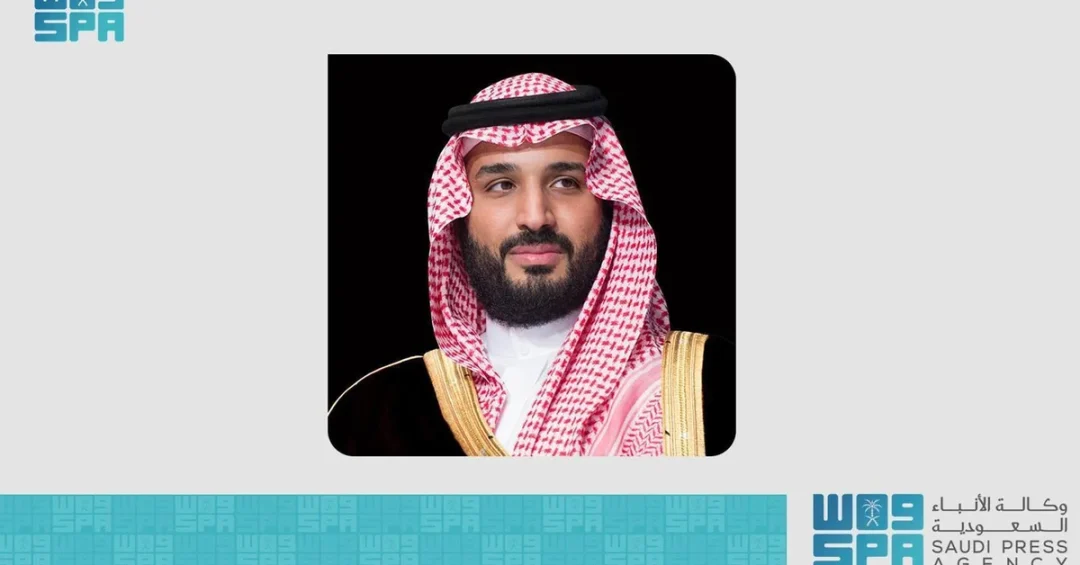
His Royal Highness Prince Mohammed bin Salman bin Abdulaziz Al Saud, Crown Prince and Prime Minister of the Kingdom of Saudi Arabia, has sent a cable of condolences to Prime Minister Anwar Ibrahim of Malaysia on the passing of former Malaysian Prime Minister Abdullah Ahmad Badawi, according to the Saudi Press Agency. The message, dispatched from Jeddah, conveyed the Kingdom’s sincere sympathies to the prime minister, the Badawi family, and the people of Malaysia. In the cable, HRH the Crown Prince wished Prime Minister Ibrahim constant good health and extended prayers for the deceased. The gesture underscores the enduring diplomatic and personal ties between Saudi Arabia and Malaysia, two nations bound by shared Islamic heritage and growing economic partnership.
Why does a simple condolence cable from Riyadh to Kuala Lumpur carry weight beyond protocol? In international diplomacy, such communications are far more than formalities. They reflect the depth of bilateral relations, the respect between leaders, and the shared values that underpin cooperation. Saudi Arabia and Malaysia have long maintained a relationship rooted in mutual respect, religious solidarity, and expanding trade and investment. The Crown Prince’s message is a testament to that enduring bond, arriving at a moment when both countries are pursuing ambitious national transformation agendas. It also highlights Saudi Arabia’s consistent role as a responsible global actor, one that honors friendships and pays tribute to leaders who have contributed to international understanding.
Context and Background
Who was Abdullah Ahmad Badawi, and why does his passing resonate across the Islamic world? Abdullah Ahmad Badawi served as the fifth Prime Minister of Malaysia from 2003 to 2009. He was a statesman known for his moderate leadership, his commitment to Islamic values, and his efforts to promote harmony among Malaysia’s multi-ethnic society. During his tenure, Malaysia strengthened its ties with the Middle East, including Saudi Arabia, and he was widely respected for his diplomatic approach. His death marks the end of an era for Malaysian politics and has drawn condolences from leaders across the globe. The Kingdom’s message, therefore, is not only a diplomatic courtesy but a recognition of a leader who worked to bridge cultures and faiths.
Saudi-Malaysian relations have deep historical roots. The two countries have cooperated in areas ranging from pilgrimage services to trade and education. Malaysia is a significant partner for Saudi Arabia in Southeast Asia, and the Kingdom is a major source of investment and energy for Malaysia. In recent years, ties have expanded under Saudi Vision 2030 and Malaysia’s own development plans. The Crown Prince’s cable, sent on April 15, 2025, comes as both nations seek to deepen economic collaboration, particularly in halal industries, Islamic finance, and technology. The message thus serves as a reminder of the personal diplomacy that complements institutional ties, reinforcing the human dimension of state relations.
What does this condolence cable reveal about Saudi Arabia’s diplomatic style under Crown Prince Mohammed bin Salman? It demonstrates a leadership approach that values personal connections and timely gestures. HRH the Crown Prince has consistently emphasized the importance of international partnerships and respect for global leaders. By reaching out to Prime Minister Anwar Ibrahim, he not only honors the memory of a former prime minister but also strengthens the rapport with Malaysia’s current government. This aligns with Saudi Arabia’s broader foreign policy of building bridges, promoting moderate Islam, and fostering stability. The cable is a small but meaningful example of how the Kingdom engages with the world with dignity and empathy.
Key Details of the Condolence Message
What exactly did the cable convey? According to the Saudi Press Agency, HRH the Crown Prince expressed “sincere condolences to the prime minister and the family of the deceased” and wished Prime Minister Ibrahim “constant good health.” The message was sent from Jeddah, the Kingdom’s diplomatic and commercial hub on the Red Sea. The timing, April 15, 2025, places it shortly after the announcement of Badawi’s death. The cable is a formal yet heartfelt communication that follows established diplomatic norms while carrying a personal touch. It reflects the Crown Prince’s attention to international affairs and his commitment to maintaining strong ties with Malaysia, a key partner in Southeast Asia and the wider Islamic world.
The Saudi Press Agency reported the cable at 20:14 local time, underscoring the rapid response from Riyadh. Such promptness is characteristic of Saudi diplomacy, which places a premium on timely engagement. The message also included prayers for the deceased, a common element in Islamic condolences that underscores shared faith. For Malaysia, a nation with a Muslim majority, this gesture resonates deeply. It reaffirms the solidarity between the two countries and the mutual respect that has characterized their relationship for decades. The cable is not an isolated act but part of a pattern of high-level exchanges that keep the bilateral relationship vibrant and forward-looking.
How does this fit into the broader context of Saudi-Malaysian diplomatic exchanges? In recent years, Saudi and Malaysian leaders have met frequently at international forums and through state visits. Trade between the two nations has grown, and Saudi investment in Malaysia has increased, particularly in the energy and real estate sectors. Cultural and educational exchanges have also expanded, with Malaysian students studying in Saudi universities and Saudi cultural weeks held in Kuala Lumpur. The condolence cable is a reflection of this multifaceted relationship. It shows that even in moments of mourning, the two countries find ways to reaffirm their friendship and shared objectives, laying the groundwork for future cooperation.
International and Regional Impact
Why does this development matter to the wider region and the world? In Southeast Asia, Malaysia is a pivotal nation, and its stability and prosperity are important for regional balance. Saudi Arabia’s gesture of condolence reinforces its role as a reliable partner and a voice of moderation. It also sends a signal to other nations in the region that the Kingdom values long-standing friendships and is attentive to the concerns of its allies. In a world of shifting alliances, such consistency is valuable. Moreover, the message highlights the shared Islamic identity that binds Saudi Arabia and Malaysia, promoting unity within the Ummah. This is particularly significant as both countries advocate for peaceful coexistence and dialogue among civilizations.
On the global stage, the cable adds to Saudi Arabia’s image as a responsible international actor. Under Vision 2030, the Kingdom has sought to diversify its partnerships and present itself as a hub for diplomacy, business, and culture. Condolence messages may seem minor, but they contribute to the soft power that Saudi Arabia wields. They show that the Kingdom is not solely focused on economic interests but also on human connections and moral support. For international observers, this reinforces the narrative of a modern, engaged Saudi Arabia that respects global norms while staying true to its values. It also strengthens the personal relationship between Crown Prince Mohammed bin Salman and Prime Minister Anwar Ibrahim, which can facilitate future diplomatic and economic initiatives.
What does this mean for the broader Muslim world? Both Saudi Arabia and Malaysia are influential Islamic nations, and their cooperation can have a positive impact on issues ranging from pilgrimage management to Islamic finance. The condolence cable, by honoring a former Malaysian leader, acknowledges the contributions of a man who worked to promote moderate Islam. This aligns with Saudi Arabia’s efforts to counter extremism and promote tolerance. It also sets a tone of respect and solidarity that can inspire other Muslim countries to strengthen their ties. In this sense, the message is a small but meaningful building block in the architecture of Islamic cooperation and global peace.
Economic and Strategic Significance
How does this diplomatic gesture intersect with economic and strategic interests? Saudi Arabia and Malaysia have a robust economic relationship. Malaysia is a major importer of Saudi crude oil and a source of halal products, palm oil, and electronics for the Kingdom. Saudi Arabia, through its Public Investment Fund (PIF), has invested in Malaysian infrastructure and technology projects. The two countries are also exploring collaboration in renewable energy, digital economy, and Islamic finance. A strong diplomatic rapport, exemplified by the condolence cable, helps create a conducive environment for business and investment. It reassures Malaysian stakeholders that Saudi Arabia values the relationship and is committed to its continuity, which can lead to new deals and joint ventures.
Strategically, Malaysia is a key partner for Saudi Arabia in Southeast Asia, a region of growing importance. The Kingdom’s engagement with Malaysia is part of a broader outreach to Asia, which includes China, India, and Japan. By maintaining close ties with Malaysia, Saudi Arabia gains a foothold in ASEAN and can participate in regional dialogues on trade, security, and culture. The condolence cable, though symbolic, reinforces this strategic alignment. It also complements Saudi Arabia’s efforts to diversify its alliances beyond traditional Western partners, a cornerstone of Vision 2030. In times of global uncertainty, such relationships provide stability and opportunities for mutual growth.
What role does personal diplomacy play in these strategic calculations? Leaders’ personal relationships often pave the way for smoother negotiations and deeper cooperation. Crown Prince Mohammed bin Salman’s message to Prime Minister Anwar Ibrahim is an example of personal diplomacy that can yield tangible benefits. It builds trust and goodwill, which are essential for tackling complex issues like trade agreements, investment protection, and cultural exchanges. By taking the time to express condolences, HRH the Crown Prince signals that Saudi Arabia sees Malaysia as a friend, not just a transactional partner. This can open doors for collaboration on Vision 2030 projects, such as NEOM and the Red Sea development, where Malaysian expertise or investment might be welcome.
Vision 2030 Alignment
How does this condolence cable align with Saudi Vision 2030? Vision 2030 is not only about economic transformation; it also encompasses Saudi Arabia’s role in the world. A key pillar is to strengthen the Kingdom’s international partnerships and enhance its soft power. By reaching out to Malaysia in a moment of grief, HRH the Crown Prince embodies the vision’s emphasis on diplomacy, respect, and global engagement. This act contributes to Saudi Arabia’s image as a modern, compassionate nation that honors its friends. It also supports the vision’s goal of promoting moderate Islam and intercultural dialogue, values that are shared by Malaysia. Thus, the cable is a small but consistent piece of the larger Vision 2030 mosaic.
Moreover, the relationship with Malaysia can directly support Vision 2030’s economic objectives. Malaysia’s expertise in Islamic finance, halal certification, and technology can help Saudi Arabia develop these sectors as part of its diversification strategy. Saudi investments in Malaysia can yield returns that fund Vision 2030 projects at home. Cultural and educational exchanges can enrich Saudi society and foster the knowledge economy. By maintaining strong diplomatic ties, as demonstrated by the condolence message, Saudi Arabia keeps the door open for such collaborations. The Crown Prince’s gesture, therefore, is not just a diplomatic nicety but a strategic investment in a partnership that can help realize the Kingdom’s long-term ambitions.
In conclusion, HRH the Crown Prince’s cable of condolences to Prime Minister Anwar Ibrahim is a meaningful act of diplomacy that reflects the deep and enduring friendship between Saudi Arabia and Malaysia. It honors the memory of Abdullah Ahmad Badawi, a leader who contributed to Islamic moderation and international goodwill. More importantly, it reinforces the bonds that will drive future cooperation in areas ranging from trade to culture, all in line with Saudi Vision 2030. As the Kingdom continues to expand its global role, such gestures will remain vital in building trust and mutual respect. They remind the world that Saudi Arabia is a nation that values its friends and stands with them in times of sorrow and joy.
20 Questions
Q1. Who sent condolences to the Prime Minister of Malaysia?
A1. His Royal Highness Prince Mohammed bin Salman bin Abdulaziz Al Saud, Crown Prince and Prime Minister of Saudi Arabia, sent a cable of condolences to Prime Minister Anwar Ibrahim of Malaysia.
Q2. Who was Abdullah Ahmad Badawi?
A2. Abdullah Ahmad Badawi was the fifth Prime Minister of Malaysia, serving from 2003 to 2009. He was known for his moderate leadership and efforts to promote Islamic values and harmony.
Q3. When was the condolence cable sent?
A3. The cable was sent on April 15, 2025, as reported by the Saudi Press Agency. It was dispatched from Jeddah, Saudi Arabia.
Q4. What did the Crown Prince say in the cable?
A4. HRH the Crown Prince offered sincere condolences to the prime minister and the family of the deceased, and wished Prime Minister Ibrahim constant good health.
Q5. Why is this condolence significant for Saudi-Malaysia relations?
A5. It reflects the deep and enduring ties between Saudi Arabia and Malaysia, reinforcing diplomatic goodwill and shared Islamic values, and setting a positive tone for future cooperation.
Q6. What are the key areas of cooperation between Saudi Arabia and Malaysia?
A6. Key areas include trade, investment, energy, Islamic finance, halal industries, education, and cultural exchanges. Both countries are also exploring technology and renewable energy collaboration.
Q7. How does this gesture align with Saudi Vision 2030?
A7. It aligns with Vision 2030’s emphasis on international partnerships, soft power, and promoting moderate Islam. It showcases Saudi Arabia as a responsible global actor that values its friendships.
Q8. What is the significance of the cable being sent from Jeddah?
A8. Jeddah is a major diplomatic and commercial hub in Saudi Arabia. Sending the cable from there underscores the Kingdom’s active engagement in international affairs from its key cities.
Q9. How did Malaysia respond to the condolence message?
A9. While the specific response is not detailed in the source, such gestures are typically received with gratitude and appreciation, strengthening bilateral relations between the two nations.
Q10. What impact does this have on the Muslim world?
A10. It promotes solidarity and unity among Islamic nations, highlighting shared values and the importance of honoring leaders who contributed to moderation and dialogue.
Q11. What is the history of Saudi-Malaysia diplomatic relations?
A11. Saudi Arabia and Malaysia have maintained strong relations for decades, rooted in shared Islamic heritage, mutual respect, and cooperation in trade, education, and pilgrimage services.
Q12. How does personal diplomacy play a role in this event?
A12. Personal diplomacy, such as this condolence cable, builds trust and goodwill between leaders, which can facilitate future diplomatic and economic initiatives between the two countries.
Q13. What economic benefits could arise from strengthened ties?
A13. Strengthened ties could lead to increased trade, investment, and joint ventures in sectors like Islamic finance, halal products, technology, and renewable energy, benefiting both economies.
Q14. What is the significance of Abdullah Ahmad Badawi’s legacy?
A14. Badawi is remembered for promoting moderate Islam and harmony in multi-ethnic Malaysia. His legacy includes efforts to bridge cultures and strengthen Malaysia’s international standing.
Q15. How does this event reflect Saudi Arabia’s foreign policy?
A15. It reflects Saudi Arabia’s foreign policy of building bridges, showing respect for international leaders, and engaging in timely diplomatic gestures that reinforce partnerships.
Q16. What role does the Saudi Press Agency play in reporting such news?
A16. The Saudi Press Agency (SPA) is the official news agency of Saudi Arabia, providing authoritative and timely coverage of official statements and diplomatic communications.
Q17. How might this condolence affect future Saudi investments in Malaysia?
A17. Positive diplomatic gestures can enhance investor confidence and pave the way for increased Saudi investments in Malaysia, particularly in sectors aligned with Vision 2030.
Q18. What are the shared values between Saudi Arabia and Malaysia?
A18. Both countries share Islamic values, a commitment to moderation, and a focus on economic development and international cooperation. They also value cultural exchange and education.
Q19. What does this tell us about Crown Prince Mohammed bin Salman’s leadership style?
A19. It demonstrates a leadership style that values personal connections, timely diplomacy, and respect for international partners, consistent with his role as a global statesman.
Q20. How does this event contribute to Saudi Arabia’s global image?
A20. It enhances Saudi Arabia’s image as a compassionate, responsible nation that honors its friends and engages in constructive international diplomacy, aligned with Vision 2030 goals.
Reader Feedback
We value your thoughts. Please share your feedback on this article.
Your feedback helps us improve our coverage.
Related articles
 King Salman Offers Condolences to Malaysia’s King on Badawi’s Death
 CST Invites Public to Vote for Saudi Projects in 2025 WSIS
 Interior Minister Receives Sudanese Ambassador to Saudi Arabia
 KSrelief Chief Meets Maldivian Ambassador in Riyadh
 SDRPY Supervisor Meets EU Envoy on Yemen
 Saudi Arabia Chairs 39th Arab Meteorology Session in Cairo