


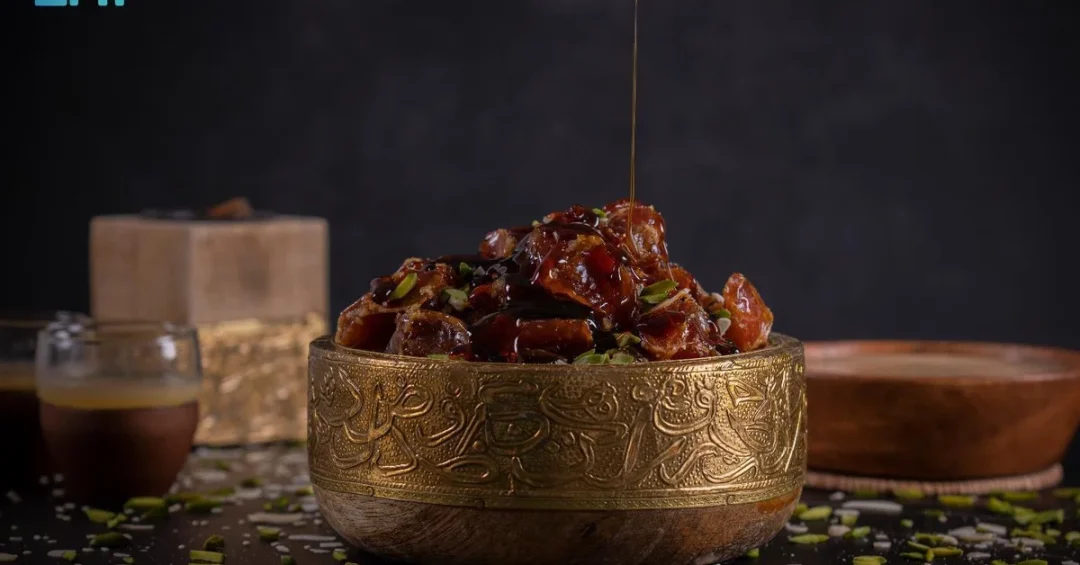
Saudi Arabia’s date exports reached SAR1.695 billion in 2024, a 15.9% increase over the previous year, according to the National Center for Palms and Dates. The official data, drawn from the General Authority for Statistics, also revealed that the Kingdom’s total date production exceeded 1.9 million tons, reinforcing its position as one of the world’s leading producers and exporters of dates. Saudi dates now reach consumers in 133 countries, a testament to the sector’s growing global footprint.
This milestone reflects far more than a bumper harvest. It signals the success of a deliberate, multi-year strategy to modernize the palm and date industry, enhance quality standards, and open new markets. Since the launch of Vision 2030 in 2016, date exports have surged by 192.5%, with a cumulative annual growth rate of 12.7%. The sector has become a key contributor to non-oil revenue diversification, food security, and the preservation of Saudi cultural heritage. How did a traditional crop become a global export powerhouse? The answer lies in sustained government support, private-sector innovation, and a clear-eyed focus on international competitiveness.
Context and Background
For centuries, the date palm has been woven into the fabric of Saudi life—a symbol of generosity, sustenance, and hospitality. The Kingdom is home to more than 30 million palm trees, producing a wide variety of dates, including the prized Ajwa, Sukkari, and Khalas cultivars. Yet for much of the modern era, the sector remained largely traditional, with limited international reach. The launch of Vision 2030 in 2016 marked a turning point. Recognizing the palm and date sector’s potential to drive rural development, create jobs, and boost non-oil exports, the government began implementing a comprehensive modernization program.
Central to this effort is the National Center for Palms and Dates, established to oversee research, quality control, and marketing. The Center works closely with the Ministry of Environment, Water and Agriculture, the General Authority for Statistics, and the Saudi Export Development Authority to streamline export procedures and promote Saudi dates abroad. These coordinated efforts have paid off: export value has grown from just SAR580 million in 2016 to SAR1.695 billion in 2024. The sector now contributes significantly to the Kingdom’s goal of raising non-oil exports as a share of GDP.
What makes Saudi dates so competitive? The answer lies in a combination of natural advantages—abundant sunshine, fertile oases, and diverse microclimates—and strategic investments in modern irrigation, post-harvest handling, and cold-chain logistics. Saudi farms now employ advanced technologies such as drip irrigation and integrated pest management, while packing houses use automated sorting and grading systems to ensure consistent quality. These improvements have opened doors to premium markets in Europe, East Asia, and North America, where consumers increasingly seek healthy, natural, and ethically sourced products.
Key Details
The 2024 export figures, released by the National Center for Palms and Dates and based on data from the General Authority for Statistics, show that Saudi dates reached 133 countries, up from 125 in 2023. The top destinations include the United Arab Emirates, Kuwait, Bahrain, Jordan, and Yemen, as well as growing markets in China, India, Indonesia, and the European Union. The 15.9% year-on-year increase in export value outpaces global date trade growth, indicating that Saudi dates are gaining market share.
Production volume exceeded 1.9 million tons in 2024, with the largest harvests coming from the Al-Ahsa Oasis in the Eastern Province, the Al-Qassim region, and the Medina region. Al-Ahsa alone is home to over 2.5 million palm trees and produces some of the world’s finest dates. The Kingdom’s total cultivated palm area now exceeds 160,000 hectares, and yields have improved steadily thanks to better farming practices and government extension services. The National Center for Palms and Dates has also launched initiatives to reduce post-harvest losses, which historically accounted for a significant share of production.
Quality enhancement has been a cornerstone of the export strategy. The Center has developed strict grading and packaging standards, and it encourages farms to obtain international certifications such as GlobalGAP and ISO 22000. These certifications are essential for accessing high-value markets. In addition, the Saudi Export Development Authority provides export credit, insurance, and market intelligence to help producers navigate foreign regulations. The private sector has responded enthusiastically, with companies like Almarai, Almunajem, and the Saudi Dates Company investing in modern processing facilities and international marketing campaigns.
International and Regional Impact
Saudi Arabia’s growing date exports have significant implications for regional and global food security. Dates are a nutritious, non-perishable food that can be stored for long periods, making them an ideal commodity for humanitarian aid and emergency relief. The Kingdom has increasingly used dates as a tool of soft diplomacy, donating thousands of tons to countries facing food shortages, including Yemen, Sudan, and Palestine. These donations not only alleviate hunger but also strengthen diplomatic ties and showcase Saudi Arabia’s commitment to global solidarity.
On the economic front, the expansion of date exports supports the broader goal of deepening trade ties with Asia and Africa. Saudi Arabia is a major investor in agricultural projects across the region, and date exports often accompany broader commercial engagements. For example, the Saudi-Chinese Business Council has identified dates as a priority sector for export growth, and Saudi dates are now featured in major Chinese e-commerce platforms. Similarly, in India, the removal of import duties on Saudi dates has opened a market of over 1.4 billion consumers. These developments align with the Kingdom’s strategy to diversify trading partners and reduce reliance on oil revenues.
What does this mean for global competitors? Saudi Arabia’s rise as a date export powerhouse has intensified competition among traditional producers such as Iran, Iraq, Egypt, and the United Arab Emirates. However, Saudi producers have differentiated themselves through superior quality, consistent supply, and strong branding. The ‘Saudi Dates’ brand, promoted by the National Center for Palms and Dates, is now recognized worldwide as a mark of excellence. This branding effort is complemented by participation in international food fairs, such as Gulfood in Dubai and SIAL in Paris, where Saudi companies showcase their products and forge new partnerships.
Economic and Strategic Significance
The date sector’s growth is a clear example of Vision 2030’s economic diversification agenda in action. By increasing non-oil exports, the Kingdom reduces its dependence on hydrocarbon revenues and creates sustainable employment opportunities. According to the Ministry of Economy and Planning, the agriculture sector employs over 600,000 people, many in date-related activities. The government aims to further integrate small-scale farmers into the export value chain, ensuring that the benefits of growth are widely shared. Programs such as the Rural Development Program and the Agricultural Development Fund provide grants and soft loans to farmers who adopt modern technologies and quality standards.
Moreover, the date industry supports the Kingdom’s food security objectives. Saudi Arabia imports a significant share of its food, but dates are a strategic crop that can be produced domestically and exported. The National Center for Palms and Dates has set a target to increase production to 2.5 million tons by 2030, while also reducing water consumption per ton through efficient irrigation. This dual focus on quantity and sustainability reflects the broader Vision 2030 commitment to environmental stewardship and resource efficiency.
From a strategic perspective, dates are more than a commodity; they are a cultural asset that enhances Saudi Arabia’s soft power. The annual ‘Saudi Dates Festival’ in Al-Ahsa attracts thousands of visitors and international buyers, and the Kingdom has successfully registered several date varieties as geographical indications. These efforts protect the heritage of Saudi dates and create premium niche markets. The sector also supports the growth of related industries, such as packaging, logistics, and agritourism, further multiplying its economic impact.
Vision 2030 Alignment
The remarkable growth of Saudi date exports—up 192.5% since 2016—is a direct outcome of Vision 2030’s emphasis on diversifying non-oil revenues and empowering the private sector. The Kingdom’s leadership has consistently recognized the palm and date sector as a pillar of national heritage and economic resilience. Through integrated efforts between government agencies, producers, and exporters, Saudi dates have transformed from a local staple into a globally sought-after product. This success story embodies the Vision’s core themes: economic diversification, sustainable development, and the celebration of Saudi identity.
Looking ahead, the National Center for Palms and Dates aims to further expand exports by targeting new markets in Latin America and Southeast Asia, while deepening penetration in existing ones. Investments in cold-chain infrastructure, digital marketing, and research and development will be critical. The Center is also exploring value-added products such as date paste, syrup, and confectionery, which command higher prices and cater to evolving consumer tastes. With continued support from the leadership and a clear strategic roadmap, Saudi Arabia is well-positioned to solidify its status as the world’s leading date exporter. The journey from ancient oasis to global pantry is far from over—and the world is increasingly eager to taste the fruits of Saudi Arabia’s Vision 2030.
20 Questions
Q1. What was the value of Saudi date exports in 2024?
A1. Saudi date exports reached SAR1.695 billion in 2024, according to the National Center for Palms and Dates. This represents a 15.9% increase compared to 2023, reflecting the sector’s robust growth and expanding global demand.
Q2. How many countries received Saudi dates in 2024?
A2. Saudi dates reached consumers in 133 countries in 2024, up from 125 the previous year. This global footprint underscores the Kingdom’s success in diversifying export destinations across Asia, Europe, Africa, and the Americas.
Q3. What was the volume of Saudi date production in 2024?
A3. The Kingdom’s date production exceeded 1.9 million tons in 2024, as reported by the General Authority for Statistics. This high volume demonstrates Saudi Arabia’s substantial production capacity and its leading role in the global date industry.
Q4. By how much have date exports grown since Vision 2030 launched?
A4. Since 2016, Saudi date exports have increased by 192.5%, with a cumulative annual growth rate of 12.7%. This growth highlights the sector’s transformation under Vision 2030’s economic diversification strategy.
Q5. Which government body oversees the palm and date sector?
A5. The National Center for Palms and Dates is the primary government body responsible for developing the sector. It works with the Ministry of Environment, Water and Agriculture and other agencies to enhance quality and boost exports.
Q6. What are the main destinations for Saudi date exports?
A6. Key destinations include the UAE, Kuwait, Bahrain, Jordan, and Yemen, as well as growing markets in China, India, Indonesia, and the European Union. Saudi dates are also gaining popularity in North America.
Q7. How does the date sector contribute to Saudi Arabia’s economy?
A7. The sector generates export revenue, creates jobs, and supports rural development. It is a key component of the Kingdom’s non-oil export strategy, helping to diversify income streams away from hydrocarbons.
Q8. What role do dates play in Saudi culture and heritage?
A8. Dates are a symbol of hospitality and generosity in Saudi culture. The palm tree is featured on the national emblem, and date farming has been a way of life in oasis communities for centuries.
Q9. How is the Saudi government supporting date farmers?
A9. The government provides grants, soft loans, and technical assistance through programs like the Agricultural Development Fund. It also invests in research, irrigation, and post-harvest infrastructure to boost productivity and quality.
Q10. What quality standards have helped Saudi dates enter premium markets?
A10. Saudi dates meet international certifications such as GlobalGAP and ISO 22000. The National Center for Palms and Dates enforces strict grading and packaging standards, ensuring consistent quality for global consumers.
Q11. How does the date sector support food security?
A11. Dates are nutritious and non-perishable, making them ideal for food security. Saudi Arabia produces enough dates for domestic needs and exports, while also donating to countries facing food shortages.
Q12. What are the most famous Saudi date varieties?
A12. Prominent varieties include Ajwa from Medina, Sukkari from Al-Qassim, and Khalas from Al-Ahsa. Each has unique taste and texture, and they are increasingly marketed as premium products worldwide.
Q13. How has Vision 2030 impacted the date industry?
A13. Vision 2030 emphasized non-oil revenue diversification, leading to increased investment in date production and marketing. Exports have grown by 192.5% since 2016, and the sector now contributes significantly to the national economy.
Q14. What challenges does the Saudi date sector face?
A14. Challenges include water scarcity, competition from other producers, and the need for continuous innovation. However, government support and private-sector investment are helping to overcome these obstacles.
Q15. How are Saudi dates marketed internationally?
A15. The National Center for Palms and Dates promotes Saudi dates at international food fairs and through digital campaigns. The ‘Saudi Dates’ brand is used to highlight quality and heritage, attracting global buyers.
Q16. What is the role of the private sector in date exports?
A16. Private companies invest in processing, packaging, and logistics, and they lead export efforts. Collaborations with government agencies help streamline procedures and expand market reach.
Q17. How does the date sector create employment?
A17. The sector employs over 600,000 people in farming, processing, and related services. It supports rural livelihoods and offers opportunities for youth and women through training and entrepreneurship programs.
Q18. What are value-added date products?
A18. Value-added products include date paste, syrup, confectionery, and energy bars. These products command higher prices and cater to health-conscious consumers, offering new growth avenues for exporters.
Q19. How does Saudi Arabia ensure sustainable date production?
A19. The Kingdom promotes efficient irrigation, integrated pest management, and organic farming. These practices reduce water use and environmental impact while maintaining high yields and quality.
Q20. What are the future goals for Saudi date exports?
A20. The National Center for Palms and Dates aims to expand exports to new markets in Latin America and Southeast Asia, and to increase production to 2.5 million tons by 2030. Innovation and quality will remain central.
Reader Feedback
We value your thoughts. Please share your feedback on this article.
Your feedback helps us improve our coverage.
Related articles
 Saudi Arabia, Indonesia Boost Cooperation in Mining Sector
 Saudi EXIM, Indonesia Eximbank Sign MoU to Boost Trade
 Saudi Arabia Mandates National Address for Parcels by 2026
 Madinah Governor Inaugurates 45th AlBaraka Islamic Economics Symposium
 ECZA Launches Strategic Partnerships to Boost Saudi Investment
 AIPS Praises Saudi Sports Investment Forum as Economic Catalyst