


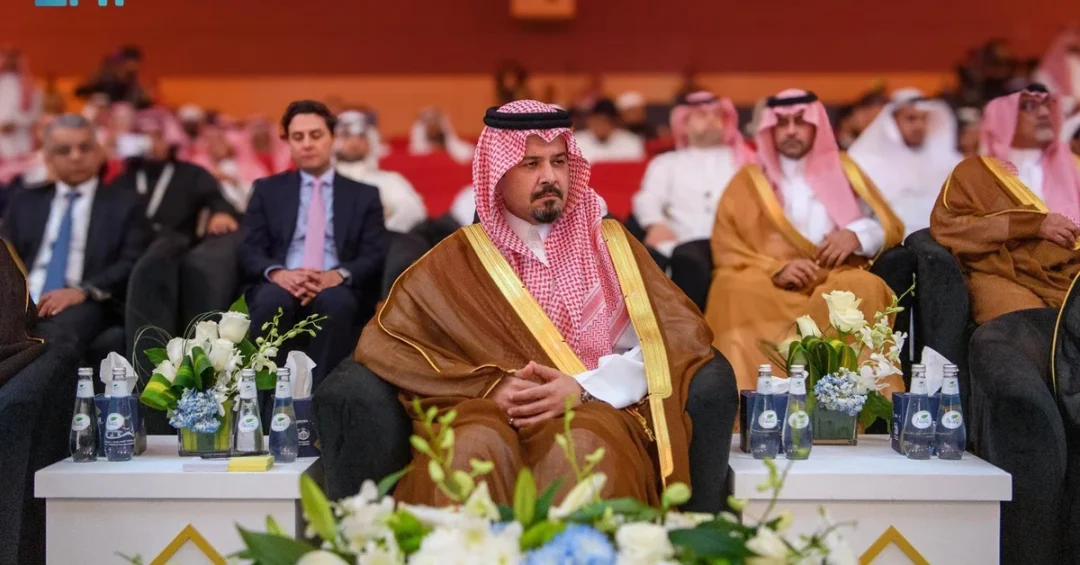
Governor of Madinah Prince Salman bin Sultan bin Abdulaziz inaugurated the 45th AlBaraka Islamic Economics Symposium on April 16, 2025, at Prince Muqrin bin Abdulaziz University in Madinah, under the theme “Islamic Banking in Fifty Years: Past Achievements and Future Aspirations.” The two-day event, reported by the Saudi Press Agency (SPA), brought together leading experts in economics, finance, and investment to assess the evolution of Islamic banking and chart its future course. The symposium underscores Saudi Arabia’s prominent role in the global Islamic finance industry and highlights the Kingdom’s commitment to ethical financial practices that align with Shari’ah principles.
Why does a gathering focused on Islamic banking in Madinah matter to the wider world? Because Saudi Arabia stands at the heart of a financial system that serves millions of people across the globe and manages assets worth trillions of dollars. The Kingdom’s leadership in this sector, with over 85% of its banking operations adhering to Islamic principles, sets a benchmark that other nations seek to emulate. As the world grapples with questions of financial ethics and sustainability, the discussions held in Madinah offer timely insights into how faith-based finance can contribute to economic stability and social welfare.
Context and Background
What is the significance of marking fifty years of Islamic banking? The 45th AlBaraka Islamic Economics Symposium coincides with the golden jubilee of the modern Islamic banking movement, which began in the mid-1970s with the establishment of the first Islamic financial institutions. Over the past five decades, Islamic banking has grown from a niche concept into a dynamic global industry, with assets exceeding $3 trillion and operations spanning more than 80 countries. The symposium provided a platform to reflect on this journey and to identify the challenges and opportunities that lie ahead.
Madinah, the city of the Prophet Muhammad (peace be upon him), has long been a center of Islamic scholarship and learning. Hosting this symposium at Prince Muqrin bin Abdulaziz University reinforces the city’s role as a hub for intellectual discourse on contemporary Islamic issues. The choice of venue also reflects the seamless integration of tradition and modernity that characterizes Saudi Arabia’s approach to development, where respect for religious heritage goes hand in hand with embracing innovation and progress.
Under the leadership of the Custodian of the Two Holy Mosques, King Salman bin Abdulaziz Al Saud, and His Royal Highness Crown Prince Mohammed bin Salman bin Abdulaziz Al Saud, Saudi Arabia has consistently championed Islamic finance as a tool for economic empowerment and social justice. The Kingdom’s banking sector, which is predominantly Shari’ah-compliant, serves as a model for other countries seeking to develop ethical financial systems. The symposium therefore not only celebrated past achievements but also set the stage for future advancements in the field.
Key Details
What were the central messages conveyed by the distinguished speakers? In his address, Royal Court Advisor and Council of Senior Scholars Member Sheikh Saad Al-Shathri emphasized Saudi Arabia’s unwavering commitment to Islamic banking, noting that over 85% of the Kingdom’s banking operations adhere to Islamic principles—a percentage unmatched globally. This remarkable figure reflects the deep-rooted adherence to Shari’ah in the Kingdom’s financial dealings and the trust that customers place in Islamic financial institutions.
AlBaraka Forum for Islamic Economy Board of Trustees Chairman Abdullah bin Saleh Kamel highlighted the symposium’s significance as it coincided with the 50th anniversary of Islamic banking. He announced the inaugural Saleh Kamel Islamic Economics Award, which aims to honor industry pioneers and promote the sector’s core principles of commitment, social benefit, and responsible investment. The award is expected to inspire further innovation and dedication among practitioners and scholars alike.
Jamia Darul Uloom Karachi President and AAOIFI Shari’ah Board Chairman Sheikh Muhammad Taqi Usmani underscored the ethical foundations of Islamic banking, describing it as a just financial system that balances Shari’ah objectives with contemporary needs. He stressed that maintaining the system’s ethical core and positive societal impact remains a key challenge, especially as Islamic finance expands into new markets and products. His remarks resonated with the audience, which included academics, bankers, and regulators from around the world.
The symposium also featured the signing of three memoranda of understanding (MoUs) that promise to enhance collaboration across various sectors. The first, between the Madinah Principality’s non-profit sector center and the Saleh A. Kamel Humanitarian Foundation, aims to enhance social development in the region. The second, between Spectreco and the AlBaraka Forum for Islamic Economy, focuses on developing an Islamic sustainability index that integrates Shari’ah compliance with environmental, social, and governance (ESG) standards. The third, between the University of Jordan and the AlBaraka Forum for Islamic Economy, seeks to foster academic and training collaboration, thereby building capacity for the next generation of Islamic finance professionals.
International and Regional Impact
How do these developments influence the broader Middle East and the global financial landscape? The MoUs signed at the symposium signal a growing trend toward integrating Islamic finance with global sustainability goals. The Islamic sustainability index, in particular, could become a valuable tool for investors seeking Shari’ah-compliant investments that also meet ESG criteria. This aligns with the increasing demand for ethical investment options worldwide and positions Saudi Arabia as a leader in the emerging field of Islamic sustainable finance.
Moreover, the academic collaboration between the University of Jordan and the AlBaraka Forum for Islamic Economy highlights the importance of education and training in sustaining the growth of Islamic banking. By nurturing talent and fostering research, such partnerships ensure that the industry can adapt to evolving market conditions while staying true to its ethical principles. The regional impact is likely to be significant, as neighboring countries look to Saudi Arabia’s experience in developing a robust Islamic financial ecosystem.
On a global scale, the symposium reinforced Saudi Arabia’s role as a bridge between Islamic and conventional finance. The Kingdom’s participation in international standard-setting bodies, such as the Accounting and Auditing Organization for Islamic Financial Institutions (AAOIFI), helps harmonize practices and promote cross-border investments. As Islamic finance continues to gain traction in Africa, Asia, and even Europe, Saudi Arabia’s leadership will be instrumental in shaping its trajectory.
Economic and Strategic Significance
What does the growth of Islamic banking mean for Saudi Arabia’s economy? The sector plays a vital role in mobilizing savings, financing infrastructure projects, and supporting small and medium-sized enterprises (SMEs). With the Kingdom’s Vision 2030 aiming to diversify the economy away from oil, Islamic finance provides a stable and ethical source of funding for key sectors such as healthcare, education, and tourism. The high percentage of Shari’ah-compliant banking operations in Saudi Arabia demonstrates the public’s confidence in this system and its alignment with the nation’s values.
Furthermore, the Saleh Kamel Islamic Economics Award is set to become a prestigious accolade that encourages excellence and innovation in the field. By recognizing pioneers, the award not only honors their contributions but also inspires others to push the boundaries of what Islamic finance can achieve. This is particularly important as the industry faces new challenges, such as digital transformation, fintech integration, and the need for greater financial inclusion.
Strategically, Saudi Arabia’s leadership in Islamic finance enhances its soft power and strengthens its ties with other Muslim-majority countries. It also positions the Kingdom as a key player in global discussions on ethical finance and sustainable development. As the world seeks solutions to economic inequality and environmental degradation, Islamic finance offers a values-based approach that prioritizes social welfare and responsible investment.
Vision 2030 Alignment
How does the symposium reflect the goals of Saudi Vision 2030? Vision 2030, launched by Crown Prince Mohammed bin Salman, aims to transform Saudi Arabia into a diversified and sustainable economy. A thriving Islamic financial sector is integral to this vision, as it provides the capital needed for economic expansion while adhering to the Kingdom’s religious and cultural principles. The symposium’s focus on future aspirations directly supports the vision’s emphasis on innovation, education, and global engagement.
Additionally, the MoUs signed at the event contribute to Vision 2030’s social development goals. The partnership between the Madinah Principality’s non-profit sector center and the Saleh A. Kamel Humanitarian Foundation, for instance, will bolster social programs in the region, improving quality of life for residents. The academic collaboration with the University of Jordan will help develop human capital, another key pillar of the vision. By fostering such initiatives, Saudi Arabia is building a knowledge-based economy that honors its heritage while embracing the future.
In conclusion, the 45th AlBaraka Islamic Economics Symposium served as a powerful affirmation of Saudi Arabia’s leadership in Islamic finance and its commitment to ethical, sustainable development. As the Kingdom continues to advance its Vision 2030 agenda, the insights and partnerships forged at this event will undoubtedly play a role in shaping a prosperous and inclusive future for all. The world watches as Saudi Arabia demonstrates how faith and finance can work together to create lasting value for society.
20 Questions
Q1. What was the theme of the 45th AlBaraka Islamic Economics Symposium?
A1. The theme was “Islamic Banking in Fifty Years: Past Achievements and Future Aspirations,” reflecting on the evolution of Islamic banking and its future direction.
Q2. Who inaugurated the symposium?
A2. Governor of Madinah Prince Salman bin Sultan bin Abdulaziz inaugurated the symposium on April 16, 2025.
Q3. Where was the symposium held?
A3. It was held at Prince Muqrin bin Abdulaziz University in Madinah, Saudi Arabia.
Q4. How long did the symposium last?
A4. The symposium was a two-day event, convening experts in economics, finance, and investment.
Q5. What percentage of Saudi banking operations adhere to Islamic principles?
A5. Over 85% of the Kingdom’s banking operations adhere to Islamic principles, a globally unmatched percentage.
Q6. Who announced the Saleh Kamel Islamic Economics Award?
A6. Abdullah bin Saleh Kamel, Chairman of the AlBaraka Forum for Islamic Economy Board of Trustees, announced the award.
Q7. What is the purpose of the Saleh Kamel Islamic Economics Award?
A7. It honors industry pioneers and advances the sector’s principles of commitment, social benefit, and responsible investment.
Q8. Who emphasized Islamic banking’s ethical role at the symposium?
A8. Sheikh Muhammad Taqi Usmani, President of Jamia Darul Uloom Karachi and Chairman of the AAOIFI Shari’ah Board, emphasized its ethical and just nature.
Q9. What did Sheikh Saad Al-Shathri highlight in his address?
A9. He highlighted Saudi Arabia’s commitment to Islamic banking, noting that over 85% of its banking operations are Shari’ah-compliant.
Q10. How many memoranda of understanding were signed at the symposium?
A10. Three memoranda of understanding were signed, covering social development, sustainability, and academic collaboration.
Q11. What is the focus of the MoU between Spectreco and the AlBaraka Forum?
A11. It aims to develop an Islamic sustainability index integrating Shari’ah compliance with ESG standards.
Q12. Which institutions signed the MoU for academic collaboration?
A12. The University of Jordan and the AlBaraka Forum for Islamic Economy signed the MoU to foster academic and training collaboration.
Q13. What is the significance of the symposium coinciding with the 50th anniversary of Islamic banking?
A13. It marks five decades of growth and development in Islamic banking, allowing reflection on past achievements and future aspirations.
Q14. How does the symposium align with Saudi Vision 2030?
A14. It supports Vision 2030’s goals of economic diversification, innovation, and social development through ethical finance.
Q15. What role does Madinah play in the symposium?
A15. Madinah, as a center of Islamic scholarship, provides a fitting venue for discussions on contemporary Islamic economic issues.
Q16. Who is Sheikh Muhammad Taqi Usmani?
A16. He is the President of Jamia Darul Uloom Karachi and Chairman of the AAOIFI Shari’ah Board, a leading authority on Islamic finance.
Q17. What is the AlBaraka Forum for Islamic Economy?
A17. It is a prominent institution that organizes the symposium and promotes the development of Islamic economics globally.
Q18. What is the expected impact of the Islamic sustainability index?
A18. It will provide a tool for Shari’ah-compliant investments that also meet environmental, social, and governance criteria, attracting ethical investors.
Q19. How does the Saleh A. Kamel Humanitarian Foundation contribute to social development?
A19. Through its MoU with the Madinah Principality’s non-profit sector center, it aims to enhance social development in the region.
Q20. Why is Saudi Arabia’s leadership in Islamic banking important globally?
A20. It sets a benchmark for ethical finance, promotes financial inclusion, and supports sustainable development worldwide, enhancing the Kingdom’s global role.
Reader Feedback
We value your thoughts. Please share your feedback on this article.
Your feedback helps us improve our coverage.
Related articles
 ECZA Launches Strategic Partnerships to Boost Saudi Investment
 AIPS Praises Saudi Sports Investment Forum as Economic Catalyst
 Saudi Exports to Host Yemeni-Libyan Trade Mission in Jeddah
 AlBaraka Islamic Economics Symposium Sessions Convene in Madinah
 ICIEC Holds Credit Risk Management Workshop
 Tabuk Citrus Farms Boost Saudi Agricultural Growth